Infrastructure and access
- Last-Mile / Access Infrastructure4
- Backbone / Backhaul / Middle-Mile Infrastructure3
- Fiber / Fixed Broadband Infrastructure3
- Community Access / Computing Infrastructure2
- Mobile / Wireless Infrastructure2
Digital Divide Country Profile · Africa
Closing the digital divide, expanding meaningful connectivity, and advancing digital education and workforce participation.
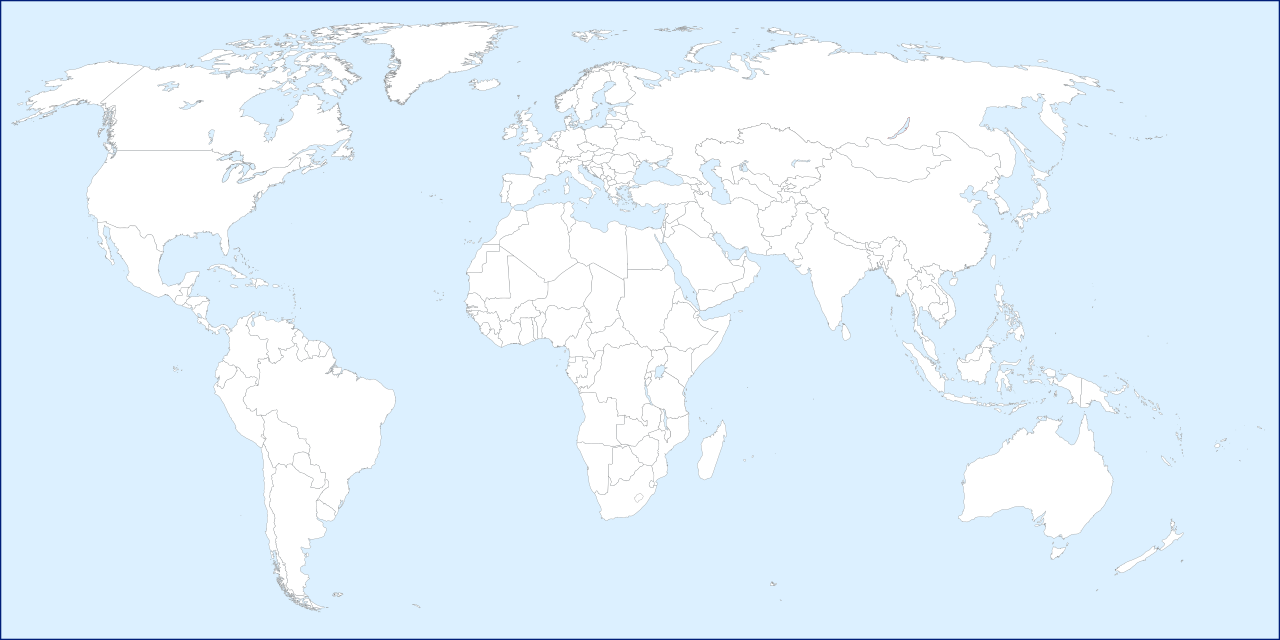
Location in the world

Africa
 Tanzania
National digital inclusion context
This profile organizes the initiatives directly connected to Tanzania in the global research inventory. It follows the study's country-profile framework: national context, broadband infrastructure, inclusion practices, education and workforce connections, implementation actors, and intended contribution.
The documented portfolio emphasizes Last-Mile / Access Infrastructure, Backbone / Backhaul / Middle-Mile Infrastructure, Fiber / Fixed Broadband Infrastructure, Fiber/Fiber Optic, AI. The profile treats infrastructure, affordability, capability, institutions, support, and outcomes as an interconnected system.
Portfolio pattern
Counts reflect source-workbook tags. One initiative may appear in multiple infrastructure or technology categories.
Education and workforce
9 initiatives explicitly connect to education, K–12, or college/university contexts, and 6 connect to workforce development. Other investments may enable these outcomes indirectly.
Networks, service availability, devices, and connection quality.
Skills, confidence, accessibility, navigation, and support.
Education, work, health, government, and civic opportunity.
Governance, operations, maintenance, funding, and learning.
Project and initiative portfolio
Every directly tagged record is shown with details and supporting URLs preserved from the research workbook.
Assistive technology / AI accessibility / inclusive education and workforce
Addresses disability-related digital exclusion by making AI and browser-based communication tools accessible for sign-language users.
Activities and approach: Real-time sign-language recognition; Kiswahili text/speech output; training mode; mobile-browser access; testing Tanzanian and Kenyan sign-language variants
School/community broadband
Connected schools to broadband and established community ICT centres that also served surrounding communities.
Activities and approach: School broadband; devices; community ICT centres; training.
Rural mobile broadband
One of the country's largest rural connectivity deployments, adding mobile and broadband coverage where commercial networks were absent or weak.
Activities and approach: 758 telecom towers; mobile/broadband expansion; multi-operator implementation.
Innovation hubs / youth and SME digital inclusion
Provides local access to innovation support and technology ecosystems outside a single national center.
Activities and approach: Five soft centers/tech hubs; startup and SME support; innovation activities
Government broadband
Connects government institutions that are unconnected or limited to slow links, enabling reliable digital service delivery beyond major urban offices.
Activities and approach: High-speed broadband; GovNet expansion; institutional connections
Digital skills / workforce development
Builds human capability needed to use and sustain connectivity and digital public services.
Activities and approach: International ICT master's scholarships; short courses; digital-tool training
Advanced digital skills / professional development
Creates institutional capacity for advanced ICT skills and professional development rather than one-off training alone.
Activities and approach: National training center; professional development; ICT capacity building
National digital infrastructure
Strengthens hosting capacity and resilience for digital government platforms and services.
Activities and approach: National data center infrastructure; shared hosting; government platforms
Open geospatial data / digital public infrastructure
Expands shared spatial data infrastructure that supports planning, service delivery and data-driven digital applications.
Activities and approach: NSDI platform; geospatial data; expansion beyond 66-ward pilot
National digital development / connectivity
Expands affordable high-quality internet access while strengthening digital public services and the digital ecosystem.
Activities and approach: Digital connectivity; policy and regulatory strengthening; digital platforms; public service delivery.
National broadband and digital public services
Expands affordable high-quality internet, including rural coverage, and connects government institutions while strengthening digital services.
Activities and approach: Broadband expansion; digital ecosystem; government connectivity; digital platforms.
Broadband infrastructure financing
Finances network expansion intended to improve digital connectivity and reduce infrastructure gaps in two African markets.
Activities and approach: Broadband network investment and financing
Digital skills and adoption support
Builds digital capability and adoption support for people and communities affected by digital exclusion, addressing skills and participation barriers.
Activities and approach: Digital-skills training; adoption support
National fiber backbone
Provides open-access high-capacity national and cross-border backbone capacity that enables retail broadband expansion.
Activities and approach: 15,000+ km fiber; wholesale capacity; cross-border links; PoPs.
National fiber backbone
Extends high-capacity national fiber infrastructure to expand reliable and affordable wholesale connectivity.
Activities and approach: Fiber backbone extension; capacity upgrades; service points; regional links.
District fiber expansion
Extends national fiber deeper into districts, expanding the infrastructure available for last-mile broadband and public services.
Activities and approach: Fiber extension; district PoPs; national backbone expansion.
Higher education / AI capacity building / workforce development
Expands Tanzania's access to international AI training, research cooperation, open resources, and capacity-building pathways, helping reduce the national AI divide.
Activities and approach: Network participation; AI training; research collaboration; curricula and exchange opportunities; institutional capacity building; access to global AI resources
Public internet access
Creates shared public access points to reduce affordability and household-connectivity barriers.
Activities and approach: Open public Wi-Fi at 100 locations
Digital skills / vocational and gender inclusion
Combines institutional ICT infrastructure with targeted skills development and a specific female-participation intervention.
Activities and approach: ICT infrastructure at 15 vocational colleges; training for 700 teachers and 250 girls
Rural mobile broadband
Extends reliable mobile and internet coverage into a new set of commercially underserved locations after the 758-tower programme.
Activities and approach: 287 communication towers; rural mobile broadband; universal-service subsidies
School digital access
Equips public schools with computers and projectors, connects schools to internet, and trains teachers in ICT use.
Activities and approach: ICT equipment; school internet; computer labs; teacher training; girls-in-ICT activities.
Universal service / mobile and public Wi-Fi
Extends mobile and internet coverage, public Wi-Fi, school ICT labs, and digital skills to reduce urban-rural gaps.
Activities and approach: Towers in 567 wards; 100 public Wi-Fi sites; 250 school computer labs; teacher and girls' ICT training.
Gender-transformative digital skills and STEM education
Addresses gender gaps in STEM and digital skills, supports digital-economy participation, and promotes gender equity in technology.
Activities and approach: Digital skills education; STEM pathways; policy collaboration; infrastructure support.
National broadband strategy
Updates the national framework for high-speed internet, implementation monitoring, capacity building, public awareness and digital services.
Activities and approach: Broadband strategy; implementation framework; M&E; capacity building; digital content/services; regulation
Evidence boundary
Project records document interventions and intended contributions; they do not alone prove nationwide coverage, causal impact, or durable closure.
Profiles will deepen as national statistics, policy documents, evaluations, and implementation evidence are incorporated. Source links allow inspection of underlying evidence.
These sources support the country-level demographic, geographic, and connectivity context. Sources tied to individual projects remain with their project records and are not repeated here.