Infrastructure and access
- Digital Public Infrastructure3
- Institutional / School Connectivity Infrastructure2
- Infrastructure Planning / Mapping1
- Institutional / School Connectivity1
- Satellite Infrastructure1
Digital Divide Country Profile · Asia
Closing the digital divide, expanding meaningful connectivity, and advancing digital education and workforce participation.
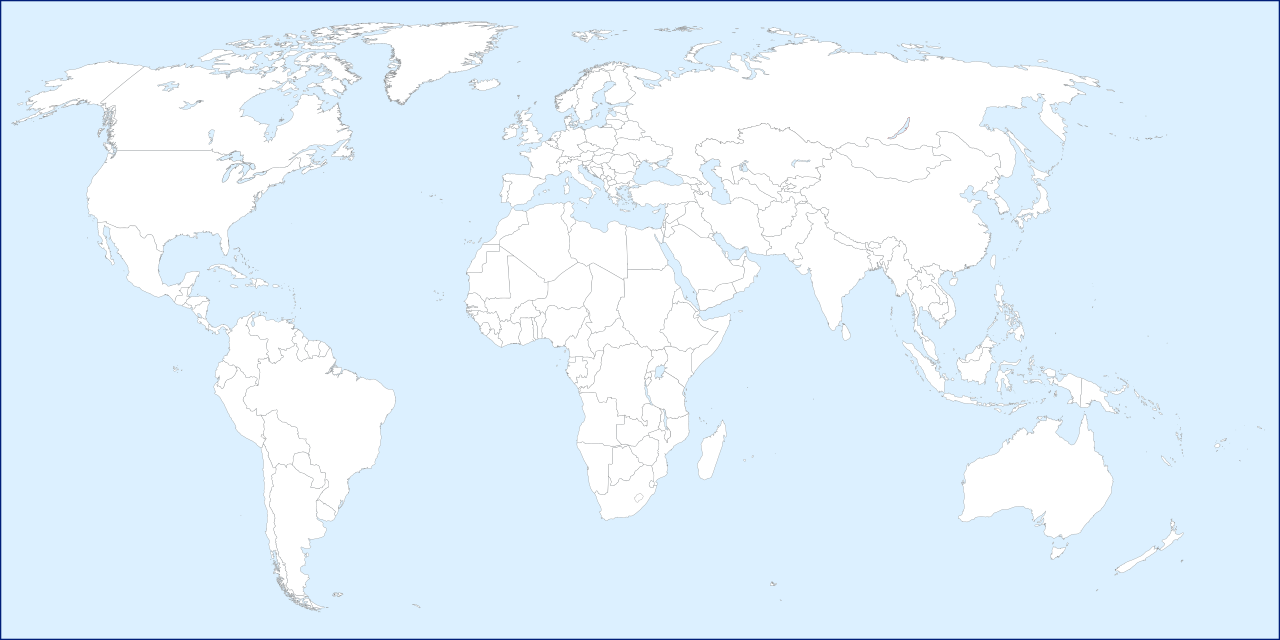
Location in the world

Asia
 Tajikistan
National digital inclusion context
This profile organizes the initiatives directly connected to Tajikistan in the global research inventory. It follows the study's country-profile framework: national context, broadband infrastructure, inclusion practices, education and workforce connections, implementation actors, and intended contribution.
The documented portfolio emphasizes Digital Public Infrastructure, Institutional / School Connectivity Infrastructure, Infrastructure Planning / Mapping, Computer / Desktop PC, connectivity measurement. The profile treats infrastructure, affordability, capability, institutions, support, and outcomes as an interconnected system.
Portfolio pattern
Counts reflect source-workbook tags. One initiative may appear in multiple infrastructure or technology categories.
Education and workforce
7 initiatives explicitly connect to education, K–12, or college/university contexts, and 2 connect to workforce development. Other investments may enable these outcomes indirectly.
Networks, service availability, devices, and connection quality.
Skills, confidence, accessibility, navigation, and support.
Education, work, health, government, and civic opportunity.
Governance, operations, maintenance, funding, and learning.
Project and initiative portfolio
Every directly tagged record is shown with details and supporting URLs preserved from the research workbook.
Broadband quality / consumer protection
Establishes enforceable minimum communications-quality requirements as internet access expands, addressing quality as well as nominal coverage.
Activities and approach: Minimum QoS standards; service-quality oversight; consumer protection
Advanced digital skills
Provides advanced ICT training linked to jobs.
Activities and approach: Advanced ICT training
Digital skills
Builds basic digital literacy.
Activities and approach: Digital literacy training
School broadband
Extends resilient broadband to rural schools.
Activities and approach: School broadband
Cybersecurity / trusted digital participation
Builds the security and trust layer needed for people and firms to safely use expanding digital public services.
Activities and approach: Cybersecurity capabilities; online safety; institutional safeguards; secure digital systems
Privacy / digital inclusion safeguards
Strengthens privacy protections so expansion of digital services does not create new exclusion or trust barriers.
Activities and approach: Data-protection rules; privacy safeguards; institutional capacity
Digital public infrastructure / interoperability
Enables agencies to exchange data securely so users face fewer repetitive forms and fragmented services.
Activities and approach: Data exchange; interoperability standards; government data-sharing infrastructure
Digital public infrastructure
Builds DPI foundations for accessible services.
Activities and approach: DPI/interoperability
Digital trust / e-transactions
Creates trusted electronic transaction mechanisms that reduce the need for in-person and paper-based service processes.
Activities and approach: Electronic signatures; trust services; secure authentication
Digital public services
Improves quality, accessibility and transparency of digitally enabled public services, reducing travel and administrative barriers.
Activities and approach: Online public services; G2C/G2B service modernization; digital platforms
Institutional broadband
Extends school connectivity to nearby public entities.
Activities and approach: Broadband connectivity
Gender digital inclusion / higher education
Closes a gender and skills gap by equipping women entering the justice sector with foundational computer skills and online-safety knowledge.
Activities and approach: Basic IT equipment use; digital skills; misinformation and cyberbullying awareness
Satellite broadband / remote connectivity
Adds a satellite option for hard-to-reach communities and broadens resilience and geographic reach of internet access.
Activities and approach: LEO satellite broadband; remote-area service availability
Broadband affordability / market reform
Improves competition and international connectivity governance to lower internet prices and widen affordable access.
Activities and approach: International gateway competition; spectrum allocation reform; sector governance
School connectivity measurement / mapping / planning initiative
closing information gaps that prevent effective school-connectivity investment by measuring school infrastructure, electricity, connectivity status and internet quality
Activities and approach: Nationwide school data collection, Giga Meter deployment, connectivity-quality measurement, gap analysis and EMIS integration
Youth digital skills / employability
Builds digital skills alongside employability and entrepreneurship support to connect youth with digital-economy opportunities.
Activities and approach: Digital skills; green skills; entrepreneurship; youth-led solutions; employability support
Evidence boundary
Project records document interventions and intended contributions; they do not alone prove nationwide coverage, causal impact, or durable closure.
Profiles will deepen as national statistics, policy documents, evaluations, and implementation evidence are incorporated. Source links allow inspection of underlying evidence.
These sources support the country-level demographic, geographic, and connectivity context. Sources tied to individual projects remain with their project records and are not repeated here.