The digital divide · a world perspective
One world, many .
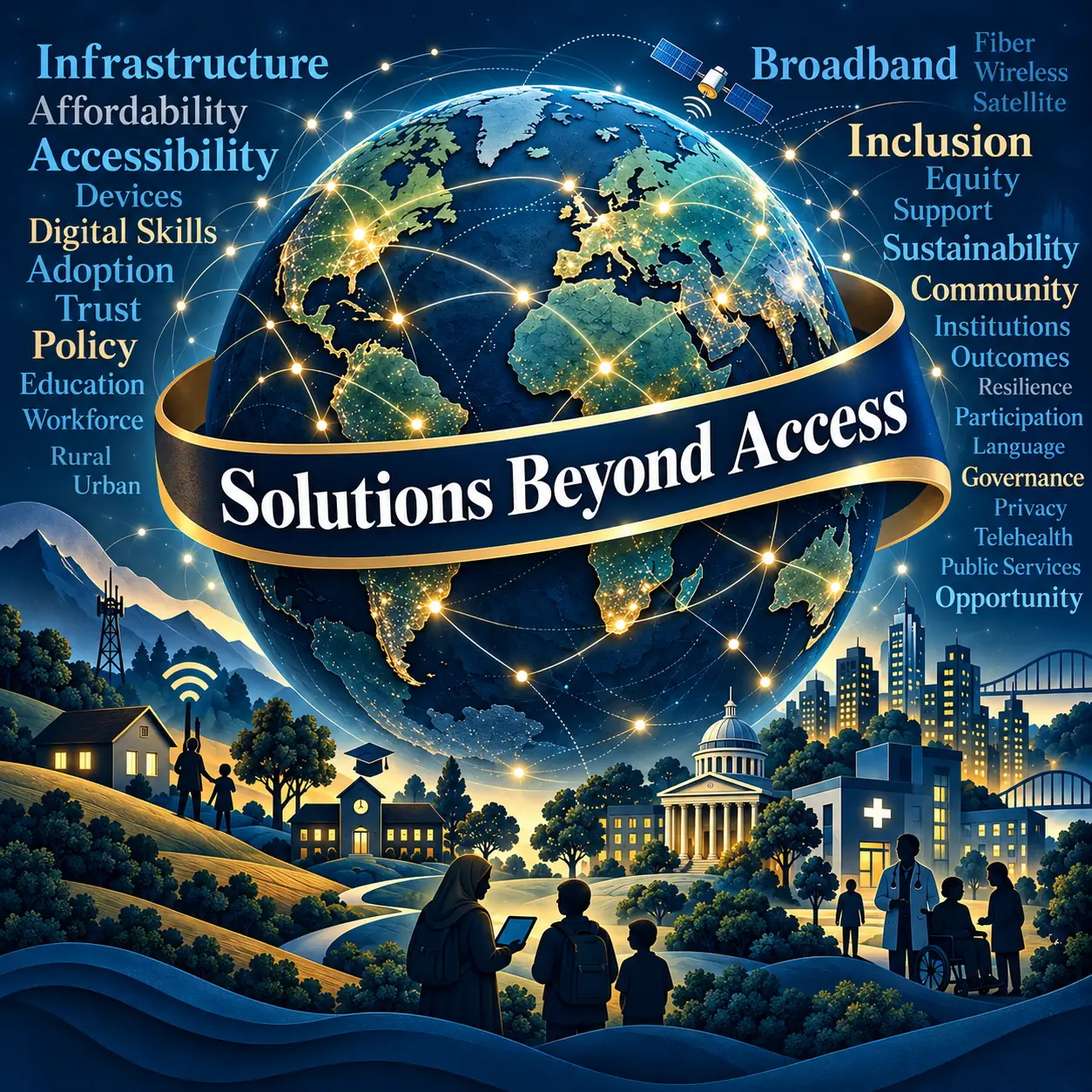
The digital divide crosses every border, but it does not take the same form everywhere. Infrastructure, affordability, devices, skills, language, geography, policy, institutions, trust, and support combine differently within every country.


What this site is
A deep dive into the digital divide—and what it takes to close it.
Solutions Beyond Access is a research platform for understanding the digital divide as more than a question of internet availability. Built from six years of doctoral inquiry, it examines how infrastructure, affordability, devices, skills, accessibility, trust, policy, institutions, education, workforce development, and human support interact to shape meaningful digital participation.
What you can explore
- The research journey, evidence, and methods
- Findings and the actionable ten-phase model
- Global country and U.S. state profiles
- Projects, initiatives, and stakeholder relationships
- Applied cases, simulations, and digital skills
- Practitioner resources for planning and decisions
Understand the problem
Trace how the digital divide developed from an access problem into a changing social, technical, educational, and institutional system.
Begin with the research story → 02Examine the research
Review the grounded theory process, evidence base, analytical methods, findings, limitations, and development of the conceptual model.
Inspect the evidence → 03Explore data and tools
Move through global country profiles, U.S. states, projects, stakeholders, visual memos, applied cases, and practitioner resources.
Open the Projects & Research →A periodic table of countries
The world, organized by region.
Each tile represents one sovereign state. The arrangement is intentionally non-hierarchical: countries are grouped geographically, not ranked by connectivity, income, readiness, or outcomes.
The country profile was developed in conjunction with an AI based on dissertation research, researcher notes, citations, transcripts, and external web resources. The researcher is not responsible for any errors or omissions, but will endeavor to update information as needed to improve the relevance and accuracy.
Six years of inquiry · thousands of artifacts · 800 hours of transcripts · one actionable framework
Beyond access lies the real divide.
A research platform that traces how infrastructure, affordability, devices, skills, trust, institutions, policy, and human support combine to shape meaningful digital participation.
Central finding
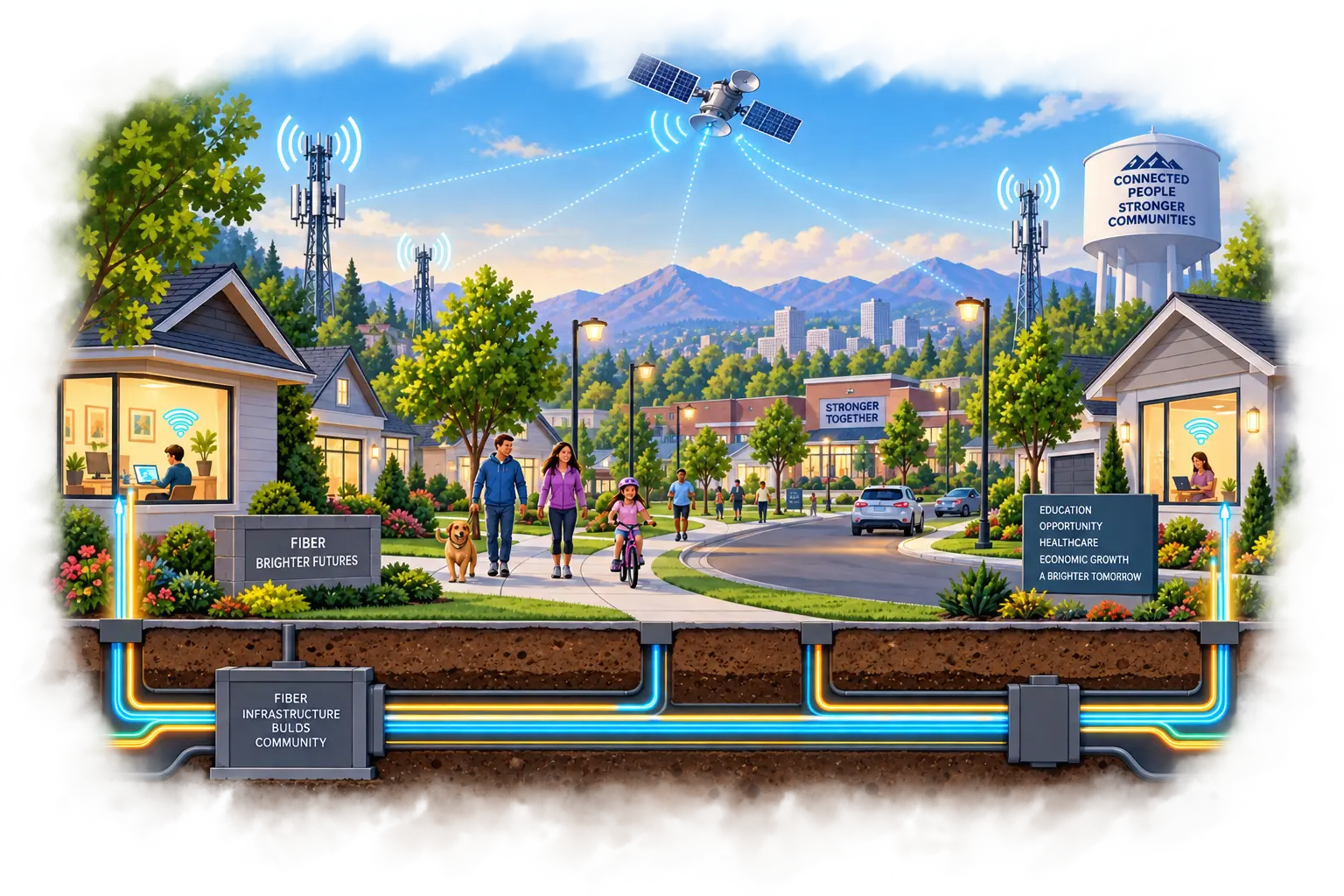
Connectivity is necessary. It is not sufficient.
The divide can remain after a household, school, or community is technically connected. Capability, confidence, inclusion, support, trust, and institutional readiness determine whether access becomes opportunity.
Research scale
Built through breadth, comparison, and iteration.
The study brought together scholarly literature, government and industry sources, public discourse, interviews, questionnaires, artifacts, and repeated model refinement.
Choose a pathway
A body of work designed to be explored.
Each section distills a different layer of the dissertation. Begin with the six-year research journey, go directly to the findings, inspect the scholarly foundation, or use the model in a field setting.
 01 · ORIGIN
Background
How an apparent broadband-access problem became a study of a changing socio-technical system.
Follow the journey →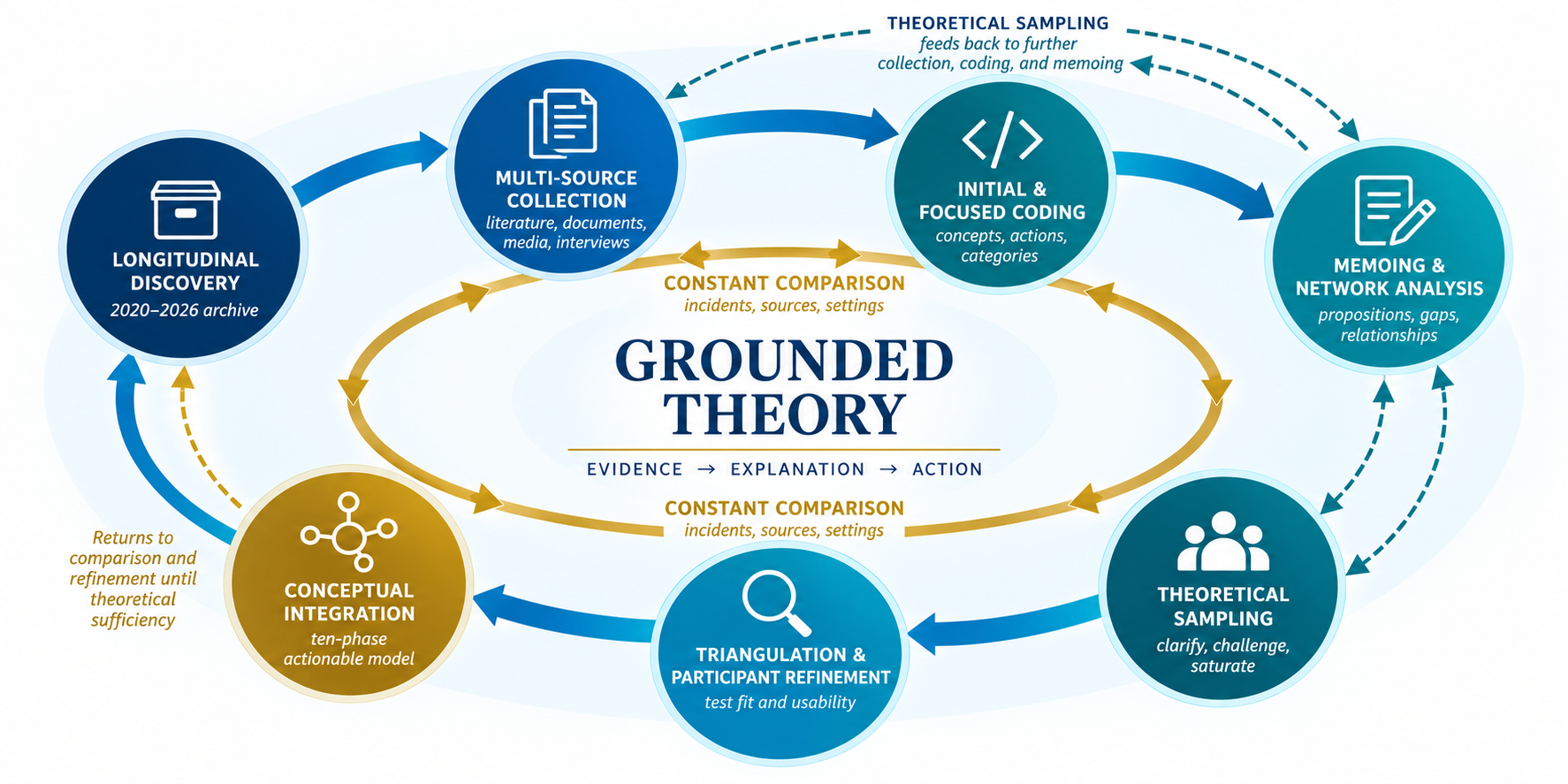 02 · FOUNDATION
Research Process
The grounded theory design, evidence archive, data sources, analytical tools, trustworthiness, and limits.
Inspect the evidence →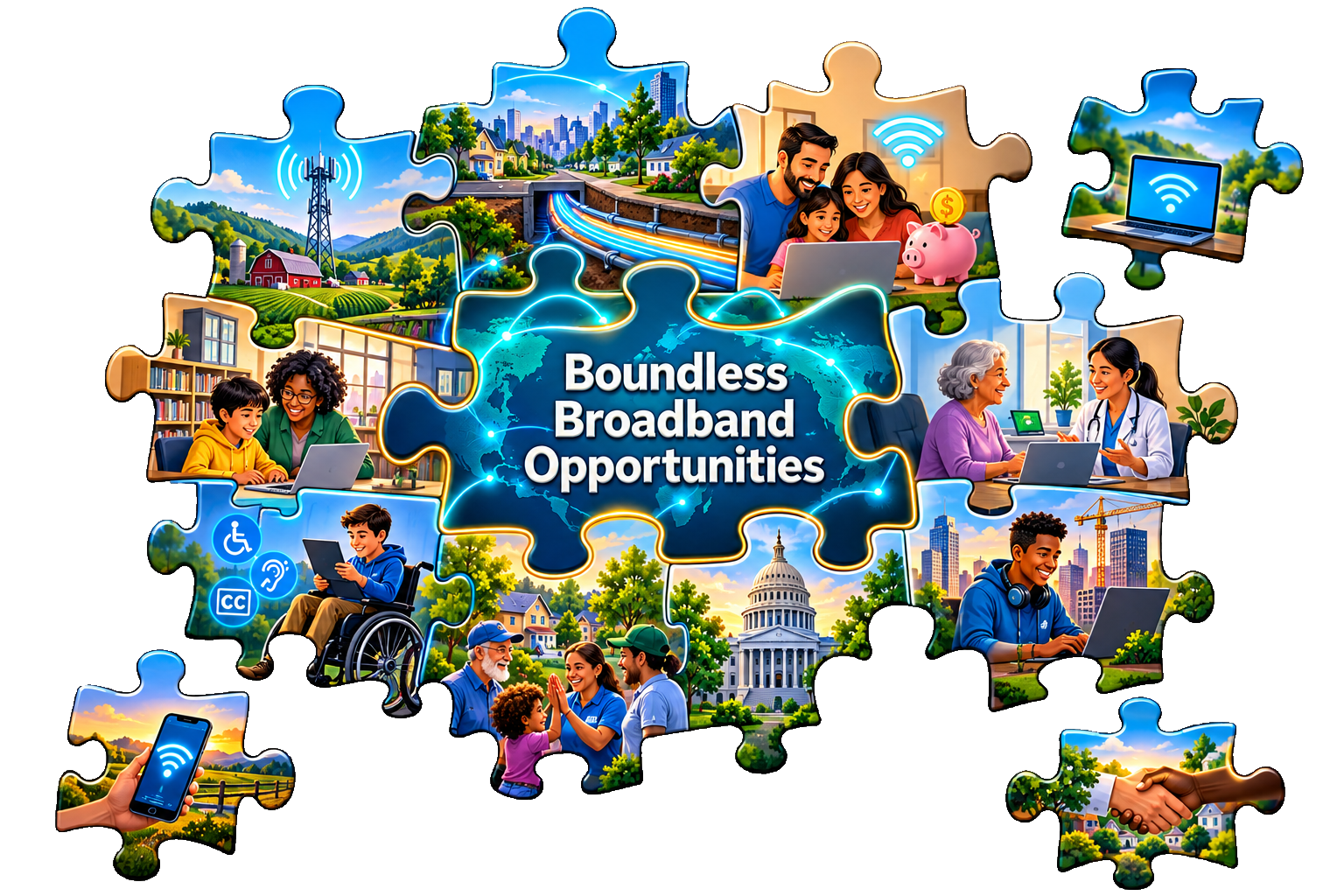 03 · DISCOVERY
Findings
What the evidence revealed about barriers, solutions, post-access conditions, and durable change.
Read the findings →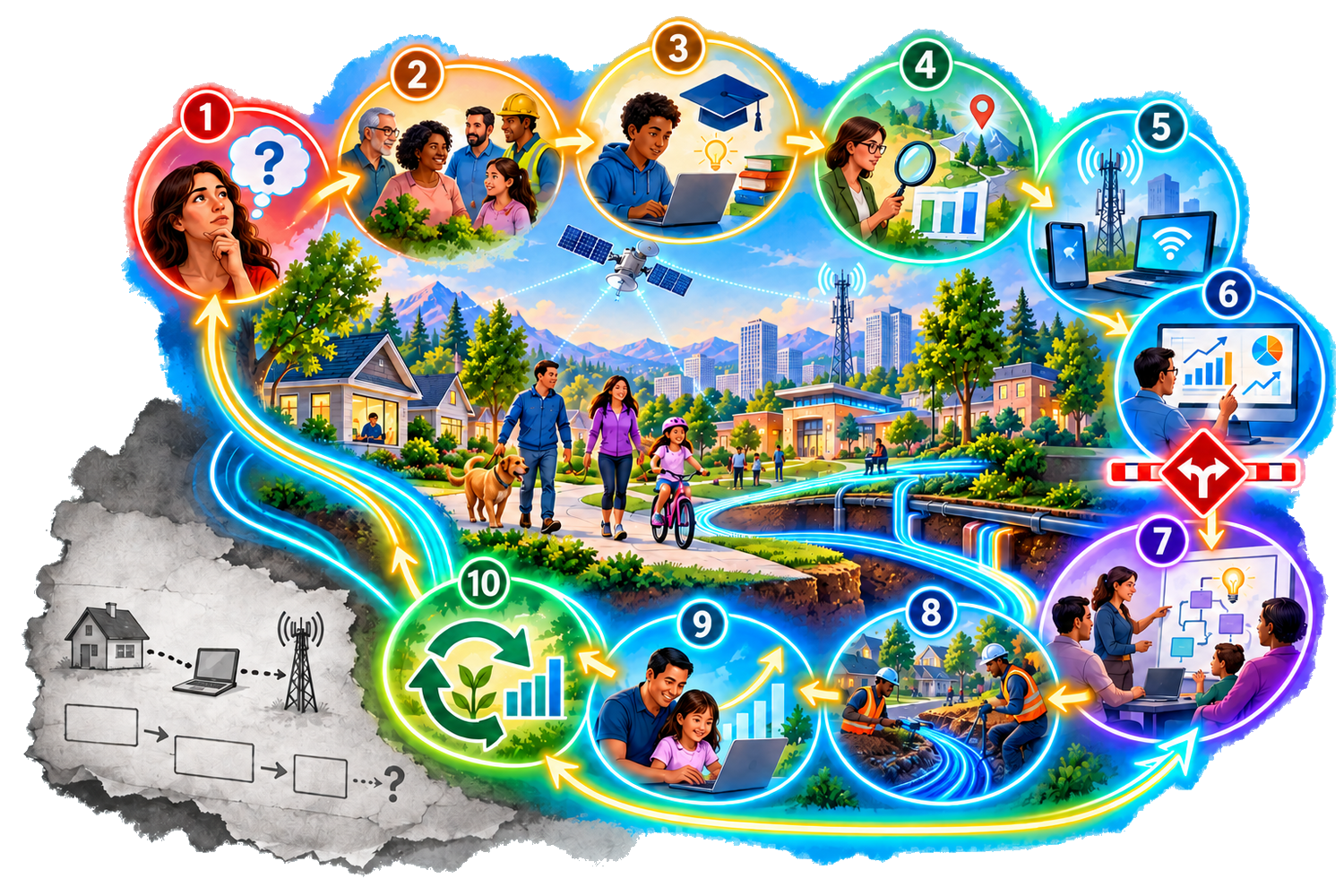 04 · CONTRIBUTION
Actionable Model
A complete research-to-practice architecture with a strategic decision gate and feedback loops.
Explore all phases → 05 · TRANSFER
Applied Cases
Six different divides interpreted through one repeatable framework–without forcing one universal solution.
Compare the cases →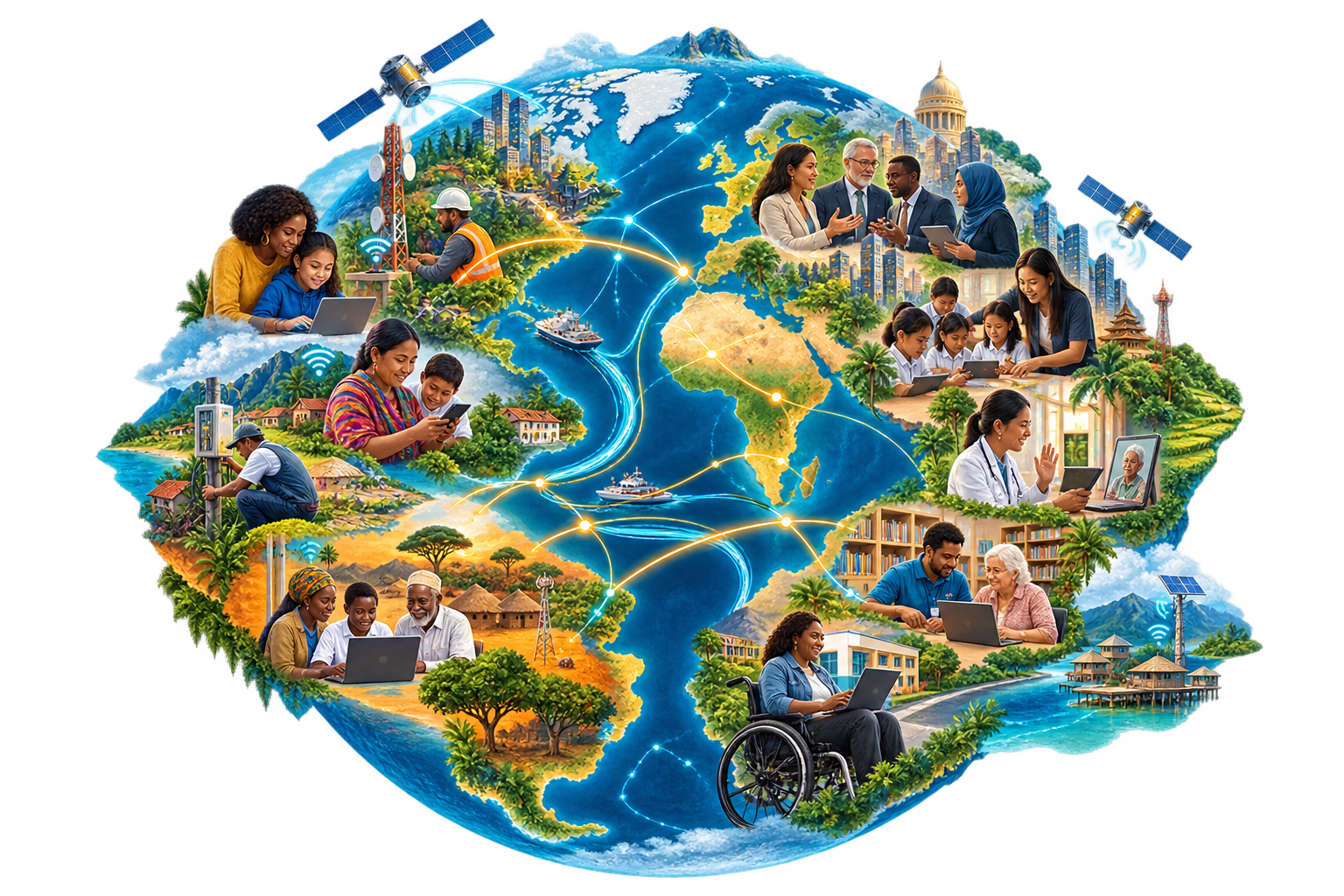 06 · ACTION
Practitioner Guide
Questions, outputs, measures, governance routines, and decision tests for field application.
Put research to work →