Infrastructure and access
- Fiber / Fixed Broadband Infrastructure2
- Community Access / Computing Infrastructure1
- Digital Public Infrastructure1
- Institutional / School Connectivity Infrastructure1
- National digital service platform1
Digital Divide Country Profile · Asia
Closing the digital divide, expanding meaningful connectivity, and advancing digital education and workforce participation.
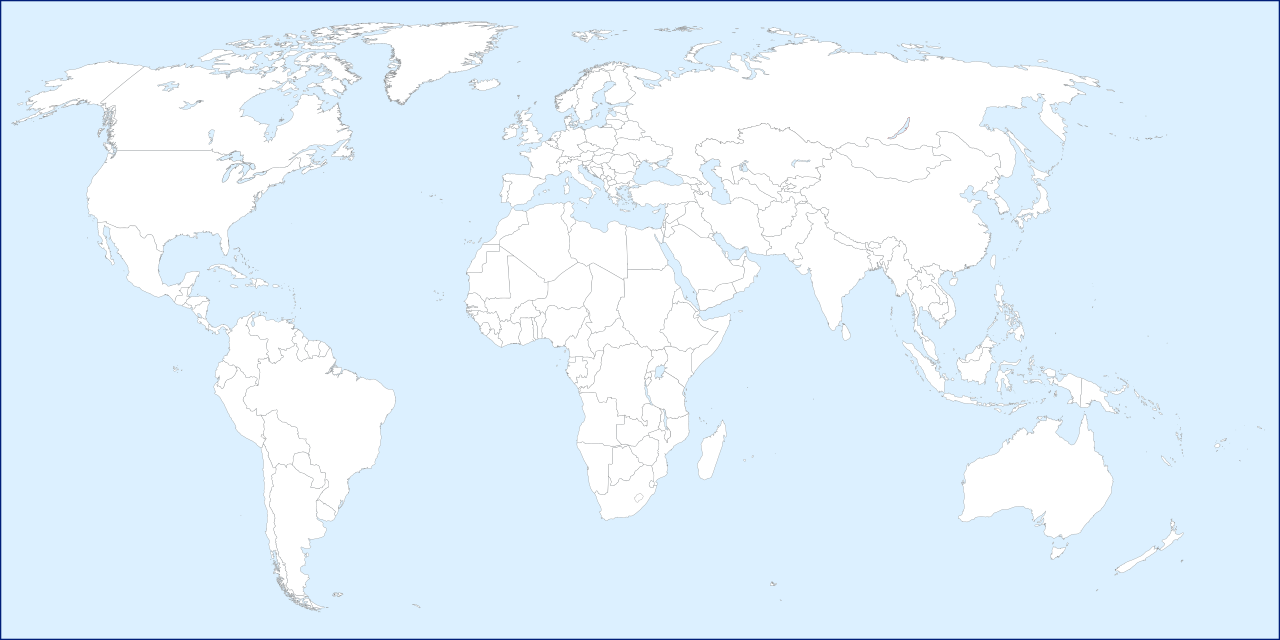
Location in the world

Asia
 Thailand
National digital inclusion context
This profile organizes the initiatives directly connected to Thailand in the global research inventory. It follows the study's country-profile framework: national context, broadband infrastructure, inclusion practices, education and workforce connections, implementation actors, and intended contribution.
The documented portfolio emphasizes Fiber / Fixed Broadband Infrastructure, Community Access / Computing Infrastructure, Digital Public Infrastructure, Wi-Fi, Computer / Desktop PC. The profile treats infrastructure, affordability, capability, institutions, support, and outcomes as an interconnected system.
Portfolio pattern
Counts reflect source-workbook tags. One initiative may appear in multiple infrastructure or technology categories.
Education and workforce
7 initiatives explicitly connect to education, K–12, or college/university contexts, and 4 connect to workforce development. Other investments may enable these outcomes indirectly.
Networks, service availability, devices, and connection quality.
Skills, confidence, accessibility, navigation, and support.
Education, work, health, government, and civic opportunity.
Governance, operations, maintenance, funding, and learning.
Project and initiative portfolio
Every directly tagged record is shown with details and supporting URLs preserved from the research workbook.
Business digital public services
Provides a single online channel for permits, licences and official documents, lowering administrative costs for smaller firms.
Activities and approach: Online certifications, permits, licences and official-document workflows
Unified digital public services
Provides a single digital gateway to services from multiple agencies, reducing travel, fragmentation and repeated authentication barriers.
Activities and approach: Super-app architecture; embedded mini-apps; digital identity; mobile/web access
Accessible civic participation / digital inclusion
Improves digital accessibility of parliamentary processes and creates inclusive public-hearing channels.
Activities and approach: Digital-accessibility improvements; inclusive hearings; disability-inclusion capacity building
Digital skills / lifelong learning
Creates a common national pathway for upskilling citizens and workers in skills needed for digital industries and services.
Activities and approach: Competency framework; registered digital courses; lifelong-learning pathways
Digital credentials / document access
Consolidates verified digital cards and documents in one place, reducing paper, repeated uploads and travel.
Activities and approach: Digital cards; electronic documents; source-linked verification; encrypted government-cloud storage
Digital public infrastructure / interoperability
Allows agencies to reuse verified government data so users face fewer duplicate document requests and disconnected service processes.
Activities and approach: API-based government data exchange; digital registries; access controls; audit logs
Assisted digital public-service access
Provides physical self-service access points to digital government data and benefits.
Activities and approach: Smart-card-enabled kiosks; health, social security, education-loan and identity-related service access
Digital-government institutional capacity
Assesses digital readiness and guides transformation toward more efficient, transparent and participatory legislative services.
Activities and approach: Digital-readiness assessment; transformation strategy; governance and engagement recommendations
Digital identity / trusted transactions
Creates common identity-proofing and authentication standards supporting secure, reusable online access.
Activities and approach: Digital-ID standards; identity proofing; authentication; interoperability
AI access; digital skills; workforce development; digital inclusion
Reduces an emerging AI-access divide by giving a mass public audience access to premium generative-AI tools together with learning and skills resources.
Activities and approach: AiPASS platform; registration for 5 million users; multi-model AI access; integrated learning and skills development
Proactive digital public services
Improves meaningful access by shifting government communication from passive websites to direct service notifications.
Activities and approach: Central notification platform; agency-to-citizen alerts
Community public internet access
Creates staffed community access centers offering computers and high-speed internet to people lacking household connectivity or digital skills.
Activities and approach: Community internet centers; PCs; broadband; basic digital-skills support.
School broadband connectivity
Connects schools in remote areas to public internet, supporting rural learning and giving communities an anchor point for digital access.
Activities and approach: School internet centers; broadband; Wi-Fi; computers.
Remote rural broadband
Extends village-level high-speed internet to a much larger set of remote areas beyond the most isolated Zone C+ locations.
Activities and approach: Village broadband; Wi-Fi; institutional connections; universal-service support.
Very-remote-area broadband and mobile expansion
Extends both mobile signal and fixed high-speed broadband to extremely remote villages, including free Wi-Fi and institutional connections.
Activities and approach: Fiber broadband; mobile towers; village Free Wi-Fi; USO Net centers; school/health links.
Rural village broadband
Government-built high-speed networks bring affordable broadband to villages that private operators would not serve under normal market conditions.
Activities and approach: Village fiber broadband; free/public Wi-Fi; shared rural infrastructure.
Disability digital inclusion / employability
Combines digital, social, communication and financial-literacy training with employer engagement to convert access into employment opportunity.
Activities and approach: Digital-skills training; financial literacy; employability; inclusive-employer support
Evidence boundary
Project records document interventions and intended contributions; they do not alone prove nationwide coverage, causal impact, or durable closure.
Profiles will deepen as national statistics, policy documents, evaluations, and implementation evidence are incorporated. Source links allow inspection of underlying evidence.
These sources support the country-level demographic, geographic, and connectivity context. Sources tied to individual projects remain with their project records and are not repeated here.