Digital Divide Country Profile · Asia

IR

Iran

Closing the digital divide, expanding meaningful connectivity, and advancing digital education and workforce participation.

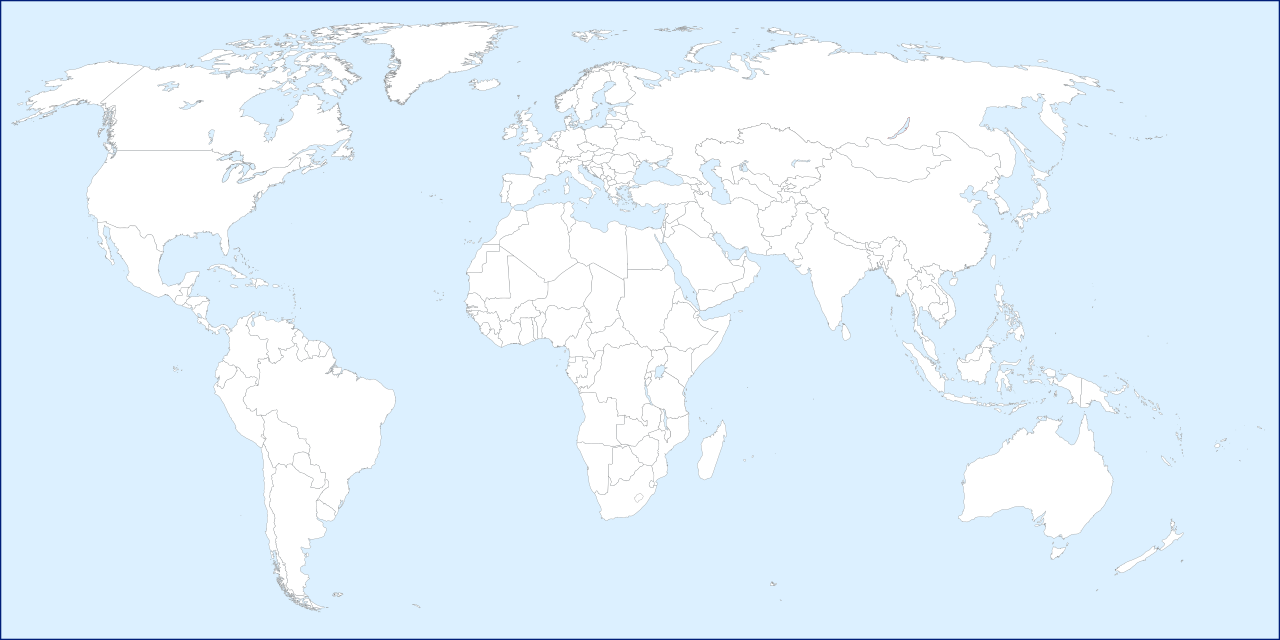
Location in the world
Iran

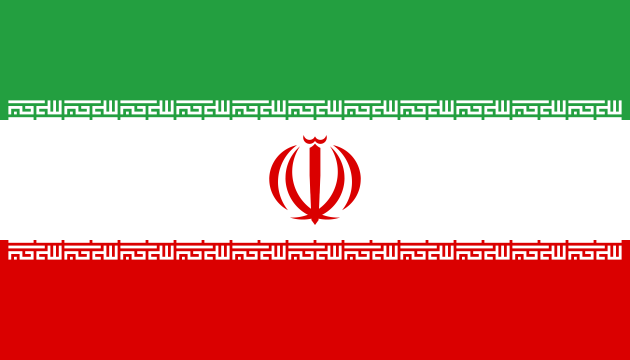
Flag of Iran

Asia

World map showing the location of IranIran
🇮🇷
Population (2024)
91,567,738
Total area
1,648,195 km²
Area in square miles
636,371.39 mi²
Coastline
2,440 km
Base map adapted from Wikimedia Commons. Population: World Bank (2024); geography: CIA World Factbook.

National digital inclusion context

A portfolio-based view of access, capability, and outcomes.

This profile organizes the initiatives directly connected to Iran in the global research inventory. It follows the study's country-profile framework: national context, broadband infrastructure, inclusion practices, education and workforce connections, implementation actors, and intended contribution.

The documented portfolio emphasizes Fiber / Fixed Broadband Infrastructure, Backbone / Backhaul / Middle-Mile Infrastructure, Community Access / Computing Infrastructure, Fiber/Fiber Optic, FTTx. The profile treats infrastructure, affordability, capability, institutions, support, and outcomes as an interconnected system.

Portfolio pattern

What the documented response contains.

Counts reflect source-workbook tags. One initiative may appear in multiple infrastructure or technology categories.

Infrastructure and access

  1. Fiber / Fixed Broadband Infrastructure4
  2. Backbone / Backhaul / Middle-Mile Infrastructure2
  3. Community Access / Computing Infrastructure2
  4. Infrastructure Planning / Mapping / Funding2
  5. Data Center / Cloud Infrastructure1

Specific technologies

  1. Fiber/Fiber Optic3
  2. FTTx3
  3. 4G/LTE1
  4. Data Center/Centre1
  5. FTTB1

Intervention classification

  1. Infrastructure and Specific Technology5
  2. Infrastructure only5

Education and workforce

Connectivity becomes consequential through participation.

0 initiatives explicitly connect to education, K–12, or college/university contexts, and 2 connect to workforce development. Other investments may enable these outcomes indirectly.

Access

Networks, service availability, devices, and connection quality.

Capability

Skills, confidence, accessibility, navigation, and support.

Participation

Education, work, health, government, and civic opportunity.

Sustainability

Governance, operations, maintenance, funding, and learning.

Project and initiative portfolio

10 documented records

Every directly tagged record is shown with details and supporting URLs preserved from the research workbook.

01

National fixed fiber broadband

National FTTx / Fiber Access Project – 20 Million Household Target

2021–2028 · Urban areas nationwide
View details
Status / period2021–2028LocationUrban areas nationwidePopulationHouseholds and businessesOrganizationsMinistry of ICT; Communications Regulatory Commission; operators

Priority national project targets fiber-based broadband access for roughly 20 million households/businesses.

Activities and approach: FTTH/FTTB fiber

Fiber / Fixed Broadband InfrastructureFTTHFTTBFTTx
02

Urban fiber broadband

National Information Network – Fiber to Administrative, Commercial and Residential Premises

2024–2028 · Cities in every province
View details
Status / period2024–2028LocationCities in every provincePopulationAdministrative, commercial and residential premisesOrganizationsMinistry of ICT; private/public partners

Development plan mandates fiber-based access to premises across provincial cities.

Activities and approach: FTTx fiber

Fiber / Fixed Broadband InfrastructureInfrastructure Planning / Mapping / FundingFTTxFiber/Fiber Optic
03

Rural high-speed connectivity

National Information Network – High-Speed Rural Access Mandate

2024–2028 · Villages with >20 households
View details
Status / period2024–2028LocationVillages with >20 householdsPopulationRural residentsOrganizationsMinistry of ICT; private operators

Seventh Development Plan requires high-speed access for villages over 20 households through private/public investment.

Activities and approach: High-speed rural access

Infrastructure Planning / Mapping / Funding
04

National digital backbone

National Information Network – National IP/Data Backbone

2010s–ongoing · Nationwide
View details
Status / period2010s–ongoingLocationNationwidePopulationInternet/service users and providersOrganizationsGovernment of Iran; telecom operators

Builds domestic IP routing, switching and data-centre infrastructure for national-scale digital services.

Activities and approach: IP backbone; routers/switches; data centres

Backbone / Backhaul / Middle-Mile InfrastructureData Center / Cloud InfrastructureData Center/Centre
05

Provincial fiber broadband

Provincial 80% Household Fiber Coverage Requirement

2021–ongoing · All provinces
View details
Status / period2021–ongoingLocationAll provincesPopulationHouseholdsOrganizationsMinistry of ICT; operators

Requires fiber coverage to reach 80% of households in each province, reducing intra-country geographic disparities.

Activities and approach: FTTx fiber

Fiber / Fixed Broadband InfrastructureFTTxFiber/Fiber Optic
06

Community digital access

Rural ICT Offices Programme

2005–ongoing legacy · Rural villages
View details
Status / period2005–ongoing legacyLocationRural villagesPopulationRural residents and small businessesOrganizationsTelecommunication Company of Iran; government agencies

Provides village-based access to Internet, postal, banking and e-government capabilities.

Activities and approach: Telecentre/ICT offices; Internet access

Community Access / Computing Infrastructure
07

Rural broadband

Universal Service – All Villages over 20 Households Connectivity Programme

Ongoing · Villages with more than 20 households
View details
Status / periodOngoingLocationVillages with more than 20 householdsPopulationRural residentsOrganizationsMinistry of ICT; USO

National programme targets high-quality National Information Network/Internet connectivity for all qualifying villages.

Activities and approach: Rural mobile/fixed broadband

Fiber / Fixed Broadband Infrastructure
08

Institutional broadband

Universal Service – Local Government Office Connectivity

Operational USF category · Local government offices
View details
Status / periodOperational USF categoryLocationLocal government officesPopulationRural/local communities and public officialsOrganizationsIran universal-service fund / operators

USF finances connections to local government offices, extending public-service access into underserved areas.

Activities and approach: Institution broadband

Institutional / School Connectivity Infrastructure
09

Community digital access

Universal Service – Multi-Purpose Telecentres

Operational USF category · Rural/underserved communities
View details
Status / periodOperational USF categoryLocationRural/underserved communitiesPopulationResidents and small businessesOrganizationsIran universal-service fund

USF supports multi-purpose telecentres providing shared access to digital services.

Activities and approach: Telecentres; Internet access

Community Access / Computing Infrastructure
10

Rural broadband

USO Connection of 1,000 Villages to High-Speed Network

2022 milestone · 1,000 villages with 20+ households
View details
Status / period2022 milestoneLocation1,000 villages with 20+ householdsPopulationRural residentsOrganizationsMinistry of ICT; USO operators

Connected 1,000 villages to stable high-speed communications as part of rural universal-service rollout.

Activities and approach: 4G/high-speed mobile and backhaul

Mobile / Wireless InfrastructureBackbone / Backhaul / Middle-Mile Infrastructure4G/LTE

Evidence boundary

Read the portfolio as a starting point, not a final verdict.

Project records document interventions and intended contributions; they do not alone prove nationwide coverage, causal impact, or durable closure.

Profiles will deepen as national statistics, policy documents, evaluations, and implementation evidence are incorporated. Source links allow inspection of underlying evidence.

Evidence and contextProfile Sources

These sources support the country-level demographic, geographic, and connectivity context. Sources tied to individual projects remain with their project records and are not repeated here.

  1. Central Intelligence Agency. (n.d.). Iran. The World Factbook. Retrieved September 26, 2026, from https://www.cia.gov/the-world-factbook/countries/iran/
  2. International Telecommunication Union. (n.d.). ITU DataHub: Country ICT data. Retrieved September 26, 2026, from https://datahub.itu.int/
  3. World Bank. (n.d.). Individuals using the Internet (% of population): Iran. World Development Indicators. Retrieved September 26, 2026, from https://data.worldbank.org/indicator/IT.NET.USER.ZS?locations=IR
  4. World Bank. (n.d.). Population, total: Iran. World Development Indicators. Retrieved September 26, 2026, from https://data.worldbank.org/indicator/SP.POP.TOTL?locations=IR

Compare another country.

All country profiles →