Infrastructure and access
- Fiber / Fixed Broadband Infrastructure4
- Digital Public Infrastructure1
- Infrastructure Planning / Mapping / Funding1
- Institutional / School Connectivity Infrastructure1
- Mobile / Wireless Infrastructure1
Digital Divide Country Profile · South America
Closing the digital divide, expanding meaningful connectivity, and advancing digital education and workforce participation.
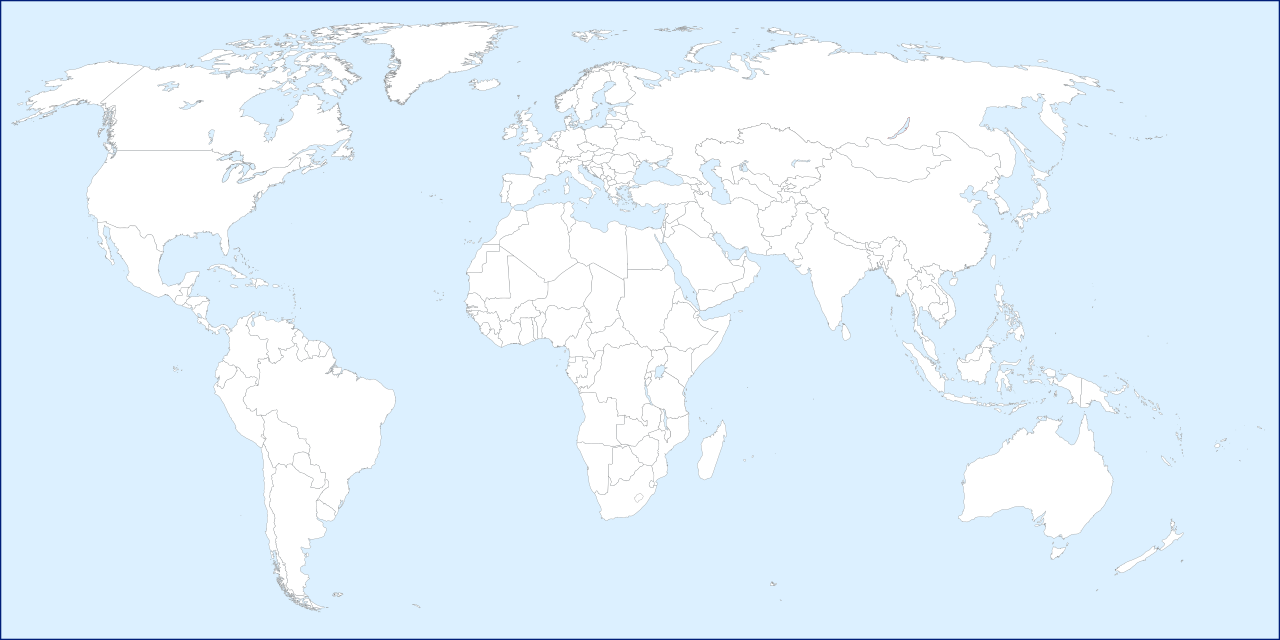
Location in the world

South America
 Uruguay
National digital inclusion context
This profile organizes the initiatives directly connected to Uruguay in the global research inventory. It follows the study's country-profile framework: national context, broadband infrastructure, inclusion practices, education and workforce connections, implementation actors, and intended contribution.
The documented portfolio emphasizes Fiber / Fixed Broadband Infrastructure, Digital Public Infrastructure, Infrastructure Planning / Mapping / Funding, Fiber/Fiber Optic, FTTH. The profile treats infrastructure, affordability, capability, institutions, support, and outcomes as an interconnected system.
Portfolio pattern
Counts reflect source-workbook tags. One initiative may appear in multiple infrastructure or technology categories.
Education and workforce
5 initiatives explicitly connect to education, K–12, or college/university contexts, and 1 connect to workforce development. Other investments may enable these outcomes indirectly.
Networks, service availability, devices, and connection quality.
Skills, confidence, accessibility, navigation, and support.
Education, work, health, government, and civic opportunity.
Governance, operations, maintenance, funding, and learning.
Project and initiative portfolio
Every directly tagged record is shown with details and supporting URLs preserved from the research workbook.
School broadband
Achieved broadband connectivity in every public educational centre and continues bandwidth improvements.
Activities and approach: School broadband; national education network
Digital skills and inclusion
Coordinates digital-skills development across formal education, employment and citizenship.
Activities and approach: National skills strategy; curriculum integration; awareness campaigns; targeted inclusion
Digital public-service quality / meaningful use
Measures usability, clarity and system performance so digital services can be improved based on user experience.
Activities and approach: Embedded satisfaction survey; usability monitoring; service-quality analytics
Digital citizenship / digital literacy
Builds the knowledge, critical thinking and practical skills needed to participate safely and effectively in digital society.
Activities and approach: Digital citizenship framework; free online courses; rights and safety guidance
Digital inclusion research / education innovation
Funds research and innovation on how digital technologies can reduce educational exclusion and improve participation.
Activities and approach: Competitive education-research fund; digital inclusion; attendance interventions
Small-town fiber expansion
Completed fiber coverage for every town above 1,000 residents, reducing territorial connectivity disparities.
Activities and approach: FTTH deployment
Small-town fiber expansion
Extends fiber beyond larger population centres into smaller towns where pure commercial returns are lower.
Activities and approach: FTTH deployment
Unified digital public services
Provides a single entry point to government information, online procedures and personalized services, while retaining multichannel assistance.
Activities and approach: Unified portal; online procedures; citizen profile; WhatsApp/phone/email/in-person support
Accessibility monitoring / accountability
Measures accessibility compliance and identifies where remediation is needed rather than relying only on policy commitments.
Activities and approach: Automated accessibility monitoring; 130 agencies; transaction testing; public reporting
Digital public infrastructure / interoperability
Allows agencies to exchange data securely, reducing duplicate document requests and fragmented services.
Activities and approach: Government data exchange; service integration; reusable utilities; certificates
Digital accessibility / disability inclusion
Requires and supports accessible websites, apps and online services so disability does not become a digital-service barrier.
Activities and approach: Accessibility standards; compliance monitoring; technical guidance; remediation support
Digital health / interoperability
Improves continuity of care through shared digital-health infrastructure and interoperable services.
Activities and approach: Health integration platform; national digital prescriptions; structured data sets
Affordable household broadband
Provides a no-monthly-fee fiber plan with an included data allowance, addressing household affordability barriers.
Activities and approach: FTTH; 10 GB monthly included; free router
Affordable wireless household broadband
Provides a no-monthly-fee wireless Internet option in areas where fiber has not yet been deployed.
Activities and approach: Wireless/LTE Internet; 10 GB included
Digital identity / public-service access
Provides secure reusable identity and integrates multiple identity methods so users can access services without separate credentials for each agency.
Activities and approach: Usuario gub.uy; ID Uruguay federation; multiple security levels; digital certificates
Evidence boundary
Project records document interventions and intended contributions; they do not alone prove nationwide coverage, causal impact, or durable closure.
Profiles will deepen as national statistics, policy documents, evaluations, and implementation evidence are incorporated. Source links allow inspection of underlying evidence.
These sources support the country-level demographic, geographic, and connectivity context. Sources tied to individual projects remain with their project records and are not repeated here.