Infrastructure and access
- Infrastructure Planning / Mapping / Funding237
- Last-Mile / Access Infrastructure163
- Fiber / Fixed Broadband Infrastructure131
- Telecommunications / Broadband Infrastructure84
- Mobile / Wireless Infrastructure63
Digital Divide Country Profile · North America
Closing the digital divide, expanding meaningful connectivity, and advancing digital education and workforce participation.
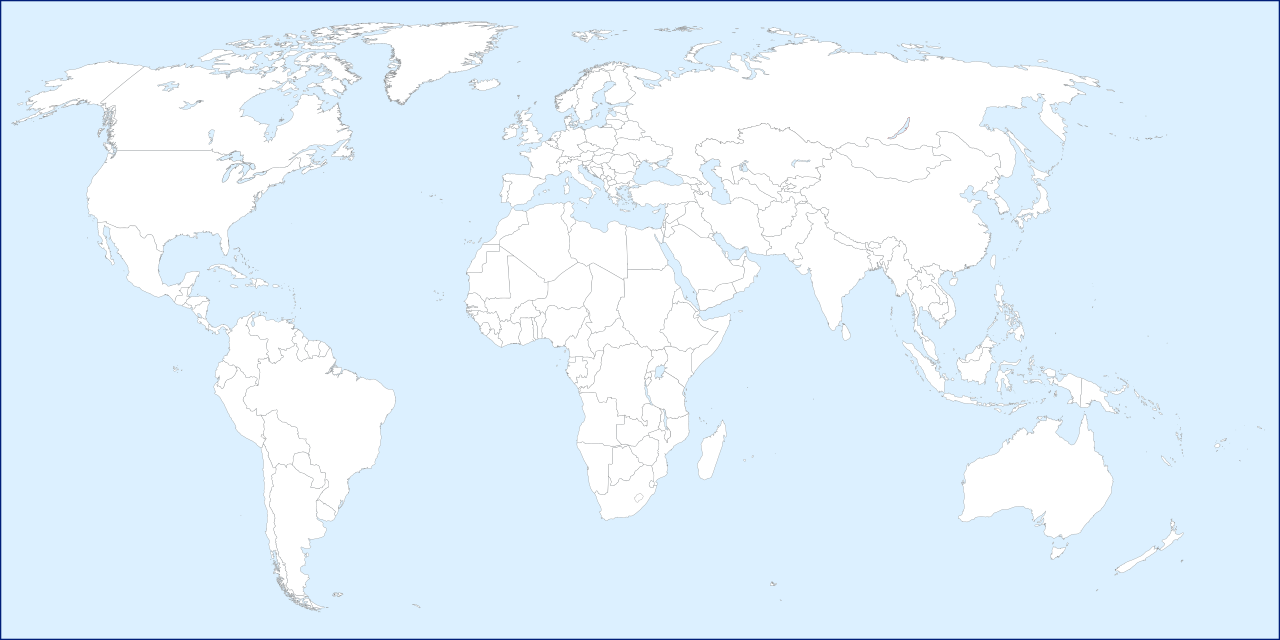
Location in the world

North America
 United States
National digital inclusion context
This profile organizes the initiatives directly connected to United States in the global research inventory. It follows the study's country-profile framework: national context, broadband infrastructure, inclusion practices, education and workforce connections, implementation actors, and intended contribution.
The documented portfolio emphasizes Infrastructure Planning / Mapping / Funding, Last-Mile / Access Infrastructure, Fiber / Fixed Broadband Infrastructure, Fiber/Fiber Optic, Wi-Fi. The profile treats infrastructure, affordability, capability, institutions, support, and outcomes as an interconnected system.
Portfolio pattern
Counts reflect source-workbook tags. One initiative may appear in multiple infrastructure or technology categories.
Education and workforce
504 initiatives explicitly connect to education, K–12, or college/university contexts, and 264 connect to workforce development. Other investments may enable these outcomes indirectly.
Networks, service availability, devices, and connection quality.
Skills, confidence, accessibility, navigation, and support.
Education, work, health, government, and civic opportunity.
Governance, operations, maintenance, funding, and learning.
Project and initiative portfolio
Every directly tagged record is shown with details and supporting URLs preserved from the research workbook.
National broadband benchmark modernization
Would raise the federal benchmark used to measure broadband gaps and direct policy attention toward service capable of supporting modern household, educational, and economic needs.
Activities and approach: Update the national broadband standard from 25 Mbps to 100 Mbps; use a more ambitious benchmark in federal deployment assessment and policy
Educational Broadband Service and 5G spectrum reconfiguration
Reconfigured licensing of unassigned Educational Broadband Service spectrum for flexible use and a commercial overlay auction while retaining existing licenses.
Activities and approach: Overlay auction framework; flexible-use licensing; removal of educational-use restrictions; treatment of existing EBS leases and licenses
Student-connectivity and 5G spectrum proposal
Proposed pairing a voluntary incentive auction for 5G spectrum with dedicated proceeds for student home connectivity.
Activities and approach: Voluntary license relinquishment; nationwide reauction; compensation for EBS licensees; hotspot loans and other Homework Gap programs
Tribal spectrum access and rural broadband deployment
Reserved an early opportunity for Tribal entities to obtain unassigned 2.5 GHz licenses before broader auction assignment.
Activities and approach: Priority application window; local Tribal spectrum licensing; prospective broadband network deployment
School and library internal-connectivity modernization
Closed internal Wi-Fi capacity gaps by redirecting E-Rate resources toward modern networks and measurable broadband capacity goals.
Activities and approach: $1 billion annual Wi-Fi target; short- and long-term capacity goals; phaseout of legacy technologies; pricing transparency; bulk purchasing
Rural broadband infrastructure financing regulation
Reopened and modernized the federal loan and loan-guarantee framework for rural broadband construction and acquisition.
Activities and approach: Updated eligibility, mapping, incumbent review, lending-speed, affordability, and application requirements under 7 CFR Part 1738
Open and usable broadband rulemaking
Sought enforceable safeguards against blocking, discriminatory priority, and opaque network practices that could constrain meaningful use of broadband.
Activities and approach: Transparency enhancements; revived no-blocking rule; commercial-reasonableness screen; Section 706 and Title II analysis; ombudsperson and dispute process
Broadband availability measurement and deployment policy
Raised the federal advanced-broadband benchmark and used the resulting gap analysis to trigger a statutory inquiry into immediate actions to accelerate deployment and adoption.
Activities and approach: Adopt 25 Mbps download/3 Mbps upload fixed benchmark; analyze rural, Tribal, territorial, school, price, quality, and adoption gaps; seek barrier-removal and competition measures
Affordable communications and accessibility regulation
Reduced prohibitive calling costs that constrained family contact and access to communications services.
Activities and approach: Intrastate and interstate rate caps; ancillary-fee limits; flat-rate ban; free or discounted relay service; annual provider reporting; two-year review
Low-income broadband affordability modernization
Proposed restructuring Lifeline around broadband affordability, service quality, provider competition, neutral eligibility verification, and stronger program integrity.
Activities and approach: $9.25 subsidy review; voice and broadband minimum standards; broadband provider requirements; national verifier; benefit-program coordination; vouchers; budget review; eligibility-document retention
Open and usable broadband protections
Established enforceable protections against blocking, throttling, paid prioritization, and unreasonable interference in Internet use.
Activities and approach: Title II reclassification with forbearance; Section 706 and Title III authority; bright-line rules; general conduct standard; transparency; interconnection complaint review; safe-harbor disclosures
Broadband consumer privacy and security regulation
Strengthened trust and meaningful use of broadband by giving consumers control, notice, security, and breach protections for ISP-held data.
Activities and approach: Opt-in consent for sensitive data; opt-out for other identifiable data; persistent notices; reasonable security; breach notification; voice-rule harmonization
Low-income broadband affordability modernization
Converted the Lifeline subsidy into a broadband-capable benefit with service standards, market entry, neutral eligibility verification, and budget controls.
Activities and approach: $9.25 support for stand-alone or bundled broadband; minimum fixed/mobile standards; Lifeline Broadband Providers; National Eligibility Verifier; data transparency; budget trigger
Low-income broadband subsidy administration and accountability
Strengthened the administrative integrity of subsidized communications access so limited support could reach eligible households while restoring state oversight and clarifying carrier responsibilities.
Activities and approach: Restore and clarify state ETC-designation authority; share program data with states; regulate enrollment representatives; improve enrollment and recertification; apply risk-based audits and reimbursement controls
Open Internet consumer-protection legislation
Proposed restoring the FCC’s 2015 Open Internet protections and enforcement authority.
Activities and approach: Congressional bill to reinstate net-neutrality rules; legislative review and debate
Rural telehealth funding administration and rate reform
Updated program administration and support calculations intended to improve transparency, predictability, and allocation of rural health-care connectivity funding.
Activities and approach: Gift rule; competitive-bidding extensions; service-delivery deadlines; accessible program data; median-rate support methodology; prioritization and consortium rules
Lifeline market evaluation and policy recommendations
Evaluated whether Lifeline’s broadband transition, minimum standards, enrollment systems, and provider offerings were closing affordability and adoption gaps, and identified areas for further action.
Activities and approach: Subscriber and usage analysis; broadband-adoption review; minimum-service-standard assessment; rural and Tribal access analysis; affordability and performance-measure recommendations; provider-plan reporting considerations
Federal statistical data program
Provides auditable measures of farm internet access, connection types, devices, and precision-agriculture adoption.
Activities and approach: National census; broadband/cellular/satellite categories; GPS; drones; robotic milking
Rural Health Care Program rate, funding-cap, invoicing, and administration reform
Proposed improving the accuracy, fairness, and speed of rural-health connectivity support while protecting the fund from waste, fraud, and abuse.
Activities and approach: Revisit Telecom Program rate determination and rurality measures; revise service categories and forms; limit the internal cap when demand does not exceed funding; prioritize current-year support; simplify invoicing; expedite commitments
Broadband affordability and universal high-speed access policy
Committed a national party platform to restoring the expired affordability benefit while continuing infrastructure investment toward affordable, reliable high-speed Internet for every household.
Activities and approach: Fight to reinstate the Affordable Connectivity Program; continue Bipartisan Infrastructure Law broadband buildout; pursue universal affordable high-speed access; emphasize access for rural households and people with disabilities
Digital-divide measurement and mapping
Combines infrastructure, adoption, and socioeconomic variables into a descriptive score to guide local discussion and intervention priorities.
Activities and approach: ACS data; Ookla speed data; index construction; state trends; interactive mapping
Broadband deployment standard and universal-service accountability
Raised the federal fixed-broadband standard to reflect modern use and established a forward-looking gigabit goal for measuring deployment progress and the remaining digital divide.
Activities and approach: Adopt 100 Mbps download/20 Mbps upload fixed benchmark; establish 1 Gbps/500 Mbps long-term goal; assess 35/3 Mbps 5G-NR coverage; evaluate affordability, adoption, availability, equitable access, and school connectivity; issue negative Section 706 finding
Technology-neutral subgrants, regulatory simplification, cost efficiency, low-cost service, location optimization, LEO capacity, permitting, and proposal correction
Changes the governing BEAD implementation framework to reopen competition across technologies, prioritize cost efficiency, preserve a statutory low-cost option, and require corrected proposals.
Activities and approach: Remove specified nonstatutory requirements; conduct a Benefit of the Bargain round; evaluate priority and alternative technologies neutrally; permit unlicensed fixed wireless and LEO capacity subgrants under conditions; optimize eligible locations; revise scoring; submit corrected initial and final proposals; apply permitting and performance rules
Mid-band 5G spectrum assignment
Advanced a concrete auction of shared mid-band licenses suitable for broad-coverage 5G service and local wireless innovation.
Activities and approach: Auction of 70 MHz of Priority Access Licenses; revised 3.5 GHz licensing rules; shared-spectrum deployment
Spectrum-sharing and connected-transportation testing
Sought evidence-based coexistence between unlicensed broadband use and vehicle-safety communications.
Activities and approach: FCC-led interference testing and modeling; DOT vehicle-safety testing; stakeholder prototypes; comparable public data; open-docket results
Next-generation wireless deployment strategy
Coordinated spectrum, wireless infrastructure, fiber, and regulatory actions to accelerate secure, reliable 5G deployment.
Activities and approach: Facilitate America’s Superiority in 5G Technology; spectrum auctions; small-cell reform; fiber deployment; regulatory modernization
Rural 5G universal-service fund
Would redirect competitive universal-service support toward advanced rural 5G deployment after MF-II mapping data proved unreliable.
Activities and approach: Reverse auction; 5G rural coverage; precision-agriculture set-aside; mapping-dependent targeting
Unlicensed mid-band spectrum expansion
Expanded unlicensed mid-band capacity for Wi-Fi and other technologies while protecting incumbent users, supporting faster and more reliable local connectivity.
Activities and approach: Opened the full 1,200 MHz 6 GHz band for unlicensed use; interference protections; Wi-Fi and innovation test bed
High-band spectrum and 5G backhaul modernization
Explored expanded use of underused high-band spectrum to improve the links carrying traffic from network edges to core infrastructure.
Activities and approach: Rulemaking proceeding; spectrum-use modernization; reliable 5G backhaul; new-service exploration
Mobile broadband spectrum modernization
Enabled deployment of 4G LTE broadband using a legacy mobile spectrum band.
Activities and approach: Updated cellular-band rules; authorization of LTE broadband services
Mission-critical broadband spectrum modernization
Enabled low-band spectrum to support mission-critical broadband for essential infrastructure industries, improving resilient communications capacity.
Activities and approach: Modernized 900 MHz rules; broadband deployment for critical-infrastructure entities; mission-critical communications
Future-proof broadband capital-investment strategy
Proposed accelerating private investment to near-universal future-proof fixed networks without crowding out existing deployment.
Activities and approach: Flexible direct finance; reverse auctions; matching funds; tax treatment; streamlined siting, pole, dig-once and federal-property processes; oversight
Tribal fiber-to-the-home, interim Wi-Fi, and economic development
Creates reliable, future-proof household connectivity and local economic capacity through a network designed and owned by the Band.
Activities and approach: Conduct feasibility and engineering; deploy interim public hotspots; build FTTH; connect homes and institutions; offer local service and technical support; expand to remaining reservation locations
Hybrid legal services, low-bandwidth tools, accessibility, multilingual support, community access, training, hotlines, and legal technology
Provides practical safeguards and alternatives so digitized courts and legal services do not deny due process or legal assistance to people without reliable access or skills.
Activities and approach: Maintain phone, paper, and in-person options; use accessible low-bandwidth tools; provide multilingual plain-language websites and guides; partner with community centers; host workshops; operate support hotlines; deploy SMS legal aid, kiosks, and accessible AI tools; advocate hybrid court policy
Student device access and education support
Reduces the student device-ownership gap by distributing refurbished laptops through trusted education and community partners.
Activities and approach: Laptop distribution; refurbished devices; community-based student technology access
BEAD eligible-location, provider-match, fiber-maximization, alternative-technology, and affordability analysis
Models how technology choices, program costs, provider match, and affordability requirements affect the share of eligible locations that Texas can serve.
Activities and approach: Estimate eligible locations; model baseline and maximum-fiber scenarios; compare fiber, fixed wireless, and satellite; estimate BEAD and provider capital; analyze cost and low-cost-option sensitivity
High-cost Universal Service Fund modernization
Calls for modern speed obligations, sustainable networks, and affordable service under two existing rural support programs.
Activities and approach: FCC rulemaking; program updates; speed requirements; network sustainability
Federal broadband permitting reform
Would require executive agencies to improve tracking and timely processing of communications-use applications that can delay broadband construction.
Activities and approach: Application-data controls; processing-time tracking; agency improvement plans and reporting
Federal funding inventory, broadband adoption, economic outcomes, dashboards, and program coordination
Connects federal investment data with access, adoption, and economic indicators to improve coordination, transparency, and evidence-based planning.
Activities and approach: Publish annual Federal Broadband Funding Report and Dashboard; coordinate data from 12 agencies and 68 programs; maintain Federal Funding Website; integrate NTIA, ACS, Census, and mapping data in ACCESS BROADBAND Dashboard
Fiber, 5G, LEO satellite, hybrid networks, permitting reform, spectrum, public-private partnerships, and resilience
Proposes a technology-diverse national strategy that combines high-capacity terrestrial networks with wide-reach satellite service and resilient hybrid connectivity.
Activities and approach: Invest in fiber expansion, 5G, network modernization, LEO and high-throughput satellites; streamline terrestrial and satellite permitting; improve spectrum allocation; use BEAD and public-private partnerships; integrate networks with AI-assisted management
Rural telecommunications regulatory relief and capital access legislation
Would reduce disproportionate securities-reporting costs so small providers can focus resources on operating and expanding rural broadband networks.
Activities and approach: Permit streamlined SEC financial reporting for qualifying rural telecommunications providers; reduce compliance burdens
Accessible interoperable communications platform
Extended interoperable text, voice, and high-quality video calling beyond closed relay-service systems.
Activities and approach: Open-source, standards-based desktop and mobile applications interoperable with VRS and TRS providers
Higher-education anchor institution connectivity / rural broadband expansion
using connected community colleges as anchor institutions and launching points for last-mile expansion into underserved rural communities
Activities and approach: Fiber interconnection of colleges, anchor institution participation, middle-mile connectivity and last-mile branching into surrounding areas
Algorithmic-equity and civil-rights audit
Demonstrated disparate false-positive risks that can create a technology-enabled equity divide in policing and public decision making.
Activities and approach: Facial-recognition comparison of members of Congress against mugshots; documentation of false matches
Broadband affordability benefit enhancement
Enabled qualifying providers to offer an enhanced monthly broadband discount where standard support could not sustain network operations.
Activities and approach: Economic-hardship applications; income statements; affidavits; USAC review; public approval list
Federal navigator outreach grants
Funded public institutions to help households complete ACP applications using trusted navigator access.
Activities and approach: Community outreach; National Verifier assistance; eligibility, merit, and risk review
Broadband affordability data, price transparency, and program evaluation
Established recurring evidence on the prices, subscriptions, speeds, data limits, and out-of-pocket costs associated with subsidized broadband plans.
Activities and approach: Require annual provider filings; collect plan identifiers, prices, fees, subscription counts, speeds, latency, data caps and overages; protect PII and proprietary data; publish machine-readable results; evaluate ACP performance and digital-equity impacts
Remote institutional broadband extension
closing geographic connectivity gaps for essential education and healthcare institutions using existing infrastructure
Activities and approach: Regional carriers deploy hybrid fiber-copper networking to extend broadband into remote schools and healthcare sites
BEAD deployment grants, rural prioritization, fiber preference, technology-neutral eligibility, mapping, and subgrantee selection
Moves Colorado’s BEAD allocation into an open state competition designed to achieve universal reliable broadband coverage.
Activities and approach: Accept applications; publish eligible locations and maps; score proposals; prioritize rural areas and fiber while allowing other compliant technologies; award grants to providers, cooperatives, nonprofits, and local governments
Community-based veterans telehealth access points
Established private, comfortable community sites where veterans could connect by broadband to VA health-care providers.
Activities and approach: Local telehealth access stations; community, private-company, and veterans-organization partnerships; digital-literacy support
NTIA waivers, reduced plan micromanagement, technology neutrality, and transitional LEO subsidies
Seeks faster near-term connectivity and less costly implementation by increasing state flexibility and permitting interim technologies while permanent networks are built.
Activities and approach: Waive nonstatutory fiber, workforce, and price requirements; simplify NTIA review and challenge processes; allow a portion of allocations for transitional LEO coupons or other niche technologies; preserve technology neutrality
Federal household broadband subsidy
Reduced monthly broadband costs and offered enhanced support for qualifying Tribal households.
Activities and approach: Monthly service subsidy; eligibility through assistance programs
Federal broadband affordability subsidy
Directly lowers the cost of home or mobile broadband and offers a device discount, enabling education, work, telehealth, and digital participation.
Activities and approach: $30/month discount; up to $75/month on Tribal lands/high-cost areas; one-time device discount up to $100.
Federal broadband affordability legislation
Proposed additional appropriations to extend the ACP while Congress considered longer-term broadband affordability policy.
Activities and approach: Federal legislation; ACP reauthorization and funding extension
Trusted-navigator enrollment pilot
Reduced enrollment friction by allowing trained, neutral public entities to assist applicants through the National Verifier.
Activities and approach: National Verifier access; representative registration; training and office hours; application assistance
Federal benefit transition and consumer-protection action
Reduced bill shock and service disruption as finite ACP funding approached depletion.
Activities and approach: Consumer and provider notices; enrollment freeze; claims timing; partial-month guidance; transition to low-income offerings
K-12 AI education grant program / digital equity policy
The proposed program targets an emerging AI access and skills divide by expanding school access to AI tools, dedicated learning environments, curricula, and teacher capacity. It is designed to reduce disparities between students who already have access to advanced AI learning resources and those whose schools lack comparable technology and instructional support.
Activities and approach: Create or use a U.S. Department of Education grant program for dedicated AI labs; support AI curriculum and teacher training; examine equitable distribution of AI resources; strengthen AI literacy and readiness
Higher-education AI access, literacy, teaching and workforce preparation
Democratizes access to advanced AI tools and training across a large public university system so students at differently resourced campuses can develop AI literacy and workforce skills.
Activities and approach: Systemwide AI tools and training; ChatGPT Edu; AI Commons Hub; AI Workforce Acceleration Board; faculty development; AI literacy; micro-internships and applied learning
Higher-education and workforce AI-literacy credential initiative
addressing unequal access to AI skills by providing a free, structured statewide micro-credential pathway
Activities and approach: Free online AI literacy micro-credential; university-industry-government curriculum and credentialing partnership
Library broadband, Wi-Fi, hotspot, device, and technology-support research
Documents and disseminates scalable library practices that sustained connectivity during COVID-19 and informs long-term investment in library broadband and digital inclusion.
Activities and approach: Synthesize nationwide practices and cases; document outdoor Wi-Fi, hotspot and device lending, mobile access, technical support, partnerships, and emergency funding; publish policy findings and investment recommendations
Library-centered digital equity implementation
Calls for libraries to be embedded in state and local digital equity governance and funding as trusted, scalable delivery partners with established community reach and infrastructure.
Activities and approach: State library agency participation; school and academic library inclusion; streamlined grant eligibility; collaborative models; national aggregation of outcomes and best practices
Fiber backbone, middle mile, last-mile interconnection, community anchors, rural connectivity, healthcare, education, and economic development
Builds a statewide fiber backbone that enables local last-mile providers to reach residents and directly strengthens anchor-institution connectivity.
Activities and approach: Construct middle-mile fiber across all counties; connect medical and educational anchors; provide interconnection opportunities for local ISPs; coordinate elected officials and local leaders; leverage time-limited state and federal funds; support last-mile expansion
Rural distance education and broadband-enabled learning
Reduced geographic barriers to learning through portable recording and live-streaming technology.
Activities and approach: Five portable Mediasite kits; recorded repository; live streaming.
Countywide rural broadband infrastructure
Combines state, federal, county, and cooperative resources to extend fiber-grade service to remaining rural locations and reach universal county coverage.
Activities and approach: Earlier VATI-supported DSL projects; VATI FY2022 award; $2 million U.S. Treasury ARPA contribution; Firefly Fiber Broadband construction; 7,000-mile regional cooperative network leverage
Rural electric-cooperative broadband experiment
Used federal experimental universal-service support to extend broadband infrastructure through a locally rooted electric cooperative.
Activities and approach: Participate in the FCC Connect America Fund Rural Broadband Experiments Program; deploy rural broadband through cooperative infrastructure and governance
Rural digital skills, workforce development, and research connectivity
Used cooperative broadband infrastructure to deliver online workforce training and connect a remote community with national research and conservation partners.
Activities and approach: Operate a nonprofit research site; collaborate with universities; support wildlife and conservation projects; provide online workforce-development training
Rural cooperative fiber and emergency communications
Created member-owned telephone and fiber broadband infrastructure where residents previously lacked dependable communications and emergency access.
Activities and approach: Form a community cooperative; build telephone service and an FTTH network; provide broadband and emergency connectivity; support local research activity
Pre-health student training, patient digital navigation, telehealth, portals, language access, and human support
Pairs trained pre-health students with patients so digital portals, video visits, and related tools become usable and culturally responsive rather than new barriers to care.
Activities and approach: Train pre-health students as Alma Fellows; provide compassionate one-to-one digital navigation; help patients use portals and video visits; build culturally and linguistically responsive support
Permitting deadlines, deemed-granted relief, local review, wireless and terrestrial deployment, and regulatory certainty
Would impose enforceable permit timelines so broadband projects cannot be indefinitely delayed, while retaining a defined local-government review role.
Activities and approach: Codify FCC permitting reforms; establish shot clocks; automatically grant qualifying permits when authorities miss deadlines; extend a similar framework to terrestrial broadband; monitor consistency and transparency; encourage early provider-authority communication
Employment-focused assisted digital access
Provided free Internet and in-person help so veterans could reach online employment and training resources.
Activities and approach: Free public Internet; CareerOneStop tools; specialist navigation; veteran-focused employment resources
Coal-community broadband, digital-economy, capacity, equity, and post-close outcomes
Assesses how the POWER portfolio—including broadband planning and deployment projects—builds community capacity, supports remote work and business opportunities, reaches underserved groups, and sustains results.
Activities and approach: Review ARC grant and closeout data for 137 projects; interview closed-project staff; survey grantees; analyze outputs, outcomes, equity reach, sustained impacts, and measurement quality; recommend evaluation improvements
Local broadband network deployment
expanding high-speed broadband availability to locations that previously lacked adequate service or greater choice
Activities and approach: Fiber construction completed August 2026 and commercial service launched
Accessible government services, local and Tribal planning, telehealth access, and specialist capacity
Builds local implementation capacity and makes digital public services and health access more inclusive through trained specialists, accessibility standards, dashboards, and navigated support.
Activities and approach: Form accessibility task force; develop standards toolkit and training; designate and train Local and Tribal Digital Equity Specialists; support local plans and grant readiness; map resources; establish telehealth access points and bilingual Digital Health Navigators
Device affordability, accessibility, refurbishment, distribution, and technical support
Creates a sustainable statewide ecosystem for appropriate devices by combining local distribution centers, donation and refurbishment partnerships, affordability benchmarks, mapping, and user support.
Activities and approach: Define center criteria and affordability benchmark; map resources; run awareness campaigns; coordinate device providers and reentry partners; solicit donations and subsidies; promote refurbishment; match devices and assistive features to individual needs
Universal deployment, data-driven grants, affordability, devices, skills, workforce, anchor connectivity, coordination, permitting, and transparency
Establishes Arizona’s initial roadmap for using nearly $1 billion to achieve universal 100/20 Mbps service while coordinating adoption, affordability, workforce, anchor, and public-sector outcomes.
Activities and approach: Identify eligible locations; mitigate deployment and regulatory barriers; streamline permitting and rights of way; run competitive data-driven grants; prefer end-to-end fiber below EHCPLT; coordinate middle-mile and public investments; require affordable options; support devices, digital skills, workforce, community anchors, and transparent engagement
Broadband deployment, competitive subgrants, affordability, workforce, permitting, climate resilience, and program administration
Translates Arizona’s BEAD objectives into operational rules for universal connectivity, subgrantee selection, low-cost service, workforce readiness, permitting, and accountability.
Activities and approach: Run fair deployment and non-deployment competitions; prioritize universal coverage; require 100/20 Mbps service and qualifying CAI connectivity; coordinate locally and with Tribes; apply affordability scoring and a low-cost option; develop workforce capacity; streamline permitting; monitor performance
School-connectivity initiative
Uses E-Rate and state coordination to connect schools while highlighting the remaining home-access gap.
Activities and approach: School broadband; E-Rate coordination
Comprehensive digital equity planning and coordination
Establishes a statewide framework integrating infrastructure, affordability, inclusive public services, navigation, workforce skills, online safety, appropriate devices, and local and Tribal implementation.
Activities and approach: Implement five goals and measurable objectives; coordinate state agencies, Tribal and local governments, community organizations, libraries, health and workforce partners; align with BEAD; monitor progress through working groups and data
Digital literacy, navigation, workforce development, corrections education, and K–12 credentialing
Expands tailored, multilingual training and navigation while connecting digital inclusion to BEAD jobs, education, reentry, and a recognized high-school literacy credential.
Activities and approach: Map training gaps; expand navigator networks and train-the-trainer programs; provide multilingual resources; assess skills over repeated interactions; coordinate workforce training and apprenticeships; create State Seal of Digital Literacy; deliver corrections programming
Program governance, agency roles, last-mile integration, funding coordination, procurement, and performance oversight
Creates durable governance so corridor investments, state assets, grants, public needs, and last-mile programs function as one statewide system.
Activities and approach: Establish Broadband Office governance structure; expand coordination authority; define roles for ADOT, ADOA, education and Sun Corridor partners; integrate last-mile grants; evaluate ROI; inventory and maximize state fiber and conduit; support policy and regulatory changes
Open-access fiber along priority interstate corridors, public procurement, interconnection points, and co-investment
Prioritizes backbone routes that can lower last-mile costs, increase provider choice, connect population centers, and support public-sector communications.
Activities and approach: Complete commercial due diligence and market outreach; assess state-led and private delivery; procure open-access corridors; establish points of presence; aggregate public needs; coordinate rights of way, grants, and co-investment
BEAD deployment support, low-cost plans, affordability outreach, and navigator assistance
Coordinates infrastructure investment with trusted enrollment support and public information so availability gains lead to affordable household adoption.
Activities and approach: Identify locations below 100/20 Mbps; streamline permitting and rights of way; run data-driven infrastructure grants; train and support digital navigators; collaborate with ISPs; promote ACP successors and other low-cost offers; publicize free anchor access
State-route fiber segments, open access, public-private delivery, and last-mile enablement
Extends backbone capacity beyond interstate corridors to communities that otherwise remain too distant or costly for last-mile investment.
Activities and approach: Validate priority segments; conduct commercial due diligence and stakeholder consultation; assess public and private implementation; coordinate local, Tribal, utility, and provider participation; create interconnection points
Cybersecurity awareness and safe digital participation
Reduces safety and privacy barriers to adoption by providing accessible cyber-awareness training and trusted, multichannel outreach.
Activities and approach: Partner with the Arizona Department of Homeland Security; deliver online-safety and cybersecurity training; share threat information; conduct in-person Tribal engagement; use radio, billboards, flyers, social media, and public forums
Statewide broadband funding, coverage planning, and deployment management
directing BEAD funds and an end-to-end project-management process toward universal coverage of eligible Arkansas locations
Activities and approach: BEAD grant awards; coverage analysis; provider selection; digital BEAD Fund Manager platform; compliance and deployment oversight
Community/cooperative broadband infrastructure funding
ARPA subsidies supported community-owned/cooperative fiber expansions offering low-cost gigabit service in some markets.
Activities and approach: Fiber; community/cooperative networks
Rural cooperative fiber deployment and local matching investment
Combined federal stimulus and county funding to make a capital-intensive cooperative fiber network feasible in a sparsely populated region.
Activities and approach: Plan and construct cooperative fiber infrastructure; combine federal stimulus support with a county grant; extend high-capacity service across the project area
Broadband availability, adoption, resilience, investment, and policy accountability
Introduced broadband as a graded national infrastructure category and paired a C+ assessment with actionable funding, data, uptake, resilience, and construction recommendations.
Activities and approach: Assess access, adoption, financing, workforce, cybersecurity, and resilience; assign a grade; recommend predictable affordability funding, improved service data, state reporting, vulnerable-community partnerships, life-cycle planning, dig-once policies, and current pole standards
Connected learning center / device and skills access
Provides a community location for connectivity, computers, digital learning and device support.
Activities and approach: Connected Learning Center resources; free laptops; digital learning support
Community technology access / digital literacy / free internet and computer access
Creates trusted community access points offering free internet, computers, and digital literacy support, thereby combining access, device availability, skills, and adoption support in one local setting.
Activities and approach: Operate community access centers; provide internet access and computers; deliver digital literacy support; partner with local nonprofit and community organizations
Device distribution and family digital-literacy initiative
Provides refurbished laptops and workshops so parents can support children’s online learning.
Activities and approach: Laptop refurbishment and distribution; customized workshops
Device distribution and digital-literacy initiative
Provides refurbished laptops and school supplies to improve internet access, education, employment, and independent living.
Activities and approach: Laptop refurbishment and distribution; nonprofit recipient selection; school-supply distribution
Community connected learning center
providing a stable community location for free internet, computers and learning support under AT&T’s national Connected Learning Center network
Activities and approach: Connected computer lab; free internet; educational and digital-skills resources
Mobile broadband transparency and consumer-protection action
Enforced accurate disclosure of network-management practices and data-plan limitations so consumers could make informed connectivity choices.
Activities and approach: $100 million proposed forfeiture; investigation of Maximum Bit Rate policy; enforcement of Open Internet Transparency Rule
Veteran broadband and wireless affordability
Lowered recurring fixed and mobile connectivity costs for veterans.
Activities and approach: 25% discount on eligible wireless plans; $15 monthly discount on selected broadband services
Low-income broadband subsidy and adoption outreach
Reduced price, equipment, installation, and awareness barriers for qualifying low-income households through a tiered home-broadband offer and targeted enrollment outreach.
Activities and approach: Offer up to 10 or 5 Mbps for no more than $10 monthly and 3 Mbps for no more than $5; waive installation and modem fees; conduct community, school, and media outreach; file reports
Anchor-institution fiber and gigabit service
Extended gigabit-capable fiber offers to education and library anchors that can provide high-capacity access and community digital resources.
Activities and approach: Offer 1 Gbps FTTP service; identify eligible institutions; conduct outreach; provide deployment and subscription reporting
Fiber broadband infrastructure deployment
Expanded fiber-to-the-premises availability to 12.5 million customer locations beyond AT&T’s pre-merger plans, with explicit attention to underserved geographies.
Activities and approach: Build and offer FTTP capable of high-speed broadband to 12.5 million mass-market locations; document incremental deployment; report progress and compliance
Broadband affordability, nondiscrimination, and network transparency
Protected broadband affordability and open access by limiting discriminatory data-allowance practices and requiring public interconnection-performance disclosures.
Activities and approach: Apply equivalent usage-based allowance terms without favoring affiliated video; disclose interconnection agreements, capacity, utilization, and congestion metrics; certify compliance
County-ISP fiber PPP
Completed a $40 million fiber build using county ARPA funding, AT&T investment, competitive procurement, and permitting support.
Activities and approach: Fiber deployment; RFP; ARPA match; permits; rights-of-way
Youth device-access initiative
reducing the home-device barrier by giving young people individual refurbished computers
Activities and approach: Distribution of 100 refurbished laptop/Chromebook devices through a community youth organization
Youth device-access initiative
reducing the home-device barrier for students and families
Activities and approach: Distribution of refurbished laptops to youth through a community organization
Fiber-to-the-premises, public-private partnership, urban broadband expansion, and digital-divide reduction
Extends fiber to a large concentration of disconnected urban premises through a city-provider partnership.
Activities and approach: Plan and construct fiber facilities; coordinate municipal and provider deployment; connect more than 22,000 locations; document community experience through public awareness media
Student device access and back-to-school support
placing computers directly with students who may otherwise lack adequate devices for school participation.
Activities and approach: Distribute laptops and backpacks through a community partnership
Device reuse and digital-access distribution initiative
reducing the device gap while linking e-waste recycling with community technology access
Activities and approach: Distribution of 100 refurbished laptops in Atlanta as part of a 1,000-laptop back-to-school effort and AT&T retail e-waste campaign
Device access; e-waste reuse; student and family digital inclusion
Provides free refurbished laptops to households that lack devices while linking device access to an e-waste reuse model that can generate additional computers for community distribution.
Activities and approach: Distribution of 115 refurbished laptops; national Retail E-Waste Campaign; Compudopt refurbishment; lottery selection
Student device-access initiative
closing the device-access gap for students at the start of the school year
Activities and approach: Distribution of 100 refurbished laptops and backpacks with school supplies through a local community event
Device access / digital inclusion / community technology support
Provides direct device access to households facing economic barriers and connects that hardware support to broader technology education and internet-access assistance, reducing the device and adoption components of the digital divide.
Activities and approach: Donation and distribution of 67 refurbished laptops; device refurbishment; technology education; internet-access assistance
Student device access initiative
providing personal computers to students who lack the technology needed for schoolwork and digital learning.
Activities and approach: Distribute 66 laptops to students through community partners
Device access, digital literacy and veteran workforce support
Pairs digital-literacy instruction with take-home computer access, addressing the common gap in which participants receive training but lack a reliable device afterward.
Activities and approach: 205 refurbished laptop distribution; digital literacy classes; employment and service access; device refurbishment
Device reuse, digital inclusion and student access initiative
converting collected e-waste into refurbished computers with connectivity and software, reducing device and affordability barriers for selected local residents.
Activities and approach: Collect e-waste; refurbish laptops; lottery-based recipient selection; distribute laptops with service, internet and Microsoft Office
Affordable connectivity / devices / digital literacy
Combines subsidized connectivity, technology access and digital-literacy resources at national scale through a long-running nonprofit partnership.
Activities and approach: Affordable internet support; devices; digital-literacy resources; community distribution and support
Student device access and back-to-school support
providing school-use technology directly to children who might otherwise lack an adequate computer.
Activities and approach: Distribute laptops and backpacks to YMCA students; support school-year technology access
Fiber-to-the-premises construction, public-private economic development, neighborhood coverage, and high-speed service
Builds a new fiber network intended to overcome chronic underinvestment and make high-speed fixed broadband broadly available across East Cleveland.
Activities and approach: Construct fiber infrastructure; coordinate public-private implementation; extend service availability across the city; complete and activate the network
Older-adult digital inclusion / virtual reality training / immersive digital therapeutics
Reduces adoption and confidence barriers among older adults by providing guided exposure to emerging digital tools in a trusted community setting and linking immersive applications to reliable connectivity.
Activities and approach: Hands-on VR training; guided immersive travel and learning experiences; cognitive and therapeutic activities; 5G-connected headsets; hotspot/Wi-Fi connectivity; remote device management and analytics
Digital skills and adoption support / funding
Builds digital capability and adoption support for people and communities affected by digital exclusion, addressing skills and participation barriers.
Activities and approach: Digital-skills training; adoption support
Community connected learning center
providing free connected computing infrastructure and learning support in a community technology hub
Activities and approach: High-speed fiber/Wi-Fi; 15 computers; educational tools and digital-skills support
5G spectrum allocation
Made a record quantity of high-band spectrum available for expanded 5G capacity and service.
Activities and approach: Incentive-auction procedures; simultaneous sale of 3,400 MHz across three bands
Benefit eligibility verification infrastructure
Reduced enrollment burden and fraud through automated initial and ongoing eligibility verification.
Activities and approach: Government-data matching; automated eligibility verification; integration of common qualifying programs
Rural small-business digital skills
Tailored technology mentoring to improve rural business efficiency and growth.
Activities and approach: Needs assessment; customized technology training; mentoring.
Municipal digital-inclusion strategy
Coordinates fiber, devices, skills, technical support, affordability, data, partnerships, and sustainable funding to narrow the city's digital divide.
Activities and approach: Strategic planning; community engagement; fiber; devices; training; support
Digital-skills and technical-support network
Builds culturally competent training, train-the-trainer capacity, academic and health partnerships, and neighborhood technology-support hubs.
Activities and approach: Digital skills; multilingual materials; train-the-trainer; tech hubs; technical support
Municipal fiber and backbone expansion
Prioritizes future-proof fiber, new backbone and connection investments, competition, and deployment to public housing.
Activities and approach: Municipal fiber; backbone expansion; leased access; public-private partnerships
Affordability and broadband-adoption initiative
Expands outreach, helps residents access subsidized services, reduces enrollment barriers, and seeks sustainable funding after ACP uncertainty.
Activities and approach: ACP outreach; enrollment assistance; agency coordination; sustainability planning
Rural electric-cooperative broadband experiment
Used federal experimental universal-service support to finance cooperative broadband expansion in underserved rural Virginia.
Activities and approach: Participate in the FCC Connect America Fund Rural Broadband Experiments Program; build rural broadband through electric-cooperative infrastructure
Software-development workforce program
Provides intensive coding, application development, and leadership preparation for software careers.
Activities and approach: Coding; app development; workplace and leadership skills
Digital navigation / public library technology assistance
Addresses the skills and support side of the digital divide by providing trusted local assistance for device use, online services, and digital participation.
Activities and approach: Digital navigator; one-on-one tech assistance; workshops; public computer and Wi-Fi support; hotspot guidance
Federal-state broadband deployment
Moves BEAD from planning into approved implementation, enabling network construction and service delivery.
Activities and approach: State final proposals; award agreements; technology-neutral deployment
Broadband mapping and eligibility process
New FCC maps and state challenge processes improve targeting and reduce waste from inaccurate eligibility data.
Activities and approach: National Broadband Map; challenges; location-specific program design
Future-proof fiber, long-term infrastructure planning, scalable capacity, rural equity, and grant scoring
Would evaluate broadband as a 30-year public investment and prioritize fiber designed for projected 2055 demand rather than treating today’s minimum threshold as the final outcome.
Activities and approach: Set a 10 Gbps target; prioritize fiber-to-the-premises where grid power exists; assess lifecycle capacity; distinguish eligibility thresholds from long-term build standards; use grant scoring to favor scalable networks
Federal-state broadband adoption and infrastructure
Original BEAD rules allowed cybersecurity training, remote learning, digital navigators, subsidies, workforce and coordination alongside infrastructure.
Activities and approach: Broadband deployment; adoption; workforce; navigators; remote learning
Broadband affordability, subsidy, and pricing analysis
Evaluates how low-cost options, price restraints, subsidy design, and competitive awards could affect affordability, deployment, adoption, and long-term investment.
Activities and approach: Legal and economic analysis; low-cost service options; competitive bidding; subsidy and price-policy recommendations
Environmental and historic review, categorical exclusions, federal-land permitting, asset liens, compliance cost, and provider participation
Seeks to reduce avoidable compliance cost and delay while preserving public-interest protections, thereby increasing provider participation and accelerating deployment.
Activities and approach: Waive full environmental and historic reviews when projects meet categorical exclusions; apply streamlined treatment to occupied federal-land corridors; replace broad asset-lien requirements with less intrusive public-interest safeguards; clarify compliance rules
Federal grant-administration policy
Allows eligible entities to structure qualifying broadband-infrastructure subawards as fixed amounts when scope and pricing evidence support the award.
Activities and approach: Fixed-amount subawards; measurable goals; cost and pricing analysis; monitoring
Federal-state broadband deployment program
Provides large-scale infrastructure funding complementary to digital equity programs.
Activities and approach: Broadband infrastructure deployment
Federal broadband-technology selection framework
Defines the hierarchy and technical standards for fiber, other reliable broadband, fixed wireless, unlicensed wireless, and LEO satellite proposals.
Activities and approach: Technology definitions; 100/20 standards; latency; high-cost threshold; competitive scoring
Federal technology-selection and universal-coverage policy
Guides states toward priority fiber and reliable broadband while allowing alternative technologies for high-cost locations and requiring documentation of universal-coverage efforts.
Activities and approach: Applicant competition; fixed subawards; project-area aggregation; high-cost designations; alternative technology; affordability and scalability assessment
State broadband-affordability outreach
Coordinates statewide promotion, local meetings, and potential enrollment events to increase awareness and use of broadband subsidies.
Activities and approach: ACP education; flyers; town halls; partner coordination; enrollment events
County broadband completion using fiber and satellite technologies
closing the final identified coverage gaps in Bedford County through a mix of fiber and low-Earth-orbit satellite service
Activities and approach: BEAD funding; ZiTel fiber construction for most locations; LEO satellite service for harder-to-reach locations; county/federal coordination
Municipal broadband / private wireless / public Wi-Fi / edge infrastructure / workforce development
Creates a lower-cost municipal connectivity model combining a private wireless network, public Wi-Fi, edge infrastructure and public-private financing, with planned replication in smaller U.S. cities.
Activities and approach: Private wireless municipal network; solar-powered micro-servers; edge computing; AI-based cybersecurity; public Wi-Fi; towers on public buildings; student wireless-technician training; phased city replication
Cooperative technology-oriented economic-development project
Combines advanced communications infrastructure with business-development space to strengthen the rural technology economy.
Activities and approach: Technology park; advanced communications; cooperative development
Rural broadband utilization and economic-development analysis
Measures how broadband adoption and locally rooted providers relate to business formation, income, GDP, and resilience.
Activities and approach: Propensity-score matching; county data analysis; rural case study; policy recommendations
Educational digital infrastructure and institutional capacity investment
Would reduce institutional technology disparities by expanding high-tech laboratories, facilities, and digital infrastructure at colleges serving historically underserved populations.
Activities and approach: Invest in campus high-tech labs, modern facilities, and digital infrastructure; connect the investment to research, education, career pathways, and institutional capacity
Universal broadband infrastructure and affordability strategy
Combined rural infrastructure investment, low-income subsidies, and public or cooperative network support into a national universal-access platform.
Activities and approach: Invest $20 billion in rural broadband; triple USDA rural broadband grants; partner with municipal utilities; support Lifeline subsidies; prevent state barriers to municipal and cooperative broadband; restore broadband-provider oversight
Faith-based broadband adoption and advocacy program
Uses trusted faith leaders to promote broadband programs, training, advocacy, and ACP enrollment.
Activities and approach: Community education; leadership development; ACP outreach; digital-equity advocacy
Racial-equity technology policy and advocacy initiative
Advances an affirmative framework for equitable AI, privacy, broadband, devices, digital literacy, platform accountability, environmental justice, and community oversight.
Activities and approach: Research; policy advocacy; campaigns; coalition building; community oversight
Tribal broadband infrastructure and digital sovereignty
Moves the community from dependence on outside carriers toward tribally controlled broadband infrastructure, improving local accountability, long-term investment and digital sovereignty.
Activities and approach: Purchase of local telephone exchange; tribal broadband network development; Wi-Fi and broadband connectivity; infrastructure planning, funding and operations
Affordable refurbished devices
Reduced device-cost barriers through affordable refurbished computers and local support.
Activities and approach: Refurbishment; low-cost computer distribution.
Regional broadband coalition, education, and advocacy
building regional understanding, advocacy capacity, and coordinated action around broadband and digital opportunity.
Activities and approach: Community/stakeholder education; broadband advocacy; coalition building; digital opportunity engagement
Rural youth STEM and technology-access project
bringing hands-on robotics, coding and digital-literacy resources closer to rural youth
Activities and approach: Purchase robotics kits and tablets; recurring STEM workshops; drop-in technology activities; summer learning
Regional broadband access / devices / digital skills / coalition coordination
Coordinates cross-border-region action on connectivity, devices, affordability and digital skills across jurisdictions that share common access challenges.
Activities and approach: Regional coalition coordination; broadband planning; outreach; device access; digital-skills training; affordability advocacy; infrastructure initiatives
Community public Wi-Fi and skills hub
Provides free high-capacity Wi-Fi and a trusted location for internet access and digital-skills learning.
Activities and approach: High-capacity Wi-Fi; community access; digital-skills learning
Household broadband adoption, device access, data-cap, education, and workforce research
Quantifies how affordable, uncapped home broadband and refurbished computers affect first-time adoption, daily use, education, parent engagement, workforce activity, data consumption, savings, and satisfaction.
Activities and approach: Draw random sample of 2,930 subscribers; conduct CATI survey with trained former digital-inclusion participants; collect 415 responses; link survey responses to three months of usage records; publish generalizable findings
Publicly owned broadband and government telecommunications
Reduced public telecommunications costs while providing long-standing gigabit institutional capacity and broader community connectivity.
Activities and approach: Self-provision phone service; connect schools with gigabit service; operate municipal broadband infrastructure
Broadband affordability program evaluation
Evaluates four ACP design criticisms and proposes eligibility, verification, and device-benefit reforms for a more sustainable affordability program.
Activities and approach: Program-design analysis; eligibility and verification review; policy recommendations
Consumer-transparency rulemaking
Improved the clarity, comparability, accessibility, and multilingual availability of broadband service information.
Activities and approach: Comments on pricing, bundles, accessibility, performance, reliability, cybersecurity, privacy, languages, and interactive labels
Broadband deployment subsidy
Provides financial incentives to ISPs to expand high-speed service where deployment is financially challenging.
Activities and approach: Competitive/provider financial incentives and broadband infrastructure deployment.
Broadband deployment subsidy
Provides financial incentives to ISPs to expand high-speed service in difficult-to-serve areas.
Activities and approach: Provider incentives and infrastructure deployment.
Federal broadband-data and mapping legislation
Would create granular fixed and mobile broadband maps, a fabric of serviceable locations, challenge and crowdsourcing processes, audits, and funding controls.
Activities and approach: Broadband data collection; location fabric; crowdsourcing; challenges; audits; maps
Broadband infrastructure barrier-reduction advisory body
Created an expert forum to identify deployment barriers and produce reusable local policy tools.
Activities and approach: Expert recommendations; deployment-friendly model code; review of siting, permitting, and infrastructure practices
Federal broadband infrastructure coordination initiative
Created a cross-agency governance structure to reduce federal deployment barriers while addressing Tribal, public-safety, security, and environmental responsibilities.
Activities and approach: Interagency strategy; progress reporting; policy coordination; federal-property and Tribal-land deployment oversight
Federal-state broadband infrastructure and adoption funding
Funds broadband deployment and can support adoption, though source argues for greater balance among fiber, alternative technologies, affordability, and literacy.
Activities and approach: Fiber; fixed wireless; satellite; hybrid solutions; affordability and digital-literacy uses.
Rural broadband deployment
Extends infrastructure to rural areas and fosters ISP-community partnerships.
Activities and approach: Infrastructure expansion and ISP/community partnerships.
Library digital-literacy and employment program
Combines broadband access and formal digital-literacy training with employment outcomes.
Activities and approach: Digital skills training; internet use; job-search support
Federal tax legislation
Would exclude qualifying federal broadband deployment grants from taxable income so awards remain available for construction.
Activities and approach: Amendment to Internal Revenue Code; bipartisan legislation
Federal broadband-funding coordination
Created a structured process for agencies to share deployment and award information, identify overlaps, and improve the efficient use of federal broadband funds.
Activities and approach: Real-time data sharing; proposed-award deduplication; coordination across RDOF, ReConnect, Tribal Broadband Connectivity, BDC, BEAD, and other programs; data-standardization and transparency recommendations
State matching-grant deployment program
Subsidizes infrastructure projects to extend reliable high-speed broadband.
Activities and approach: Infrastructure grants; 75 percent project-cost subsidy
Broadband infrastructure matching grants
Subsidizes infrastructure costs to extend reliable high-speed broadband.
Activities and approach: 75% project-cost subsidy for qualifying broadband infrastructure.
Broadband project partnership and procurement matchmaking
Accelerates last-mile projects by connecting providers with technology vendors and potential implementation partners.
Activities and approach: Curated buyer-supplier meetings; hosted-buyer schedules; vendor research; partnership formation; knowledge exchange on fiber builds
Federal broadband policy coordination
Coordinated federal actions intended to accelerate broadband deployment and adoption.
Activities and approach: Interagency action items; federal coordination.
National broadband-price measurement study
Combines FCC and BLS sources to compare advertised plans, quality-adjusted prices, household expenditures, speed tiers, income groups, inflation, and post-ACP trends.
Activities and approach: Urban Rate Survey analysis; price indices; expenditure analysis; income comparison
Broadband deployment and adoption partnership model
Uses public funding, assets, and rights-of-way with private expertise to expand infrastructure, adoption, digital literacy, and smart-city services under enforceable contracts.
Activities and approach: Partner selection; contracts; funding; rights-of-way; monitoring; accountability
Federal broadband infrastructure and adoption grants
Expanded broadband infrastructure, public computer access, training, and sustainable adoption.
Activities and approach: Infrastructure grants; public computer centers; adoption programs; training and support.
Federal broadband funding navigation
Helps communities identify federal broadband funding opportunities across agencies.
Activities and approach: Searchable database of federal broadband funding programs.
Digital library access and intellectual freedom
Used free digital library cards and electronic catalog access to extend information access beyond geographic boundaries.
Activities and approach: Free digital library cards; remote electronic catalog access; nationwide youth enrollment
Rural fiber broadband deployment
Extends fiber-optic broadband into rural Brown County communities where students and households previously depended on public Wi-Fi.
Activities and approach: Fiber construction; network expansion; service activation; rural household and business connections
Streamlined wireless infrastructure deployment on brownfield sites
Would accelerate wireless buildout by removing identified barriers to transmission infrastructure on previously developed or contaminated sites.
Activities and approach: Streamline regulatory treatment and construction of wireless transmission infrastructure on brownfield sites; reduce deployment delays
Municipal public-private broadband middle-mile infrastructure
creating shared middle-mile infrastructure intended to support broader local broadband availability and digital inclusion.
Activities and approach: Operate municipal middle-mile network; use public-private partnership model to support connectivity
Broadband infrastructure grants
Expanded broadband infrastructure and anchor-institution connectivity.
Activities and approach: 123 infrastructure projects.
Public computer access and training
Provided broadband access, computers, digital training, job training, and educational resources.
Activities and approach: 66 public computer center projects.
Broadband adoption and digital inclusion
Promoted sustained broadband adoption through innovative local programs.
Activities and approach: 44 adoption projects.
County last-mile expansion, fiber deployment, ARPA match, and public-private grant implementation
Connects a large share of the county’s remaining unserved and underserved locations through a specific state-county-provider build.
Activities and approach: Use state grant and county ARPA funds; construct high-speed infrastructure; connect 967 locations; coordinate county, state, and provider implementation
Enterprise broadband competition and investment reform
Modernized regulation to encourage facilities-based competition and new network investment.
Activities and approach: Market-based regulatory framework for business data services
Mid-band spectrum repurposing and 5G auction
Would release a large contiguous block of mid-band spectrum for 5G while maintaining incumbent satellite services and accelerating transition deadlines.
Activities and approach: Public auction of 280 MHz; 20 MHz guard band; repacking incumbents into upper 200 MHz; relocation reimbursement; accelerated-clearing payments
Local broadband network deployment
expanding high-speed broadband availability to locations that previously lacked adequate service or greater choice
Activities and approach: broadband deployment
State broadband infrastructure investment
Commits large-scale state resources to broadband infrastructure and wider high-speed access.
Activities and approach: State funding; broadband infrastructure; connectivity projects
Broadband affordability outreach grants
Supported statewide and localized outreach, awareness, and enrollment events before the ACP enrollment freeze.
Activities and approach: Direct notifications; localized outreach; onsite enrollment assistance
Broadband adoption, quality, price, devices, ACP, skills, telehealth, K–12, rural, and covered-population research
Creates the largest state survey in its series and a comparable evidence base for California’s Digital Equity and BEAD plans, including deeper estimates for populations often missed by statewide averages.
Activities and approach: Conduct multilingual random-digit-dial telephone and text-to-web survey; collect 1,899 main-sample and 1,661 oversample responses; oversample rural regions, prepaid-phone users, and rehabilitation clients; analyze historical trends and policy-relevant outcomes
Broadband planning, technical-assistance and funding policy initiative
strengthening local broadband planning and grant capacity by restoring consortia functions and increasing available support
Activities and approach: Amendment of California Advanced Services Fund consortia account; broader regional-consortia responsibilities; use of CPUC fee surpluses for funding
Copper-network transition, high-speed wired and wireless investment, consumer safeguards, and digital equity
Would modernize state communications policy to encourage reliable high-speed investment while focusing the transition on communities most affected by the digital divide.
Activities and approach: Update state law; establish a transition from legacy copper; encourage wired and wireless high-speed investment; maintain public-interest and consumer protections; support equitable implementation
Older-adult technology access program
Expands access to devices, connectivity, training, and support for populations at elevated risk of digital exclusion.
Activities and approach: Technology access; devices; training; digital support
State broadband deployment and adoption grants
Funds broadband deployment, adoption, and technical assistance through six coordinated programs.
Activities and approach: Capital grants; fiber deployment; affordable-housing broadband and Wi-Fi; no-cost internet; digital literacy; AI skills; broadband enrollment support; technical assistance
State digital equity measurement initiative
Refreshes statewide evidence annually to track progress against digital-equity goals, objectives, and service gaps.
Activities and approach: Annual survey revision and administration; public data; progress tracking
Education device and hotspot campaign
Provides devices and hotspots needed for distance learning during the COVID-19 disruption.
Activities and approach: Fundraising; in-kind donations; device procurement; hotspot distribution
State broadband governance initiative
Coordinates state entities and stakeholders to promote broadband deployment and adoption and monitor Broadband for All implementation.
Activities and approach: Quarterly governance; progress monitoring; interagency coordination
State broadband information and coordination portal
Centralizes low-cost offers, planning resources, progress tracking, asset information, and engagement materials supporting statewide implementation.
Activities and approach: Web portal; low-cost offer finder; progress tracker; public resources; stakeholder information
Community digital navigation and inclusion grant program
Funds trusted community organizations to deliver affordability enrollment, device support, digital navigation, digital literacy, and workforce services in-language and in-culture.
Activities and approach: Paid service placements; IT career training; navigation; device support; literacy classes; local grants
Digital inclusion asset mapping and public information system
Creates an interactive, continually updated inventory of digital-inclusion providers and gaps, including a planned asset map for incarcerated people.
Activities and approach: Digital Equity Ecosystem Mapping; public database; provider inventory; service-gap analysis
Digital inclusion grant program for schools and community organizations
funding holistic community technology projects that can address broadband gaps, affordability, device access and digital skills training.
Activities and approach: Competitive grants; broadband connections; device access; digital literacy training; holistic school/community projects
Covered-population advisory initiative
Creates a direct, recurring mechanism for covered populations to shape and monitor state digital-equity implementation.
Activities and approach: Quarterly advisory meetings; community participation; implementation feedback
State digital equity implementation plan
Coordinates infrastructure, affordability, devices, digital skills, data, partnerships, and evaluation through seven key activities.
Activities and approach: Statewide planning; capacity grants; digital navigation; mapping; literacy tools; subsidy outreach
Digital public-benefits access platform
Envisions a secure one-stop eligibility and identity service that reduces application burdens and improves access to public benefits.
Activities and approach: Digital identity; eligibility verification; integrated benefits access; cybersecurity
State broadband data and mapping initiative
Improves broadband-data transparency by adding information, user features, self-reported data submission, and validation requirements.
Activities and approach: Interactive mapping; public submissions; data validation; transparency
State last-mile grant portfolio
Provides capital and financing support to connect end users to the statewide middle-mile network and other broadband infrastructure.
Activities and approach: Local Agency Technical Assistance; Federal Funding Account; Loan-Loss Reserve Fund
State open-access middle-mile network
Creates a statewide open-access backbone that enables last-mile extensions into communities lacking adequate service.
Activities and approach: Fiber and conduit construction, leasing, purchasing, maintenance, and operations
Digital-literacy quality and credential framework
Creates a common multilingual, accessible framework and certificate to strengthen provider capacity and consistent service quality.
Activities and approach: Best-practice framework; provider certificate; universal design; assistive-technology accessibility
State digital equity implementation grant
Provides the primary funding vehicle for community capacity, state-led digital inclusion services, and statewide tools implementing the Digital Equity Plan.
Activities and approach: Subgrants; program expansion; statewide tools and platforms; oversight
Statewide implementation advisory network
Transitions the planning group into a quarterly implementation forum that provides subject-matter guidance to state agencies.
Activities and approach: Quarterly convening; implementation advice; cross-sector coordination
Statewide multilingual digital-skills platform
Provides accessible, multilingual, standardized digital-skills modules and assessments that local providers can use at scale.
Activities and approach: Learning management system; skills modules; assessments; privacy and cybersecurity content
Tribal broadband deployment and digital inclusion grants
Funds broadband deployment, telehealth, distance learning, affordability, and digital inclusion on Tribal lands.
Activities and approach: Infrastructure deployment; telehealth; distance learning; affordability; digital inclusion
K-12 information-technology career academy
Combines college-preparatory education with hands-on information-technology and career preparation.
Activities and approach: Information technology curriculum; hands-on learning; workforce preparation
Digital opportunity and digital literacy initiative
supporting digital literacy, broadband adoption, and broader digital opportunity through sustained community programming.
Activities and approach: Digital literacy and digital opportunity programming; internet/broadband and adoption work referenced by source topics
Emergency broadband infrastructure investment
Expanded broadband infrastructure during the pandemic and beyond.
Activities and approach: 16 broadband infrastructure projects funded through CARES Act.
Digital literacy, AI skills and broadband adoption support
Addresses skills, confidence and affordability barriers after network availability by training users and helping households enroll in affordable broadband.
Activities and approach: Eight digital literacy projects; two statewide call-center projects; digital and AI skills; broadband enrollment and affordability support
Affordable-housing broadband infrastructure and free internet access
Combines building-level broadband infrastructure with no-cost service to address both connectivity and affordability barriers for low-income households.
Activities and approach: Install broadband and Wi-Fi infrastructure; provide at least 100/20 Mbps service; free broadband for residents
Tribal community digital navigation, devices, and connectivity support
Provides culturally grounded, one-to-one assistance that connects residents with devices, skills, services, and suitable home connectivity.
Activities and approach: Regular office hours at four community sites; individualized coaching; laptop access; email and basic skills; wireless and satellite setup; home visits and resource navigation
Digital navigation, affordability, devices, skills and AI-era digital opportunity
Coordinates connectivity, device and skills resources into a resident-centered pathway and extends digital navigation beyond simple access toward effective participation in an AI-driven economy.
Activities and approach: Digital navigator assistance; affordable internet enrollment; device access; digital skills training; troubleshooting; AI readiness; coordinated service referrals
Broadband awareness and adoption campaign
Addressed cost, perception, and relevance barriers with multilingual media and referrals.
Activities and approach: Television, radio, print, Spanish/English/Chinese messaging, 2-1-1 referral.
Broadband comparison and adoption support
Helped consumers compare DSL, cable, and wireless service and ask informed subscription questions.
Activities and approach: Ordering Broadband webpage; service comparison; training aid.
Home computers, broadband, technical support, and literacy
Provided a bundled home-learning environment rather than hardware alone.
Activities and approach: Desktop computers; discounted broadband; technical support; digital literacy training.
Publicly owned gigabit wide-area network
Delivers high-capacity institutional connections at substantially lower recurring cost and enables shared educational technology resources.
Activities and approach: Connect school and college sites; provide gigabit WAN service; consolidate information-technology expenses; supply Internet transit
Refurbished computers and wraparound digital support
Provides free refurbished computers together with productivity tools, affordability information, tutoring, and skills assessment to support sustained adoption.
Activities and approach: Distribution of 20,000 refurbished laptops; preloaded software; setup hardware; ACP referrals; technology tutoring; literacy assessment and classes
Cable broadband buildout and merger-condition revision
Redirected a buildout obligation toward currently unserved locations rather than duplicative overbuild.
Activities and approach: Elimination of overbuild requirement; unserved-location network expansion
County-ISP broadband PPP
Combines county ARPA funding and Charter investment with reporting and permitting commitments to extend broadband infrastructure.
Activities and approach: Infrastructure deployment; ARPA match; reporting; permitting
Public electric-utility fiber-to-the-premises broadband
Provides locally controlled high-capacity connectivity with recurring utility benefits, avoided costs, and broad household and business adoption.
Activities and approach: Finance and construct fiber to the premises; operate municipal Internet service; integrate network with electric-utility operations
Library-based civic technology and innovation partnership
Uses gigabit connectivity, open data, and library innovation space to expand digital participation and civic problem solving.
Activities and approach: Open data platform; GigLab; applications; innovation programming
Rural cellular infrastructure, emergency communications, broadband access, telehealth, and Tribal self-determination
Builds Tribal-controlled infrastructure to eliminate dangerous dead zones and enable education, health, emergency response, and economic participation.
Activities and approach: Construct 15 cell towers; use the Kenwood tower as an implementation model; coordinate sites and carriers; expand voice and data coverage; monitor community health and education benefits
Drive-up Wi-Fi, connected learning center, devices and educational tools, community access, and digital learning
Creates accessible community connection points and a dedicated learning space for residents who cannot depend on home broadband.
Activities and approach: Operate 35 Wi-Fi zones; provide drive-up or community internet access; maintain the Catoosa Connected Learning Center; provide educational tools and space; link residents to wider Cherokee Connect services
Mobile hotspots, emergency remote learning, household internet access, telehealth, and pandemic response
Delivered immediate household connectivity at pandemic scale so residents could continue school, health, and essential activities during network disruption and isolation.
Activities and approach: Acquire and distribute AT&T mobile hotspots; prioritize disconnected households; enable remote learning and essential online access; coordinate Tribal emergency response
Laptop ownership, school supplies, Native student access, education, and community partnership
Provides Native students with personal computers and school supplies that support learning in communities affected by limited connectivity and device access.
Activities and approach: Host a back-to-school event; distribute 150 laptops and backpacks; coordinate student eligibility and school participation; connect families with wider Cherokee digital-access efforts
Community digital-navigation workforce partnership
Would build a locally rooted navigator workforce to provide trusted, continuing help with access, devices, and digital skills.
Activities and approach: Design digital navigator internships; connect interns with residents; align service with education, workforce, and health priorities
Community broadband adoption and outreach
Used trusted local stories, tech organizers, and tailored outreach to increase broadband adoption.
Activities and approach: Neighborhood marketing; awareness; community organizations; digital-youth components.
Device access / K-12 education / workforce development
Addresses device access while pairing technology with workforce opportunities and training resources.
Activities and approach: Laptop lottery giveaway; employer connections; workforce training providers; community technology access event
Municipal public Wi-Fi and smart city infrastructure
Provides no-cost public Wi-Fi across municipal spaces, increasing connectivity options for residents who may lack reliable home service while also supporting connected city services.
Activities and approach: More than 1,500 wireless access points; free municipal Wi-Fi; cloud-based AI network management; traffic management; environmental sensors; public-safety camera connectivity
Municipal fiber and public Wi-Fi connectivity project
closing service gaps by extending municipal fiber and no-cost or low-cost connectivity into neighborhoods with persistent broadband barriers
Activities and approach: Underground fiber construction; neighborhood connections; free Wi-Fi support in affordable housing communities
Community broadband affordability outreach pilot
Tests trusted-messenger outreach and assisted enrollment methods for reaching households underserved by conventional ACP promotion.
Activities and approach: Community grants; navigator onboarding; outreach; application and provider enrollment support; data collection
Urban-rural community ACP enrollment initiative
Extended trusted-messenger ACP outreach and enrollment assistance across Memphis and surrounding rural counties.
Activities and approach: Community outreach; enrollment assistance; navigator support; follow-up
ACP restoration, permanent funding, USF reform, public education, coalition mobilization, and congressional pressure
Builds public understanding and coordinated pressure for restored, durable affordability assistance while addressing trust and reenrollment after the ACP funding lapse.
Activities and approach: Publish policy snapshot; educate civil-rights groups; advocate temporary and permanent ACP funding; connect ACP to USF reform; coordinate coalition messaging, legislator outreach, media engagement, and a possible national day of action
Parent digital literacy and device/broadband support
Strengthened parent engagement with school digital resources through training, refurbished computers, and low-cost 4G.
Activities and approach: Parent University electives; digital literacy; refurbished computer incentive; Mobile Citizen low-cost 4G.
Federal broadband grant-planning data tool
Provides a GIS-based way to retrieve federal data and document the eligibility and needs of nearby low-income anchor communities.
Activities and approach: GIS dashboard; Census and broadband data; 15-mile eligibility analysis; proposal support
Self-financed rural gigabit fiber broadband
Delivered gigabit fiber without federal grant support and reduced combined Internet and telephone costs for participating rural households.
Activities and approach: Self-finance and construct a gigabit FTTH network; mobilize member outreach, yard signs, and letters; provide broadband and voice savings
School-bus broadband and extended learning
Converted travel time into connected learning time while extending a recognizable Wi-Fi access point into underserved areas.
Activities and approach: Wi-Fi routers on school buses; homework access during travel; mobile community connectivity
Statewide nonprofit digital-accessibility coalition
Builds coordinated nonprofit capacity around digital accessibility, opportunity, outreach, and service delivery.
Activities and approach: Coalition formation; stakeholder coordination; digital-accessibility planning
Cognitive and computer learning service
Uses computer-based cognitive assessment and exercises as a value-added reason to adopt and use broadband.
Activities and approach: CogniFit software; assisted computer learning
Library workforce access and e-government
Dedicated laptops expanded job search, online courses, and public-benefit application access.
Activities and approach: Customized laptops in 50 libraries; job/resume tools; Colorado PEAK benefits access.
County broadband network expansion
bringing broadband access to additional households and businesses across multiple Allen County communities
Activities and approach: Network expansion and Xfinity/business service activation
Digital inclusion initiative
Builds digital capability and adoption support for people and communities affected by digital exclusion, addressing skills and participation barriers.
Activities and approach: Targeted digital inclusion activities described in the cited source
Local broadband network deployment
expanding high-speed broadband availability to locations that previously lacked adequate service or greater choice
Activities and approach: Completed Xfinity and Comcast Business network expansion
State-supported county broadband deployment
extending broadband service into additional communities and completing a state-funded rural deployment
Activities and approach: State-funded network construction and staged service activation
State-partnered rural broadband deployment
connecting previously unserved rural locations across five Eastern Ohio counties
Activities and approach: State-partnered broadband construction and service expansion
State-ISP broadband PPP
Combines state funds and Comcast matching investment to extend broadband under Indiana's Next Level Connections program.
Activities and approach: Broadband deployment; grant match; state-ISP partnership
Integrated broadband affordability, device, and skills program
Reduced affordability, device, and skills barriers through a bundled low-cost adoption offer for families with school-age children.
Activities and approach: $9.95 monthly broadband; $150 computers; digital-literacy training; expanded eligibility and higher speed
Low-income veteran broadband, device, and skills support
Extended an integrated low-cost Internet, digital-skills, and discounted-device program to a newly eligible veteran population.
Activities and approach: $9.95 broadband; digital-skills training; discounted computers
Local broadband network deployment
expanding high-speed broadband availability to locations that previously lacked adequate service or greater choice
Activities and approach: Xfinity network construction across multiple Jackson County communities; more than halfway complete
Local broadband network deployment
bringing fixed broadband infrastructure and an additional service option to 2,400 locations
Activities and approach: Network construction and staged service activation
Community Wi-Fi and digital skills program
Provides free internet access and digital skills resources through neighborhood institutions.
Activities and approach: Public Wi-Fi; digital skills
Local broadband network expansion
expanding broadband and business-service availability throughout Deerfield
Activities and approach: Network construction and Xfinity residential/business service activation
Local broadband network expansion
making additional fixed broadband and business services available across a smaller Maine community
Activities and approach: Network construction and Xfinity service activation
Broadband affordability and deployment commitment
Combined low-cost service, affordable devices, digital literacy, network expansion, and anchor-institution connectivity.
Activities and approach: Internet below $10/month; devices below $150; digital-literacy education; network expansion; free anchor-institution service
Gigabit network launch, last-mile construction, public-private infrastructure partnership, and rural service expansion
Extends high-speed broadband into western Massachusetts communities through a coordinated series of locally tailored public-private builds.
Activities and approach: Launch gigabit service; construct last-mile networks; coordinate with municipalities and the Massachusetts Broadband Institute; connect homes and businesses; support continuing grant applications
Middle-mile fiber, utility reserve capacity, open ISP licensing, IIJA funding, and underserved-community access
Uses electric-utility reserve fiber as shared middle-mile infrastructure that multiple ISPs can license to reduce barriers to affordable neighborhood service.
Activities and approach: Build reserve middle-mile fiber; license capacity to any qualified ISP; establish partnership agreements; connect neighborhood last-mile networks; coordinate federal grant compliance
Public-safety broadband reinvestment, cost estimation, task-order oversight, adoption, and coverage
Examines whether billions in network reinvestments and contractor task orders are justified, fairly priced, aligned to public-safety priorities, and translated into adoption and coverage.
Activities and approach: Audit reinvestment idea generation and selection; assess independent government cost estimates; review contractor performance and task orders; evaluate adoption and coverage; track corrective actions
Staffing, grants oversight, fraud prevention, reporting, and recovery controls
Creates an oversight agenda intended to protect historic broadband investments from weak staffing, improper spending, fraud, nonperformance, and inaccessible records.
Activities and approach: Audit NTIA staffing capacity and CAA grant monitoring; require material qualifications and performance goals; flow requirements to subrecipients; obtain attestations; review submissions; refer suspected fraud; preserve accessible records and recovery rights
Grant-status monitoring, transparency, and oversight planning
Creates a recurring public status baseline for six major broadband programs and supports risk-based oversight of nearly $50 billion in federal investments.
Activities and approach: Issue semiannual reports; track appropriations, awards, grant counts, program milestones, staffing, challenges, and OIG reviews; identify emerging oversight priorities
Consumer broadband mapping and complaint crowdsourcing
Collected firsthand consumer evidence about unavailable, misreported, dial-up-only, or prohibitively expensive service to expose mapping errors affecting funding eligibility.
Activities and approach: Create broadbandfail@fcc.gov; solicit public accounts of mapping failures; collect reports from multiple states; use evidence to challenge census-block availability assumptions
Federal broadband-infrastructure permitting legislation
Would inventory federal assets and streamline approvals, forms, fees, contracts, rights-of-way, pole attachments, and environmental and historic review.
Activities and approach: Federal asset inventory; permitting; pole attachments; rights-of-way; standardized forms
Broadband mapping and community-anchor data inclusion
Sought to ensure that federal broadband maps represent the connectivity of institutions that often provide essential community access but can be overlooked in location-level reporting.
Activities and approach: FCC implementation request; community-anchor location inclusion; speed, price, and service-quality reporting; Broadband DATA Act mapping guidance
Municipal broadband authority and open-access infrastructure
Would remove state barriers to community networks and reward open-access designs that allow multiple retail providers to use shared infrastructure.
Activities and approach: Prohibit state municipal-network barriers; give open-access networks preference in broadband subsidy competitions; support municipal and public-private builds
Community development finance for digital-equity organizations
Would create a durable financing channel, modeled on the CDFI Program, for mission-driven organizations strengthening the human infrastructure of broadband.
Activities and approach: Establish a market-based program; provide financial-assistance awards and technical-assistance grants; finance products and services offered by community-based digital-equity organizations
Community digital inclusion
Trusted navigation and refurbished devices help people get and stay online; article warns unstable funding undermines trust.
Activities and approach: Digital navigation; refurbished devices
Community free-Wi-Fi discovery and student support
Made existing public and community connectivity visible and easier for students to use.
Activities and approach: Mapping of free Wi-Fi and homework locations; identification of libraries, city halls, and participating businesses
Mobile/seasonal digital-skills training
Adapted training schedules to seasonal work patterns to improve access to digital literacy.
Activities and approach: Seasonally scheduled classes; community information center training.
K-12 community learning-continuity model
Proposes repurposed local buildings, public Wi-Fi spaces, school-bus connectivity, and community partnerships during school disruptions.
Activities and approach: Small-group classrooms; equipment redeployment; Wi-Fi; digital parks; community partnerships
Device reuse / digital inclusion
Expands collection and redistribution of donated devices to people who cannot afford computers.
Activities and approach: Nationwide device donation; refurbishment; redistribution
Broadband affordability outreach and ACP enrollment
Connected eligible Latino households to affordable internet through trusted community outreach and ACP enrollment support.
Activities and approach: Affordable-broadband information; ACP outreach; enrollment assistance.
Community technology hubs, free internet and computers, device access, digital literacy, and resident navigation
Uses trusted neighborhood hubs to connect residents with internet, devices, computers, training, and practical digital support.
Activities and approach: Operate technology hubs; provide free internet and computer access; distribute or connect residents with devices; deliver digital-literacy services; coordinate neighborhood partners
Federal rural broadband subsidy program
Older federal program used to support broadband expansion in high-cost areas.
Activities and approach: Broadband subsidies
Competitive rural fixed broadband support
Converted auction rules into funded deployment commitments at substantially lower cost than initially estimated.
Activities and approach: Competitive bidding; ten-year provider support; voice and broadband service obligations
Rural fixed broadband deployment
Used cost-effective reverse-auction rules to direct fixed broadband support to unserved areas while avoiding overbuilding.
Activities and approach: Reverse auction; cost-effectiveness selection; targeting of unsubsidized unserved areas
Rural broadband deployment pilot
Tested competitive methods for supporting next-generation voice and broadband networks in high-cost areas and informing CAF Phase II bidding.
Activities and approach: Single-round competitive bids; ETC designation; census-block eligibility; cost-effectiveness scoring; ten-year support; service obligations
State broadband mapping and adoption
Combined statewide broadband mapping with outreach and low-cost ISP options.
Activities and approach: Broadband mapping grant; BTOP adoption project; low-cost broadband application/referral.
Free home broadband for disconnected students
Provides free broadband service so disconnected students can participate in online learning and educational opportunities from home.
Activities and approach: Student eligibility coordination; free broadband service; Department of Education partnership
Coordinated broadband infrastructure and digital equity
Coordinates BEAD and related state and federal efforts under one public-facing structure intended to connect all Hawaiʻi residents and sustain the resulting assets.
Activities and approach: Coordinate BEAD, Digital Equity, Capital Projects Fund, and Tribal Broadband Connectivity work; align agencies and counties; conduct outreach; publish program information; track outcomes
Fixed and mobile communications restoration fund
Combined immediate network restoration with longer-term broadband expansion across the U.S. Virgin Islands.
Activities and approach: Short-term restoration; long-term fixed broadband; medium-term 4G LTE; universal-service funding
Workplace digital-literacy training
Built workforce digital literacy through hospital partnerships.
Activities and approach: Digital literacy training with local hospitals.
Broadband adoption partnership
Mobilized government, nonprofit, and private-sector partners around low-cost broadband and digital literacy.
Activities and approach: Cross-sector partnership; low-cost service; digital-literacy training; adoption-barrier reduction
Public-private broadband adoption partnership
Combined device distribution and trusted outreach to increase awareness and adoption of affordable broadband offers.
Activities and approach: Device-distribution partnership; promotion of Internet Essentials through adoption partners and job centers
State broadband and digital-equity initiative
Coordinates nearly $1 billion in BEAD resources toward universal access, affordability, and digital inclusion.
Activities and approach: Broadband infrastructure; affordability; digital literacy; local coordination
Comprehensive state digital equity strategy
Organizes Pennsylvania implementation around five connected goals that address internet service, devices, skills, safe participation, and the capacity of trusted community partners.
Activities and approach: Five-goal implementation framework; quantified actions; grant requirements; partnerships; outreach; dashboards; accessibility and sustainability standards
Library-based broadband and digital inclusion program
Uses the California State Library network to extend digital inclusion and connectivity services and complement local efforts.
Activities and approach: Library connectivity; digital navigation; statewide program delivery
Low-income telehealth connectivity pilot
Proposed subsidizing broadband-enabled health services delivered directly to patients outside traditional facilities.
Activities and approach: Connected-care broadband support; home and community telehealth; low-income targeting
College-career digital literacy
Taught digital literacy through college/career pathways and life skills.
Activities and approach: DIG/IT course; school-based digital literacy.
Community digital-skills partnership program
Supports community organizations in delivering accessible digital-skills workshops using AT&T resources.
Activities and approach: Digital-skills workshops; instructional materials; certificates; accessibility stipends; device opportunities
Public-housing digital inclusion partnership
Pairs connectivity initiatives with library-provided training and access to essential digital services.
Activities and approach: Digital literacy; public-access computing; online services; community partnerships
Deployment and nondeployment subgrants, universal service, gigabit anchor institutions, workforce, affordability, resilience, engagement, and oversight
Defines Connecticut’s integrated operating framework for achieving universal broadband access while addressing adoption, workforce, affordability, resilience, and accountability.
Activities and approach: Run deployment and nondeployment subgrants; connect all eligible locations and gigabit community anchor institutions; engage Tribal and local partners; require low-cost options; support workforce and supplier diversity; oversee performance and resilience
Capital Projects Fund last-mile broadband deployment
Funds symmetrical high-speed infrastructure in areas still lacking adequate service, with affordability requirements attached to participating providers.
Activities and approach: Award competitive infrastructure grants; prioritize low-income and multifamily areas; require 100/100 Mbps symmetrical service; require participating providers to offer eligible affordability benefits
BEAD deployment selection, affordability, workforce, challenge, and accountability
Defines Indiana’s competitive framework for directing BEAD funds to scalable, affordable networks while coordinating local planning, workforce, equity, and long-term accountability.
Activities and approach: Update eligible-location data; conduct challenge and subgrantee processes; prioritize fiber and alternative delivery where appropriate; require low-cost service; coordinate permitting, workforce, labor, climate, cybersecurity, and reporting
Rural subscription, affordability, reliability, speed testing, satisfaction, and planning data
Supplies timely, granular household evidence showing that quality and affordability—not only subscription—must be addressed in rural broadband planning.
Activities and approach: Deploy community broadband surveys online from 2019 through mid-2021; collect 16,200 responses; analyze adoption, price willingness, technology, satisfaction, and household characteristics; incorporate roughly 5,000 speed tests; share results for local planning
K–12 device and home-internet identification, outreach, subsidies, hotspots, and family support
Closed a verified statewide student connectivity gap by combining daily data, devices, hotspots, subsidies, call-center support, field outreach, and cross-sector problem solving.
Activities and approach: Track every student; operate virtual Family Support Center; field 45,000 calls and connect nearly 18,000 families; distribute approximately 18,000 Project 10Million hotspots; provide CARES-funded service subsidies; conduct door-to-door outreach and device procurement
Federal minority-serving institution broadband grant program
Funds internet service, equipment, technology staff, digital skills, telehealth, education, and community technology hubs through trusted institutions.
Activities and approach: Broadband subsidies; devices; IT staffing and training; technology hubs; cybersecurity; telehealth
Minority-serving institution broadband and digital capacity
Expands subscriptions, devices, network upgrades, IT staffing and digital skills around minority-serving institutions.
Activities and approach: Broadband access; devices; upgrades; certifications; digital-skills training
County digital inclusion initiative
coordinating county digital inclusion work intended to reduce local access and participation gaps.
Activities and approach: County digital inclusion coordination and community engagement; detailed service components not stated in the alert extract
National broadband access and affordability survey
Measures broadband access, affordability, service quality, provider choice, and post-pandemic usage to document barriers and inform consumer policy.
Activities and approach: Nationally representative multi-mode survey; demographic and urbanicity analysis
Telecommunications billing and affordability study
Quantifies mandatory fees that obscure service prices and impede comparison shopping and household budgeting.
Activities and approach: National survey; collection and analysis of 787 cable bills; policy recommendations
Broadband affordability, billing transparency, competition, and consumer protection
Generated unusually granular consumer-bill evidence to support affordable service, standardized disclosures, competition, and stronger federal oversight.
Activities and approach: Recruit consumers and partner organizations; collect and code bills; run speed tests and surveys; compare price and competition; publish policy recommendations; advocate for visible machine-readable labels and municipal competition
Consumer billing-transparency campaign
Builds public awareness and policy pressure to eliminate hidden fees that distort the affordability of telecommunications and other services.
Activities and approach: Bill collection; public education; advocacy; policy development
Federal permitting and information-access modernization
Reduced duplication, uncertainty, and information barriers in federal broadband permitting and deployment decisions.
Activities and approach: Consistent reviews and timelines; coordinated requirements; stakeholder consultation; comprehensive online access information compatible with federal dashboards
Community computer access and digital skills
Used an HBCU-based public computer center and community partnerships to provide trusted access and training.
Activities and approach: Public computer center; community partner outreach; training; school partnerships.
Accessible computer-science curriculum initiative
combining device-based and unplugged activities so foundational computer-science learning does not depend on continuous device access
Activities and approach: Free or accessible curriculum development; unplugged pre-coding instruction; CSTA-aligned learning materials
Broadband and telecommunications deployment
Expands or enables connectivity for rural, remote, underserved, or unserved communities, addressing availability and service-quality barriers.
Activities and approach: Network deployment or expansion; connectivity delivery
Pandemic-recovery broadband infrastructure funding eligibility
Made broadband infrastructure an eligible use of flexible federal recovery funds and set performance expectations aimed at reliable, scalable service for locations without adequate access.
Activities and approach: Prioritize locations lacking 25/3 Mbps wireline service; support 100/100 Mbps projects where practicable or 100/20 Mbps scalable to symmetrical service; require affordability and reliability considerations; permit recipient-designed local projects
Temporary spectrum access for network capacity
Expanded temporary spectrum access so providers could increase capacity, speeds, and consumer connectivity during the COVID-19 emergency.
Activities and approach: Special Temporary Authority grants; temporary additional spectrum use by fixed wireless providers, cellular carriers, and other operators
Emergency affordability protection
Prevented involuntary loss of subsidized communications service during COVID-19 disruptions.
Activities and approach: Paused recertification and reverification; prevented de-enrollment; temporarily waived representative-registration requirements
Emergency connectivity flexibility
Enabled providers to donate or discount equipment and services needed for telemedicine and remote learning.
Activities and approach: Waived RHC and E-Rate gift rules while retaining program-integrity safeguards
Emergency accessibility and continuity action
Maintained accessible communications during a public-health disruption by allowing operational flexibility and expanded at-home call handling.
Activities and approach: Temporary TRS performance and staffing waivers; expanded at-home video relay call handling; security and confidentiality conditions
State-ISP fiber PPP
Uses ARPA funding and an overbuild-prevention review to deploy fiber-to-the-home and affordable plans.
Activities and approach: FTTH; ARPA funding; overbuild review; affordable plans
Last-mile grants, broadband construction, county-level awards, unserved-location coverage, and state oversight
Directs a new tranche of California’s last-mile fund to eight concrete infrastructure projects across three counties.
Activities and approach: Approve and administer eight grants; build last-mile networks; connect eligible communities; monitor county projects and program compliance
Rural adoption, affordability, demand stimulation, provider incentives, and universal-access options
Reframes universal access as both a supply and demand challenge and develops policy options for persistent adoption barriers that undermine rural network investment.
Activities and approach: Synthesize federal and independent data; assess localized demand and adoption barriers; compare supply- and demand-side spending; evaluate Lifeline and anchor programs; outline outreach, education, subsidy, milestone, and sector-use options
Older-adult and disability digital inclusion programme
reducing disability, age and rural digital exclusion through training, accessible devices and one-to-one support
Activities and approach: Digital literacy training; one-on-one and group tech support; accessibility features; AI instruction; tablet provision; telehealth and virtual-service support
Neighborhood tax increment financing initiative
Community organizations approached Prosper Portland regarding a neighborhood TIF initiative.
Activities and approach: Community coalition; tax increment financing; neighborhood economic development
Community broadband / Black-owned ISP / mesh network
Provides more affordable local internet connectivity where existing fiber pricing and provider options excluded residents and students.
Activities and approach: Small data center; mesh network; interconnected nodes; local/provider partnerships.
HBCU broadband connectivity
Aims to expand affordable broadband connectivity to HBCUs described as being in internet deserts, supporting education and economic opportunity.
Activities and approach: Broadband access expansion; community ISP model; partnerships.
Broadband measurement, mapping, speed, affordability, and public investment
Combined real-time speed evidence with coalition advocacy for stronger standards, better maps, Lifeline broadband support, and universal high-capacity infrastructure.
Activities and approach: Collect real-time connection-speed data; publish comparisons; advocate for higher benchmarks and gigabit anchor institutions; build civil-rights and digital-equity coalitions; promote public investment
Statewide rural fiber backbone and institutional connectivity
Connects locally owned providers to one another and the broader internet, supplying the shared backbone needed for high-capacity rural service and direct institutional connectivity.
Activities and approach: Approximately 230-mile initial interconnection concept; statewide fiber backbone; member-company transport; direct service for large businesses, schools, and government buildings
Broadband mapping / rural connectivity policy
Would improve rural broadband mapping by incorporating USDA cultivated-land data into the FCC National Broadband Map so coverage analysis and broadband investment can reflect entire farms and working fields rather than only residential or business locations.
Activities and approach: National Broadband Map enhancement; integration of USDA cultivated-land data; rural coverage analysis; precision-agriculture connectivity mapping
Library-sponsored home broadband affordability
Purchased temporary home internet service for households and created a transition path for participants to retain the connection after the subsidy period.
Activities and approach: Four months of free home internet; library subscription with local ISP; household transition to self-paid service or termination
Municipal fiber, public safety, and community anchor institution connectivity
Provides resilient, high-capacity public communications and avoids substantial leased-line replacement costs.
Activities and approach: Build post-September 11 municipal network; connect schools, libraries, government, and public-safety facilities; self-provision reliable service
BEAD-funded rural fiber-to-the-home deployment
moving federal BEAD funds into an executed construction contract for fiber-to-the-home service in unserved rural areas.
Activities and approach: Construct FTTH infrastructure; connect unserved premises; execute BEAD compliance and deployment milestones
Digital inclusion grantmaking / device access / digital literacy / technical support
Provides community organizations with flexible funding to expand device access, digital skills, technical assistance, accessible digital content, and connections to essential online education, employment, healthcare, and government services.
Activities and approach: Regrant funding; laptops/computers/tablets; digital literacy and technology training; technical support; device assistance; accessible digital content and online services
Digital literacy, online safety, privacy, and accessible information
Would deliver culturally appropriate training and accessible guidance through trusted institutions, improving safe, independent use of digital services.
Activities and approach: Library digital-skills courses; senior and youth center privacy and safety training; standardized curricula; accessibility guidance for government websites and digital information
Affordable devices, refurbishment, repair, and technical assistance
Would increase device availability while sustaining use through local technical help, nonprofit repair capacity, and partnerships for donated or recycled equipment.
Activities and approach: Free-device program guidance; library technical support; nonprofit refurbishment and repair capacity; corporate device donations; appropriate-device matching
Digital equity mapping and program information
Adds equity indicators and asset information to state resources so decision makers can target gaps, identify partners, and apply a digital equity lens.
Activities and approach: Digital equity layers on Delaware Broadband Map; recurring Digital Equity Asset Inventory updates; statewide safety, affordability, and device-resource guidance
Comprehensive state digital equity strategy
Provides a statewide implementation structure for infrastructure, affordability, devices, workforce development, digital skills, privacy, accessibility, and organizational capacity.
Activities and approach: Five barrier-based implementation tracks; measurable objectives; biennial evaluation; stakeholder partnerships; funding and sustainability planning
Community implementation capacity and digital-skills workforce
Strengthens local delivery organizations through collaboration, funder connections, plan updates, and standardized train-the-trainer programs that multiply digital-skills capacity.
Activities and approach: Statewide convenings; funder-program connections; periodic plan updates; standardized train-the-trainer grants; biennial performance evaluation
Low-cost broadband enrollment and service affordability
Expands awareness and enrollment through multilingual materials, community-based drives, provider partnerships, and affordability requirements attached to broadband grants.
Activities and approach: Multilingual educational materials; library, community-center, and health-center enrollment drives; ISP partnerships; BEAD low-cost requirements
Digital skills and technology career pathways
Builds local training capacity and recruitment pathways into good-paying technology work by connecting governments, nonprofits, educators, and experienced training partners.
Activities and approach: Training-partner convening; expert guidance; outreach and recruitment; job-training program expansion; technology-sector career pipelines
Broadband economic-impact research
Quantifies relationships among broadband investment, speed, adoption, affordability, and economic growth.
Activities and approach: FCC-data analysis; county modeling; speed-tier scenarios; policy guidance
Rural electric-cooperative broadband deployment
Responded to overwhelming member demand by moving an electric cooperative from reluctance to active broadband network development.
Activities and approach: Document member demand; obtain cooperative leadership support; develop and deploy Internet-access infrastructure
Community technology access / digital literacy / workforce development
Creates a free, staffed community technology space where residents can access devices, broadband, digital-skills support and workforce resources.
Activities and approach: Free computer and internet access; desktop and laptop use; digital literacy classes; workforce training; youth STEM and robotics activities; staff assistance
Community-based ACP enrollment initiative
Used a trusted local organization to build ACP awareness, support applications, and help households apply benefits with providers.
Activities and approach: Community outreach; school and parent engagement; application assistance; follow-up
Community technology outreach and peer learning
Built relevance and trust through informal hands-on community technology events.
Activities and approach: Recurring DiscoTech events; peer teaching; community organizations, artists, educators and technologists.
Device distribution and temporary home broadband
Paired computers with six months of home Internet so households received usable connectivity rather than devices alone.
Activities and approach: Distribute 75 computers; activate six months of Comcast Internet Essentials service; coordinate housing and social-enterprise partners
Device access / refurbished computer distribution
Provides free functional computers directly to households that need them, reducing device-cost barriers to schoolwork, education, job searching, digital services, and household connectivity.
Activities and approach: Refurbishment and distribution of 100 laptops; nonprofit partnership; device reuse; affordable digital-access grant support
Library-based digital navigation and coalition implementation
Uses library capacity within a 15-organization coalition to deliver current, locally relevant navigation services aligned with Durham’s access, device, skills, and evaluation strategies.
Activities and approach: Digital navigator pilot; library service delivery; community coalition coordination; plan implementation and assessment
Free student Wi-Fi partnership
Extends free Wi-Fi to households so students can access homework, test preparation, and educational resources.
Activities and approach: Free Wi-Fi; school-district network collaboration
Federal digital equity policy framework
Created grant programs for skills, workforce readiness, devices, and technical support to close non-infrastructure gaps.
Activities and approach: Planning/capacity/competitive grants
Federal digital equity funding
Funded affordable devices, workforce development, digital skills and other adoption efforts.
Activities and approach: Grants; devices; workforce; skills
Federal digital inclusion grants
Would fund digital literacy, devices, technical support, and digital navigators so people can adopt and sustain internet use.
Activities and approach: Skills training; affordable devices; tech support; navigators
Covered-population mapping, small-area estimation, and digital equity planning
Makes legally relevant population estimates and access and adoption indicators visible for funding formulas, needs assessment, and targeted programming.
Activities and approach: Interactive maps; covered-population estimates; demographic, availability, and adoption indicators; county and tract small-area estimates
Federal digital equity grant program
Competitive grants support digital inclusion implementation by eligible entities.
Activities and approach: Digital skills; workforce readiness; device access; technical support
Community-led broadband affordability research
Documents advertised-price and speed disparities and connects findings to subsidies, provider accountability, municipal networks, open access, and franchise reform.
Activities and approach: Address-level price collection; mapping; case studies; community advocacy
Digital literacy / workforce development / local digital ecosystem certification
Builds local digital-media capacity by training municipal liaisons, organizing community digital-media committees, expanding knowledge of digital careers and technologies, promoting digital literacy, encouraging public computer labs and broadband discussions, and connecting local talent to employment and investment.
Activities and approach: Certification workshops; community liaison training; digital-media committees; production-directory participation; education partnerships; public computer labs; broadband roundtables; gaming/animation/VFX/XR events
Granular broadband mapping and public challenge system
Established more granular coverage evidence to locate service gaps and improve targeting of broadband support.
Activities and approach: Provider geospatial coverage polygons; crowd-sourcing portal; public and governmental map input; targeted Form 477 changes; later mobile-data integration review
Health digital literacy / patient support
Reduces health-related digital literacy barriers so patients can use online information, portals and care resources.
Activities and approach: Hands-on workshops; train-the-trainer; self-paced learning; one-to-one digital support
Youth digital media education
Expanded media literacy through school classes and after-school production-oriented learning.
Activities and approach: In-school media arts; after-school pods; media creation.
Fixed-wireless infrastructure, low-cost home service, municipal contracting, performance oversight, and neighborhood connectivity
Offers a locally focused, affordable broadband alternative while subjecting a publicly supported deployment to measurable subscriber and performance expectations.
Activities and approach: Deploy fixed-wireless infrastructure; sell guaranteed-minimum 100 Mbps service for $18 per month; enroll households; report performance under the city contract
Community digital-skills and access partnership
providing trusted community-based digital inclusion support
Activities and approach: Community partnership; digital skills and access support for adults
Systems-level device-access initiative
Works through community partnerships and systems change to expand durable computer ownership and meaningful internet use.
Activities and approach: Device access; repair and upkeep; digital literacy; technical support; state-level data
Device access and digital inclusion
Provides access to computing devices and related support, reducing device and adoption barriers for rural, remote, underserved, or unserved communities.
Activities and approach: Device provision or lending; digital access support
Disability-inclusive media and digital literacy
Combined accessibility changes with disability-justice digital media training.
Activities and approach: Accessible space; media literacy curriculum; video production; American Sign Language participation.
Facilities-based mobile broadband network deployment
Required DISH to develop a nationwide 5G network as a competitive remedy, potentially expanding facilities-based broadband choice and coverage.
Activities and approach: Acquire divested prepaid assets and spectrum access; invest in a standalone 5G network; meet population-coverage milestones; submit to federal remedy oversight
Federal rural education and health connectivity program
Supports telecommunications-enabled education and healthcare services in rural communities.
Activities and approach: Distance learning; telemedicine; digital-health infrastructure; grants
Education connectivity / community Wi-Fi
Extends connectivity beyond school buildings so students can participate in digital learning.
Activities and approach: Community Wi-Fi deployments; flexible learning models; cross-sector partnerships.
Utility-pole inspection, repair, and hardening program
Reduces pole failures and outages affecting households and communications infrastructure, including older urban distribution systems.
Activities and approach: Condition-based inspections; reinforcement and repair; pole replacement; 4.8 kV hardening
Community broadband availability mapping and advocacy
Produced address-level local evidence to correct overstated federal coverage and guide advocacy for universal broadband throughout the rural town.
Activities and approach: Form a local broadband committee; survey residents door to door; map where service is and is not available; document inaccuracies and present findings to public authorities
School and library connectivity funding action
Accelerated high-capacity connections by reprioritizing existing E-Rate resources while modernizing administration and oversight.
Activities and approach: Reprioritized E-Rate funds; high-capacity connectivity; application streamlining; transparency; procurement assistance; oversight
School and library internal-connectivity policy review
Sought feedback on sustaining and improving the budget approach used for Wi-Fi and other internal connections.
Activities and approach: Review of five years of E-Rate reforms; category-two budget policy; stakeholder comments; funding-year implementation planning
Annual school and library connectivity funding rule
Defines the products and services eligible for 2021 E-Rate support and authorizes the annual filing window, including updated security and Category Two budget provisions.
Activities and approach: Eligible-services determination; filing-window authorization; district- and system-wide Category Two budgets
School and library broadband modernization rulemaking
Refocused E-Rate on affordable high-capacity broadband, lower purchasing costs, and simpler program administration.
Activities and approach: Fiber and Wi-Fi proposals; consortium and bulk purchasing; price transparency; cost-effective purchasing pilot; electronic filing and streamlined reviews
Student hotspot, school-bus Wi-Fi, and off-campus broadband support
Would extend E-Rate support beyond institutional walls to practical local solutions for the homework gap.
Activities and approach: Clarify E-Rate eligibility for hotspot lending, Wi-Fi-equipped school buses, and other broadband programs supporting K–12 learning away from campus
Rural school and library fiber and affordability initiative
Targeted the unequal availability and cost of fiber needed to reach national school and library connectivity goals.
Activities and approach: Special-construction incentive review; state matching and purchasing incentives; Connect America Fund coordination; price transparency; consortia and master contracts
School and library broadband affordability
Subsidizes internet access and internal broadband infrastructure at schools and libraries.
Activities and approach: Internet access; telecommunications; internal connections; managed broadband
Rural small-business digital skills
Improved computer, website, security, and online-business skills in rural communities.
Activities and approach: Small-business training and technical assistance.
Device refurbishment, low-cost distribution, and digital skills training
Combines affordable devices with practical instruction so recipients can participate in education, employment, and online services.
Activities and approach: Refurbish laptops; distribute computers at little or no cost; provide digital-skills training; create beginner videos on laptop startup, keyboards, and Internet connection
Education connectivity, devices, accessible technology, and educator development
Allows federal education-grant competitions to prioritize projects that close device and high-speed broadband gaps while ensuring technology-supported learning is accessible and usable.
Activities and approach: Provide reliable high-speed broadband and devices; deliver accessible and interoperable technology-supported learning; support sustained job-embedded educator professional development for effective technology use
Broadband enrollment-support ecosystem
Pairs the affordability benefit with outreach, digital navigators, eligibility support, ISP-assisted enrollment, and a platform comparing available plans.
Activities and approach: Eligibility verification; navigator support; consumer-choice platform; ISP enrollment
Spanish-language digital skills and small-business outreach
Used Spanish-language radio and training to promote digital skills and online business opportunities.
Activities and approach: Weekly radio program; digital literacy; business development courses.
Cooperative broadband infrastructure
Electric cooperatives deploy high-speed, scalable networks in areas with difficult economics and geography.
Activities and approach: Fiber/high-speed broadband; cooperative model; multi-gigabit capacity
Connected tablet and remote-care access program
providing always-available multilingual remote-care communication to members at home
Activities and approach: Cellular-enabled tablets with 24/7 video, chat, and text support
Healthcare device, connectivity, and digital-navigation program
embedding no-cost connectivity and technical support into the care experience
Activities and approach: Smartphone provision, unlimited data, talk and text, curated digital-health tools, education, and technical support
Emergency broadband affordability benefit
Reduced the monthly cost of broadband and the purchase cost of connected devices for households affected by the COVID-19 emergency.
Activities and approach: Monthly broadband discounts; enhanced Tribal discount; one-time computer or tablet discount; provider participation; consumer enrollment and outreach
Federal emergency device and connectivity program
Provided emergency funding for connected devices and off-campus broadband during the pandemic.
Activities and approach: Devices; broadband service; school and library support
Middle-mile broadband
Reduces the cost and difficulty of connecting last-mile networks to internet backbones.
Activities and approach: Middle-mile fiber and transport infrastructure
State broadband governance, accountability, and digital-equity continuity
Would preserve state broadband offices beyond time-limited deployment programs so expertise, accountability, and attention to digital equity are not lost after current grants sunset.
Activities and approach: Keep offices operational; consolidate knowledge; oversee government, industry, and nonprofit commitments; coordinate future infrastructure and digital-equity work
Accessible digital and physical environmental services
Requires program- and region-specific plans for open digital and physical access, improving consistent accommodation and access to environmental information and decision-making.
Activities and approach: Section 504 directive; program and regional access plans; accessible materials; reasonable modifications and auxiliary aids; staff training; complaint tracking; stakeholder engagement
Digital health equity, transparency, and accountability standards
Would make discriminatory deployment and inadequate service more visible while broadening adequacy to include skills, cultural competence, and youth protections.
Activities and approach: Create provider accountability standards and a digital health score; strengthen broadband labels with price, speed, reliability, fees, and data caps; include skills and culturally competent service in adequacy measures
Education technology equity strategy
Combines affordable internet, reliable devices, accessible design, teacher professional development, and accountability to prevent ed-tech from widening inequity.
Activities and approach: Broadband investment; device subsidies; teacher professional development; multilingual and dyslexia-friendly design; AI/adaptive/gamified tools.
Universal-service carrier designation and accountability
Links universal-service eligibility to demonstrable service capability, buildout planning, consumer protection, and public-interest review so support translates into accountable network access.
Activities and approach: Five-year buildout planning; service-on-request commitments; public-interest cost-benefit review; consumer-protection conditions; annual reporting and support accountability
Older-adult broadband and digital-literacy initiative
Combines affordable broadband, computers, training, and value-added services to reduce the gray digital divide.
Activities and approach: Broadband subscriptions; computers; structured learning; technical support; partnerships
Federal digital-platform policy initiative
Directed federal reviews intended to increase transparency and accountability for online content moderation and access to digital discourse.
Activities and approach: Section 230 rulemaking petition; agency advertising review; FTC complaint review; state-attorney-general working group; legislative proposal
K-12 home-connectivity support
Provided portable connectivity and devices so students could complete digital assignments outside school.
Activities and approach: Wireless hotspot loans; computer loans; student-assisted distribution
One-to-one technology help, youth volunteering, senior digital confidence, troubleshooting, and community learning
Provides regular, approachable support that helps older adults overcome practical technology barriers while building intergenerational trust and learning.
Activities and approach: Send Key Club students to the senior center weekly; offer one-to-one troubleshooting and instruction; answer device and application questions; sustain the volunteer schedule
Wireless infrastructure siting, fee, and local-authority preemption policy
Standardized and constrained local small-cell review to accelerate deployment, while the source argues that reduced local authority may weaken communities’ ability to promote digital equity.
Activities and approach: Limit municipal negotiation and review of small-cell deployments; preempt selected local requirements; accelerate 5G siting
Broadband affordability benchmark initiative
Sets price and minimum-usage benchmarks intended to keep supported rural broadband reasonably comparable with urban service.
Activities and approach: Urban rate survey; benchmark calculation; public data release; FCC Form 481 certification requirements
Public regulatory participation reform
Expanded meaningful public access to proposed decisions before Commission votes.
Activities and approach: Release of draft proposals and orders three weeks before monthly meetings
Broadband competition and deployment initiative
Organized FCC action to protect existing competition, encourage entry, create competition where feasible, and support deployment where markets cannot.
Activities and approach: Technology-transition safeguards; incentive-auction spectrum reserve; Open Internet proceeding; unlicensed spectrum; municipal-broadband review; construction facilitation; universal-service deployment
Accessible government communications service
Enabled direct video communication with FCC representatives without a third-party relay intermediary.
Activities and approach: Broadband interactive video; direct ASL customer support
Broadband price, performance, and consumer-transparency regulation
Created standardized broadband labels so consumers can compare service plans and identify total prices, performance, data limits, network practices, and complaint resources.
Activities and approach: Require fixed and mobile labels at points of sale; disclose introductory and recurring prices, fees, speeds, data allowances, privacy and network-management information; archive labels; notify customers of changes; enforce compliance
Open-internet consumer-protection action
Required cessation and disclosure of discriminatory traffic-management practices that interfered with lawful applications.
Activities and approach: Compliance plan; disclosure; transition to protocol-agnostic congestion management; FCC oversight
Local adoption, skills, devices, outreach, and implementation partnerships
Would revive the FCC’s 2017 digital-inclusion recommendations and provide federal support for trusted local implementation partnerships.
Activities and approach: Revisit FCC digital-inclusion report; conduct outreach; partner with consumer, community, philanthropic, government, and industry organizations; support local plans and program evaluation
Consumer-service and open-data modernization initiative
Proposed simpler complaint access and reusable public data so consumers could navigate services and outside analysts could identify market and service trends.
Activities and approach: Redesigned complaint and inquiry interface; consistent workflows; machine-readable data; APIs; common metadata tags
Emergency telehealth grants
Financed immediate telehealth expansion in hard-hit communities to maintain care, support distancing, and reduce exposure and protective-equipment use.
Activities and approach: Telehealth video visits; virtual check-ins; remote patient monitoring; e-visits; testing and treatment support; connected devices and services
Federal telehealth connectivity grant program
Expanded broadband-enabled telehealth and connected-care capacity beyond the first emergency funding round.
Activities and approach: Application metrics; equitable distribution; telecommunications, information services, and connected devices
Digital-discrimination enforcement, complaints, and state-local best practices
Advances an enforceable framework for equal broadband access by defining covered discrimination, accepting consumer complaints, and developing model state and local practices.
Activities and approach: Seek comment on definition, scope, legal standard, and additional equal-access rules; revise informal complaint process; propose model policies and best practices; evaluate technical and economic feasibility
Broadband deployment, rural mobility, regulatory reform, and entrepreneurship
Combined place-based investment incentives, rural mobile support, deployment reform, and entrepreneurship policy to expand digital opportunity.
Activities and approach: Gigabit Opportunity Zones; rural buildout obligations and dividend; Mobility Fund II reform; pole, siting, federal-land, model-code and dig-once changes; startup capital incentives
Targeted broadband adoption and digital-inclusion planning
Organized community-specific evidence and guidance for populations facing persistent broadband-adoption barriers.
Activities and approach: Explore and highlight best practices; develop reusable roadmaps for advocates, philanthropies, and companies
Universal-service program evaluation
Would identify which investments delivered expected connectivity and use those findings to improve the next decade of Rural Digital Opportunity Fund performance.
Activities and approach: Data-driven ten-year look-back; community outcome review; success and failure analysis; RDOF design feedback
Open and accessible broadband policy
Established consumer-centered open-Internet principles intended to encourage broadband deployment and keep networks open, affordable, accessible, and competitive.
Activities and approach: Consumer rights to lawful content, chosen applications and services, legal devices, and provider competition; incorporation of principles into FCC policymaking
Low-income broadband adoption research program
Tested how prices, device costs, digital-literacy offerings, service types, and outreach affected broadband adoption and retention.
Activities and approach: Field experiments; subsidies; device offers; digital literacy; mobile and fixed service trials; anonymized data
Federal Tribal telecommunications policy and consultation
Coordinates FCC consultation and policy development for Tribal telecommunications needs.
Activities and approach: Tribal consultation; interagency coordination; policy formulation.
Wireline infrastructure deployment and pole-access process reform
Proposed reducing the time and expense required to prepare utility poles for new broadband attachments, lowering a significant barrier for competitive network deployment.
Activities and approach: Adopt one-touch make-ready procedures; streamline access to poles and conduits; implement Broadband Deployment Advisory Committee recommendation; reduce sequential preparation delays
Open Internet complaint and navigation service
Provided a designated, accessible point of contact to help less-represented parties reach FCC complaint and enforcement processes.
Activities and approach: Formal and informal complaint intake; question routing; bureau coordination; phone, online, mail, TTY, and ASL access
Broadband consumer privacy policy initiative
Applied statutory privacy protections to broadband providers and explained good-faith compliance expectations during a regulatory transition.
Activities and approach: Section 222 privacy guidance; informal and formal compliance assistance; advisory opinions
All-IP numbering research and service-continuity testbed
Tests secure, portable, reliable number management for all-IP networks to reduce transition failures, protect service continuity, and support competition and accessibility.
Activities and approach: Non-production server sandbox; open engineering workshops; REST/JSON prototyping; number allocation and porting; authentication, routing, spoofing prevention, reliability, emergency-service, and accessibility testing
Agricultural broadband coverage, adoption, data, policy, and funding advice
Maintains a formal expert forum for measuring farm connectivity, forecasting needs, promoting adoption, and directing broadband policy and funding to unserved agricultural land.
Activities and approach: Assess fixed and mobile coverage; recommend adoption and regulatory changes; improve standardized availability data; advise on infrastructure deployment and funding; publish annual reports; operate working groups and accessible public meetings
School and library cybersecurity, advanced firewalls, data collection, and Universal Service Fund support
Proposes a time-limited evidence-building program to test how universal-service support can improve the cybersecurity of institutions that anchor community connectivity.
Activities and approach: Select eligible participants; fund cybersecurity and advanced firewall services; collect forms and outcome data; evaluate costs, service types, and effectiveness; inform future E-Rate policy
Regulatory review acceleration
Reduced regulatory delay for potentially beneficial communications technologies and services.
Activities and approach: One-year public-interest determination; Office of Engineering and Technology eligibility assessment and compliance oversight
Broadband transparency regulatory review
Evaluated whether and at what size threshold small providers should remain exempt from enhanced disclosures about prices, performance, and network practices.
Activities and approach: Public notice; comment process; subscriber-connection threshold review; OMB burden analysis
Culturally competent digital assistance and broadband adoption policy
Would connect federal policy capacity with trusted local partners to improve subsidy enrollment, digital skills, and sustained broadband adoption.
Activities and approach: Use neighborhood-level data; identify trusted community contacts; support subsidy enrollment; provide culturally competent literacy training; include youth; prioritize double-burden communities
Consumer-centered technology-transition monitoring
Creates a broader evidence base beyond local trials to detect unequal transition impacts and inform protections for universal access, reliability, competition, and public safety.
Activities and approach: Enhanced complaint intake, analysis, reporting, and searchability; state, local, and Tribal data partnerships; public datasets; crowdsourcing; NG911 structured observation; common metrics
Communications-network transition initiative
Developed a coordinated framework for network transitions while protecting universal service, public safety, competition, and consumers.
Activities and approach: Cross-agency review of TDM-to-IP transition; coordination with technical and state regulatory work
Accessible communications and relay-service research
Funds applied research so migration from legacy networks to IP technologies preserves and improves functional access to communications and relay services.
Activities and approach: Federal research partnerships; competitive project selection; TRS interoperability, performance, automated speech-to-text, and consumer-response research; stakeholder workshops and roundtables
Location-level broadband investment mapping and funding transparency
Creates a centralized, location-specific view of federal broadband infrastructure commitments so agencies can identify funding gaps and overlaps.
Activities and approach: Collect award-location data; align records to the Broadband Serviceable Location Fabric; publish federal infrastructure funding footprints; support overlap analysis
Federal broadband deployment and adoption coordination
Coordinated 25 agencies to reduce regulatory barriers, align programs, and increase awareness of broadband and digital-inclusion support.
Activities and approach: Cross-program coordination; barrier reduction; awareness; federal investment and inclusion alignment
Apprenticeship, college, credential, and support-service investment
Would scale the workforce required for infrastructure deployment while making publicly supported broadband jobs accessible to populations excluded from the sector.
Activities and approach: Fund employer training, certification, equipment, mentoring, administration, national credentials, apprenticeship intermediaries, job matching, college programs, HBCU and TCU offerings
Affordable correctional communications
Removed communications charges so incarcerated people could maintain remote family contact while in-person access was constrained.
Activities and approach: Free telephone calls; free video visitation
Federal communications regulatory-process legislation
Would increase transparency, public participation, performance measurement, and procedural consistency in FCC rulemaking.
Activities and approach: Comment periods; public notices; performance measures; publication deadlines; annual reporting
Broadband construction cost-reduction initiative
Coordinated conduit installation with highway projects to reduce repeated excavation and created shared information resources for rights-of-way requirements.
Activities and approach: Dig-once best practices; state and local technical assistance; revised federal and Tribal-land procedures; rights-of-way guidance; online laws and joint-occupancy platform
Fiber deployment cost, coverage, labor, terrain, and market research
Creates a dedicated evidence base for estimating fiber construction costs and directing BEAD and other funding toward communities where deployment economics are most difficult.
Activities and approach: Interview and survey providers and contractors; analyze aerial and underground costs; compare labor and material shares, density, terrain, methods, regions, and trends; publish annual findings
Older-adult connectivity and digital-skills partnership
pairing community fiber access with Senior Planet training and support
Activities and approach: Provider recruitment, community-site connections, digital-literacy instruction, telehealth support, and online-safety training
Regional fiber capacity and institutional connectivity
Adds regional middle-mile capacity that strengthens local internet access, enterprise connectivity, and the fiber ecosystem supporting economic development.
Activities and approach: Long-haul middle-mile fiber construction; connections supporting defense contractors, university users, and local businesses
Regional fiber broadband deployment
expanding fiber access across several smaller communities and rural service areas
Activities and approach: Fiber network construction and phased service activation
Electric-cooperative fiber deployment, rural last mile, service adoption, reliability, and regional expansion
Uses an electric-cooperative model to deploy and operate extensive rural fiber, accelerating access in response to pandemic-era need.
Activities and approach: Construct and operate fiber; expand the service footprint; connect customers; shorten deployment timelines; coordinate cooperative infrastructure and regional growth
Wireless spectrum-sharing technology authorization
Enabled supplemental unlicensed cellular capacity while preserving consumer access to Wi-Fi spectrum.
Activities and approach: Authorization of first LTE-U devices; coexistence of cellular and Wi-Fi uses
Nationwide interoperable public-safety broadband network
Creates a dedicated interoperable broadband network for public safety, including nationwide core and radio-access components.
Activities and approach: 700 MHz spectrum; nationwide core; state radio-access networks; interoperability
Higher-education AI and data infrastructure initiative
addressing the AI-era infrastructure divide at an HBCU by pairing advanced computing capacity with academic labs and technology education
Activities and approach: Proposed 100,000-square-foot LEED-certified complex with 30,000-square-foot academic center, data innovation labs, collaborative spaces and 70,000-square-foot 30 MW data center
Broadband competition, affordability, antidiscrimination, and equitable-deployment policy
Would reduce price, credit, competition, quality, and deployment barriers that disproportionately limit home-Internet adoption in communities of color.
Activities and approach: Promote wired resale and prepaid service; police credit and deposit discrimination; require fair standalone broadband; prevent redlining; target equitable fiber overbuilding and rural support; promote equitable 5G, nonprofit ISPs, spectrum access, and wireless resale competition
Broadband capital investment, deployment, and regulatory evidence
Tests claims about Title II and ISP investment using company financial data and shows that capital spending and intensity declined during the post-repeal period described.
Activities and approach: Compile and inflation-adjust provider capital expenditures; compare annual aggregate and company trends; calculate capital intensity; interpret investment cycles and regulatory claims; publish charts and findings
Public-interest media and platform-accountability policy
Proposes taxing online-advertising revenues to finance independent public-interest media, strengthen journalism, and counter platform-driven misinformation and surveillance incentives.
Activities and approach: Online-ad tax; public-media endowment; journalism investment; platform accountability
Low-cost broadband service subsidy
Reduced recurring broadband cost through nonprofit resale and partial subsidy of 4G service.
Activities and approach: Mobile Citizen/Clear 4G resale; service subsidy.
Public computer centers, Wi-Fi, and digital literacy
Created trusted neighborhood access points providing internet, computer classes, and one-on-one training.
Activities and approach: 70 Keyspots; 3-1-1 referral; website locator; classes and support.
State-supported rural fiber broadband deployment
Funds last-mile fiber deployment to locations where reliable high-speed service has been unavailable or limited.
Activities and approach: CASF capital grant; fiber-optic broadband deployment; affordable service options for income-eligible households
State-supported rural fiber broadband deployment
Funds last-mile fiber deployment to locations where reliable high-speed service has been unavailable or limited.
Activities and approach: CASF capital grant; fiber-optic broadband deployment; affordable service options for income-eligible households
State-supported rural fiber broadband deployment
Funds last-mile fiber deployment to locations where reliable high-speed service has been unavailable or limited.
Activities and approach: CASF capital grant; fiber-optic broadband deployment; affordable service options for income-eligible households
Veteran broadband affordability
Reduced service, equipment, and installation costs for veterans adopting home broadband.
Activities and approach: $19.99 monthly broadband; free modem; free installation
Fixed broadband adoption field experiment
Tested whether a digital-literacy incentive combined with fixed broadband offers improved adoption and retention.
Activities and approach: Geographically randomized treatment and control areas; tiered DSL plans; fee waiver; training incentive
Rural public computer access and devices
Used fire and rescue stations as local digital access points and offered low-cost refurbished laptops.
Activities and approach: 60 computer labs; refurbished laptops; local nonprofit partnership.
School and library connectivity funding
Carried unused universal-service funds forward so all eligible priority-one connectivity requests above the annual cap could be funded.
Activities and approach: Universal-service fund reallocation; E-Rate disbursement support
Rural broadband infrastructure finance
Financed construction, improvement, and acquisition of facilities delivering qualifying rural broadband service.
Activities and approach: Competitive application review ranked by unserved households; fixed/mobile lending-speed requirements; loans and loan guarantees
Rural telehealth and broadband support
Prevented pro-rata reductions and maintained communications-based health services by allowing all eligible FY2019 Rural Health Care requests to be funded.
Activities and approach: Waive rules that would limit individual requests; fully fund eligible Telecommunications Program and Healthcare Connect Fund requests; preserve broadband and telehealth services
Federal rural community broadband grant program
Supports community-level broadband access projects intended to connect rural places lacking adequate service.
Activities and approach: Competitive grants; community broadband deployment; community facilities
Federal rural middle-mile broadband program
Funds middle-mile infrastructure that can reduce transport bottlenecks and support last-mile service in rural communities.
Activities and approach: Middle-mile network deployment; federal grants and oversight
Broadband mapping operations and data verification
Would sustain biannual granular broadband data collection, location-fabric licensing, challenges, audits, verification, technical support, and outreach needed to identify unserved locations accurately.
Activities and approach: Biannual provider filings; Broadband Serviceable Location Fabric maintenance; location and availability challenges; crowdsourcing; audits; mobile drive testing; state and Tribal technical assistance
Distance education, telemedicine, telecommunications equipment, advanced technologies, rural institutions, substance-use response, and competitive grants
Funds technology that brings otherwise unavailable or limited education, training, and healthcare services into rural communities.
Activities and approach: Accept and score competitive applications; purchase telecommunications-enabled information, audio, video, and advanced technology; connect end users and hubs; support distinct new projects; reserve funding for substance-use-disorder prevention, treatment, or recovery; permit eligible CARES-related applications
Rural telemedicine access project
Provides virtual clinical services through a locally accessible telemedicine station.
Activities and approach: Starlink satellite internet; OnMed virtual care station
User research, federal funding-guide maintenance, stakeholder feedback, usability improvement, and information coordination
Would make the federal funding guide more usable and current by establishing a recurring feedback-and-update process grounded in user experience.
Activities and approach: Regularly solicit user feedback; analyze access and usability problems; incorporate findings into guide updates; coordinate program information across agencies
Whole-of-government strategy, agency roles, national goals, performance measures, program synchronization, and executive coordination
Would create a single national strategy to align fragmented federal programs around defined roles, goals, measures, and synchronized implementation.
Activities and approach: Develop and implement a national broadband strategy; assign agency roles; establish goals, objectives, and performance measures; synchronize programs; monitor progress and adjust coordination
Interagency legal review, statutory barrier identification, legislative proposals, federal program alignment, and congressional reporting
Would identify statutory provisions that prevent federal broadband programs from aligning and give Congress concrete legislative options to reduce fragmentation.
Activities and approach: Direct NTIA’s Office of Internet Connectivity and Growth to consult OMB, the White House, and agencies; identify statutory constraints; develop legislative proposals; report findings to Congress
Urban fiber broadband expansion
adding a new full-fiber broadband option intended to improve speed, reliability, competition, and service choice
Activities and approach: 100% fiber-optic network construction; residential and small-business service; Wi-Fi service; preorder and launch activities
Mobile broadband infrastructure expansion and upgrade
expanding modern mobile broadband performance, reliability and coverage across geographically dispersed and remote Alaska communities.
Activities and approach: Upgrade rural and urban mobile sites; expand 5G availability; improve performance, reliability and coverage
Workforce development, digital skills and AI literacy
Reduces the cost and geographic barriers to advanced digital skills and professional credentials by using the public-library network as a statewide access channel.
Activities and approach: No-cost Google Career Certificates; Google AI Professional Certificate; cybersecurity; data analytics; digital marketing; IT support; project management; UX; online self-paced learning
Statewide affordability outreach and enrollment initiative
Coordinates trusted partners, notifications, events, and enrollment assistance to connect eligible households with low-cost service offers and subsidies.
Activities and approach: Direct notifications; local enrollment events; low-cost offer finder; resource page; enrollment tracker
Community broadband assets, construction, information access, and process reform
Provides a practical implementation blueprint for reducing the cost and delay of public or private gigabit-network construction through local assets, data, and predictable processes.
Activities and approach: Inventory, publish, build, and lease fiber and conduit; adopt dig-once policies; facilitate pole make-ready and building access; publish GIS and asset data; coordinate agencies; streamline permitting and inspection; allow approved third-party inspectors
Rural technology exposure and workforce-development initiative
Uses gaming and technology events to expose rural youth to digital careers, employers, and advanced broadband applications.
Activities and approach: Esports; gaming competition; technology expo; career exposure
Tribal fixed broadband randomized trial
Tested different monthly prices and equipment discounts on fixed broadband adoption in a Tribal community.
Activities and approach: Individual random assignment; service tiers; equipment discounts; community-event and print outreach
Local broadband network deployment
expanding high-speed broadband availability to locations that previously lacked adequate service or greater choice
Activities and approach: Network upgrade completed with transition to XGS-PON technology
Rural last-mile/open-access fiber infrastructure
Builds publicly oriented open-access fiber into rural communities where private investment has been insufficient, enabling multiple internet providers to compete over shared infrastructure.
Activities and approach: Design and construction of approximately 1,065 miles of fiber; open-access network; county projects; Glenn County Phase 2; integration with statewide middle-mile services
Local broadband network deployment
expanding high-speed broadband availability to locations that previously lacked adequate service or greater choice
Activities and approach: Planned fiber construction beginning as early as spring 2027 with initial connections anticipated by summer 2027
Local fiber broadband deployment
expanding high-capacity fixed broadband availability to additional homes and businesses in Norwich
Activities and approach: Fiber network construction and service activation
Local fiber broadband deployment
expanding high-capacity fixed broadband competition and availability in the Parlin area
Activities and approach: Fiber network construction and staged service activation
Community technology and education grant portfolio
expanding devices, STEM learning, technology-enabled community services and career-oriented digital access near Google’s data center
Activities and approach: Grants to schools/nonprofits; Chromebooks; STEM; robotics; coding; esports/business technology; veterans computer lab; Google Career Certificates
Broadband-enabled entrepreneurship and coworking initiative
Uses gigabit service, equipment, education, capital, and community resources to support rural business formation.
Activities and approach: Business incubation; coworking; gigabit internet; startup support; potential digital navigation
Electric-grid resilience formula grant
Improves the reliability of electricity infrastructure that broadband networks, devices, and community connectivity depend upon.
Activities and approach: Grid-resilience investments; utility-pole inspection, maintenance, reinforcement, and replacement
Electric-grid resilience competitive grant
Strengthens utility infrastructure needed for dependable communications and digital-service delivery during hazards and outages.
Activities and approach: Grid-resilience projects; pole maintenance; structural upgrades; disaster-risk reduction
Public library and community digital-access infrastructure
creating a new public community facility positioned as a catalyst for access, learning, and digital participation.
Activities and approach: Construct new Grissom Library; provide community learning/access environment; specific digital systems not stated in supplied alert
Local economic-development finance effort
Collaborative city-bank-capital fund listed as a TIF strategy in action.
Activities and approach: Public-private financing; tax increment financing
Accessible, multilingual, low-bandwidth digital government
Modernizes major public service platforms so essential information and transactions are understandable, multilingual, usable with assistive technology, and functional on constrained devices and connections.
Activities and approach: Platform-integrated translations; native-speaker design; universal design standards; usability testing; low-bandwidth performance improvements; underserved-user research pipelines
Equitable digital identity and benefits access
Tests whether remote identity checks create unequal failure or burden, generating evidence for safer and more equitable access to government services.
Activities and approach: Recruit 4,000 public participants; analyze proofing and facial-verification outcomes by sociodemographic factors; peer-reviewed reporting; recommendations for Login.gov product iteration
Cloud-service and digital-solution accessibility
Operationalizes plain-language and accessibility practices so federal digital teams can design inclusive cloud services without requiring specialized accessibility expertise.
Activities and approach: Develop checklist with FedRAMP; integrate accessibility evaluation into cloud-service workflows; support older devices, mobile access, and low-bandwidth performance
Federal communications-policy amendment
Conditions a proposed Lifeline cap on FCC analysis and congressional approval to protect eligible families' access to benefits.
Activities and approach: FCC reporting; congressional review; Lifeline benefit protection
Affordable symmetrical fiber, public-private partnerships, middle-mile interconnection, telehealth, education, and rural economic development
Uses Alabama’s new statewide middle-mile capacity as a platform for competitive, affordable last-mile service in overlooked markets.
Activities and approach: Select and announce initial markets; interconnect with Alabama Fiber Network and other middle-mile facilities; build last-mile fiber; offer symmetrical 250 Mbps-to-multigigabit services; partner with public and private entities; support education, telehealth, and economic opportunity
Rural broadband economic-impact modeling and advocacy
Quantifies the local returns from better coverage and adoption to support investment decisions in a high-poverty Appalachian county.
Activities and approach: Model GDP, property-value, adoption, and depopulation effects; map connectivity gaps; document education and relocation cases; publish an investment case
Library hotspot lending and off-campus connectivity
Converted Emergency Connectivity Fund support into loanable Wi-Fi hotspots that helped patrons remain connected during and after the pandemic.
Activities and approach: Purchase and lending of Wi-Fi hotspots; library-based off-campus connectivity support
Student digital-equity needs assessment
Brought city leaders together to measure the local Homework Gap and develop responses grounded in community conditions.
Activities and approach: Local data gathering; stakeholder coordination; solution development
BEAD deployment, non-deployment, affordability, workforce, and program administration
Defines the competitive, accountable process for turning Hawaiʻi’s BEAD allocation into universal, affordable, resilient, and workforce-supporting broadband infrastructure.
Activities and approach: Run county-based deployment RFPs; score affordability, labor, resilience, open access, scalability, and cost; select and monitor subgrantees; administer low-cost and middle-class affordability requirements; coordinate non-deployment activities
Free public connectivity and community digital hubs
Expands free high-speed access through trusted community locations and adapts service delivery to Hawaiʻi’s dispersed island geography.
Activities and approach: Partner with community anchors; identify digital-service hubs; expand free high-speed Internet; coordinate devices, support, and accessible spaces; align with statewide infrastructure deployment
County planning, outreach, challenge-process, and implementation support
Provides each county with dedicated capacity to coordinate projects, engage communities, support challenge activities, and connect local needs to state broadband implementation.
Activities and approach: Issue county subgrants; designate broadband and digital-equity leads; support outreach, story maps, community-anchor identification, challenge readiness, and local construction coordination
Emergency communications, devices, connectivity, and community resilience
Integrates digital inclusion into preparedness, response, and recovery so emergency information, devices, telehealth, and connectivity reach populations most likely to be isolated.
Activities and approach: Convene disaster agencies and community leaders; identify best practices; train on response planning; distribute accessible information and devices; restore connectivity; coordinate anchors, resilience hubs, clinics, and CERT teams
Performance measurement, shared data, and participatory evaluation
Creates a common, community-informed evidence system for measuring whether digital-equity investments produce meaningful and equitable outcomes.
Activities and approach: Maintain Digital Equity Project Tracker; define quantitative and qualitative tools; establish an advisory committee; collect recurring community feedback; develop shared grantee data platform; publish anonymous program data; pursue longitudinal research
Equitable grant access and county-specific planning
Lowers administrative barriers for trusted local organizations while translating the statewide framework into island-specific plans, funding, and implementation measures.
Activities and approach: Create a grant technical-assistance program; help organizations prepare proposals; support county digital equity plans; develop community-centered funding models; secure match and partner support; track grantee demographics
Comprehensive digital equity strategy
Establishes a community-informed statewide roadmap linking access, devices, literacy, telehealth, resilience, funding, and data across seven implementation strategies.
Activities and approach: Implement seven strategies with objectives, core activities, KPIs, timelines, partners, and covered-population safeguards; coordinate with BEAD and capacity-grant funding
Accessible public services, telehealth adoption, and multilingual communications
Makes online services usable and discoverable while expanding telehealth access for residents separated from specialized care by geography, disability, language, or cost.
Activities and approach: Support telehealth providers; create interface guides; improve portals with user feedback; provide multilingual and accessible communications; maintain in-person and telephone assistance; publicize local resources
Culturally tailored digital skills, cybersecurity, and navigation
Creates a statewide, culturally and linguistically responsive support network for continuing digital learning and trusted one-to-one assistance.
Activities and approach: Deliver tailored literacy training; disseminate cybersecurity guidance; establish statewide navigator training; fund library navigators; develop certifications; include family and caregivers; provide mobile and home-based support
Device ownership, refurbishment, repair, support, and affordable service
Builds a device ecosystem that pairs appropriate hardware with software, security, repair, technical assistance, and affordable connectivity tailored to covered populations.
Activities and approach: Support year-round student devices; partner on refurbishment and distribution; identify digital hubs; tailor devices and training; advocate for repair rights and subsidies; promote affordable plans
Mobile digital access, workforce and financial-education initiative
bringing connected computers and support directly into communities that may not have reliable access to fixed digital-learning or workforce facilities
Activities and approach: Mobile computer lab built in a converted bus with internet connectivity, computer workstations, training and community services
Behavioral telehealth access for underserved populations
Develops practical evidence and resources for using telehealth to overcome behavioral-health workforce, distance, and service-access barriers.
Activities and approach: Publish a telehealth access report; identify service barriers; provide resources to facilitate broader behavioral telehealth use
Accessible telehealth and language access
Clarifies provider obligations to make telehealth accessible, reducing disability and language barriers that can otherwise exclude patients from digitally delivered care.
Activities and approach: Joint civil-rights guidance; disability accessibility requirements; effective communication and language-access expectations for telehealth providers
Statewide multi-technology broadband deployment portfolio
Assembles a statewide provider portfolio designed to connect every remaining residential location using the best-fit mix of fiber, cable, fixed wireless, and satellite.
Activities and approach: Select 19 provisional providers; publish awards and Final Proposal; combine BEAD with state recovery and capital-project funds; deploy diverse technologies; collect public comment and seek NTIA approval
Community digital-skills and workforce program
Provides technology access and training through trusted community organizations to improve employment mobility.
Activities and approach: Digital-skills training; technology access; community partnerships
Remote Tribal household satellite broadband
Provided an immediate high-speed option where terrestrial construction was difficult while the Tribe continued planning for long-term network ownership.
Activities and approach: Partner with Starlink as a beta test site; install household connections; pay first-year service; use satellite for education and telehealth; continue pursuing a tribally owned network
Student home-connectivity funding
Proposed directing spectrum-auction proceeds to local programs that address student connectivity beyond the school building.
Activities and approach: Spectrum-auction revenue allocation; school-bus Wi-Fi; hotspot lending; local innovation grants
Business-supported student Internet access
Created a visible community signal identifying businesses that welcomed students to use connectivity for homework.
Activities and approach: Business recruitment; window decals; free Wi-Fi and homework-space identification
Paid technical training, AI skills, work experience and career readiness
Addresses the skills and economic-opportunity divide by giving young adults access to technology, paid experience, AI-enabled tools and direct pathways into living-wage employment.
Activities and approach: Technical training; paid work experience; AI mock interviews; digital productivity; AI-enabled learning; web design; GIS; career mentorship and employer partnerships
Tribal fixed broadband randomized trial
Tested monthly pricing offers for fixed broadband adoption through randomized assignments at community sign-up events.
Activities and approach: Individual random assignment; fixed broadband tiers; two-day enrollment event
Digital-equity ecosystem sustainability, direct support, skills, service, devices, and coalition capacity
Defines and documents the people and organizations required for lasting adoption, then offers a systems- and field-focused framework for sustaining digital skills, service navigation, and device support after temporary federal funding ends.
Activities and approach: Convene expert working groups and policy consultations; develop the Core–Complementary–Coalition framework; document case studies; identify sustainable finance and governance options; publish recommendations for policy, philanthropy, workforce, and coalition capacity
Digital navigation, skills instruction, device support, and community technology workforce
Would professionalize and expand the often-invisible workforce that helps people gain skills, connect to service, obtain devices, and troubleshoot technology.
Activities and approach: Identify existing direct-support roles; train and resource librarians, navigators, and trusted helpers; build career pathways and organizational capacity; align workforce development with durable digital-equity ecosystems
AI literacy / workforce training
Addresses an emerging AI skills divide by providing free learning to people who may have gained device/connectivity access but still lack AI fluency.
Activities and approach: Free AI-skills courses; foundational AI literacy; workforce-oriented digital learning
Refurbished-device financing and support program
Reduces the upfront device-cost barrier while pairing refurbished hardware with warranty, technical support, internet options, and skills resources.
Activities and approach: Offer refurbished laptops through installment payments; distribute devices through nonprofit partners; provide one-year warranty and technical support; connect users to low-cost internet and training
Emergency communications outage assessment
Tracked changing 911, wireless, cable, wireline, and broadcast service conditions so agencies and providers could target restoration and public-safety coordination.
Activities and approach: Disaster Information Reporting System activation; provider outage reporting; 911 status verification; cell-site and broadband outage analysis; restoration tracking
Emergency communications outage assessment
Monitored post-landfall communications availability and outages to support restoration, emergency response, and continuity of public access to critical services.
Activities and approach: Disaster Information Reporting System activation; 911 status reporting; wireless cell-site analysis; cable and wireline outage reporting; broadcast status tracking
School and library connectivity recovery
Provided targeted and flexible E-Rate assistance to restore institutional connectivity after severe storms.
Activities and approach: Targeted E-Rate support; flexible recovery treatment for schools and libraries
Low-income communications continuity
Prevented administrative recertification requirements from interrupting subsidized service during disaster recovery.
Activities and approach: Temporary waiver of Lifeline recertification rules
State broadband infrastructure funding and deployment
moving Illinois from BEAD planning into funded construction and service expansion for locations that still lack reliable high-speed internet
Activities and approach: BEAD subgrants; broadband construction; provider deployment; state/federal oversight; connection of homes, businesses, and community institutions
Rural broadband infrastructure mapping
Made cooperative fiber deployment visible through national maps of current, expanding, and committed networks, improving evidence about a frequently undercounted rural broadband model.
Activities and approach: Compile FCC Form 477 and CAF II data; map more than 360 telephone and electric cooperatives or subsidiaries; compare 2018–2019 growth; map current and predicted expansion; calculate state coverage
RDOF mapping, Tribal consultation, enforceable commitments, and sovereignty analysis
Documents how flawed mapping, weak Tribal engagement, and conflicting federal awards can block Tribally led networks, and converts case evidence into policy lessons for future programs.
Activities and approach: Interview Tribal broadband leaders; map RDOF awards on Tribal lands; document conflicts and consultation failures; analyze FCC, USDA, and NTIA rules; publish recommendations for notice, consent, data, and accountability
Broadband competition, monopoly, and deployment mapping
Mapped the geographic reach and competitive conditions of seven dominant providers to expose monopoly service areas, rural underinvestment, and limitations in federal availability data.
Activities and approach: Analyze June 2019 FCC Form 477 data; map provider footprints, fiber, broadband and monopoly areas; compare the 2018 and 2020 editions; quantify population and competition; publish policy interpretation and research priorities
Local broadband authority, municipal finance, open access, procurement, mapping, grants, and deployment process reform
Combines state and local policy tools intended to restore provider choice, enable community networks, and improve the quality and accountability of broadband deployment.
Activities and approach: Remove municipal-network barriers; enable bonding and planning support; collect speed, price, and availability data; build or lease public/open-access infrastructure; use pro-consumer procurement; fund future-proof networks; adopt one-touch make-ready and public listening processes
Refurbished laptops, low-cost internet referrals, technical support, educational access, and workforce opportunity
Provides personally usable computers and support that enable underserved college students to participate in education, employment, and online services.
Activities and approach: Distribute 200 refurbished laptops; provide low-cost internet resources; offer one year of technical support; coordinate a campus distribution event
Communications deregulation initiative
Sought removal or modification of obsolete or burdensome rules that may inhibit network investment, deployment, competition, or innovation.
Activities and approach: Public comments; cost-benefit review; implementation experience; market and technology-change assessment; entry-barrier analysis
Broadband adoption, workforce, training, and community-support subgrants
Reserves a structured pathway for eligible uses that turn new infrastructure into adoption and community benefit when deployment obligations and resources permit.
Activities and approach: Assess remaining funds; issue competitive non-deployment subgrants; align projects with digital equity and BEAD goals; evaluate eligibility, duplication, community impact, and measurable outcomes
State broadband funding and connectivity program
using state-administered funding awards to address remaining broadband connectivity gaps.
Activities and approach: Award broadband connectivity funding; support provider deployment to eligible locations
Affordable devices, refurbishment, assistive technology, tech hubs, and technical assistance
Builds a sustainable device ecosystem that makes computers and assistive technology affordable, usable, repairable, and locally supported.
Activities and approach: Fund device loan and giveaway programs; subsidize recycling and refurbishment; establish community tech hubs; create donation incentives and resource directories; ensure assistive technology; integrate skills and trusted technical assistance
Digital-equity measurement, evaluation, dashboarding, and adaptive planning
Creates transparent performance infrastructure so project funding and statewide strategy can be adjusted as needs, technology, and measured outcomes change.
Activities and approach: Require project and impact evaluation; build an annually updated digital-equity dashboard; conduct a midpoint survey; maintain stakeholder engagement; analyze asset, literacy, GIS, and disparity data; update the plan and allocate resources to observed gaps
Comprehensive digital equity planning and implementation
Provides Indiana’s first statewide implementation framework for affordable connectivity, appropriate devices, digital skills, local capacity, equitable online participation, and ongoing measurement.
Activities and approach: Implement three goals and detailed strategies; coordinate state, regional, local, Tribal, nonprofit, education, workforce, health, and provider partners; deploy Capacity Grant resources; monitor measurable objectives and update the plan
Local coalition capacity, digital skills, digital navigation, online safety, telehealth, workforce, agriculture, and entrepreneurship
Links local digital-equity capacity to quality of life and economic mobility through skills, trusted navigation, safe participation, remote work, digital agriculture, telehealth, and business support.
Activities and approach: Fund local coalitions and plans; establish leader bootcamps and communities of practice; deploy digital navigators; support digital citizenship and adult education; expand telehealth and digital agriculture; create workforce and small-business tools and financing
Broadband access, affordability, public Wi-Fi, hotspots, deployment incentives, and consumer information
Pairs infrastructure and provider incentives with public access, hotspot lending, consumer information, subsidy outreach, accountability, and home setup support to increase meaningful adoption.
Activities and approach: Inventory community assets; publish local deployment toolkit and Digital Asset Map; support public Wi-Fi and hotspot lending; strengthen ISP incentives; streamline easements and make-ready; educate consumers; create complaint and service-information systems
Laptop distribution, digital-skills instruction, employment, health, entrepreneurship, and community support
Pairs computers with hands-on instruction so recipients can use devices for concrete economic, health, educational, and creative purposes.
Activities and approach: Distribute laptops; provide classes and ongoing programming; teach practical use for work, healthcare, banking, entrepreneurship, media, and other needs; expand community reach with philanthropic support
Permanent telehealth payment, broadband access, digital health literacy, research, and licensure reform
Would preserve equitable hybrid care by stabilizing payment while addressing broadband, skills, research, language, disability, and multistate-provider barriers that otherwise exclude disadvantaged patients.
Activities and approach: Make COVID-era telehealth flexibilities permanent; support integrated hybrid models; strengthen broadband in disadvantaged and rural areas; establish digital-health literacy programs; fund outcomes research; improve audio-only oversight; simplify multistate practice by locating care at the provider
Permitting coordination, environmental review, GIS tools, templates, staffing, and regional roundtables
Reduces deployment risk and delay by building permitting capacity, shared geospatial tools, templates, and working relationships before project volume peaks.
Activities and approach: Implement interagency permitting strategy; hire NEPA, permitting, and GIS specialists; convene regional meetings and roundtables; distribute NBAM licenses; publish environmental, historic-preservation, availability, and planning tools
National consumer broadband survey
Documents price increases, service speeds, household budget tradeoffs, and perceived value.
Activities and approach: Survey of more than 3,500 U.S. adults
Federal broadband and digital equity initiative
Umbrella initiative linking state broadband projects and digital equity funding.
Federal open-internet legislation
Would prohibit blocking, throttling, harmful-device restrictions, and paid prioritization while requiring plain-language transparency.
Activities and approach: Open-internet protections; network-management transparency; enforcement
Digital navigators, intergenerational learning, intermediate skills, cybersecurity, content creation, technical support, and statewide referrals
Combines professional navigation with local intergenerational helpers so older adults can access training, statewide resources, and quick device support.
Activities and approach: Fund a digital-navigator network; provide training and statewide resource connections; organize local intergenerational education providers; recruit Tech Buddies as rapid problem solvers; address cybersecurity, content creation, and technical-support skills
AI-enabled digital government support
Would tailor tax information and reduce navigation complexity through AI integrated with taxpayer accounts.
Activities and approach: AI model; personalized guidance; one-stop account
Universal access, middle mile, rural prioritization, affordability, and community anchors
Targets 100% service coverage and affordable options while reducing deployment costs and locally specific barriers.
Activities and approach: Expand middle mile and interexchange points; prioritize unserved, rural, and high-cost locations; diagnose local barriers; require affordable plans; connect CAIs at gigabit speed
BEAD universal service, subgrantee selection, affordability, challenge, and compliance
Establishes Kansas’s grant and accountability system for universal affordable broadband while coordinating technology, workforce, adoption, and economic goals.
Activities and approach: Run challenge and deduplication; create project funding areas; prequalify and score applicants; prioritize unserved and high-cost rural locations; require affordable service; monitor parallel public funding
Broadband mapping accuracy and BEAD allocation process
Sought additional time for evidence-based challenges so federal BEAD allocations would better reflect actual unserved need.
Activities and approach: Request a 90-day extension of the January 13, 2023 FCC map challenge submission deadline; document Kansas provider and community barriers to timely challenges
Broadband workforce training, certification, career pathways, and labor-market analysis
Builds the installation, maintenance, customer-support, and digital-skills workforce required for universal deployment and continued network operation.
Activities and approach: Survey employer needs; create technical and affiliated-job training; develop certifications, apprenticeships, and K–12 pathways; publish workforce and digital-skills strategy
Digital skills, navigator services, device placement, and broadband-enabled services
Complements universal infrastructure with local skills, trusted assistance, and suitable devices so Kansans can convert availability into meaningful use.
Activities and approach: Baseline digital-skills content; scale local training models; create statewide navigator and device-placement programs; identify early local wins; integrate telehealth, remote work, education, and community uses
Fiber-first deployment with sustainable non-fiber alternatives
Prioritizes durable fiber while preserving technically and economically justified alternatives for hard-to-serve areas.
Activities and approach: Prioritize fiber proposals; evaluate non-fiber technologies; design sustainable partnerships and grants; monitor long-term benefits
COVID-19 service continuity and emergency affordability
Protected broadband and telephone access during the initial pandemic disruption through temporary non-disconnection, fee, and hotspot commitments.
Activities and approach: No service terminations for inability to pay; late-fee waivers; public opening of Wi-Fi hotspots; encouragement of low-income plan expansion, data-cap relief, remote learning, and health-care prioritization
COVID-19 affordability and service-continuity transition
Extended connectivity protections beyond the formal Pledge period through flexible repayment and affordability measures designed to prevent sudden disconnection.
Activities and approach: July non-disconnection commitments; deferred and installment payment plans; balance waivers; prorated repayment; low-income, student, veteran, and hardship offerings; open Wi-Fi hotspots
Library-school digital literacy and workforce-readiness partnership
Would expand community-based digital instruction through trusted library and school partners while aligning skills with employer needs.
Activities and approach: Partner course design; parent and adult-learner instruction; workforce development survey; foundational device and Internet skills
Broadband affordability / adoption / digital equity coalition and advocacy
Coordinates statewide stakeholders and policy advocacy around affordability, adoption, devices, skills and accountable broadband implementation.
Activities and approach: Coalition convening; digital-equity policy advocacy; affordability proposals; adoption and device support; digital navigator promotion; programme accountability
Youth online safety, privacy, mental health, parent resources, industry practices, evidence development, and interagency policy
Creates a coordinated federal evidence and guidance framework intended to preserve digital benefits while reducing harassment, exploitation, harmful content, privacy loss, and related health risks.
Activities and approach: Convene an HHS–Commerce interagency task force; gather more than 500 comments, listening sessions, roundtables, and expert input; publish family best practices and conversation cards; issue industry design and governance recommendations; establish a research agenda; coordinate future federal and stakeholder action
Community fiber broadband expansion
expanding multi-gigabit fiber availability so a large majority of households can access higher-capacity broadband services
Activities and approach: Fiber-optic network construction, multi-gig service expansion and community broadband availability
Rural electric-cooperative fiber broadband
Converted sustained community and business advocacy into a cooperative fiber initiative designed to improve rural economic and communications capacity.
Activities and approach: Raise broadband needs at cooperative board meetings; organize member and business support; plan and build cooperative fiber infrastructure
Public computers and internet, one-to-one digital help, staffing expansion, and extended service hours
Sustains a critical rural access point and had planned to add specialists and evening and weekend support before federal grant cancellation.
Activities and approach: Provide free internet and computer use; deliver one-to-one assistance; recruit digital experts; extend hours; support residents traveling long distances for access
Mobile rural digital-skills training
Brought computer classes to dispersed rural communities that lacked adequate library space.
Activities and approach: Mobile computer lab; classes at partner organizations.
Publicly owned fiber-to-the-premises broadband and institutional connectivity
Provides high-capacity public broadband, lowers institutional connectivity costs, and supports technology-sector recruitment and employment.
Activities and approach: Issue revenue bonds; build citywide fiber; connect homes, businesses, and schools; provide gigabit services
Tribal middle-mile and last-mile fiber deployment
replacing limited wireless access with a locally anchored fiber network and extending high-capacity service across a tribal community
Activities and approach: More than 100 miles of fiber; last-mile connections; middle-mile connectivity; transition of K’awaika Hanu Internet to fiber service provider
Municipal-private gigabit broadband partnership
Pursues communitywide gigabit access through municipal financing and a local provider partnership.
Activities and approach: Municipal loan; gigabit network deployment; utility-pole access
Mobile computer lab, veteran and senior support, rural digital skills, equipment access, and outreach
Would have brought a staffed computer lab and targeted digital-equity services directly to dispersed communities, but the federal award was terminated before delivery.
Activities and approach: Retrofit a bus as a computer lab; deliver mobile training and assistance; serve veterans, rural households, and seniors; coordinate regional outreach and grant compliance
Household broadband connection, regional planning, post-disaster computer distribution, and rural recovery
Combines long-running household connectivity work with large-scale device replacement after a major disaster.
Activities and approach: Coordinate regional broadband work; connect underserved households; identify post-storm technology needs; distribute replacement computers; work with local governments and community partners
Low-cost refurbished laptops, school distributions, student learning, and veteran career support
Reduces the device-cost barrier by placing functional laptops with learners and veterans at deeply reduced prices through school and community partnerships.
Activities and approach: Acquire and refurbish laptops; raise philanthropic support; distribute through schools and community events; offer computers to qualifying families for approximately $25; support educational and career use
Veteran digital skills and one-on-one support
Provided technology training and individualized support to access employment, housing, medical, and other benefits.
Activities and approach: Training; one-on-one support; VA and social-service partnerships.
Student and library off-premises connectivity
Proposed extending E-Rate support beyond buildings so schools and libraries could provide connections wherever learning and information access occur.
Activities and approach: E-Rate support for Wi-Fi on school buses; loanable Wi-Fi hotspots; library and school outreach to patrons and students in need
Legacy telecommunications regulatory modernization
Removed outdated burdens while retaining rural affordability obligations and competition safeguards important to continued service access.
Activities and approach: Forbearance from obsolete long-distance and enhanced-services rules; grandfathering; discontinuance transition; preservation of rural and business-data protections
Minority-serving institution workforce-readiness intervention
Combined digital tools, communication, teamwork, public speaking, resumes, interviews, and professional networking to improve confidence and employability.
Activities and approach: Two-week workshop; Excel; Grammarly; LinkedIn; resumes; interviews; soft skills
Digital skills and adoption proposal
Proposed using Universal Service Fund reform savings to expand digital-literacy training and broadband adoption.
Activities and approach: Further notice of proposed rulemaking; training support through libraries and schools
Low-income broadband affordability-program coordination
Would align overlapping federal affordability programs so eligibility, outreach, consumer protections, service choices, and benefits work together more coherently.
Activities and approach: Evaluate Lifeline and ACP coordination; reconcile eligibility; fund Lifeline outreach; examine fixed and mobile roles and combined discounts; consider applying ACP consumer protections and performance lessons to Lifeline
Broadband adoption research and subsidy pilot
Tested how broadband price support, device costs, and digital literacy interventions affect adoption.
Activities and approach: Competitive project solicitation; monthly service subsidies; device and training components
Broadband affordability
Directly reduces monthly cost barriers to internet and voice service.
Activities and approach: Monthly benefit up to $9.25; up to $34.25 on Tribal lands
Low-income broadband subsidy access and administration
Would preserve broadband eligibility, restore federal provider authorization, simplify enrollment, widen eligibility, and examine a larger fixed-broadband subsidy.
Activities and approach: Clarify broadband support; restore federal Lifeline Broadband Provider designation; accelerate National Verifier; remove 2019 enrollment hurdles; reexamine 135% poverty threshold; consider added fixed-broadband support
Voice support, eligibility automation, fixed and mobile benefits, benefit adequacy, household flexibility, ISP participation, and federal designation
Would make Lifeline easier to enroll in, more flexible across modern communication needs, and available through a broader provider market after ACP expiration.
Activities and approach: Preserve voice-only support; connect state benefit databases such as SNAP to the National Verifier; allow simultaneous fixed and mobile support; increase the monthly benefit; consider multiple benefits for qualifying households; create an alternative federal pathway for Lifeline-only ISPs
Adult digital literacy and skills programme
building practical digital skills and confidence among adults who face adoption and technology-use barriers
Activities and approach: $50,000 investment supporting digital-literacy instruction and technology use for adult learners
Rural last-mile broadband expansion
Extends reliable broadband to unserved and underserved Livingston Parish locations through Louisiana’s GUMBO 1.0 infrastructure program.
Activities and approach: Last-mile broadband construction and service activation for rural homes and businesses
Next-generation network transition trials
Tested transition approaches in defined communities before broader policy changes, with attention to public safety, universal service, competition, and consumer protection.
Activities and approach: Location-specific trials of IP network transitions; evaluation of enduring communications protections
Public-private affordable community broadband deployment
reducing affordability and availability barriers through a county-backed low-cost high-speed broadband option
Activities and approach: Community Broadband Network construction; WeLink service; low-cost $25 qualifying plan; multilingual support; no credit checks or deposits; unlimited data
BEAD technology neutrality, affordability, reporting, financial assurance, and federal review reform
Proposes operational changes intended to accelerate BEAD construction, widen technology participation, reduce administrative cost, and preserve state flexibility while completing universal coverage.
Activities and approach: Classify qualifying LEO and unlicensed wireless as reliable; permit state cost thresholds; offer low-cost-option safe harbors; eliminate federal letter-of-credit mandate and selected reports; streamline NTIA/NIST review with deemed-granted shot clocks and public tracker
Affordability requirement attached to deployment subsidies
Would ensure that publicly funded networks translate infrastructure investment into an actually affordable retail service.
Activities and approach: Require recipients of federal deployment support to offer qualifying households 50/50 Mbps service, unlimited usage, and other performance standards for $10 per month
Digital government / human services support
Provides assisted tax services to people who may lack broadband, computers, digital confidence, or accessible online pathways.
Activities and approach: Assisted digital service; curated resources; possible AI support
Digital literacy / youth technology education / workforce readiness
Builds foundational digital skills and confidence so young people can participate more fully in school, work, communication, and technology-enabled opportunity.
Activities and approach: Online Digital Foundations curriculum; guided setup; computer fundamentals; digital literacy; introductory coding; self-paced technology and career courses
BEAD challenge, subgrantee selection, deployment, affordability, workforce, and compliance
Creates the competitive and accountable mechanism for using BEAD funds to reach universal service while integrating affordability, workforce readiness, permitting, mapping, Tribal coordination, and digital equity.
Activities and approach: Run state challenge and deduplication; define project service areas and cost thresholds; prequalify and score subgrantees; require low-cost options and labor compliance; monitor performance and enforce commitments
Permitting, broadband workforce, affordable-housing connectivity, and rural-industry demand coordination
Adds cross-agency capacity needed to accelerate construction, train workers, connect affordable housing, and align infrastructure with hard-to-serve economic sectors.
Activities and approach: Fund environmental and historic-preservation coordination; deliver no-cost training, apprenticeships, and recruitment; add Wi-Fi and digital-inclusion programming in affordable housing; map rural industry demand and economic impact
Statewide connectivity planning and community engagement
turning local evidence and stakeholder input into a statewide connectivity strategy focused on lasting opportunity
Activities and approach: Statewide listening tour; site visits; public survey; engagement events; partner coordination; data analysis
Remote work and library digital-access strategy
Recommends library partnerships and neighborhood facilities to support remote work and address lack of home broadband.
Activities and approach: Library partnerships; community development; affordable housing and digital-divide coordination.
Rural fiber-to-the-home deployment
Extends symmetrical gigabit-capable fiber to underserved addresses through a public–private partnership and coordinated concurrent construction.
Activities and approach: Engineering, design, field work, fiber construction, customer conversion, and joint build coordination
Federal broadband-mapping accountability legislation
Would prohibit providers from knowingly submitting inaccurate coverage information and establish FCC enforcement.
Activities and approach: Coverage-data standards; quality-of-service reporting; provider accountability
Broadband-health mapping and maternal telehealth analytics
Links broadband, device, demographic, social-determinant, maternal, infant, and health-risk data to identify where connectivity can support improved maternal care and telehealth access.
Activities and approach: Maternal mortality and morbidity module; mobile and fixed broadband overlays; device-ownership data; maternal and infant risk variables; food-insecurity and veteran-status layers; demonstrations and cross-agency data coordination
Emergency communications reliability investigation
Examined a national carrier outage to identify reliability failures affecting emergency access.
Activities and approach: Formal investigation; preliminary outage report
Broadband access, adoption, affordability, safety, skills, and equity fellowship
Funds applied research and practical guidance on obstacles that could impede equitable broadband deployment and adoption during a historic federal-investment period.
Activities and approach: Solicit project proposals; support research or practice-focused publications and multimedia; examine affordability, privacy, safety, digital skills, climate risks, and policy barriers; disseminate actionable guidance
Consumer wireless-access protection action
Protected consumers’ ability to use personally authorized Wi-Fi networks without venue-imposed interference.
Activities and approach: $600,000 enforcement fine; rejection of requested permission to block guest networks; continued Communications Act enforcement
Publicly owned fiber and school-district institutional connectivity
Replaced sharply escalating leased-fiber costs with a more reliable public network and long-term institutional savings.
Activities and approach: Build county-owned fiber; connect 26 school-district locations at gigabit speed; self-provision institutional connectivity
Publicly owned telecommunications and institutional connectivity
Avoids leased-line charges and gives the municipality direct control over reliable communications infrastructure.
Activities and approach: Own and operate local telecommunications network; self-provision telephone and data services
BEAD grant selection, deployment, affordability, workforce, permitting, and accountability
Defines a fair statewide grant process designed to reach full broadband coverage while rewarding low-cost service, workforce quality, technical performance, speed, and community benefit.
Activities and approach: Conduct challenge validation and prequalification; define grant areas; score competing deployment proposals; require affordability and labor plans; coordinate permitting, compliance, monitoring, and contingency rounds
Community anchor institution digital inclusion
Would reopen Digital Inclusion Grant rounds to strengthen community anchor institutions as free public access, enrollment, device, support, and skills hubs.
Activities and approach: Digital Inclusion Grants; community anchor capacity; public broadband access; local partner funding
Digital equity data, technical assistance, and local planning
Would combine statewide mapping and asset data with technical assistance, collaboration, and local planning so investments are targeted, measurable, and community informed.
Activities and approach: Add digital equity data to Maryland Broadband Map; update asset inventory; publish informational resources; convene stakeholders and funders; support local plans and nonprofits
Affordable-housing broadband deployment
Funds broadband deployment to and within affordable housing properties, addressing both service availability and building-level infrastructure barriers.
Activities and approach: Capital Projects Fund grants; last-mile and in-building broadband construction; affordable-housing connectivity improvements
Library-based affordability, technical support, and digital literacy
Positions libraries as trusted local delivery points for low-cost broadband enrollment, technical assistance, culturally appropriate skills training, and privacy education.
Activities and approach: ACP and ISP low-cost enrollment drives; library technical support; standardized digital skills curricula; online safety and privacy training
Comprehensive state digital equity strategy
Establishes a coordinated statewide roadmap for broadband availability, affordability, devices, skills, accessibility, data, and local implementation capacity.
Activities and approach: Four implementation barriers and strategy tracks; measurable objectives; partnerships; grants; data collection; sustainability planning
Statewide AI skills / workforce training / digital inclusion
Democratizes access to AI and digital career skills so existing connectivity and device gaps are not compounded by a new AI-skills divide.
Activities and approach: Google AI Professional Certificate; Google AI Essentials; Google Career Certificates; statewide online training access; workforce upskilling
Digital skills and adoption support
Builds digital capability and adoption support for people and communities affected by digital exclusion, addressing skills and participation barriers.
Activities and approach: Digital-skills training; adoption support
Broadband/network infrastructure project
completing a named network project that MCNC describes as a major milestone in ongoing digital-divide work.
Activities and approach: Complete HERO network/infrastructure project; specific technical components not stated in supplied alert
Affordability, adoption, equity, fixed and mobile access, consumer surveys, and universal-service evaluation
Would complement network-speed measurement with a recurring evidence system that tracks whether households can afford, adopt, and benefit equitably from broadband.
Activities and approach: Launch an FCC initiative modeled on Measuring Broadband America; establish widely accepted adoption and affordability measures; use consumer surveys; track fixed-plus-mobile connectivity; disaggregate by income, race, ethnicity, and geography; evaluate universal-service programs and Section 706 progress
Local last-mile fiber deployment
extending last-mile fiber to locations in two smaller Indiana communities
Activities and approach: Construction of 30 miles of last-mile fiber through a public-private partnership
Digital enrollment communications policy
Examined whether automated calls and texts could support continued enrollment and reduce coverage loss.
Activities and approach: TCPA clarification request; automated calls and texts; consent and governmental-caller analysis
Publicly owned institutional broadband
Provides comparable or improved data service at a fraction of incumbent-provider cost, freeing educational resources for other needs.
Activities and approach: Connect public institutions; deliver school data service; replace commercial leased service
Tribal public-computer and family communication
Used public computers and Skype training to overcome distance and high telephone costs.
Activities and approach: Skype software in BTOP-funded computer center; workshops; private communication spaces.
Tribal broadband network deployment
Extends high-quality broadband across a remote Tribal community where terrain and deployment economics constrain universal connectivity.
Activities and approach: Tribal telecom network expansion; broadband facilities; community and institutional connections
Paid technology apprenticeship program
Builds pathways into AI, data science, web design, and higher-wage technology work.
Activities and approach: Paid apprenticeships; AI; data science; web design
Devices, training, and home broadband for families
Combined low-cost devices, digital literacy, and broadband to strengthen educational participation and family engagement.
Activities and approach: Computers; parent training; broadband service; school liaisons.
Broadband infrastructure and universal high-speed internet program
Uses federal BEAD funding to expand reliable high-speed internet infrastructure and move Michigan toward universal broadband availability, addressing geographic availability barriers that interact with affordability, device access, and digital skills.
Activities and approach: BEAD planning; challenge and subgrant processes; broadband infrastructure deployment; provider/subgrantee implementation; statewide availability expansion
Historical broadband trends, household devices, local gap analysis, multi-source data integration, mapping, policy targeting, and investment evaluation
Makes updated, longitudinal local evidence available so policymakers can identify need, track progress, target investments, and assess change in connectivity and computer ownership.
Activities and approach: Refresh dashboard data from the FCC, Census Bureau, Code.org, BroadbandNow, and Microsoft; add historical tracking; compare local gaps and progress; display household connectivity and computer indicators; support policy and investment decisions
Responsible-technology and algorithmic-equity policy
Withheld facial-recognition technology from law-enforcement use where the company concluded that bias and false identification risks were unacceptable.
Activities and approach: Corporate sales restriction; responsible-use assessment; bias-risk mitigation
5G mid-band spectrum reallocation and study
Proposed expanding scarce mid-band capacity required for broad-coverage, high-performance 5G networks.
Activities and approach: Complete 3.5 GHz sharing systems; repurpose C-band; release 3.45-3.55 GHz; study 3.1-3.45 and 7.125-8.5 GHz; accelerate auctions
Tribal library and community-anchor fiber
Seeks fiber connectivity for libraries that function as essential access points in communities with substantial home-connectivity gaps.
Activities and approach: Fiber connections to Pueblo libraries; Tribal consortium coordination; community-anchor access
Community digital-inclusion planning and mini-grant network
Paid local partners to gather evidence and shape the state plan, creating a durable network for community-informed implementation.
Activities and approach: Form Digital Connection Committees; issue noncompetitive mini-grants; collect four required deliverables; conduct local meetings and data gathering; synthesize community priorities
Statewide digital opportunity strategy
Provides an integrated statewide framework for coordinating resources, partnerships, measurement, and targeted digital-inclusion implementation.
Activities and approach: Set statewide goals and measures; coordinate capacity-grant implementation; support navigation, skills, devices, affordability, accessibility, youth, workforce, small-business, and agricultural strategies
Statewide education broadband partnership
Supports affordable high-speed bandwidth, infrastructure, and distance learning through state-nonprofit collaboration.
Activities and approach: Broadband grants; school connectivity; distance-learning access
Federal minority-serving institution broadband initiative
Built institutional partnerships, digital-inclusion awareness, and grant readiness for later broadband expansion efforts.
Activities and approach: Partnership development; digital inclusion; grant-opportunity awareness
Access to capital and diverse ownership in media, cable, and telecommunications
Would use seller tax incentives to reduce capital barriers and expand diverse ownership, participation, and competition across communications sectors connected to digital inclusion.
Activities and approach: Reinstate the FCC minority tax certificate through H.R. 3957; extend eligibility from broadcasting to cable and telecommunications; incentivize transactions with diverse buyers; pair ownership policy with EEO data and enforcement
Device refurbishment and correctional workforce initiative
Would train incarcerated participants to refurbish outdated Chromebooks for distribution through organizations serving disadvantaged residents.
Activities and approach: Device refurbishment; vocational training; redistribution
Statewide K-12 device and digital-learning program
Aims to provide every public-school student with technology for school and home learning, career preparation, skills, and telehealth access.
Activities and approach: Student devices; in-school and at-home learning; digital skills
State digital-equity capacity plan
Coordinates affordability, devices, digital skills, accessibility, outreach, telehealth, education, workforce, and statewide implementation.
Activities and approach: Needs assessment; stakeholder engagement; program inventory; targets; implementation timeline
State digital-resource navigation and mapping initiative
Catalogs programs and plans an interactive public map of training and access locations.
Activities and approach: Program inventory; asset survey; interactive mapping; public resource navigation
State broadband infrastructure investment
Invests state resources in broadband expansion to improve high-speed access.
Activities and approach: State funding; infrastructure deployment
RDOF default recovery, state broadband fund capitalization, rural deployment, and location-based accountability
Would return defaulted federal auction support to Missouri for rapid, locally administered broadband investment rather than leaving affected rural locations unfunded.
Activities and approach: Request FCC action; transfer defaulted RDOF resources to the Missouri Broadband Fund or Office of Broadband Development; re-award funds for rural internet deployment; track affected locations
Community-anchor broadband usage, data caps, cost savings, and program expansion research
Measures how affordable uncapped mobile broadband changes anchor-institution programs, reach, cost, hotspot lending, and community service delivery.
Activities and approach: Draw random sample of 2,508 clients; administer CATI survey; collect 443 responses; compare organization types, uses, data consumption, prior providers, savings, and satisfaction; publish generalizable findings
Affordable home broadband and refurbished computers
Combines low-cost home broadband with refurbished computers so income-qualified households receive both connectivity and a usable device.
Activities and approach: Verify income eligibility; provide affordable home internet; distribute refurbished computers; coordinate national delivery and support
Library hotspot lending and community mobile access
Scales a local borrow-the-internet pilot into a national library lending platform that extends uncapped broadband beyond library buildings.
Activities and approach: Provide mobile broadband and hotspot devices to libraries; support lending workflows and home use; enable public internet access, remote learning, job seeking, and digital services
Discounted uncapped mobile broadband for community anchors
Provides affordable, mobile, uncapped, and unthrottled connectivity that lets anchor institutions operate, expand services, conduct outreach, and share access without data-cap barriers.
Activities and approach: Offer high-speed mobile service exclusively to eligible anchors; support internal operations, outreach, backup connectivity, learning, telehealth, and public access; collect client use and satisfaction data
Donated mobile broadband devices for nonprofits and libraries
Reduces equipment barriers for community-serving organizations by pairing donated 4G devices with affordable broadband access.
Activities and approach: Distribute donated 4G devices through TechSoup; verify nonprofit and library eligibility; enable outreach, mobile work, emergency access, and community connectivity
Device access and digital inclusion
Provides access to computing devices and related support, reducing device and adoption barriers for people and communities affected by digital exclusion.
Activities and approach: Device provision or lending; digital access support
Rural mobile broadband deployment
Extended 3G or better mobile voice and broadband coverage along underserved roads.
Activities and approach: Reverse auction; mobile voice and broadband deployment obligations
Mobile broadband data audit and verification
Tested carrier-reported 4G LTE coverage, documented material overstatement, and supplied evidence for abandoning unreliable MF-II targeting data.
Activities and approach: Subpoenas; propagation-model review; approximately 25,000 FCC speed tests; analysis of about 20 million challenger tests; drive and stationary testing; audit recommendations
Rural mobile broadband deployment
Committed universal-service support to extend 4G LTE into otherwise uneconomic unserved areas.
Activities and approach: Technology-neutral performance requirements; elimination of duplicative support; preservation and expansion of needed service; competitive support
Tribal FTTH, rural fixed wireless, and off-territory service
Combines extensive Tribal fiber with fixed wireless to provide universal local coverage, build sovereign economic capacity, and extend service beyond the territory.
Activities and approach: Construct about 70 miles of fiber; connect 1,500 households; operate a separate fixed-wireless network; extend service to new homes and off-territory rural areas; maintain local operations
Affordability outreach, eligibility education, and enrollment assistance
Addresses low awareness and enrollment so eligible residents can reduce broadband subscription costs.
Activities and approach: Identify uptake barriers; coordinate agencies, CAIs, and providers; educate eligible households; provide enrollment assistance; track participation
BEAD deployment and nondeployment subgrants, local and Tribal coordination, workforce, affordability, inclusion, and accountability
Establishes Montana’s comprehensive operating framework for using BEAD resources to deploy infrastructure, promote adoption, strengthen workforce capacity, and maintain affordable service.
Activities and approach: Coordinate with local and Tribal governments; run deployment and nondeployment subgrants; define scoring, matching, compliance, and oversight; develop workforce; support minority- and women-owned businesses; require low-cost service options; address middle-class affordability
Public device terminals and assisted access at community anchors
Creates accessible local terminals that combine devices, high-speed service, and trusted support.
Activities and approach: Partner with CAIs; install or expand internet-enabled terminals; align hours, accessibility, and support; publicize access points
High-capacity community access and non-traditional anchors
Uses trusted local institutions as high-speed access points and service hubs.
Activities and approach: Ensure reliable high-speed CAI connections; identify non-traditional anchors; coordinate infrastructure and public-access uses
Last-mile and associated middle-mile deployment
Directs broadband deployment to homes and businesses without baseline service.
Activities and approach: Deploy last-mile and supporting middle-mile networks; coordinate BEAD and other grants; track newly served locations
Free or low-cost device loans through anchors and agencies
Expands temporary and low-cost device access through trusted statewide and community channels.
Activities and approach: Scale library, CAI, state-agency, provider, and partner loan programs; acquire devices; establish eligibility and lending processes; track circulation
Foundational and occupational digital-skills curriculum
Builds reusable curricula that state agencies and partners can deliver consistently across Montana.
Activities and approach: Partner with state entities and industries; develop basic and occupational curricula; adapt materials for covered populations; deploy and evaluate training
Provider low-cost options and service-price reduction
Builds affordable subscription options into deployment and provider partnerships.
Activities and approach: Define low-cost plans; partner with ISPs; prioritize or require qualifying subgrantees; promote plans; track availability and enrollment
State-owned device capacity for covered-population services
Increases the equipment state agencies can deploy through broader digital-opportunity services.
Activities and approach: Assess state inventory; purchase additional accessible internet-enabled devices; allocate through agencies serving priority populations; maintain and replace equipment
Community-based upskilling focused on covered populations
Funds and coordinates tailored instruction where general-purpose training may not meet population-specific needs.
Activities and approach: Establish training partnerships; offer classes and coaching; target covered populations; use trusted venues and instructors; measure participation and skills outcomes
Network upgrades and higher-performance deployment
Raises underserved locations to modern performance levels suitable for meaningful participation.
Activities and approach: Deploy or upgrade networks to at least 100/20 Mbps; prioritize underserved locations; measure performance and completion
Statewide adult digital-skills training
Provides nonformal adult education in basic computing, Microsoft tools, and smartphones.
Activities and approach: Computer classes; Excel; Microsoft Office; smartphone training
Apartment, condominium, and office broadband competition reform
Examined building-access and contracting practices that may limit broadband choice or deter competitive next-generation network deployment.
Activities and approach: Review of revenue-sharing agreements, rooftop exclusivity, exclusive wiring and marketing arrangements, other contracts, and state or local policies
Digital government/financial capability training
Used guided online tax preparation to build practical digital confidence and access to financial services.
Activities and approach: Online tax preparation guidance; instructor support at VITA sites.
Community-specific digital equity survey
Produces disaggregated evidence on broadband, devices, affordability, language, skills, and meaningful use to improve inclusive program design.
Activities and approach: 2,100 phone and online interviews in English and seven Asian languages; demographic analysis; policy recommendations
Digital Literacy; Financial Literacy; Emerging Technology Inclusion
Addresses an emerging digital-financial literacy divide by providing free education, online resources and community outreach through a national church network.
Activities and approach: Monthly Zoom seminars; free online cryptocurrency course; seven-city town halls; online survival guide; social-media campaign; YouTube education channel.
National broadband planning
Established a national broadband policy framework that informs later deployment and inclusion efforts.
Activities and approach: National policy and planning
Broadband pricing data and consumer disclosure
Would make non-promotional prices and ancillary charges visible and restore a standardized label for informed purchasing and affordability oversight.
Activities and approach: Mandate FCC collection of non-promotional pricing; disclose fees and equipment costs; restore the Fixed Broadband Consumer Disclosure Label
Long-term digital-equity grants, research, training, data, and policy stewardship
Would provide a national institutional home and diversified support for digital-equity grants, research, training, stakeholder engagement, data collection, and policy development.
Activities and approach: Create a foundation analogous to the National Park Service or Ad Council; leverage public and private funds; award grants; support research, training, education, convening, data, and policy; steward long-term support
Digital skills, readiness, local advocacy, and institutional capacity policy
Would complement physical access with the skills, confidence, trusted support, and measurement needed for meaningful use of emerging digital services.
Activities and approach: Pair application rollouts with readiness investments; build on digital-inclusion programs; fund outcome measurement; establish city community-tech champions; expand libraries’ readiness-curator role
School and library telecommunications discount program
Reduces the cost of telecommunications, internet access, and internal connections, with larger discounts for higher-poverty schools.
Activities and approach: Competitive procurement; telecommunications discounts; internet access; internal connections
Program-integrity data system
Protected limited affordability funds by preventing duplicative subscriber support while preserving eligible access.
Activities and approach: National duplicate-subscription checks; carrier accountability; subscriber-record matching
Next-generation wireless field trials
Enabled real-world testing needed to accelerate deployment of multi-gigabit mobile broadband.
Activities and approach: Operator authorizations for 5G trials at existing cell sites; mid-2017 trial launch
Tribal internet and media research
Provided an earlier independent data baseline on technology and internet use in Indian Country.
Activities and approach: Survey research.
Tribal broadband infrastructure and digital equity investment
directing tribal investment and partnerships toward broadband infrastructure intended to improve connectivity for Navajo communities.
Activities and approach: Broadband infrastructure investment; partnership with digital equity and industry stakeholders
Broadband-enabled psychiatric consultation
Extends an established statewide telepsychiatry network into additional local health departments after readiness and implementation assessments.
Activities and approach: Connect health departments to psychiatric assessment and consultation; conduct readiness and implementation assessments; integrate with statewide network
Community digital-inclusion program design and implementation toolkit
Provides a practitioner-built operational guide for launching, sustaining, partnering, staffing, funding, evaluating, and improving digital-inclusion programs.
Activities and approach: Define digital equity and inclusion; assess community needs and assets; build partnerships and theory of change; design broadband, device, skills, and navigator services; budget, fundraise, communicate, and evaluate impact
Low-income broadband-plan scoring, price and fee transparency, performance review, public ratings, and provider accountability
Makes affordable-plan quality comparable by rating whether providers deliver genuinely low-cost, transparent, and usable service.
Activities and approach: Define evaluation criteria; score provider plans on cost, transparency, and performance; publish ratings and plan details; update information for consumers and digital-inclusion practitioners
Accessible and inclusive online public services
Targets accessibility, PDF usability, translation, and public awareness so government and community information can be used equitably by covered populations.
Activities and approach: Website and PDF accessibility awareness; error and alert measurement; translation tracking; state and local government improvement support
Broadband infrastructure availability
Uses BEAD and complementary funding to make quality broadband available at every Nebraska location and reach universal 100/20 Mbps availability.
Activities and approach: BEAD deployment; complementary funding coordination; location-level availability tracking; performance measurement
Home broadband adoption and enrollment
Builds partnerships to increase awareness and use of affordability programs, targeting higher household subscription and ACP participation rates.
Activities and approach: ACP outreach; partnership development; household subscription measurement; covered-population targets
Device reuse, repair, and distribution
Addresses device scarcity through legal and policy reform for public equipment donations and support for repair, refurbishment, and distribution programs.
Activities and approach: Review donation barriers in state statutes and policies; recommend reforms; fund refurbishment and repair; distribute new and reused devices
Comprehensive state digital equity strategy
Sets ten measurable statewide goals connecting broadband availability and adoption with devices, skills, libraries, senior centers, telehealth, agriculture, cybersecurity, and accessible public services.
Activities and approach: Ten goal areas; baseline and target metrics; covered-population measures; state agency coordination; asset inventory; implementation and evaluation
Digital literacy and technology workforce development
Supports scalable training and assistance that builds everyday digital competence while expanding pathways into Nebraska’s technology workforce.
Activities and approach: Capacity-grant support for training programs; skills assistance; workforce development; participant measurement across covered populations
Library broadband modernization and senior access
Expands fiber, secure networks, E-Rate participation, construction matching, and senior-center Wi-Fi so trusted community sites can provide dependable access.
Activities and approach: Library fiber connections; network equipment upgrades; E-Rate applications; Special Construction Matching Program; senior-center public Wi-Fi
Local government cybersecurity planning and capacity
Helps local governments establish cyber governance, assess risk, prioritize improvements, and address workforce gaps that could undermine public digital services.
Activities and approach: Cyber governance and planning; assessments and evaluations; risk prioritization; cyber workforce development; local grant awards
Precision agriculture and rural digital adoption
Supports adoption of connected precision-agriculture tools so rural broadband investment improves farm productivity, competitiveness, and technology use.
Activities and approach: Farm Bureau and producer partnerships; precision-agriculture outreach and support; adoption measurement
Consumer privacy and cybersecurity skills
Builds the knowledge needed to participate online safely, reducing fraud, privacy, and security barriers that discourage broadband adoption and use.
Activities and approach: Privacy and security training program development; capacity grants; participant and confidence measurement; covered-population targets
Telehealth adoption and underserved health access
Supports health providers and partners in increasing broadband-enabled care, monitoring, records access, and health information use in underserved areas.
Activities and approach: Telehealth stakeholder support; electronic health monitoring; online clinician communication; online health records and information; adoption measurement
Digital navigator / in-person technology support
Provides one-on-one help getting online, setting up devices, navigating digital services, avoiding scams, accessing benefits, and finding low-cost internet.
Activities and approach: In-person digital navigation; outreach; digital literacy; device help; scam prevention; social-service navigation.
Open-internet policy initiative
Promoted nondiscriminatory consumer access to lawful content, applications, devices, and service-plan information.
Activities and approach: Consumer choice principles; application access; device attachment; service-plan transparency; voluntary industry monitoring
Broadband resilience / universal service
Proposed sustainable funding for upgrades, post-disaster repairs, and risk reduction.
Activities and approach: Network hardening; repair; resilience
BEAD subgrantee selection, challenge, affordability, workforce, climate, and compliance
Defines how Nevada will deploy federal funds through High Speed Nevada to provide affordable, reliable, scalable service statewide.
Activities and approach: Run challenge and project-area process; prequalify and score deployment proposals; prioritize fiber while allowing alternatives; require low-cost service, labor, workforce, climate, and reporting commitments; monitor construction
Digital literacy, cybersecurity, digital navigation, curriculum, and community training
Creates locally tailored training and navigator capacity so every community can use broadband and devices safely and productively.
Activities and approach: Fund roaming digital navigators; build community-organization capacity; develop statewide policy, curricula, professional development, and staff; include cybersecurity, privacy, safety, and cyberbullying content; support ISP-led training
Long-term governance, awareness, evaluation, collaboration, and sustainability
Prevents implementation from ending with short-term grants by institutionalizing leadership, evidence sharing, and sustained collaboration.
Activities and approach: Develop leadership awareness and sustainability plan; continue community engagement; measure progress; publish a What Works in Digital Equity guide; coordinate public, private, nonprofit, education, and Tribal partners
Low-cost devices, refurbishment, distribution, assistive support, and community technical help
Builds a statewide supply and support system so residents receive usable devices and help close to where they live.
Activities and approach: Create procurement, refurbishment, configuration, outreach, distribution, and support pipeline; form public–private partnerships; offer multilingual and deaf-accessible support through safe community anchors; expand ACP device participation
Affordability, subsidy navigation, universal infrastructure, public Wi-Fi, and community computer access
Combines adoption assistance and affordable plans with universal BEAD deployment and no-cost community access.
Activities and approach: Hire digital navigators; host subsidy enrollment events; train local partners; deploy middle mile and BEAD networks; prioritize affordability; require provider subsidy participation; expand public Wi-Fi and computer labs
Accessible government websites and centralized digital-equity resource navigation
Reduces accessibility and discoverability barriers in online public services and digital-equity resources.
Activities and approach: Assess critical state websites; remediate accessibility gaps; apply W3C standards; create and maintain a statewide directory or portal of programs, assets, services, and supports
Broadband affordability enrollment support
Increases awareness and enrollment in broadband subsidies to reduce affordability barriers.
Activities and approach: Regional education outreach; signup assistance; subgrantee outreach requirements; enrollment monitoring.
Affordable connectivity, public Wi-Fi, housing connectivity, and community-anchor access
Targets both infrastructure and affordability so residents can obtain 100/20 service, anchor institutions can plan for gigabit access, and subsidized households can connect.
Activities and approach: Leverage deployment funds and low-cost plans; prioritize CAIs; support public and subsidized housing connectivity; expand subsidy outreach; map and promote free public Wi-Fi
State broadband-map challenge process
Creates an evidence-based process to challenge availability, speed, latency, data-cap, and enforceable-commitment classifications before deployment awards.
Activities and approach: Challenge portal; evidence review; rebuttal; adjudication; public transparency
State BEAD broadband deployment
Targets universal high-speed broadband, adoption, affordability, and digital equity through competitive subgrants.
Activities and approach: Competitive subgrants; challenge process; mapping; low-cost option; oversight
State BEAD broadband deployment
Targets universal fast, reliable, affordable broadband using BEAD, ARPA, competitive subgrants, and multiple technologies.
Activities and approach: Infrastructure deployment; subgrantee selection; community/stakeholder outreach.
Broadband data verification and mapping
Improves accuracy of availability data so funding is targeted to genuinely unserved and underserved locations.
Activities and approach: Inclusive challenge process; public feedback; stakeholder data collaboration.
State broadband deployment incentive
Offers financial incentives to ISPs for expansion where deployment is commercially challenging.
Activities and approach: Provider contracts; last-mile deployment; financial incentives
State broadband planning program
Measures broadband availability, adoption, and use to target future investment.
Activities and approach: Mapping; planning; availability and adoption analysis
State broadband planning and mapping
Identifies where broadband is available and strategies to increase availability, adoption, and usage.
Activities and approach: Broadband availability analysis; planning; adoption strategy.
State broadband mapping
Maps coverage, speeds, and service availability to identify limited/no-connectivity areas.
Activities and approach: UNH mapping of served, underserved and unserved addresses using Capital Projects Fund.
State broadband planning and stakeholder coordination
Coordinates stakeholders and strategies for broadband expansion and digital connectivity.
Activities and approach: Planning, interagency coordination, community and ISP engagement.
Cybersecurity awareness, privacy, safe use, and organizational technical support
Expands the ability of people and institutions to use digital services safely while reducing fraud, privacy, cyberbullying, and data-breach risks.
Activities and approach: Prioritize cyber-awareness projects; support organizational data security; develop accessible threat-response tools; integrate cyber safety into digital-literacy efforts
Devices, assistive technology, refurbishment, technical support, and multilingual navigation
Couples affordable devices with sustained technical support and a linguistically diverse navigator workforce.
Activities and approach: Prioritize device and laptop programs; educate philanthropic funders; run device-donation campaigns; expand assistive technology support; create professional training and a statewide navigator network
Digital literacy, devices, adoption, and support
Pairs infrastructure with digital literacy, affordable devices, cybersecurity education, and support.
Activities and approach: Training; affordable devices; outreach; adoption support; cybersecurity education.
State digital equity planning
Uses inclusive stakeholder outreach to identify digital-equity gaps and coordinate solutions across access, affordability, skills, and adoption.
Activities and approach: Stakeholder outreach; gap assessment; planning; literacy/cybersecurity strategy.
Digital skills, educator capacity, resource clearinghouse, and community training
Builds accessible, locally delivered digital literacy and information-literacy capacity tied to education, work, health, and civic participation.
Activities and approach: Expand training for covered populations; create a tutorial and resource clearinghouse; integrate literacy into curricula; partner with libraries, schools, colleges, and community centers; recruit educators; strengthen online pedagogy
Performance-based education assessment program
Builds authentic, locally designed assessments that support deeper learning in everyday instruction, including technology-enabled learning.
Activities and approach: Teacher-designed performance tasks; competency education; local assessment
Municipal broadband financing policy
Allows towns to finance broadband infrastructure where commercial providers do not serve residents.
Activities and approach: Municipal bond authority for broadband expansion.
Workforce digital-literacy grant programme
closing digital-skill and workforce-participation gaps by embedding digital training and credentials in workforce services
Activities and approach: $6 million grant round to six organizations for digital-skills training, industry-recognized certifications, credentials and employment connections
Collaborative broadband planning for libraries, health facilities, schools, and public-safety anchors
Uses anchor demand and collaborative planning to strengthen network economics, service quality, federal eligibility, and community spillover benefits.
Activities and approach: Inventory anchor needs; aggregate demand; coordinate institutions and communities; develop scalable high-capacity designs; pursue E-Rate, Rural Health Care, and other federal funding
Broadband eligibility, DSL reclassification, speed tests, provider data, area and MDU challenges, portal workflow, rebuttal, adjudication, and open data
Corrects availability and performance classifications before BEAD awards so funding is directed to locations that evidence shows remain unserved or underserved.
Activities and approach: Adopt the NTIA model and planning toolkit; treat DSL-served locations as underserved; use qualifying speed tests; deduplicate enforceable commitments; open a challenge portal; permit nonprofit, local, Tribal, and provider challenges; run publication, challenge, rebuttal, and adjudication phases; apply area and MDU thresholds; publish outcomes
Community-anchor definition, institutional datasets, 1 Gbps connectivity assessment, Tribal consultation, spatial proximity screening, and eligible-location inventory
Creates an auditable statewide list of community anchors lacking qualifying gigabit service so BEAD resources can prioritize institutions that extend public broadband use.
Activities and approach: Define eligible anchors; integrate E-Rate, NCES, CMS, public-safety, housing, state, local, Tribal, and nonprofit data; consult agencies and Tribal Nations; evaluate 1 Gbps symmetrical availability; apply a 1,000-foot proximity presumption; publish the deficient-CAI list
Broadband availability, technology, cost, funding, mapping, rural-industry, and program design assessment
Creates a statewide evidence base and actionable investment strategy for overcoming unusually high rural deployment costs and inconsistent program capacity.
Activities and approach: Analyze provider and federal data; estimate unserved locations and deployment costs; model fiber and wireless architectures; conduct field assessments; review programs and barriers; publish prioritized recommendations and grant design
Grant readiness, engineering, legal, financial, market, and partnership assistance
Would help high-need communities become competitive for complex state and federal broadband funding and develop viable partnerships and designs.
Activities and approach: Provide specialist support; fund feasibility and planning grants; assist with market studies, engineering, legal and financial analysis, partnership formation, applications, and auction readiness
Device access and community digital skills initiative
placing computers directly into households while pairing device access with digital skills support.
Activities and approach: Distribute laptop computers; provide digital skills support to participating families
Permanent broadband office, digital equity planning, adoption research, and cross-government coordination
Would institutionalize leadership and extend an infrastructure strategy into a broader, evidence-driven digital-equity program.
Activities and approach: Elevate and consistently fund the Office of Broadband; serve as statewide coordinator and single point of contact; develop a digital-equity plan; research affordability, device, skills, and adoption barriers; integrate broadband into recovery and agency planning
State grants, matching funds, fiber prioritization, and federal application leverage
Would create a stable state funding vehicle that fills gaps, attracts federal dollars, prioritizes durable infrastructure, and verifies award performance.
Activities and approach: Continue and strengthen state grants; use awards as federal match; prioritize fiber and future-looking wireless; deprioritize legacy copper; set clear objectives, metrics, milestones, financial and technical viability tests, and clawbacks
Statewide K-12 education broadband network
reducing uneven school connectivity by linking districts to a statewide education network with stronger broadband capacity and shared services
Activities and approach: Statewide school broadband connections, network services and education technology support
Low-cost broadband plans, income eligibility, state consumer protection, and post-ACP affordability
Requires providers to maintain a basic low-price broadband option after the federal ACP ended, preserving a state-level affordability pathway.
Activities and approach: Require internet providers to offer a $15 monthly plan to qualifying residents; define and enforce eligibility and provider obligations; maintain state authority to protect affordability
Free home internet, equipment, public-housing coverage, provider contracts, and resident adoption
Provides no-cost broadband and equipment at large scale for public-housing residents who face affordability and service-quality barriers.
Activities and approach: Contract internet providers; install and maintain connections; furnish equipment; enroll eligible NYCHA households; extend multi-year service continuity
Local broadband network deployment
expanding high-speed broadband availability to locations that previously lacked adequate service or greater choice
Activities and approach: broadband deployment
Multi-state rural broadband deployment partnership
scaling BEAD-supported fixed-wireless and broadband deployment through a technology partnership
Activities and approach: Aviat wireless network systems; BEAD-funded rural deployments; multi-state network expansion
Mobile broadband adoption randomized trial
Tested monthly subsidies and digital-literacy availability on adoption and selection of smartphone or MiFi service plans.
Activities and approach: Randomized treatment groups; service discounts; smartphones and MiFi; direct marketing
Tribal fiber, fixed wireless, anchor connectivity, and retail broadband
Uses a nonprofit tribal-utility model to extend sovereign fiber and wireless infrastructure across dispersed communities and reinvest resources in coverage.
Activities and approach: Build institutional fiber; deploy hybrid wireless mesh with fiber backhaul; sell service to homes and businesses; extend 21 miles of fiber; add 300 FTTH connections; seek continued expansion funding
BEAD-funded broadband infrastructure deployment
advancing a distinct cooperative broadband build from award stage into an executed BEAD deployment agreement across seven counties.
Activities and approach: Construct broadband infrastructure under Indiana BEAD agreement; serve unserved and underserved premises
Library-based telehealth and health-information access
Equips public libraries to provide trusted telehealth access, multilingual health information, and trained assistance in communities where digital inequity limits care.
Activities and approach: iPads with telemedicine applications; consumer-health librarian training; telehealth appointments; multilingual information; statewide library participation
Algorithmic-equity and housing privacy safeguard
Would limit technology-enabled surveillance and discriminatory data use in housing occupied disproportionately by marginalized communities.
Activities and approach: Prohibition on biometric systems in HUD-funded properties; resident privacy and civil-rights protection
Residential broadband access for servicemembers
Would authorize military departments to provide broadband at no cost and require service to meet federal speed benchmarks and reach individual rooms and spaces.
Activities and approach: Authorize no-cost service; issue implementation policy and guidance within 90 days; meet or exceed FCC speed benchmark; maximize in-room coverage; apply reasonable-use restrictions
Municipal broadband expansion and competition action
Removed state-law barriers that prevented two municipal networks from responding to neighboring communities’ broadband demand.
Activities and approach: Preemption of restrictive state-law provisions; authorization for EPB and Wilson network expansion; Section 706 barrier-removal analysis
Technology-supported formative assessment initiative
Provides timely, actionable performance data through formative assessments linked to end-of-year measures.
Activities and approach: Digital assessment; formative data; language arts and mathematics checks
County-provider broadband grants, last-mile deployment, state and local cost sharing, and location-based expansion
Funds a new round of county-provider projects that extends high-speed service to tens of thousands of locations left out of commercial deployment.
Activities and approach: Award competitive grants; execute county-provider agreements; combine state, county, and provider resources; construct last-mile facilities; report connected locations
Digital-equity coordination and public awareness
Creates a standing cross-sector forum for coordinated state responses and public awareness across the principal dimensions of the digital divide.
Activities and approach: Convene 17 organizations; share practice; develop Device Day, Digital Literacy Day, and Broadband Adoption Day; coordinate state, nonprofit, and university work
Library hotspot and computer lending
Equips rural libraries to extend computers and connectivity beyond their buildings for learning and other essential uses.
Activities and approach: Award equipment funds to nine library systems and four municipalities; purchase Wi-Fi hotspots and computers; lend equipment for home use
Student connectivity measurement partnership
Combined state broadband expertise with university research capacity to size and report the Homework Gap.
Activities and approach: Statewide needs assessment; data analysis; public reporting
Hotspots, digital literacy, and computer distribution through libraries
Tests a replicable library-and-school delivery model that combines Internet access, training, and device ownership.
Activities and approach: Lend Wi-Fi hotspots; conduct digital-literacy workshops; provide computers to completing families; partner with schools and libraries; publish a playbook
Rural last-mile fiber infrastructure
Uses locally rooted ownership, the Dakota Carrier Network backbone, and federal universal-service support to build extensive high-speed fiber in sparsely populated territories.
Activities and approach: Individual cooperative and local-company fiber construction; network upgrades in existing and acquired exchanges; use of federal broadband support; expansion into adjacent underserved areas
Rural telecommunications ownership and network scale
Transferred neglected rural exchanges from a regional monopoly to 15 local providers and cooperatives, creating scale, local accountability, and the base for statewide fiber investment.
Activities and approach: Formation of a 15-provider coalition; joint negotiation and due diligence; allocation of exchanges; regulatory approval; conversion of cooperative subscribers into member-owners
Educational Broadband Service network deployment
Used Educational Broadband Service spectrum to provide broadband access across a geographically isolated region.
Activities and approach: University-operated WiMAX network; rural student broadband; educational spectrum use
Rural broadband provider operational, financial, customer, network, and IT benchmarking
Creates a comparative evidence base that rural providers can use to strengthen operational performance, service quality, financial sustainability, and network readiness.
Activities and approach: Gather standardized provider data; benchmark financial, marketing, customer service, installation, repair, network management, IT, workforce, and emerging-technology practices; publish peer insights
Rural broadband deployment, adoption, competition, and infrastructure measurement
Produces longitudinal evidence on rural technologies, speeds, subscriptions, deployment costs, competition, middle mile, supply chains, and affordability-program participation.
Activities and approach: Survey member holding companies; classify FCC BDC technologies; compare annual deployment and adoption indicators; document anchor service, fiber barriers, ACP uptake, backbone, wireless, and video trends; publish reports
Rural fixed broadband service-preference pilot
Observed consumer choices among fixed broadband speeds and changing subsidy structures in rural service areas.
Activities and approach: Fixed broadband plans; decreasing subsidies; rural-carrier comparison
Digital inclusion program-development fellowship and workforce capacity building
building local organizational capacity to create sustainable digital-literacy and inclusion programs tailored to community needs
Activities and approach: Orientation; monthly training; program design and project management; mentorship; peer community; Digital Equity Professional Certificate; design/launch of new or expanded digital-literacy programs; mini-grants
BEAD grant administration and commercial-subgrantee compliance
Solicited evidence on whether Uniform Guidance exemptions or modifications could reduce participation barriers and deployment costs while retaining effective stewardship of BEAD awards.
Activities and approach: Open docket NTIA-2023-0007; request public comment on cost principles, audit, procurement, property, program income, subrecipient, and for-profit entity rules; evaluate exemptions and standard terms
Federal broadband reporting, common policies, data exchange, and award deduplication reform
Would reduce inconsistent requirements, improve award coordination, and make broadband funding data more complete and reusable across programs.
Activities and approach: Align statutory definitions and reporting; adopt common application and award policies; require recipient reporting; support federal data products; establish state-federal confidential data exchange; formalize a single MOU deduplication process
Comparative case studies, site visits, interviews, input-output analysis, matched-pairs analysis, availability, adoption, and social outcomes
Provides a reusable evidence base on how broadband infrastructure, public computers, and adoption programs affect access, jobs, education, health, government services, civic life, and digital literacy.
Activities and approach: Conduct 42 site visits with 27 grantees; complete 413 interviews and focus groups; analyze 872 source files; synthesize 42 case-study reports; estimate short-term spending effects; compare infrastructure counties with matched controls; deliver underlying data for future research
Digital equity planning and implementation capacity
Builds local and state capacity by convening equity leaders, coordinating implementation knowledge, and connecting community evidence to federal digital-equity programs.
Activities and approach: Peer-network convenings; local coordination events; planning and implementation technical assistance; stakeholder input for Digital Equity grant programs
National digital-equity measurement
Provides nationally representative data on internet use, devices, online activities, and barriers, with public-use data and an interactive explorer.
Activities and approach: CPS supplement; national survey; public-use dataset; sample code; Data Explorer
Granular broadband availability mapping
Collects sub–Census-block availability and infrastructure data to reduce overstatement of coverage and improve targeting of broadband policy and public investment.
Activities and approach: Twice-yearly voluntary submissions; address, parcel, coordinates, speed, technology, wireless coverage, and fiber-route data; national mapping and analysis
Community needs assessment / service design
Identified barriers to using library technology services and directly informed the design of Neighborhood Tech Help.
Activities and approach: Resident engagement; behavioral design; service-model research.
School-based family broadband affordability
Negotiated lower-cost broadband for school-based family adoption programs.
Activities and approach: Discounted Cablevision and Time Warner Cable service; online family application system.
Municipal digital equity strategy
Provides the broader municipal framework within which Neighborhood Tech Help is positioned as a digital-divide intervention.
Activities and approach: Citywide digital equity planning and coordinated programs.
K-12 device and home-connectivity program
combining student devices with mobile internet access so students without home broadband could participate in online learning
Activities and approach: Distribution of Chromebooks; embedded/free T-Mobile internet service; targeted school deployment; transition to other connectivity options after contract cancellation
Household/student device access distribution
reducing the household device-access gap by placing computers in homes that lacked them.
Activities and approach: Distribution of 100 laptops and 150 backpacks; community outreach through a local cultural center
Evidence-based communications policy capacity building
Created an institutional pathway to integrate economics and data analysis more systematically into communications policy.
Activities and approach: Working group; organizational design for a proposed Office of Economics and Data
Web accessibility and inclusive public-service design
Promotes inclusive digital public services by encouraging implementers to adopt accessibility policies and practices.
Activities and approach: Encourage organizations to adopt web-accessibility policies; integrate accessibility into digital-opportunity programming and public-resource design
Affordability, competition, benefits outreach, and enrollment
Combines policy advocacy and community enrollment assistance to increase access to affordable broadband plans.
Activities and approach: Support competition-enhancing policies and incentives; fund or coordinate ACP outreach through trusted organizations; measure statewide enrollment
Broadband deployment and cross-program coordination
Aligns infrastructure and adoption investments so deployment reaches all Ohioans equitably and complements digital-opportunity activities.
Activities and approach: Coordinate planned activities across BEAD and Digital Equity Act programs; direct reliable, affordable, high-speed service toward remaining unserved and underserved locations
Stakeholder engagement, regional coordination, communications, and digital-inclusion asset mapping
Sustains a decentralized statewide delivery network and makes local programs, services, and resources easier for residents and partners to locate.
Activities and approach: Maintain regional and local partnerships; engage media, community organizations, and influencers; update the asset inventory; develop a searchable, user-friendly digital-inclusion asset-mapping tool
Digital skills, technical support, privacy, security, safety, and navigator capacity
Expands place-based training and a digital-navigator workforce able to help residents use technology safely and effectively.
Activities and approach: Support local digital-skills programming; recruit and expand digital navigators; deliver training and technical support through libraries, community centers, and other trusted sites; include privacy, security, and safety
Device affordability, reuse, distribution, and corporate partnership
Builds a coordinated device pipeline that matches users with appropriate equipment and leverages private-sector hardware and expertise.
Activities and approach: Develop statewide device ecosystem; coordinate procurement, donation, refurbishment, and distribution partners; solicit corporate investment and in-kind hardware support
State, Tribal, minority-serving institution, and interagency broadband practitioner networks
Creates recurring peer networks that distribute technical assistance, share emerging practices, coordinate funding, and surface barriers across jurisdictions and institutions.
Activities and approach: Convene State Broadband Leaders Network, Tribal Broadband Leaders Network, Connecting Minority Communities Learning Network, and Federal Funding Workstream; host meetings and summits; issue newsletters; connect participants to resources and agencies
Cross-program KPIs, evidence, evaluation, reporting, and learning
Creates common measures across access, affordability, equity, adoption, and sustainability to assess outcomes and improve federally funded broadband programs.
Activities and approach: Solicit public comments; identify cross-program KPIs; build evaluation guidance; align reporting and evidence across BEAD, Digital Equity, Middle Mile, and other broadband programs
Grant guidance, solution-neutral resources, webinars, office hours, and direct technical assistance
Provides centralized and direct implementation support so recipients can use funding effectively, meet requirements, and move projects from planning to delivery.
Activities and approach: Operate Technical Assistance Hub; publish guides and templates; conduct webinars, office hours, and direct support; tailor resources for BEAD, Digital Equity, Tribal, Middle Mile, and other programs
Public library digital access / telehealth / workforce / digital skills
Creates secure, accessible public locations where residents can use broadband-enabled essential services without needing equivalent technology at home.
Activities and approach: Deploy secure access portals in libraries; telehealth; remote job interviews; workforce training; digital literacy; online education; service navigation
Public-library digital access and digital literacy initiative
using community access points and libraries to bring digital support closer to residents who may lack home access or skills.
Activities and approach: Digital access portals; public-library access; digital literacy training and community support
Measurable objectives, indicators, federal datasets, state-plan comparison, qualitative research, program evaluation, and older-adult needs assessment
Gives states a structured way to measure whether older adults can access, afford, and meaningfully use internet service and devices, then redirect programming based on evidence.
Activities and approach: Align indicators to five Digital Equity Act focus areas; review state strategies; leverage federal datasets; stratify older adults by age and intersecting identities; conduct rigorous interviews and focus groups; build partnerships; document outcomes and remaining gaps
Workforce equity research
Identifies automation exposure, digital-access barriers, educational gaps, and upskilling needs.
Activities and approach: Labor-market analysis and policy recommendations
Broadband affordability and enrollment outreach
Promotes broadband discounts, enrollment assistance, and adoption through local partners and pilot grants.
Activities and approach: ACP outreach; enrollment assistance; adoption data collection
State broadband and digital-equity strategy
Coordinates BEAD deployment with affordability, adoption, digital skills, devices, workforce, resilience, and community engagement.
Activities and approach: State planning; mapping; grants; partnerships; workforce; digital inclusion
State broadband infrastructure grant program
Provides state grants for broadband infrastructure and prepares the grant-delivery platform used for BEAD.
Activities and approach: Infrastructure grants; project oversight; mapping; technical assistance
Broadband planning and grant-readiness assistance
Builds planning and application capacity for communities pursuing broadband projects and grants.
Activities and approach: Technical assistance; grant development; project planning
Public-device and hotspot lending ecosystem
Uses libraries, schools, and community organizations to lend mobile hotspots and computing devices.
Activities and approach: Hotspot lending; laptop lending; public Wi-Fi; device access
Community digital literacy and adoption programme
addressing the skills and adoption side of the divide through free local classes and individualized assistance while helping residents connect to high-speed internet resources
Activities and approach: Free group classes; one-to-one help; email/video calling; internet safety; telehealth; job search/application support
CMC workforce and student-connectivity project
Combines fiber-technician certification and hotspot lending to improve broadband workforce capacity and student access.
Activities and approach: Eight-week fiber training; certification; equipment; 92 hotspot deployments
Fixed wireless deployment regulatory reform
Proposed modernizing antenna rules to reduce barriers to contemporary fixed-wireless deployment.
Activities and approach: Review of over-the-air reception device rules; fixed-wireless infrastructure facilitation
Senior and student outreach, device access, digital-skills support, and local implementation planning
Addresses adoption barriers that remain after fiber deployment by identifying and organizing training and equipment support for priority residents.
Activities and approach: Engage seniors and students; document training and equipment gaps; coordinate municipal planning; align access resources with the town’s fiber-to-the-home network
Publicly owned county broadband and municipal cost reduction
Provides substantially faster municipal connectivity while reducing recurring public costs.
Activities and approach: Connect Greenacres to Palm Beach County network; replace leased 1.5 Mbps service with 10 Mbps public service
Parent-child digital and early literacy program
Used community computer centers and guided activities to strengthen parent-child learning and digital engagement.
Activities and approach: 25-week Reading on Computers with Kids course; housing computer centers.
Rural fixed broadband and digital-literacy quasi-experiment
Tested whether a digital-literacy offering improved broadband adoption and retention when paired with a monthly discount and device option.
Activities and approach: Treatment and control areas; $30 service discount; refurbished computers; digital literacy; local outreach
Community technology access, digital literacy and workforce readiness
Combines community-based device access with skills training and employment-related programming, helping families move from simple access toward productive and safe use of digital tools.
Activities and approach: Computer lab improvements; laptops; connectivity; digital literacy education; after-school enrichment; workforce readiness
Cooperative gigabit fiber network
Provides locally rooted gigabit fiber infrastructure and supports digital services, entrepreneurship, education, and telehealth.
Activities and approach: Gigabit fiber; cooperative broadband; network security; community partnerships
Emergency school and household connectivity initiative
Provided free broadband and Wi-Fi hotspots so students and families could connect during the COVID-19 disruption.
Activities and approach: Free household broadband; Wi-Fi hotspots; school partnerships
Community outdoor Wi-Fi initiative
Extends subscriber and community connectivity into public spaces, including previously underserved areas.
Activities and approach: Outdoor Wi-Fi; roaming access; public-space connectivity
Local broadband network deployment
expanding high-speed broadband availability to locations that previously lacked adequate service or greater choice
Activities and approach: broadband deployment
Community subgrantee readiness and equitable grant access
Reserves resources and supplies practical readiness, technical-assistance, partnership, person-centered, and universal-design requirements so small trusted organizations can compete for and administer digital equity funds.
Activities and approach: Up to 10% small-organization funding set-aside; enhanced application support; county readiness checklist; webinars; outreach toolkit; partnership scoring; universal design training
Digital navigation standards and workforce
Establishes a statewide service standard and grant incentives for trained, paid digital navigators, increasing consistency, quality, accountability, and workforce sustainability.
Activities and approach: Digital Navigation Blueprint; compliant-program designation; expert workgroup; inclusive grant parameters; navigator deployment; paid-navigator scoring preference; performance dashboard
Affordable service and community anchor connectivity
Combines infrastructure awards with low-cost service requirements, affordability information, enrollment outreach, price transparency, and anchor-institution improvements.
Activities and approach: ACP or equivalent low-cost plan requirements; affordability resource page; multilingual toolkit; BEAD middle-class affordability scoring; price map; community anchor capital improvements
Device acquisition, refurbishment, and technical support
Creates a sustainable device ecosystem using bulk procurement, high-turnover industry partnerships, refurbisher directories, public-device reuse, and required support plans.
Activities and approach: Bulk device purchase; device-donation partnerships; refurbisher resource list; state equipment recycling pathways; warranties and ongoing technical support requirements
Cybersecurity, digital hygiene, fraud prevention, and online wellbeing
Integrates safety into adoption efforts so residents can use telehealth, finance, education, and other online services without avoidable fraud, privacy, cyberbullying, or device-maintenance harms.
Activities and approach: Minimum cybersecurity and digital hygiene training standards; state workgroup; multilingual mental-health and cyberbullying resources; trusted-partner financial-security education
Worker and subscriber ownership, mesh and fiber broadband, low-cost service, devices, digital literacy, and tenant organizing
Creates a locally governed alternative to incumbent providers, pairing symmetrical affordable service with devices, skills, and community accountability.
Activities and approach: Build and operate mesh and fiber networks; offer 200/200 Mbps service for $30; train digital stewards; provide digital-literacy support and low-cost laptops; involve workers and subscribers in governance
Permanent low-income broadband affordability support
Would replace the expired ACP with durable national or state affordability support so low-income consumers can maintain broadband service and participate in health care, commerce, education, and public life.
Activities and approach: Create a permanent national ACP replacement or state equivalents; provide recurring consumer support; pair infrastructure availability with service affordability
National broadband affordability program
Proposes an entry-level home-broadband benefit focused on unconnected households and financed by repurposed USF High Cost Program savings.
Activities and approach: Affordability subsidy; USF modernization; entry-level plans; disconnection prevention
Affordability subsidy reform
Proposal would embed an inflation-adjustable broadband affordability subsidy in a reformed USF.
Activities and approach: Monthly broadband subsidy
Device distribution / digital literacy / digital navigation
Reduces device-affordability and digital-skills barriers by distributing free laptops directly in neighborhoods and connecting residents to digital support.
Activities and approach: Neighborhood tour stops; free laptop distribution; digital-skills training; technology resources; digital navigation
Broadband adoption-subsidy effectiveness research
Estimates how many ACP subscriptions represented new household broadband adoption and provides evidence for more efficient targeting of future affordability subsidies.
Activities and approach: Link 2019 and 2023 ACS adoption data to 2023 ACP enrollment; estimate weighted and unweighted regression models; compare results with the FCC ACP survey; decompose effects by household income; publish reform implications
Home broadband, community Wi-Fi, devices, hotspots, digital literacy, broadband careers, telehealth, and social connection
Combines connections, devices, training, and workforce supports through three city departments to convert access into education, health, employment, and social outcomes.
Activities and approach: Connect more than 5,400 households; provide free home Wi-Fi; distribute devices; create Edison-Eastlake community Wi-Fi for 1,165 households; deliver literacy and broadband-career training; provide senior telehealth and virtual-reality training; distribute 700 5G hotspots
Municipal student broadband program
Extends free high-speed internet access for educational participation.
Activities and approach: Municipal broadband investment; free student connectivity
Broadband policy coordination / infrastructure planning
Would require NTIA to develop a National Strategy to Close the Digital Divide, coordinate federal broadband programs, reduce duplicative effort and administrative barriers, improve permitting coordination, establish performance measures, and improve how public broadband resources are targeted.
Activities and approach: National broadband strategy; interagency coordination; federal program inventory; performance measures; permitting reform; funding coordination; broadband mapping coordination
Rural broadband infrastructure / CASF fiber deployment
Extends high-speed fiber broadband to locations that remained unserved, directly addressing the infrastructure component of the rural digital divide.
Activities and approach: Fiber network construction; last-mile connections; deployment to unserved locations under California Advanced Services Fund Infrastructure Grant
Publicly owned high-capacity school connectivity
Replaced slower commercial service with dramatically faster public connectivity at less than half the monthly cost.
Activities and approach: Connect public schools through IRNE; provide 400 Mbps institutional service; replace 10 Mbps commercial connections
High-cost broadband operations and continuing universal-service support
Would redesign high-cost support around sustaining and improving deployed networks while identifying remaining deployment gaps after BEAD and other funded projects.
Activities and approach: Initiate a proceeding; evaluate ongoing operating and capital needs; account for revenues and other grants; develop business-case or cost-model tests; consider competitive support for enduring gaps
Library-led community Wi-Fi expansion
Extends free library Wi-Fi beyond building hours and space constraints into the downtown district.
Activities and approach: Outdoor Wi-Fi; downtown internet zone; community access
K-12 digital learning platform and family engagement
Made vetted digital learning resources accessible and helped families and educators use technology to reinforce learning.
Activities and approach: Free web platform; curated games/videos/activities; educator tools; parent/student training.
Mobile broadband device-preference pilot
Measured consumer preferences among smartphone, hotspot, modem, tablet, and laptop options offered with subsidized mobile broadband.
Activities and approach: Discounted mobile data plans; device-choice observation; outreach and enrollment
Broadband equal-access and anti-discrimination regulation
Proposed enforceable standards, complaint and investigation processes, and model policies to prevent discriminatory broadband deployment and service practices.
Activities and approach: Disparate-treatment and disparate-impact standards; complaint intake; Commission investigations; model state, local, and Tribal policies; proposed annual project supplements and provider compliance programs
Broadband equal-access policy, evidence collection, and model-policy development
Launched a federal process to define, detect, prevent, and remedy digital discrimination while developing practical model policies and institutional capacity for equitable broadband access.
Activities and approach: Seek data on discriminatory policies and practices; define digital discrimination; develop state and local model policies; coordinate with the Attorney General; operate the FCC Task Force to Prevent Digital Discrimination; expand the Communications Equity and Diversity Council mission
Federal data and broadband-adoption measurement
Improves local evidence on internet adoption so digital-divide interventions and policy can be targeted and tracked more accurately.
Activities and approach: Advanced statistical modeling; experimental single-year county estimates; future refinement to more granular geographies and indicators.
Post-disaster experimental broadband service
Enabled temporary airborne Internet access while terrestrial networks were being restored.
Activities and approach: Expedited experimental licensing for Alphabet high-altitude balloon connectivity
AI-assisted educational feedback and digital learning
Uses accessible, immediate AI feedback to increase revision opportunities and help students build writing and technology fluency.
Activities and approach: AI analysis of student writing; immediate direct feedback; repeated revision cycles; teacher-guided classroom use
Federal-Tribal broadband coordination
Would coordinate federal and Tribal actions to improve broadband access and implementation.
Activities and approach: Formal federal-Tribal coordination framework.
Tribal broadband funding mechanism
Would provide dedicated resources for broadband deployment and digital inclusion on Tribal lands.
Activities and approach: Dedicated Tribal broadband funding.
Device affordability, adaptive technology, ownership, repair, and technical support
Expands ownership of appropriate internet-enabled devices and ensures regional access to maintenance, repair, and user support.
Activities and approach: Promote device-discount participation; launch targeted affordable-device initiative; increase ownership; make adaptive accessories available; establish regional support, maintenance, and repair channels
Broadband affordability, subsidy enrollment, free public access, and provider data
Creates an island-wide affordability system that combines benefit enrollment, low-cost plans, free regional access, and adoption measurement.
Activities and approach: Launch cross-sector affordability initiative; expand ACP outreach; create low-cost service and device subsidy pathways; provide free internet in every region; share adoption data with ISPs
Post-disaster communications restoration funding
Provided rapid liquidity to restore damaged communications networks after the 2017 hurricanes.
Activities and approach: Advance universal-service payments; conversion of advances into new support
Accessible government websites, online services, and navigation support
Pairs WCAG-aligned public-service redesign with local navigator assistance so residents can use essential government resources.
Activities and approach: Partner with agencies on WCAG compliance; simplify forms and language; move services online; train digital navigators to assist residents; provide regional navigation support
Digital literacy, workforce skills, culturally relevant curriculum, and navigator certification
Creates culturally relevant, island-wide learning and navigator capacity tied to education, healthcare, employment, and economic development.
Activities and approach: Develop online tutorials and training materials; deliver community-based instruction; train job seekers; certify enough digital navigators for every region; tailor outreach and curriculum to covered populations
Cybersecurity awareness, scam prevention, privacy, and bilingual public education
Builds trusted bilingual resources and regional education so residents can participate online more safely.
Activities and approach: Compile best practices; create Spanish- and English-language resources; distribute them in every region; provide community training on scams, phishing, privacy, and security; maintain a public repository
Fixed and mobile broadband service-preference pilot
Compared consumer selection of fixed and mobile broadband speeds and tablet-enabled service bundles.
Activities and approach: DSL and mobile plans; tablet offers; service-choice observation
Remote-work economic impact, broadband, coworking, workforce matching, and community readiness
Quantifies remote work’s wider economic contribution and identifies broadband and place-based supports communities can use to attract, retain, and enable remote workers.
Activities and approach: Analyze 2021 ACS data with REMI model; estimate employment and GDP effects; examine industry contributions; recommend affordable broadband, coworking facilities, worker-employer matching, incentives, training, and certification
Speed-test analytics, quarterly reporting, deployment verification, performance accountability, eligibility correction, and grant oversight
Uses repeated real-world speed-test observations to verify funded construction, surface lagging projects, and identify places still wrongly classified as served.
Activities and approach: Analyze successive Ookla releases quarterly; require unthrottled subscriber speed tests; verify ISP progress claims; identify lagging projects for remediation; report substantive updates to funders; flag incorrectly excluded areas
Device-access and digital-literacy initiative
combining devices with training rather than treating connectivity as the only adoption barrier
Activities and approach: Device distribution and digital-literacy training
Affordable broadband, reserve-fiber access, digital literacy, workforce development, job placement, and mental-health support
Combines high-speed neighborhood broadband with skills, employment, and mental-health supports so connectivity produces practical educational and economic benefit.
Activities and approach: License ComEd reserve fiber; deploy 100 Mbps to 1 Gbps service; expand to additional neighborhoods; deliver digital-literacy training; provide workforce development and job placement; integrate mental-health resources
Local broadband infrastructure expansion
adding a new broadband network option and extending advanced connectivity to more locations in Dinuba
Activities and approach: Network construction as part of Race Communications California expansion
Urban fiber-to-the-home network expansion
adding competitive high-capacity fiber access to tens of thousands of Fresno locations
Activities and approach: Multiphase FTTH construction; symmetrical multi-gig/10-gig service; all-fiber network
Older-adult digital skills and community training initiative
funding hands-on digital skills support for older adults who may otherwise face barriers using online tools and services.
Activities and approach: Digital skills training; Tech Connect sessions; community-based technology assistance
Small-business digital literacy and digital navigator support
Reduces skills, language and trust barriers that prevent small businesses from using websites, maps, social media, e-commerce and online government services.
Activities and approach: 235 hours of one-on-one digital navigation; websites; e-commerce; Google/Apple Maps listings; social media; tablets; online permits and public-service applications
Rural cooperative fiber broadband deployment
Provides fiber-fast broadband availability across the full electric-cooperative membership, eliminating major rural availability gaps.
Activities and approach: Fiber network design and construction; pole replacement; fiber installation; customer service activation
Defaulted broadband-award relief, BEAD eligibility, and rural deployment coordination
Seeks a short relinquishment pathway that releases stalled areas for other providers and prevents communities from being stranded between legacy awards and BEAD.
Activities and approach: Petition FCC for no-more-than-one-month amnesty; permit full or partial relinquishment; reduce penalties while preserving accountability; promptly update maps and coordinate with state broadband offices on BEAD eligibility
Broadband deployment program-integrity and coordination initiative
Accelerated identification of defaulted areas so other federal and state programs could fund deployment without duplication.
Activities and approach: Early carrier notification; state and Tribal coordination; obligation transfers; case-specific waivers; Broadband Funding Map updates
Rural broadband subsidy accountability and auction integrity
Applied financial accountability to large-scale auction defaults that obstructed deployment funding for unserved rural communities.
Activities and approach: Identify bid defaults; calculate violations by census block group; propose forfeitures; cap penalties under RDOF rules; pursue recovery from LTD/GigFire and Etheric; preserve auction integrity
Broadband-funding coordination and sequencing
Proposed delaying RDOF action until federal and state investments could be coordinated, reducing duplication and aligning support with California’s Broadband for All strategy.
Activities and approach: FCC-state consultation; RDOF timing delay; federal-state funding alignment; use of state broadband plans and data
Rural broadband funding accountability
Protected scarce universal-service resources by rejecting large proposed networks that did not demonstrate capacity to meet promised performance and program requirements.
Activities and approach: Legal, technical, and policy review; long-form application denial; speed and financial-capacity assessment; location-eligibility scrutiny
Digital skills, STEM education, youth technology access and workforce exposure
Converts existing recreation centers into accessible technology-learning environments so young people can build digital skills, participate in coding and STEM activities, and gain exposure to innovation careers without needing private technology resources.
Activities and approach: Free in-person and virtual technology classes; coding; tech talks; clubhouses; mentorship; open-source learning resources; recreation-center technology programming
Rural broadband loans, grants, and loan-grant combinations
Financed scalable rural broadband networks while prioritizing disadvantaged and remote communities, labor standards, affordability enrollment, and long-term economic development.
Activities and approach: Offer loans, 50/50 loan-grant combinations, general grants, targeted 100-percent grants, and 90-percent-unserved grants; require 100/100 Mbps-capable systems; score equity, labor, climate, and local priorities; prevent duplicative federal funding
Tribal fiber-to-the-home, fixed wireless, and network sovereignty
Replaces inadequate legacy service with a tribally controlled hybrid network that supports household connectivity, institutional needs, economic development, and sovereign management.
Activities and approach: Build middle-mile and FTTH fiber; operate fixed wireless; serve government and community institutions; expand fiber coverage; manage spectrum and local network operations
Broadband regulatory and consumer-transparency framework
Reclassified broadband under a light-touch framework while retaining disclosure and consumer-protection mechanisms intended to support investment and competition.
Activities and approach: Title I classification; enhanced ISP transparency; FTC consumer-protection jurisdiction; removal of Title II rules
Broadband regulatory and universal-service review
Reassessed the broadband-classification order’s implications for public safety, pole attachments, and Lifeline, while retaining broadband support authority for low-income consumers.
Activities and approach: Court-remand analysis; public-safety review; pole-attachment review; Lifeline broadband-support clarification; minor rule amendments
Local broadband network deployment
expanding high-speed broadband availability to locations that previously lacked adequate service or greater choice
Activities and approach: broadband deployment
Regional rural broadband expansion and cooperative partnership
Extended cooperative broadband beyond an incumbent service territory through acquisitions, a cooperative merger, federal funding, and statewide electric-cooperative pilots.
Activities and approach: Expand after connecting members; acquire rural providers; merge with another telephone cooperative; seek federal support; partner with North Carolina electric cooperatives on pilot deployments
Community digital-opportunity coalition
Coordinates trusted organizations to expand connectivity, skills, education, health, and employment access.
Activities and approach: Coalition building; gap identification; public Wi-Fi; digital-skills support
COVID-19 broadband continuity and digital-equity policy
Proposed immediate coordinated steps to preserve and expand affordable connectivity as work, health care, and education shifted online.
Activities and approach: Provider convening; public-private partnerships; consumer education; data-cap relief; network and worker continuity; telehealth connectivity; student hotspot loans
Community-owned rural fiber broadband
Created a locally governed cooperative network to expand high-speed access and preserve educational and economic opportunity in rural communities.
Activities and approach: Organize a consortium of towns and counties; establish a new cooperative; build and operate a fiber network; engage community members and local governments
Community digital navigator placement
Would place trusted guides in priority communities for ongoing individualized assistance.
Activities and approach: Seek grant funding; recruit and position three digital navigators; provide access and skills support
Federal rural broadband subsidy
Funds rural broadband deployment; source cites it as a predecessor whose network choices sometimes failed to keep pace.
Activities and approach: Broadband deployment
Rural broadband infrastructure support
Allocated long-term support through a competitive, technologically neutral auction, prioritizing higher speeds and lower latency while preserving funds for a later phase.
Activities and approach: Descending-clock reverse auction; ten-year support awards; gigabit and 100/20 Mbps deployment commitments; long-form application review; phased buildout
Indirect digital-economy access / logistics equity
Addresses a downstream digital-economy divide in delivery access using network optimization and partnerships; not treated as broadband/digital-access code evidence unless definitions align.
Activities and approach: Warehouse placement; parcel lockers/hubs; real-time tracking; predictive analytics; route optimization; local carrier/postal partnerships
Federal rural broadband investment
Directs federal resources toward rural broadband infrastructure and e-connectivity under FY2022 appropriations.
Activities and approach: Broadband loans and grants; rural infrastructure; oversight
Rural health broadband affordability
Provides a 65% discount on eligible broadband connectivity for rural health care.
Activities and approach: Broadband services; network equipment; consortium connectivity
Rural telecommunications affordability
Reduces rural-urban price disparities for eligible telecommunications services.
Activities and approach: Telecommunications support based on urban/rural differential
Federal rural-health connectivity legislation
Addresses communications connectivity supporting health-care delivery in rural communities.
Activities and approach: Federal legislation; rural health-care connectivity
Rural telehealth eligibility and institutional connectivity
Would modernize eligibility for connectivity support to reflect new care-delivery models, technology purchasing, and consortium structures.
Activities and approach: Revisit the statutory eligible-provider list; consider non-rural clinics participating in rural consortia; direct an FCC eligibility review and report to Congress
Rural telehealth connectivity support
Protected rural provider connectivity funding needed for telemedicine and remote health services.
Activities and approach: Annual funding-cap increase; prevention of pro-rata reductions
Rural voice affordability reform
Proposed ending a federal rule that raised telephone prices for many rural consumers.
Activities and approach: Elimination of Universal Service Fund high-cost program rate floor
Statewide broadband measurement and mapping study
Creates an empirical basis for targeting broadband investments by comparing measured speeds with provider-reported availability.
Activities and approach: More than 11 million 2018 speed tests; M-Lab data; GIS mapping; open-source scripts and reproducible methods
Community digital navigation, multilingual skills, broadband access, and computer labs
Combines trusted neighborhood delivery, student navigators, digital-skills instruction, affordable-service referrals, and shared computer facilities to help residents use technology for work, health, education, and daily needs.
Activities and approach: Train student digital navigators; deliver free neighborhood classes including AI literacy; provide multilingual one-to-one support; refer residents to low-cost service; operate the Sacramento City College Community Engagement Lab
Device access and affordable-housing digital inclusion initiative
reducing the device-access barrier for households that otherwise may rely on shared or mobile-only technology
Activities and approach: City surplus-property laptops distributed through a City of Sacramento and Sacramento Housing and Redevelopment Agency partnership
Affordable communications support for survivors
Created a process for eligible survivors to obtain temporary Lifeline support so financial dependence does not prevent access to essential communications.
Activities and approach: Survivor eligibility process; Lifeline enrollment; affordable communications benefit; program-integrity controls
Open-Internet, consumer-protection, public-safety, and national-security regulation
Proposed restoring FCC authority and nationwide rules intended to keep broadband open, protect consumers and public safety, and strengthen network-security oversight.
Activities and approach: Reclassify broadband under Title II; apply forbearance; prohibit blocking, throttling, and paid or affiliated prioritization; adopt a general conduct rule; enhance transparency; establish complaint and enforcement procedures; address privacy, disability access, and public safety
Broadband subsidies, managed Wi-Fi, high-speed access, and digital literacy
Pairs infrastructure and managed service with affordability support and skills training so community members can adopt and use reliable high-speed connectivity.
Activities and approach: Expand broadband connectivity; subsidize service; deploy managed Wi-Fi; deliver digital literacy classes; administer through the community telecommunications provider
Public library connectivity / hotspot lending / digital equity
Provides portable internet access to residents who may lack reliable home broadband, reducing affordability and availability barriers.
Activities and approach: Purchase and lend 1,000 Wi-Fi hotspots; 21-day checkouts; library-based distribution; digital-equity outreach
Public-housing workforce development
Prepared residents for employment through structured digital and workforce skills training.
Activities and approach: Nine-week skill-building curriculum; employment services.
Local broadband-competition and wiring preemption
Preempted the local ordinance only to the extent that it required sharing wiring already in use, based on the Commission majority's deployment-incentive rationale.
Activities and approach: Federal preemption of part of Police Code Article 52; clarification of permissible state and local MTE experimentation
Algorithmic-equity and surveillance safeguard
Restricted public-sector use of a technology documented as producing biased and inaccurate identification outcomes.
Activities and approach: Municipal prohibition on government facial-recognition use
Citywide digital-inclusion planning
Embedded the Homework Gap within a broader municipal strategy for digital inclusion.
Activities and approach: Digital-inclusion planning; local gap assessment; student-connectivity focus
Rural telehealth connectivity partnership
Uses fiber-supported virtual obstetrics to reduce long-distance travel and expand specialist access in rural communities.
Activities and approach: Virtual obstetrics; telemedicine; fiber connectivity
County digital-equity planning, access, affordability, devices, and digital literacy
using county-level evidence and community engagement to move toward 98% connectivity while addressing affordability, device access, digital literacy, and navigation barriers
Activities and approach: Quantitative digital-divide analysis; focus groups; community partnerships; low-cost broadband navigation; device lending; digital literacy; multilingual support; outcome tracking
Tribal broadband infrastructure; fiber deployment; rural connectivity
Creates first-time high-speed fiber service for more than 300 previously unserved locations, benefiting more than 800 people in a tribal community.
Activities and approach: Multi-year planning and construction; fiber deployment; home/customer connections; middle-mile coordination; equipment installation
Local economic-development policy resource
Explains TIF mechanics, community-stabilization uses, stakeholders, strengths, challenges, and examples.
Activities and approach: TIF districts; future property-tax revenue; economic development; small-business support
Non-terrestrial broadband infrastructure / HAPS technology demonstration
Demonstrates a potential non-terrestrial broadband layer capable of extending mobile broadband and emergency communications into areas where terrestrial towers are difficult, expensive, damaged, or insufficient.
Activities and approach: 15,000+ km stratospheric flight; integration with SoftBank core network; direct-to-device mobile broadband; voice, text, internet and video; edge computing; drone communications; emergency calls and alerts
Community digital connectivity and inclusion initiative
sustaining a long-running local effort focused on digital connectivity and community inclusion.
Activities and approach: Community digital connectivity support and local digital-divide activities; detailed services not stated in supplied alert
Digital equity grant funding
Provides flexible local funding for community organizations to address access, adoption, devices, skills and connectivity through trusted neighborhood-based programs.
Activities and approach: Grants up to $45,000; digital navigators; digital literacy; laptops and other devices; Wi-Fi/CBRS/hotspots; technical support
Cable franchising and broadband-infrastructure policy
Limited how local authorities could count in-kind cable obligations and related costs toward franchise fees, based on a claimed deployment-incentive rationale.
Activities and approach: Franchise-fee treatment of in-kind contributions; limits on local requirements; federal preemption affecting PEG channels and institutional networks
Rural network security and equipment replacement
Created a framework to remove insecure equipment without forcing small and rural carriers to bear replacement costs that could threaten service continuity.
Activities and approach: Huawei and ZTE threat designations; equipment-location data collection; rip-and-replace reimbursement; migration to trusted vendors
Emergency communications resilience legislation
Targets access to communications networks during emergencies and disasters.
Activities and approach: Network resilience; emergency access; federal legislation
School network architecture, wireless coverage, resilience, security, and device readiness
Guides districts toward reliable, secure, scalable networks that can sustain growing device density, cloud services, multimedia, and personalized learning.
Activities and approach: Assess instructional and administrative requirements; design resilient wired and wireless infrastructure; plan internal connections and security; align device and network capacity
School ISP and WAN capacity targets, proactive upgrades, and student-centered learning infrastructure
Sets scalable broadband-capacity targets and upgrade practices so school networks can support seamless, student-centered digital learning.
Activities and approach: Adopt district-size ISP targets; maintain scalable circuits; plan upgrades before congestion; meet WAN capacity recommendations; align infrastructure with instructional demand
Home connectivity, community access, family outreach, hotspots, buses, and school-community partnerships
Promotes multiple locally appropriate pathways so every student can use digital learning resources beyond the school day.
Activities and approach: Identify households lacking access; communicate options to families; partner with libraries and community anchors; provide hotspots, connected buses, spectrum-based service, or subsidized connections
State broadband funding, E-Rate match, deployment policy, shared networks, and aggregated purchasing
Shows how state leadership can combine funding, policy, shared infrastructure, and buying power to expand school connectivity and reduce costs.
Activities and approach: Provide direct state funding and E-Rate match; enact deployment and adoption policies; create or expand state networks; aggregate purchasing and service procurement
Federal funding, state leadership, shared purchasing, school networks, and anchor access points
Calls for coordinated federal and state action to finance school networks, campus capacity, and community-anchor access points.
Activities and approach: Expand federal funding for state, regional, and district networks; increase campus bandwidth; support community anchor access points; use state policy, networks, and purchasing options
Peak bandwidth targets, WAN performance, Internet of Things, and scalable capacity planning
Provides updated planning guidance for sustained, disruption-free teaching, learning, administration, and connected-device use.
Activities and approach: Use recommended peak-utilization capacity goals; plan reliable high-speed WANs; manage latency, jitter, packet loss, multicast, symmetry, and future demand
Equitable broadband and device access on and off campus
Calls for equitable broadband and device access across locations so all students can participate in personalized learning.
Activities and approach: Measure campus and home access; address device gaps; coordinate stakeholders; use community partnerships and locally appropriate access models
Network design, reliability, cybersecurity, and emerging connectivity technology
Encourages robust network designs and effective security practices while allowing districts to select technologies suited to local geography and need.
Activities and approach: Align design with digital-learning and service demands; implement security practices; evaluate fiber, wireless, satellite, and emerging technologies; build scalable, resilient networks
Academic-goal alignment and technology-enabled student-centered learning
Centers connectivity investments on academic outcomes and prepares learners for college and digitally enabled careers.
Activities and approach: Define academic goals; assess implementation stage; integrate technology into personalized and student-centered learning; monitor effects of bandwidth disruptions
Broadband deployment benchmark review and transparency
Opened a transparent public record on whether advanced telecommunications capability is being deployed reasonably and timely and how FCC evaluation metrics and speed benchmarks should be reviewed and updated.
Activities and approach: Public notice of inquiry; fixed-broadband speed benchmark review; publication of analytical methods; public comments and replies
Affordable home broadband / device access
Provides lower-cost home internet and equipment to households priced out of conventional broadband plans.
Activities and approach: Low-cost 5G home hotspot service; discounted equipment; eligibility-based enrollment; digital-skills support
Digital skills, digital navigators, permanent affordability support, and state-funded adoption programs
Pairs infrastructure with sustainable adoption, affordability, and skills supports delivered through trusted anchors and state systems.
Activities and approach: Advocate for permanent affordable broadband solution; sustain digital skills training and digital navigators; support state-funded digital opportunity; integrate skills into workforce, education, and economic-development programs
BEAD continuation, anchor eligibility, technology neutrality, mapping, resilience, and pole-attachment reform
Promotes timely deployment that includes anchor institutions and removes infrastructure and administrative barriers without losing local flexibility.
Activities and approach: Advocate for BEAD continuation and practical modifications; support technology-neutral and open-access models; improve anchor mapping; promote resilience; advance pole-attachment working groups, timelines, and fair cost allocation
USF legal defense, funding stability, E-Rate and Rural Health Care evidence, and contribution-base reform
Seeks to preserve predictable universal-service support while strengthening the evidence and financing basis for anchor-institution connectivity.
Activities and approach: Educate Congress and FCC; publish E-Rate and RHC case studies; coordinate member fly-in; defend USF in court; recommend contribution-base reform; oppose annual appropriations dependence
Rural fiber broadband infrastructure deployment
expanding fiber connectivity in rural Illinois and creating a higher-capacity foundation for long-term rural growth.
Activities and approach: Deploy/expand rural fiber connectivity using Adtran network technology
BEAD-supported rural fiber broadband network
Builds a new scalable fiber network in communities that historically lacked reliable high-speed service, using BEAD support to overcome rural investment barriers.
Activities and approach: Greenfield fiber network; optical transport; IP/edge routing; fixed access; in-home Wi-Fi; network integration and ongoing support
Local broadband network deployment
expanding high-speed broadband availability to locations that previously lacked adequate service or greater choice
Activities and approach: broadband deployment
TIF-funded small-business improvement program
Makes more than $60 million available through grants financed by TIF.
Activities and approach: TIF financing; small-business grants; property improvements
Small-provider compliance and rural investment support
Reduced reporting costs that could divert limited provider resources from deployment and service expansion.
Activities and approach: Exemption from selected Title II-era reporting requirements
Bilingual ACP enrollment initiative
Combined community-event outreach with bilingual intake, scheduled application support, reminders, and provider follow-through.
Activities and approach: Event tabling; bilingual Google Form and flyers; eligibility checks; appointments; application assistance
Broadband affordability / subsidized home internet access
Removes the recurring cost barrier to home broadband for eligible low-income households by purchasing one year of internet service, including equipment and fees, at qualifying affordable housing sites.
Activities and approach: Bulk purchase of approximately 556 Comcast internet subscriptions; one year of free service; minimum 100 Mbps download / 20 Mbps upload; equipment rental, surcharges and fees included
Broadband affordability, benefit enrollment, low-cost plans, public Wi-Fi, and coordination
Seeks affordable subscriptions for every household and business while sustaining outreach and alternatives if ACP support is unavailable.
Activities and approach: Repurpose the Broadband Advisory Council; establish a covered-population task force; promote ACP or successor programs; explore public-private affordability programs; encourage ISP low-cost plans; coordinate public Wi-Fi in rural and low-income areas; track subscriptions and benefit enrollment
Device access, one-to-one computing, computer recycling, public labs, awareness, and grant prioritization
Expands dependable computer access at home and in accessible community locations through coordinated device programs and reuse networks.
Activities and approach: Prioritize device-program grants by need; support universal one-to-one computing across K–12, adult education, technical colleges, and higher education; establish a statewide computer-recycling network; expand lab accessibility; publicize device and lab resources
Digital-literacy framework, curriculum, standards, education, workforce development, apprenticeships, and reentry
Builds a statewide learning and workforce system so residents can use broadband to advance personal goals and compete for technology careers.
Activities and approach: Establish a statewide literacy framework and assessment; create population-tailored curricula; integrate training into K–12, adult education, colleges, senior and correctional programs; support apprenticeships and reentry; prioritize grants by need; create partner and grantee standards; coordinate workforce programs
Broadband availability, mapping, accessibility, community anchors, alternate technologies, and telehealth
Combines deployment support, accountability data, accessible digital services, and targeted telehealth assistance to move toward universal reliable service.
Activities and approach: Combine coverage and covered-population maps; publish updates and speed tests; support BEAD deployment; identify extremely high-cost areas and alternate technologies; connect HBCUs and surrounding communities; promote accessible websites; develop qualifying-medical-needs telehealth support; improve secure-location access
Digital safety, cybersecurity awareness, K–12 training, public campaigns, and career awareness
Creates coordinated education and public messaging so residents can recognize malicious content, protect privacy, and participate online more safely.
Activities and approach: Implement schoolwide digital-safety training; launch a statewide safety campaign; deliver community-anchor training; organize Cybersecurity Awareness Week; promote safety through state websites, tax and DMV notices, law enforcement, and statewide media
Community and school-based ACP enrollment initiative
Delivered trusted, culturally responsive enrollment help through library office hours, community partners, and a school partnership.
Activities and approach: Library office hours; parent-teacher conference outreach; multilingual support; application assistance
Rural fiber deployment / utility modernization / resilience
Replaces legacy copper with fiber in a remote area while co-locating resilient underground power and communications infrastructure.
Activities and approach: Bury power and fiber together; replace overhead powerline; replace copper phone lines; remove poles; habitat restoration and wildfire mitigation
Wildfire-resilient utility-pole replacement initiative
Hardens critical electricity infrastructure that supports broadband and digital-service continuity in high-risk areas.
Activities and approach: Replacement of critical wood poles with fire-resistant composite or lightweight steel poles
Multi-town public–private fiber deployment
Uses a communications union district partnership to provide competitive multi-gigabit fiber service across a regional rural footprint.
Activities and approach: Build, maintain, and operate a fiber network; provide Fidium Fiber residential service; retain public oversight and accountability
Older-adult digital literacy and community computing lab
combining local device/computer access with digital-literacy support for a population vulnerable to adoption and skills barriers
Activities and approach: Create secure on-site computer lab; digital-literacy programming and support
Digital education and device-access grant
complementing broadband deployment with community-level digital education and technology access support
Activities and approach: $15,000 Beyond the Build grant to Christian Tech Center Ministries for digital access and education programs
Digital education and access grant
pairing broadband expansion with local digital-access and education support so connectivity can translate into effective use
Activities and approach: Community digital-access support and digital education funded through Spectrum’s Beyond the Build program
Federal wireless innovation prize legislation
Promotes technical innovation intended to improve efficient spectrum use and wireless capacity.
Activities and approach: Challenge prize; spectrum technology innovation
County broadband network expansion
extending Spectrum broadband service to additional county locations as the rural network expansion reaches completion
Activities and approach: Broadband network expansion and service activation
Rural fiber broadband infrastructure expansion
extending gigabit-capable fiber broadband into rural locations that previously lacked adequate service.
Activities and approach: Expand fiber network; connect additional homes and businesses; offer internet, mobile, TV and voice services
Digital skills / nonprofit grantmaking
Funds community organizations that teach basic technology, digital literacy and advanced topics such as AI to people affected by digital exclusion.
Activities and approach: Nonprofit grants; digital-literacy training; technology education; AI-skills support
5G and experimental spectrum opening
Opened substantial licensed and unlicensed spectrum for multi-gigabit 5G, short-range devices, and experimental services.
Activities and approach: Nearly 11 GHz opened above 24 GHz; licensed/unlicensed designations; consideration of additional millimeter-wave bands and above-95-GHz testbed uses
Rural fiber broadband deployment
closing rural service gaps through new gigabit-capable fiber construction
Activities and approach: Construction and activation of rural fiber network; Spectrum Internet and associated services
Rural broadband network expansion
extending broadband availability to additional rural households and businesses
Activities and approach: Network expansion and service activation
Rural broadband network expansion
bringing fixed broadband service to additional rural locations across multiple townships
Activities and approach: Network expansion and service activation
Rural fiber broadband deployment
closing rural availability gaps through new last-mile fiber construction
Activities and approach: Rural fiber construction and activation; high-speed Spectrum service
Rural fiber broadband deployment
closing remaining rural coverage gaps through new gigabit-capable network construction
Activities and approach: Rural network construction and service activation with Spectrum Internet up to 1 Gbps plus associated communications services
Federal broadband legislation
Would revise BEAD program rules, eligible technologies, workforce-development uses, project areas, application conditions, and rate-regulation limits.
Activities and approach: Statutory amendment; technology neutrality; workforce development; grant-rule changes
Community needs assessment, surveys, public meetings, outreach, interviews, and coordinated digital-equity planning
Builds an evidence-based municipal plan from resident input so access, affordability, device, and skills investments reflect local needs.
Activities and approach: Conduct surveys and public meetings; use data and direct mail; attend events and table in neighborhoods; interview residents and organizations; synthesize findings into a coordinated plan
Local broadband network deployment
expanding high-speed broadband availability to locations that previously lacked adequate service or greater choice
Activities and approach: broadband deployment
Rural fiber-to-the-home broadband deployment
Overcomes rural deployment economics with federal and provider investment to extend fiber directly to locations that previously lacked affordable high-quality broadband.
Activities and approach: 691 miles of fiber construction; FTTH deployment; rural network expansion
COVID-19 digital-equity and affordability response
Proposed using existing federal connectivity resources to close pandemic-amplified access and adoption gaps among students and vulnerable populations.
Activities and approach: Devices; Wi-Fi hotspots; fixed home Internet; use of Universal Service funding; Lifeline outreach, strengthening, and expansion
Rural broadband funding-effectiveness plan
Proposed an integrated framework to improve how FCC support is targeted, priced, futureproofed, and awarded to capable providers.
Activities and approach: Accurate and actionable mapping; affordable service; incentives for scalable symmetrical infrastructure; bidder responsibility and accountability
Digital equity program governance and administration
Provides a repeatable framework for translating federal funds into accountable, inclusive, sustainable programs grounded in community needs and measurable outcomes.
Activities and approach: Stakeholder engagement; governance design; needs assessment; program prioritization; procurement and partnership models; performance measurement; actionable best practices
Public-safety broadband planning grant program
Funds consultation, planning, data collection, and implementation activities needed to integrate jurisdictions into the national network.
Activities and approach: Planning grants; state and local consultation; network implementation
Broadband mapping and state data
Improved data on availability, speed, type, and location of broadband and anchor-institution service.
Activities and approach: State broadband data collection and validation.
State broadband authorization, easement, and funding-access policy
Reduced legal and operational barriers that prevented cooperatives from offering Internet service, accessing federal funds, or using electric easements for broadband deployment.
Activities and approach: Explicitly authorize cooperative broadband; remove restrictions on federal grant access; permit broadband use of electric easements; facilitate cooperative network deployment and partnerships
Federal digital equity grant program
Funds state implementation of digital equity plans and local programs.
Activities and approach: Digital skills; workforce readiness; device access; technical support
Federal digital equity grant program
Funds state planning to identify and address digital equity barriers.
Activities and approach: Digital skills; workforce readiness; device access; technical support
State matching funds, ARPA, infrastructure bond banks, fiber lifecycle value, BEAD scoring, award conditions, and construction coordination
Uses state capital to reduce the federal cost share of fiber proposals, allowing durable networks to compete under cost-efficiency scoring without challenging federal technology-neutral rules.
Activities and approach: Identify unallocated ARPA funds, budget surpluses, or infrastructure-bank capital; expand bond-bank eligibility to fiber where needed; provide supplemental match to selected applications; coordinate with providers and contractors; incorporate spending guarantees and deadlines into awards
Youth digital skills / college and career readiness
Builds digital and academic skills that support college access, scholarships and technology-career readiness.
Activities and approach: Digital-skills education; academic support; college/career preparation
Rural fiber broadband deployment
Replaces or supplements limited rural connectivity with high-capacity fiber service reaching a geographically isolated Nevada community.
Activities and approach: Fiber construction; phased service launch; up to 2,500 Mbps internet service
AI education and workforce initiative
Expands access to AI education, infrastructure, and career pathways for students historically excluded from technology opportunity.
Activities and approach: AI curriculum; infrastructure; workforce connections; industry partnership
Free Wi-Fi, one-to-one help, digital-skills classes, youth programs, telemedicine, media production, fabrication, and remote work
Creates a staffed, no-cost rural technology center where residents can connect, learn, work, access telemedicine, and use advanced equipment.
Activities and approach: Operate free Wi-Fi and staffed assistance; offer weekly classes, camps, and workshops; provide Macs and iPads; maintain telemedicine and podcast rooms; provide 3D printers and remote-work space
Broadband affordability outreach and enrollment grants
Expanded the pool of funded outreach partners able to provide trusted community education and enrollment assistance for low-income households.
Activities and approach: Issue an additional notice of funding opportunity; distribute funds through the National Competitive Outreach Grant Program and Tribal Competitive Outreach Grant Program; conduct community engagement and enrollment outreach
CASF rural fiber broadband deployment
building last-mile fiber broadband infrastructure in unserved Central Coast communities
Activities and approach: CASF-funded fiber construction; broadband deployment; regional mapping/planning support
CASF rural fiber broadband deployment
building last-mile fiber broadband infrastructure in unserved Santa Barbara County communities
Activities and approach: CASF-funded fiber construction; broadband deployment; regional mapping/planning support
Longitudinal business survey and economic-reallocation research
Documents the pandemic-driven shift toward working from home and business technology investment, providing implementation context for digital-work access and readiness.
Activities and approach: Monthly firm survey; special COVID-19 questions; employment and sales forecasts; work-from-home measures
Home-internet quality, remote-work productivity, inequality, and resilience research
Quantifies economic and well-being gains from universal reliable home internet and documents how connection quality shapes the ability to work through normal periods and disasters.
Activities and approach: Field monthly Survey of Working Arrangements and Attitudes; collect internet reliability, productivity, work-location, earnings, and well-being data; reweight to population benchmarks; model universal-access effects; publish public data updates
Local broadband network deployment
expanding high-speed broadband availability to locations that previously lacked adequate service or greater choice
Activities and approach: broadband deployment
Municipal student-connectivity PPP
Delivered wireless hotspots to approximately 35,000 Oakland students and replicated the model nationally through Project 10Million.
Activities and approach: Mobile hotspots; student connectivity; municipal partnership
Mobile broadband device and outreach pilot
Examined preferences for smartphone or MiFi plans and compared advertising approaches used to recruit participants.
Activities and approach: Mobile plans; device choices; direct mail; retail, television, print, and outdoor advertising
Fixed-wireless home broadband competition
Committed the merged carrier to introduce an in-home broadband alternative, including service for rural households.
Activities and approach: Fixed-wireless home broadband rollout; rural-market coverage; merger compliance enforcement
Enforceable rural mobile broadband deployment
Committed the merged carrier to measurable population, rural-coverage, and speed targets intended to expand next-generation service beyond metropolitan markets.
Activities and approach: 5G population coverage; rural 5G buildout; mid-band deployment; independently verified 50 and 100 Mbps service milestones; financial enforcement
Mobile broadband affordability protection
Sought to limit near-term post-merger price increases by preserving or improving legacy service-plan value during the transition.
Activities and approach: Maintain legacy rate plans for three years or offer plans with the same or lower prices and equal or greater data; subject the commitment to merger-condition oversight
Public-housing broadband and resident technology support
Expanded internet access within housing communities and trained residents to support devices.
Activities and approach: Internet across 3,500+ units; SmartUnit kiosks; resident troubleshooting/repair training.
Tribal broadband access
Adds a distinct equitable-distribution phase while broader Tribal programme reforms proceed.
Activities and approach: $6.5m awards; Tribal consultation; preparation for new NOFO
Regional gigabit fiber deployment
expanding gigabit-capable fixed broadband availability across smaller communities in southwest Idaho and eastern Oregon
Activities and approach: Construction of a gigabit fiber network
Intergenerational digital literacy / one-to-one technical support / older-adult inclusion
Reduces age-related digital exclusion by providing free, personalized, local assistance that helps older adults use devices, communicate online, access services and protect themselves from scams.
Activities and approach: Free one-to-one onsite tech support; multilingual assistance; smartphone, tablet and computer help; scam and security guidance; community sessions; high-school volunteer mentoring
Device refurbishment / K-12 technology access / digital skills / sustainability
Addresses the device and skills dimensions of the divide by repurposing usable e-waste into functional learning tools and pairing hardware distribution with instruction rather than one-time equipment donation.
Activities and approach: Collect and refurbish discarded devices; redistribute computers and creative tools; provide instruction and digital-skills sessions; teach technology lifecycle and sustainability; connect students to technology and engineering pathways
Academic disability and broadband policy research
Examines whether broadband and device gaps constrain access to online disability services and benefits.
Activities and approach: ACS and FCC data analysis; county-level broadband/provider measures
Digital literacy, devices, and broadband adoption
Taught practical value of broadband and paired training with discounted service to increase adoption.
Activities and approach: Digital literacy; cost-saving curriculum; Comcast discount; home adoption.
Next-generation network transition safeguards
Protected reliable 911 access, informed consumer choice, and competitive last-mile service during migration to IP-based networks.
Activities and approach: Backup-power framework; copper-retirement notice and input; service-discontinuance review; equivalent wholesale access; competitive-carrier notice
Technology-workforce inclusion coalition
Mobilizes CIOs, IT leaders, and professionals to reduce the digital divide, improve representation, and provide cradle-to-career mentorship and opportunity.
Activities and approach: Pledge; mentoring; organizational change; talent development; advocacy; community support
Inclusive-technology leadership pledge
Asks members to take concrete daily actions that promote inclusion and create educational, mentoring, internship, hiring, and career opportunities.
Activities and approach: Daily inclusion actions; diverse hiring; partnerships; internships; mentoring; storytelling
Device access; broadband access support; digital skills and literacy; community partnership
Addresses the device, connectivity and skills dimensions of digital exclusion through computer distribution events and community-based digital-equity partnerships.
Activities and approach: Laptop distribution events; computer ownership; broadband access coordination; digital-skills and literacy support; cross-sector partnership
Device access / digital navigation / affordability support
Combines device access with one-on-one support, low-cost internet guidance, and digital-skills assistance so recipients can use technology effectively.
Activities and approach: No-cost laptop/device access; digital navigator support; low-cost internet guidance; digital skills and certification pathways
Broadband and wireless infrastructure workforce development
Builds a skilled labor pipeline needed for safe broadband and 5G deployment while creating portable, family-sustaining career pathways.
Activities and approach: Register employers and apprentices; create occupations and standards; provide on-the-job and classroom training; coordinate federal and industry partners
Consumer privacy and digital-trust enforcement
Protected participation in affordability programs by holding carriers accountable for safeguarding sensitive applicant information and providing breach notice.
Activities and approach: FCC data-security investigation; proposed forfeiture; privacy, security, disclosure, and consumer-notification allegations
Computers, internet-enabled devices, affordability, and technical assistance
Targets broader access to suitable home computing devices and the technical help required to keep them usable.
Activities and approach: Fund statewide and local partners; expand affordable devices beyond smartphones; increase device-support services; maintain current resource data
BEAD alternative technology, environmental review, affordability rules, oversight, match, credit, sourcing, and reporting reform
Seeks faster deployment and broader provider participation by reducing or relaxing requirements Texas characterizes as nonessential or administratively burdensome.
Activities and approach: Recommend broader alternative technology; loosen or eliminate NEPA/NHPA and affordability mandates; simplify reviews, timelines, reporting, match, letters of credit, and BABA; preserve state flexibility and accountability
Basic digital literacy, training availability, and job-relevant digital skills
Builds a continuum from basic digital literacy to workforce readiness and measures both individual capability and program availability.
Activities and approach: Partner with and fund statewide and local trainers; expand skills programs; align training with employer needs; track foundational proficiency and job-required skills
Online accessibility, public-service navigation, healthcare, education, and government-resource use
Targets meaningful use of connectivity for healthcare and other essential public resources, extending digital opportunity beyond simple access.
Activities and approach: Fund statewide and local partners; promote adoption; maintain a living plan; improve awareness and skills for healthcare, education, news, workforce, and government services
Cybersecurity awareness, online privacy, and safe internet use
Makes online safety an explicit digital-opportunity outcome so increased access and adoption do not expose residents to unmanaged risks.
Activities and approach: Fund partners to deliver cybersecurity and privacy education; promote protective measures; track awareness and configuration of safeguards
Home broadband availability, reliability, affordability, and subsidy enrollment
Sets measurable adoption and affordability targets that connect infrastructure availability with household subscription and benefit enrollment.
Activities and approach: Partner with statewide and local organizations; promote adoption; track reliable subscriptions, cost barriers, ACP or successor benefit awareness, and subsidized enrollment
Library public-computer and trainer development
Expanded access and strengthened librarians ability to deliver digital literacy and workforce training.
Activities and approach: 150 public computer centers; webinars and instructor development.
Nonprofit technical-support and entrepreneurship initiative
Offers free technical guidance through local libraries to reduce technology barriers and strengthen community innovation.
Activities and approach: Library tech hours; mentoring; technical support
Free and reduced-cost fiber service
Pairs fiber deployment with reduced-cost plans and free service in affordable housing so network availability translates into household adoption.
Activities and approach: Reduced-cost eligibility plans; fiber construction to three affordable-housing complexes; free resident internet service
Urban fiber broadband infrastructure and competition
Expanded an early local fiber footprint into a citywide gigabit network, increasing service availability, speed, provider competition, and economic-development capacity.
Activities and approach: Acquisition of 35 miles of Blue Ridge InternetWorks fiber; aerial and underground deployment; network expansion to 237 miles; service to more than 25,000 passed homes
Mobile broadband adoption field experiment
Tested how monthly service discounts and smartphone cost affected mobile broadband adoption, with a Boston digital-literacy component.
Activities and approach: Geographically randomized offers; smartphone plans; equipment discounts; optional digital literacy
Older-adult digital literacy and accessible wireless support
Addresses age-related digital exclusion through structured training, accessible service design and in-person assistance.
Activities and approach: Senior Planet workshops; smartphone, tablet and computer instruction; retail assistance; accessibility partnerships
Satellite broadband; youth education; STEM; rural inclusion
Combines satellite broadband, donated equipment and youth-program funding to reduce rural connectivity barriers and expand access to STEM and workforce-development opportunities.
Activities and approach: 100 Starlink kits and service; $500,000 4-H donation; service-value donations tied to eligible purchases; STEM and workforce programmes
Rural electric cooperative fiber deployment
Extends fiber-optic service through a locally governed cooperative model in hard-to-serve territory.
Activities and approach: Fiber deployment; cooperative broadband service; CAF II-supported buildout
Tribal broadband infrastructure and adoption
Funds broadband deployment, affordability, adoption, telehealth and distance learning on Tribal lands.
Activities and approach: Infrastructure grants; adoption; affordability; telehealth; distance learning
Tribal broadband access and adoption
Brought broadband and awareness/training to Tribal communities using existing council meetings and trusted structures.
Activities and approach: Broadband access; outreach at Tribal meetings; training.
Indigenous-led wireless broadband
Demonstrates Tribal-led broadband deployment and digital sovereignty using wireless infrastructure.
Activities and approach: Tribal network deployment; shared/community wireless connectivity.
Tribal broadband research and policy assessment
Provides independent evidence on internet service, device use, mobile dependence, affordability, and policy needs in Indian Country.
Activities and approach: Survey research; policy analysis; Tribal engagement; recommendations.
Rural fixed broadband affordability quasi-experiment
Compared pricing structures for fixed broadband adoption and retention and used schools and community organizations for outreach.
Activities and approach: County comparison groups; 4 Mbps/1 Mbps service; school mailings; nonprofit and customer outreach
Federal telecommunications billing-transparency legislation
Would require mandatory company-imposed charges to be included in advertised prices, improving price transparency and comparability.
Activities and approach: Federal legislation; all-in pricing; consumer protection
Federal capital projects funding
Funds broadband networks where private market dynamics alone would not provide service.
Activities and approach: Broadband capital projects
Carceral communications service quality, procurement, consumer protection, data, complaints, and enforcement
Extends affordability reform to service quality and accountability so incarcerated users receive reliable, intelligible, and usable communications.
Activities and approach: Set measurable call-quality and continuity standards; require contract protections; collect performance and complaint data; establish accessible complaint processes; authorize fines, damages, termination, and attorney-general enforcement
Fixed and mobile communications restoration fund
Combined immediate network restoration with longer-term broadband expansion across Puerto Rico.
Activities and approach: Short-term restoration; long-term fixed broadband; medium-term 4G LTE; universal-service funding
Federal property access standardization initiative
Lowered administrative barriers to using federal property for broadband facilities through standardized access instruments and equal treatment of technologies.
Activities and approach: GSA application forms, master contracts, and fees; agency templates for uniform contract, application, and permit terms; multi-provider access
Student device-access and back-to-school initiative
addressing device access as a prerequisite for school participation and digital learning
Activities and approach: Laptop distribution paired with school supplies through local United Way partnership
Universal information-access financing and governance framework
Proposes subsidies, low-cost devices, basic training, and computer literacy support through a dedicated universal-access fund.
Activities and approach: Service-provider contributions; domain-name fee; eligibility standards; subsidies; literacy programs
Sustainable funding for Lifeline, E-Rate, and deployment programs
Would stabilize declining contribution revenues by extending the funding base to the broadband services that now dominate communications markets.
Activities and approach: Evaluate contribution reform; broaden assessable revenue base to include broadband; preserve Lifeline, E-Rate, and deployment support outside annual appropriations
Universal-service funding sustainability and ratepayer affordability
Would give the FCC clearer authority to modernize the contribution base, reduce consumer burden, and sustain universal-service programs over the long term.
Activities and approach: Provide legislative tools to revise the contribution methodology and base; improve certainty for contributors; evaluate consumer-cost impacts; preserve predictable and sufficient support
Universal service funding mechanism
Supports universal availability and affordability; testimony identifies legal/economic threats to long-term framework.
Activities and approach: Universal service subsidies
Universal-service governance and affordability policy
Proposed a unified fiscal framework intended to balance sustainable universal-service support with predictable contributions and affordable communications charges.
Activities and approach: Consider an annual aggregate USF cap; evaluate tradeoffs across four programs; index the cap; compare program effectiveness; protect ratepayers and program sustainability
Federal universal service reform effort
Evaluates reforms to sustain universal service and digital inclusion funding.
Activities and approach: Policy evaluation; stakeholder education
Federal-commercial spectrum sharing and satellite licensing
Expanded flexible spectrum use through federal sharing and individualized satellite earth-station licensing.
Activities and approach: Department of Defense shared-use process; individually licensed 50 GHz fixed-satellite earth stations
Regional broadband deployment support
Directed dedicated support to spur broadband deployment in a region with persistent access gaps.
Activities and approach: Targeted broadband deployment funding through FCC universal-service action
Rural broadband planning and cooperative development
Funds the predevelopment capacity needed to plan sustainable broadband projects and expand locally accountable broadband cooperatives in hard-to-serve areas.
Activities and approach: Community engagement; financial sustainability; environmental compliance; construction planning and engineering; federal-resource navigation; data collection and reporting; cooperative development
Rural digital education and telehealth
Uses telecommunications equipment and broadband to overcome geographic isolation in education and health care.
Activities and approach: Interactive video; broadband facilities; network equipment; software
Federal rural broadband grant/loan program
Supports rural broadband infrastructure through USDA funding mechanisms.
Activities and approach: Broadband grants/loans
Rural broadband deployment
Finances high-speed networks in rural places lacking adequate service.
Activities and approach: Loans and grants; fiber-to-the-premises
Applicant technical assistance and federal-requirement navigation
Makes the grant process more accessible and efficient by translating federal rules into clear application guidance.
Activities and approach: Develop BEAD-specific checklists, contract guidance, and flexible, understandable application materials; provide applicant support
BEAD deployment, grant selection, affordability, workforce, challenge, and compliance
Directs a major federal allocation through a transparent statewide process designed to close remaining access gaps and coordinate affordability and adoption.
Activities and approach: Validate locations; run challenge and grant processes; define project areas and high-cost thresholds; score technologies and cost; require low-cost options; monitor deployment and compliance
Permitting reform, technology alternatives, workforce, and cybersecurity
Reduces administrative, technical, labor, and security barriers that can delay or prevent broadband construction and adoption.
Activities and approach: Consult providers and chambers; publish permitting recommendations and checklists; evaluate alternative technologies; create workforce recommendations; coordinate cybersecurity practices
Economic-development coordination and broadband investment promotion
Turns deployment information into a business-attraction and workforce-development asset.
Activities and approach: Communicate funding milestones and benefits; share deployment details with economic-development agencies, chambers, EDCUtah, and local officials
Gigabit connectivity for community anchor institutions
Prioritizes high-capacity service for institutions that distribute digital opportunity and essential services.
Activities and approach: Identify CAI gaps; prioritize expansion; fund projects capable of at least 1 Gbps symmetrical service
Affordability, high-cost thresholds, fiber prioritization, and technology optimization
Balances low-cost service, public subsidy efficiency, and long-term technology value so limited funds reach more locations.
Activities and approach: Develop low- and no-cost service metrics; calculate high-cost thresholds; identify provider cost reductions; prioritize fiber; use suitable alternatives in extremely high-cost areas
Last-mile and middle-mile deployment, mapping, public–private partnerships, and transparent awards
Coordinates grants, challenge data, middle mile, public assets, and partnerships to extend infrastructure efficiently.
Activities and approach: Define scoring and project areas; prevent funding overlap; support apartment Wi-Fi; close middle-mile gaps; challenge overstated maps; share public fiber and logistics; publish milestones
Federal-university rural digital inclusion pilot
Provides interim broadband, equipment, skills training, public Wi-Fi, and connections to education and healthcare.
Activities and approach: Starlink; Zoom carts; laptops; Wi-Fi hotspots; hands-on training
Veteran digital inclusion and service navigation
Identifies digital exclusion during care and connects Veterans with geographically relevant VA and community resources, integrating connectivity and skills into whole-person support.
Activities and approach: Standardized ACORN screening; digital access and digital literacy domain; point-of-care identification; tailored resource guides; referrals; navigation support; medical-center technical assistance
Veterans telehealth access
Allowed VA clinicians to serve veterans across geographic boundaries through connected care.
Activities and approach: Cross-location telehealth; video consultation; community and private partnerships
Device and mobile-connectivity telehealth program
Removed device and connectivity barriers to secure home-based medical appointments.
Activities and approach: Free connected iPads; 4G LTE service; secure video; wellness-plan management
Telehealth access / device lending / connectivity assistance / veteran digital inclusion
Directly addresses device and connectivity barriers that prevent Veterans from using telehealth and other virtual-care services.
Activities and approach: Provider referral; social-work assessment; loaned internet-connected tablets; connectivity assistance; zero-rated VA Video Connect data on participating carriers; technical support
Mobile broadband-enabled veterans health service
Brought high-bandwidth clinical video capacity directly to communities lacking convenient VA facilities.
Activities and approach: Telehealth van; ViaSat communications equipment; high-bandwidth video consultations
Digital inclusion initiative
Builds digital capability and adoption support for rural, remote, underserved, or unserved communities, addressing skills and participation barriers.
Activities and approach: Targeted digital inclusion activities described in the cited source
Veteran internet access, device use, gender, age, and service-period analysis
Provides veteran-specific evidence for targeting connectivity, device, telehealth, and digital-support policies rather than relying on general-population averages.
Activities and approach: Analyze 2016 American Community Survey microdata; compare veteran and non-veteran households by gender, age, period of service, internet access, smartphones, computers, and dial-up use; publish visual profile
Rural veteran broadband and telehealth service
Connected veterans at home to VA care using high-speed broadband and clinical video telehealth.
Activities and approach: ViaSat broadband; Clinical Video Telehealth; remote mental-health access
Veteran wireline and wireless affordability
Reduced recurring costs for both home and mobile communications services.
Activities and approach: Veteran discounts on wireline and wireless service
Low-income wireless affordability, device access, and customer support
Protected continuity and affordability for a major Lifeline provider while extending access to 5G plans, cost-effective devices, program information, and dedicated support.
Activities and approach: Continue Lifeline service for seven years; preserve and advertise existing plans with no new copays for three years; offer a 5G plan and affordable devices; maintain Lifeline website and customer-service line
Service affordability, low-cost options, devices, subsidies, and adoption
Pairs infrastructure with affordable subscriptions and devices so newly available service can be adopted and sustained.
Activities and approach: Promote low-cost service and subsidy enrollment; expand device access; coordinate affordability programs; track adoption and household costs
Broadband deployment workforce and digital-economy career pathways
Connects residents to broadband construction and digital-economy opportunities while supporting the labor capacity needed for deployment.
Activities and approach: Promote and recruit participants; align education, training, apprenticeships, and employers; target covered populations; track workforce outcomes
Community-controlled regional broadband model
Uses empowered regional districts and public-private collaboration to expand future-proof fiber with local input.
Activities and approach: CUD governance; fiber planning; financing; provider partnerships
Community broadband planning, coordination, governance, and durable local solutions
Builds durable, locally informed connectivity solutions and coordinates programs across the state.
Activities and approach: Support community-driven solutions; coordinate initiatives; strengthen communications union districts and local partnerships; measure sustainability
Economic opportunity, education, health, civic participation, and outcome measurement
Links digital inclusion to measurable improvements in work, education, health, government access, and community well-being.
Activities and approach: Support broadband-enabled workforce development and services; coordinate outcome indicators; evaluate socio-economic conditions across covered populations
State digital-inclusion strategy
Pairs infrastructure with affordability education, digital-skills support, multilingual services, and digital navigators.
Activities and approach: Financial literacy; digital-skills education; multilingual services; navigation support
Digital skills, accessibility, digital navigators, cybersecurity, and safe online participation
Makes training and accessibility a continuing statewide function so residents can use connectivity safely and effectively.
Activities and approach: Coordinate digital inclusion; deliver foundational and applied skills; support accessibility and navigators; address privacy and cybersecurity
Broadband infrastructure deployment, universal service, and funding mobilization
Mobilizes BEAD and complementary resources for end-to-end infrastructure capable of reaching every location.
Activities and approach: Design and implement deployment grants; coordinate middle- and last-mile investment; track served locations and performance
Mobile broadband and public-safety connectivity strategy
Leverages fiber backhaul, improved propagation mapping, and targeted support to expand mobile service.
Activities and approach: Mobile mapping; fiber backhaul; towers; small-community coverage
Open-access and shared-infrastructure strategy
Promotes shared fiber and community control to improve provider choice while balancing cost and deployment speed.
Activities and approach: Open-access network policy; state-fiber sharing; CUD ownership; wholesale access
Telehealth and broadband-capacity strategy
Aligns broadband capacity with remote diagnostics, monitoring, and sustained telehealth use.
Activities and approach: Telehealth bandwidth planning; home and provider connectivity; remote monitoring
Fixed broadband affordability quasi-experiment
Compared price offers across wire-center areas to examine adoption and retention of fixed broadband.
Activities and approach: Comparison-group design; discounted fixed broadband; direct-mail outreach
Statewide fiber-to-the-premises strategy
Targets scalable 100/100 Mbps fiber service for every unserved and underserved premise.
Activities and approach: FTTP design; cost modeling; state and federal subsidies; last-mile deployment
BEAD funding optimization, EHCPLT modeling, technology mix, CAI reserves, match, and cost sensitivity
Helps offices test whether available funds can reach all eligible locations while preserving resources for anchors and other digital-equity priorities.
Activities and approach: Combine FCC BDC, funded-area, grant, density, cost, and match data; model fiber, fixed wireless, and satellite; vary buried fiber and EHCPLT; report locations and funds by scenario
Local gigabit fiber deployment
providing gigabit-capable fiber service to more than 1,800 homes and businesses in a smaller Texas community
Activities and approach: Gigabit fiber network construction and service launch
Veteran-specific broadband data, outreach, coordination, and funding policy
Proposed a coordinated national approach to identify gaps, improve digital skills and relevance, and target deployment resources to veteran needs.
Activities and approach: Aggregate veteran deployment and adoption data; tailored outreach and training; interagency coordination; Lifeline linkage; zero-rated telehealth; veteran-specific loan and grant criteria
Accessible communications service-quality trial
Tested routing calls to interpreters with specialized skills to improve accessibility and service quality.
Activities and approach: VRS quality and efficiency rules; skills-based interpreter routing trial
In-language ACP enrollment initiative
Provided native-language, high-touch enrollment assistance for residents facing English, documentation, and provider-communication barriers.
Activities and approach: Targeted outreach; shared intake tracking; eligibility checks; in-person applications; three-way provider calls
Mobile broadband adoption field experiment
Tested the effects of monthly price, hardware cost, and digital-literacy availability on mobile broadband adoption and retention.
Activities and approach: Geographically randomized offers; MiFi plans; equipment discounts; digital literacy
State broadband infrastructure investment
Commits state resources to expand broadband infrastructure and close remaining access gaps.
Activities and approach: State funding; infrastructure deployment
County broadband deployment and adoption plan
Created a locally grounded blueprint for broadband infrastructure and adoption with veterans identified as a priority equity population.
Activities and approach: Connected Community assessment; local broadband team; deployment and adoption action plan
Competitive broadband infrastructure grants and symmetrical high-speed deployment
Expands last-mile access in rural communities lacking dependable service.
Activities and approach: Award Community Economic Revitalization Board funds for last-mile projects; deliver 100/100 Mbps or better; pair deployment with ACP participation
Competitive broadband infrastructure grants and symmetrical high-speed deployment
Directs high-speed infrastructure investment to distressed rural and Tribal communities with persistent access gaps.
Activities and approach: Make competitive Public Works Board awards; construct 100/100 Mbps or better infrastructure; require provider participation in ACP
Competitive broadband infrastructure grants and symmetrical high-speed deployment
Prioritizes reliable broadband first for locations with no service and then for underserved communities.
Activities and approach: Run a competitive grant program; deploy infrastructure capable of 100/100 Mbps or better; require participating providers to offer ACP-supported service
Community-engaged digital health equity research-to-action initiative
treating the digital divide as a social determinant of health and developing community-engaged responses to technology access and digital health inequities
Activities and approach: Community-engaged research, digital health equity projects, access-to-technology work, partnership building and translation into practice
Rural fiber-to-the-home deployment outside a communications union district
Funds full and partial fiber builds in communities not covered by a communications union district.
Activities and approach: Complete full build-outs in Charlotte and Bolton; begin partial builds in seven towns; construct and activate fiber connections
STEAM skills / workforce development
Expands free upskilling in technology, entrepreneurship and STEAM careers for underserved young people.
Activities and approach: Free upskill programs; technology and entrepreneurship training; social-impact and career pathways
Digital accessibility, inclusive design, state websites, and online public services
Reduces barriers to digital government by making state-hosted websites and online services accessible to all residents.
Activities and approach: Assess state websites and services; apply accessibility standards; remediate barriers; coordinate agencies; monitor accessibility and user experience
Affordable Connectivity Program outreach and enrollment
Seeks to reduce subscription costs by increasing participation in the federal affordability benefit while funding remains available.
Activities and approach: Coordinate outreach, awareness, eligibility support, enrollment assistance, and KPI tracking
Deployment and non-deployment subgrantee selection, affordability, workforce, permitting, labor, inclusion, and oversight
Defines the competitive, accountable implementation architecture for universal broadband and related affordability, device, skills, and workforce activities.
Activities and approach: Coordinate locally; run pre-application and application phases; score and select deployment and non-deployment subgrantees; implement low-cost option; reduce cost and permitting barriers; enforce labor, environmental, BABA, and oversight requirements
Fiber deployment, provisional subgrantee awards, mobile wireless, pole attachments, and workforce development
Provisionally funds universal high-speed coverage while reserving resources for complementary mobile infrastructure, faster pole access, and workforce capacity.
Activities and approach: Complete competitive selection and pre-award review; deploy fiber within four years; use BEAD, ARC, and ARPA funds; invest in mobile wireless; expedite pole attachments; support workforce development; monitor subgrantees
Device setup, maintenance, troubleshooting, accessibility, and user support
Pairs devices with practical assistance so recipients can configure, maintain, and use them successfully.
Activities and approach: Provide setup and troubleshooting; connect recipients to technical support; train partner organizations; accommodate accessibility needs; track assistance
Cybersecurity, privacy, telehealth, foundational skills, and applied digital literacy
Makes locally accessible training available across core safety, health, communication, education, and workforce uses.
Activities and approach: Develop and fund curricula; deliver through community anchors and partners; include cybersecurity, privacy, telehealth, and other needs; evaluate participation and skill gains
Device access, refurbishment, distribution, lending, and recycling
Creates a durable device ecosystem rather than one-time distribution, addressing affordability, availability, maintenance, and reuse.
Activities and approach: Design statewide program; acquire and refurbish devices; distribute and lend through partners; establish recycling and replacement pathways; track recipients
BEAD deployment, provider availability, competition, and universal connectivity
Completes statewide infrastructure deployment while increasing provider availability and competitive service options.
Activities and approach: Implement the BEAD Five-Year Action Plan; award deployment funding; connect eligible locations; monitor availability, reliability, and competition
Broadband and telehealth gap assessment
Creates an evidence base for improving broadband-enabled health care across a multi-county Appalachian region.
Activities and approach: Investigate broadband and telehealth infrastructure; identify gaps, challenges, and opportunities; assess better uses of technology for health and care delivery
Last-mile assessment, provider coordination, devices, literacy, affordability, and remote-area connectivity
Combines infrastructure investigation with adoption supports to reach households left behind by existing network availability.
Activities and approach: Study provider and MBI network options; identify remote and last-mile gaps; plan device distribution, digital-literacy support, and financial assistance; coordinate local partners
Municipal open-access fiber public-private partnership
Combines public ownership with private service delivery to expand universal local fiber access and provider choice.
Activities and approach: City-built fiber network; wholesale open access; private retail service
School-bus connectivity funding legislation
Proposed expanding connected school buses so students could complete online schoolwork during travel.
Activities and approach: Federal legislation supporting school-bus Wi-Fi deployment
Telecommunications curriculum and apprenticeship support
Links registered apprenticeships to college curricula and expands hands-on wireless skills training through a multi-state education consortium.
Activities and approach: Develop and implement curricula; enhance utility-technician programs with wireless content; provide academic support to apprentices; align industry and college instruction
Publicly owned fiber-to-the-premises broadband
Created a citywide high-speed alternative after private providers declined to improve unreliable service, supporting affordability, performance, and economic development.
Activities and approach: Issue certificates of participation; build fiber to every home and business; operate municipal Internet service
County-electric cooperative-ISP PPP
Combines state, county, cooperative, and ISP resources to extend broadband, with Windstream responsible for cost overruns.
Activities and approach: Broadband deployment; cooperative partnership; public-private funding
City / community fiber broadband deployment
introducing a new full-fiber network to expand high-capacity broadband choice and access
Activities and approach: Construction of a new fiber-to-the-premises network across the community
Wired broadband deployment regulatory reform
Sought to lower costs and accelerate wired infrastructure construction and legacy-network transitions.
Activities and approach: Review of pole, permitting, copper-to-fiber, and other wired deployment barriers
Wireless infrastructure regulatory reform
Targeted regulatory burdens that slowed installation of wireless infrastructure and expanded service.
Activities and approach: Wireless siting and installation reform; burden reduction
Universal high-speed infrastructure, anchor connectivity, coordinated funding, and future-ready capacity
Pursues universal, reliable infrastructure while coordinating investment and planning for future symmetrical capacity.
Activities and approach: Deploy at least 100/20 Mbps to all locations and gigabit service to anchors; coordinate and braid funding; plan for future 1 Gbps symmetrical service; track coverage and awards
Digital navigators, devices, skills, cybersecurity, and culturally responsive technical support
Builds a statewide support ecosystem that enables residents to obtain devices, learn skills, stay safe, and solve problems after connection.
Activities and approach: Establish local navigators and statewide training resources; set cybersecurity education standards; create refurbished-device strategy and process; deliver accessible, culturally responsive technical support
Affordable subscriptions, ACP outreach, low-income plans, and BEAD price targets
Makes affordability a measurable statewide outcome and embeds low-cost options into funded infrastructure.
Activities and approach: Promote ACP and successors; encourage plans below $30 for eligible households; target 100/20 service at or below $65 in most BEAD awards; track price and enrollment
Multi-organization partnerships, braided funding, asset mapping, and community-organization capacity
Creates structures to sustain digital inclusion after one-time grants by pooling partners, funding, knowledge, and current asset data.
Activities and approach: Require or encourage partnerships of three or more organizations; coordinate funding; update statewide asset maps; help community organizations pursue grants; share implementation knowledge and measures
Trusted partnerships, accessible public services, safety, and priority investment for high-need populations
Uses trusted organizations, inclusive design, and targeted funding to make online participation safer and public services more accessible.
Activities and approach: Prioritize grants for high-need covered populations; build community partnerships; expand trusted resources; improve accessibility of state online information and services; track confidence and use
Municipal broadband planning and market-engagement initiative
creating a structured path toward universal high-speed connectivity and improved affordability/competition through a citywide fiber model
Activities and approach: Request for Information on FTTP infrastructure, network operations, emerging technologies, digital inclusion and public-private delivery models
Statewide K-12 connectivity partnership
Coordinates districts, state agencies, and a nonprofit to solve school infrastructure problems and improve E-Rate use.
Activities and approach: District collaboration; infrastructure planning; E-Rate assistance; bandwidth upgrades
Urban fixed broadband affordability quasi-experiment
Tested multiple monthly subsidy levels and a digital-literacy component to measure fixed broadband adoption.
Activities and approach: Building- and neighborhood-level offers; direct mail; broadband discounts; optional training
Community broadband pilot with digital inclusion supports
providing free community broadband together with device ownership, digital fluency support and a locally coordinated digital-equity ecosystem.
Activities and approach: Deploy CBRS community broadband network; provide free internet; fiber backhaul; device access; digital-skills support; community engagement
Federal broadband outreach grants
Funded trusted local messengers to conduct ACP outreach and application support.
Activities and approach: Eligibility, merit, and risk review; community outreach; enrollment assistance
Broadband affordability outreach and enrollment pilot
Increased ACP awareness and assisted eligible households with completing benefit applications.
Activities and approach: Targeted outreach; application assistance; optional grant support; National Verifier access for eligible partners
Youth digital literacy and civic media
Built 21st-century digital skills and civic voice through creative projects.
Activities and approach: Techreation; Finding My Voice; Spark! Teen Dating Violence digital media activities.
Local broadband network deployment
expanding high-speed broadband availability to locations that previously lacked adequate service or greater choice
Activities and approach: Fiber construction and service activation with ongoing expansion
Local broadband network deployment
expanding high-speed broadband availability to locations that previously lacked adequate service or greater choice
Activities and approach: Fiber construction and staged service activation
Local broadband network deployment
expanding high-speed broadband availability to locations that previously lacked adequate service or greater choice
Activities and approach: Fiber construction and staged service activation
Evidence boundary
Project records document interventions and intended contributions; they do not alone prove nationwide coverage, causal impact, or durable closure.
Profiles will deepen as national statistics, policy documents, evaluations, and implementation evidence are incorporated. Source links allow inspection of underlying evidence.
These sources support the country-level demographic, geographic, and connectivity context. Sources tied to individual projects remain with their project records and are not repeated here.