Digital Divide Country Profile · North America

NI

Nicaragua

Closing the digital divide, expanding meaningful connectivity, and advancing digital education and workforce participation.

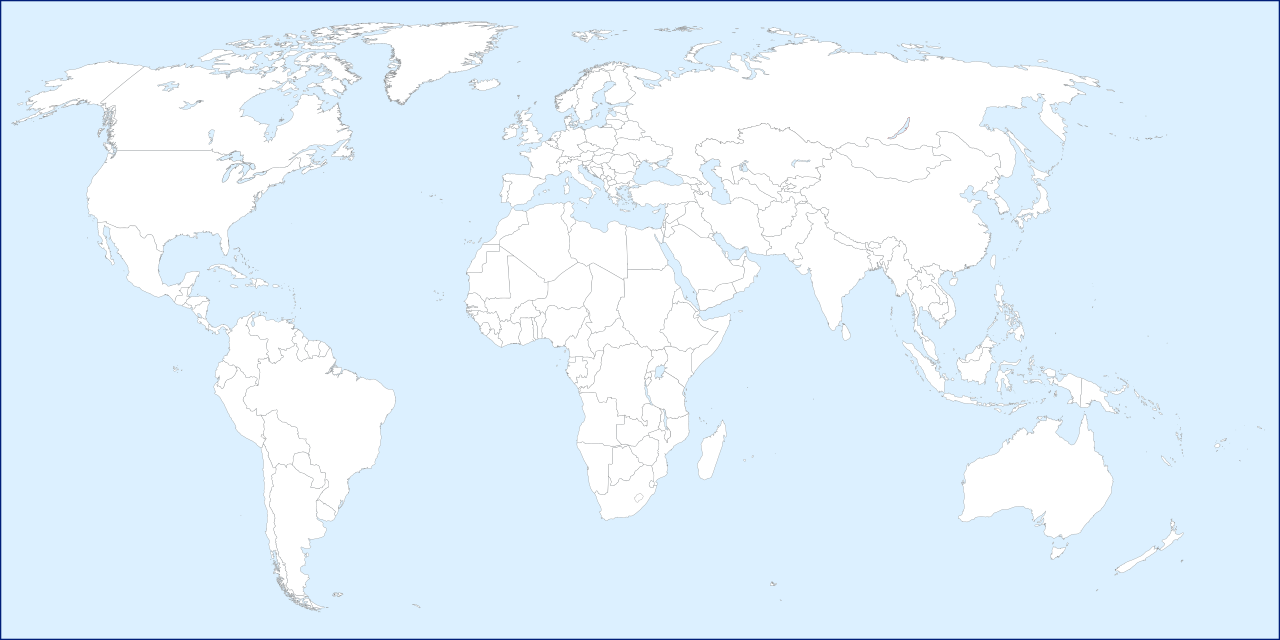
Location in the world
Nicaragua

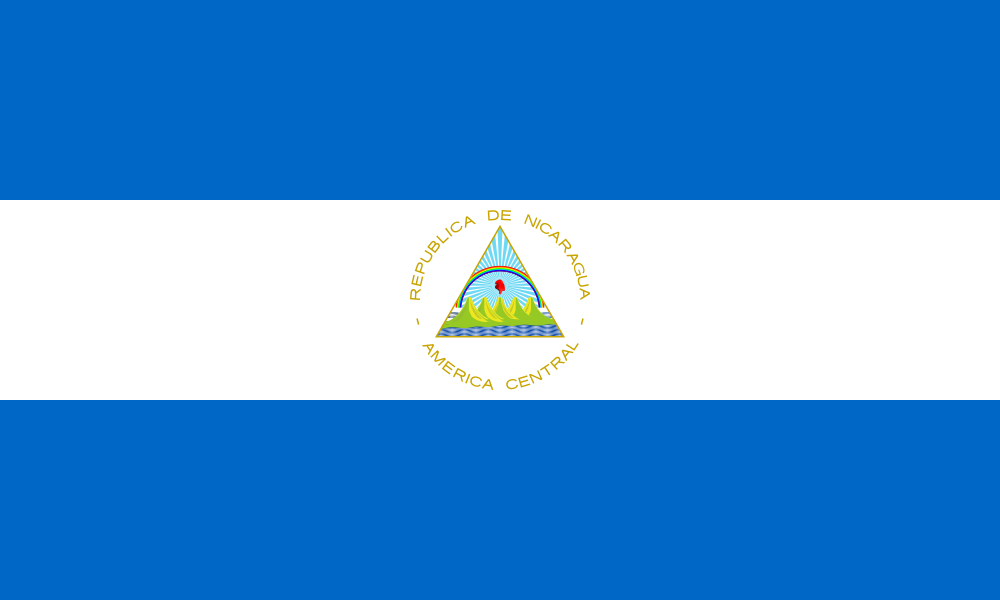
Flag of Nicaragua

North America

World map showing the location of NicaraguaNicaragua
🇳🇮
Population (2024)
6,916,140
Total area
130,370 km²
Area in square miles
50,336.12 mi²
Coastline
910 km
Base map adapted from Wikimedia Commons. Population: World Bank (2024); geography: CIA World Factbook.

National digital inclusion context

A portfolio-based view of access, capability, and outcomes.

This profile organizes the initiatives directly connected to Nicaragua in the global research inventory. It follows the study's country-profile framework: national context, broadband infrastructure, inclusion practices, education and workforce connections, implementation actors, and intended contribution.

The documented portfolio emphasizes Institutional / School Connectivity Infrastructure, Community Access / Computing Infrastructure, Last-Mile / Access Infrastructure. The profile treats infrastructure, affordability, capability, institutions, support, and outcomes as an interconnected system.

Portfolio pattern

What the documented response contains.

Counts reflect source-workbook tags. One initiative may appear in multiple infrastructure or technology categories.

Infrastructure and access

  1. Institutional / School Connectivity Infrastructure2
  2. Community Access / Computing Infrastructure1
  3. Last-Mile / Access Infrastructure1
  4. Mobile / Wireless Infrastructure1
  5. Telecommunications / Broadband Infrastructure1

Specific technologies

  1. No tagged records0

Intervention classification

  1. Infrastructure only5
  2. Neither explicitly identified5

Education and workforce

Connectivity becomes consequential through participation.

2 initiatives explicitly connect to education, K–12, or college/university contexts, and 0 connect to workforce development. Other investments may enable these outcomes indirectly.

Access

Networks, service availability, devices, and connection quality.

Capability

Skills, confidence, accessibility, navigation, and support.

Participation

Education, work, health, government, and civic opportunity.

Sustainability

Governance, operations, maintenance, funding, and learning.

Project and initiative portfolio

10 documented records

Every directly tagged record is shown with details and supporting URLs preserved from the research workbook.

01

Rural telecommunications

Additional Financing – RAAN/RAAS/Alto Wanki/Rio San Juan Connectivity

2007–2015 legacy · Caribbean and remote autonomous regions
View details
Status / period2007–2015 legacyLocationCaribbean and remote autonomous regionsPopulationRemote and Indigenous communitiesOrganizationsGovernment of Nicaragua; World Bank

Expanded access in rural and remote communities where commercial networks were weak.

Activities and approach: Broadband/mobile expansion

02

CARCIP digital inclusion

CARCIP Broadband to 48 Caribbean Locations

2016–ongoing/legacy results · Caribbean Coast / 48 locations
View details
Status / period2016–ongoing/legacy resultsLocationCaribbean Coast / 48 locationsPopulationResidents and institutionsOrganizationsGovernment of Nicaragua; World Bank

Uses broadband and skills investment to reduce geographic and economic digital exclusion.

Activities and approach: Broadband infrastructure

Telecommunications / Broadband Infrastructure
03

CARCIP digital inclusion

CARCIP Health Centre Connectivity

2016–ongoing/legacy results · Caribbean health facilities
View details
Status / period2016–ongoing/legacy resultsLocationCaribbean health facilitiesPopulationPatients and cliniciansOrganizationsGovernment of Nicaragua; World Bank

Uses broadband and skills investment to reduce geographic and economic digital exclusion.

Activities and approach: Health-facility broadband

Institutional / School Connectivity Infrastructure
04

CARCIP digital inclusion

CARCIP MSME and ICT/ITES Skills Support

2016–ongoing/legacy results · Caribbean region
View details
Status / period2016–ongoing/legacy resultsLocationCaribbean regionPopulationMSMEs, youth and jobseekersOrganizationsGovernment of Nicaragua; World Bank

Uses broadband and skills investment to reduce geographic and economic digital exclusion.

Activities and approach: ICT skills; technical English; digital business support

05

CARCIP digital inclusion

CARCIP School Connectivity

2016–ongoing/legacy results · Caribbean region schools
View details
Status / period2016–ongoing/legacy resultsLocationCaribbean region schoolsPopulationStudents and teachersOrganizationsGovernment of Nicaragua; World Bank

Uses broadband and skills investment to reduce geographic and economic digital exclusion.

Activities and approach: School broadband

Institutional / School Connectivity Infrastructure
06

CARCIP digital inclusion

CARCIP University Connectivity

2016–ongoing/legacy results · Caribbean universities
View details
Status / period2016–ongoing/legacy resultsLocationCaribbean universitiesPopulationStudents and facultyOrganizationsGovernment of Nicaragua; World Bank

Uses broadband and skills investment to reduce geographic and economic digital exclusion.

Activities and approach: Higher-education broadband

07

Rural telecommunications

Mobile Coverage for 37 Rural Communities

2007–2015 legacy · 37 rural communities
View details
Status / period2007–2015 legacyLocation37 rural communitiesPopulationResidents lacking mobile coverageOrganizationsGovernment of Nicaragua; World Bank

Expanded access in rural and remote communities where commercial networks were weak.

Activities and approach: Mobile network expansion

Mobile / Wireless InfrastructureLast-Mile / Access Infrastructure
08

Rural telecommunications

Rural Public/Pay Phone Programme – ~600 Sites

2007–2015 legacy · Remote communities
View details
Status / period2007–2015 legacyLocationRemote communitiesPopulationResidents without reliable personal telecom accessOrganizationsGovernment of Nicaragua; World Bank

Expanded access in rural and remote communities where commercial networks were weak.

Activities and approach: Public/pay phones; basic telecom

09

Rural telecommunications

Rural Telecenters – 100+ Municipalities

2007–2015 legacy · 100+ rural municipalities
View details
Status / period2007–2015 legacyLocation100+ rural municipalitiesPopulationResidents without household InternetOrganizationsGovernment of Nicaragua; World Bank

Expanded access in rural and remote communities where commercial networks were weak.

Activities and approach: Telecenters; shared Internet

Community Access / Computing Infrastructure
10

Rural telecommunications

Rural Telecom Broadband PoPs – 101 Municipalities

2007–2015 legacy · 101 municipalities
View details
Status / period2007–2015 legacyLocation101 municipalitiesPopulationRural residents and local institutionsOrganizationsGovernment of Nicaragua; World Bank

Expanded access in rural and remote communities where commercial networks were weak.

Activities and approach: Broadband points of presence

Evidence boundary

Read the portfolio as a starting point, not a final verdict.

Project records document interventions and intended contributions; they do not alone prove nationwide coverage, causal impact, or durable closure.

Profiles will deepen as national statistics, policy documents, evaluations, and implementation evidence are incorporated. Source links allow inspection of underlying evidence.

Evidence and contextProfile Sources

These sources support the country-level demographic, geographic, and connectivity context. Sources tied to individual projects remain with their project records and are not repeated here.

  1. Central Intelligence Agency. (n.d.). Nicaragua. The World Factbook. Retrieved September 26, 2026, from https://www.cia.gov/the-world-factbook/countries/nicaragua/
  2. International Telecommunication Union. (n.d.). ITU DataHub: Country ICT data. Retrieved September 26, 2026, from https://datahub.itu.int/
  3. World Bank. (n.d.). Individuals using the Internet (% of population): Nicaragua. World Development Indicators. Retrieved September 26, 2026, from https://data.worldbank.org/indicator/IT.NET.USER.ZS?locations=NI
  4. World Bank. (n.d.). Population, total: Nicaragua. World Development Indicators. Retrieved September 26, 2026, from https://data.worldbank.org/indicator/SP.POP.TOTL?locations=NI

Compare another country.

All country profiles →