Digital Divide Country Profile · Oceania

NZ

New Zealand

Closing the digital divide, expanding meaningful connectivity, and advancing digital education and workforce participation.

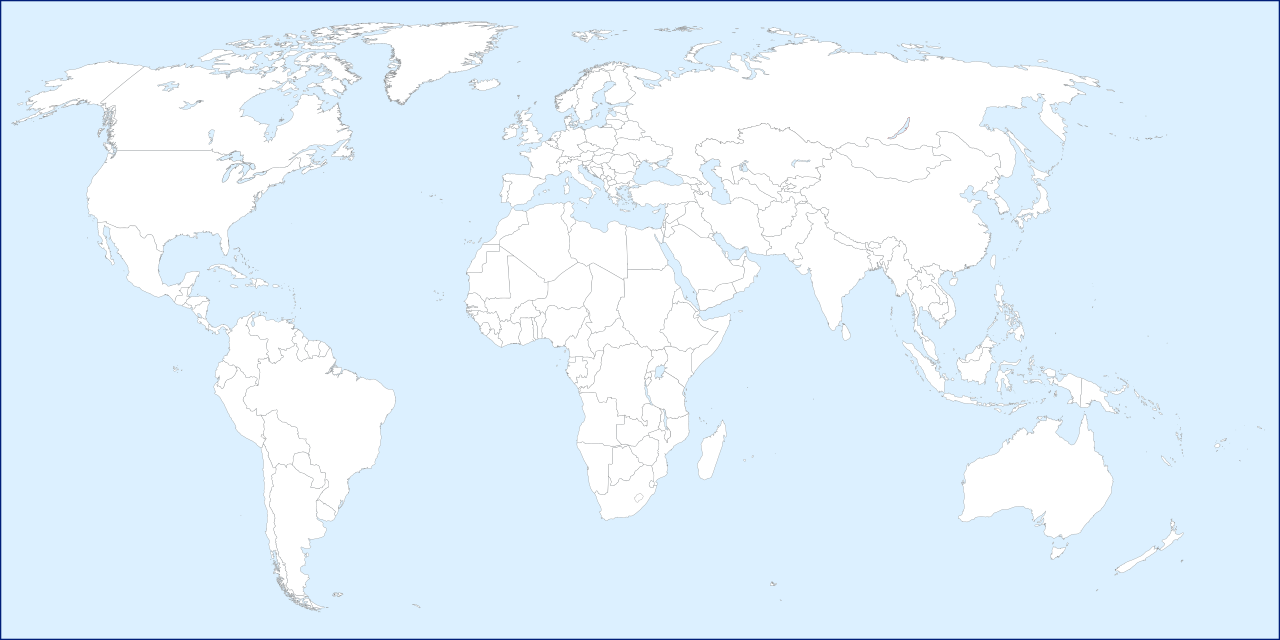
Location in the world
New Zealand

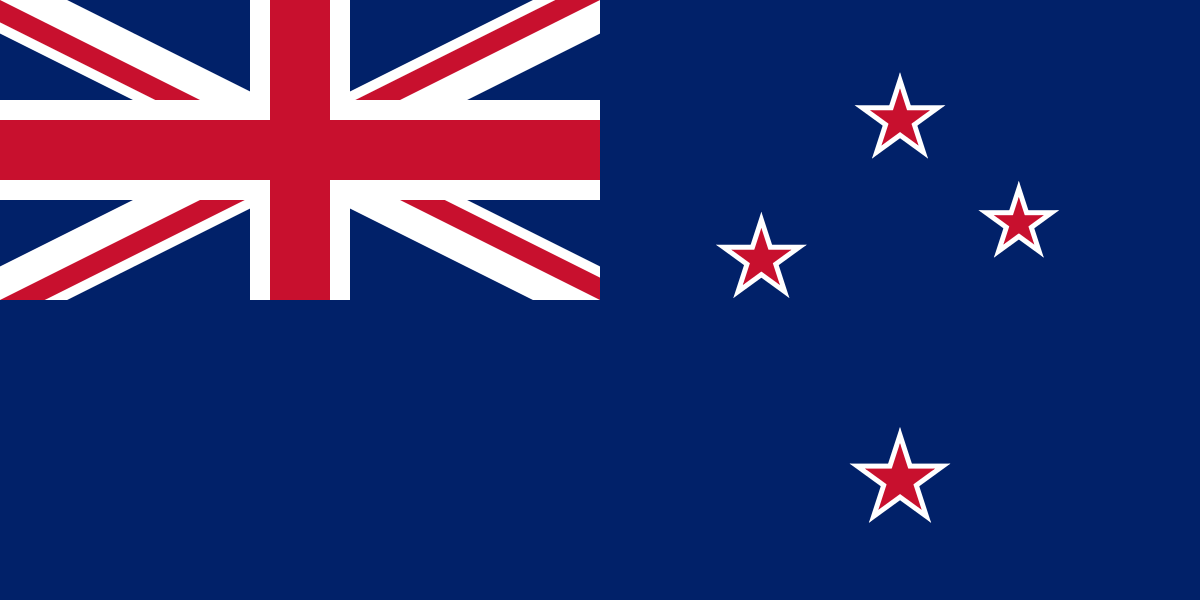
Flag of New Zealand

Oceania

World map showing the location of New ZealandNew Zealand
🇳🇿
Population (2024)
5,290,000
Total area
268,838 km²
Area in square miles
103,798.89 mi²
Coastline
15,134 km
Base map adapted from Wikimedia Commons. Population: World Bank (2024); geography: CIA World Factbook.

National digital inclusion context

A portfolio-based view of access, capability, and outcomes.

This profile organizes the initiatives directly connected to New Zealand in the global research inventory. It follows the study's country-profile framework: national context, broadband infrastructure, inclusion practices, education and workforce connections, implementation actors, and intended contribution.

The documented portfolio emphasizes Fiber / Fixed Broadband Infrastructure, Last-Mile / Access Infrastructure, Mobile / Wireless Infrastructure, Fiber/Fiber Optic, Wi-Fi. The profile treats infrastructure, affordability, capability, institutions, support, and outcomes as an interconnected system.

Portfolio pattern

What the documented response contains.

Counts reflect source-workbook tags. One initiative may appear in multiple infrastructure or technology categories.

Infrastructure and access

  1. Fiber / Fixed Broadband Infrastructure6
  2. Last-Mile / Access Infrastructure4
  3. Mobile / Wireless Infrastructure4
  4. Backbone / Backhaul / Middle-Mile Infrastructure1
  5. Device Distribution Network1

Specific technologies

  1. Fiber/Fiber Optic6
  2. Wi-Fi2
  3. 4G/LTE1
  4. Computers1
  5. Fixed Wireless Access (FWA)1

Intervention classification

  1. Infrastructure and Specific Technology11
  2. Neither explicitly identified3
  3. Infrastructure only2
  4. Device Access + Reuse/Refurbishment + Digital Inclusion1

Education and workforce

Connectivity becomes consequential through participation.

5 initiatives explicitly connect to education, K–12, or college/university contexts, and 0 connect to workforce development. Other investments may enable these outcomes indirectly.

Access

Networks, service availability, devices, and connection quality.

Capability

Skills, confidence, accessibility, navigation, and support.

Participation

Education, work, health, government, and civic opportunity.

Sustainability

Governance, operations, maintenance, funding, and learning.

Project and initiative portfolio

17 documented records

Every directly tagged record is shown with details and supporting URLs preserved from the research workbook.

01

National connectivity investment

Crown digital-connectivity investment portfolio – NZ$2.5b+

Ongoing portfolio · Nationwide
View details
Status / periodOngoing portfolioLocationNationwidePopulationHouseholds, businesses and remote communitiesOrganizationsNew Zealand Government; MBIE; CIP

Closes a documented access, affordability, skills, institutional-capacity, or meaningful-use gap.

Activities and approach: UFB, RBI, MBSF, RCU, Marae and Remote Users funding

02

Device access; technology reuse; e-waste reduction; digital inclusion

Electronic Recycling Association New Zealand Technology Reuse and Digital Inclusion Programme

New Zealand expansion launched September 2026 · Auckland facility; pickup coverage in Auckland, Wellington and Christchurch; nationwide mail-back; donation support in Auckland, Wellington and Canterbury
View details
Status / periodNew Zealand expansion launched September 2026LocationAuckland facility; pickup coverage in Auckland, Wellington and Christchurch; nationwide mail-back; donation support in Auckland, Wellington and CanterburyPopulationSchools, charities, non-profits, community programmes and people who need refurbished technology; businesses and organizations donating retired devicesOrganizationsElectronic Recycling Association (ERA) New Zealand / Electronic Recycling AssociationFundingNot stated

Creates a reuse pipeline that converts retired electronics into refurbished devices for schools and community organizations, reducing device-access barriers while also diverting usable technology from the waste stream.

Activities and approach: Collect retired IT; secure handling and data destruction; test, refurbish and rehome computers, laptops, smartphones and tablets; accept recipient applications; community partnerships and technology donations

End-User Device ReuseRefurbishment FacilityDevice Distribution NetworkComputers
PR Newswire. (2026-09-04). Electronic Recycling Association Expands Its Mission to New Zealand. Taiwan News. https://www.taiwannews.com.tw/en/news/6433826Open supporting source ↗
03

Indigenous community connectivity

Marae Digital Connectivity – broadband-enabled marae hubs

Operational / programme portfolio · Marae across New Zealand
View details
Status / periodOperational / programme portfolioLocationMarae across New ZealandPopulationMāori whānau, hapū and iwiOrganizationsMBIE; marae; providers

Closes a documented access, affordability, skills, institutional-capacity, or meaningful-use gap.

Activities and approach: Broadband, Wi-Fi and digital hub capability at marae

Technology-Enabled Connectivity InfrastructureWi-Fi
04

Indigenous community broadband and digital capability

Marae Digital Connectivity Programme

2019–June 2027 extension · Marae across Aotearoa New Zealand
View details
Status / period2019–June 2027 extensionLocationMarae across Aotearoa New ZealandPopulationMāori whānau, hapū, rangatahi and marae-based communitiesOrganizationsNational Infrastructure Funding and Financing; Te Puni Kōkiri; regional WISPs and satellite providers

Provides grant-funded broadband, Wi-Fi hardware and technical support to culturally important community hubs, addressing geographic and Indigenous connectivity disparities.

Activities and approach: Fastest available broadband; Wi-Fi; videoconferencing; technical support.

Infrastructure Planning / Mapping / FundingWi-Fi
05

Mobile coverage expansion

Mobile Black Spot Fund (MBSF)

2017–2023 rollout / completed substantially · State highways, tourism sites and rural black spots
View details
Status / period2017–2023 rollout / completed substantiallyLocationState highways, tourism sites and rural black spotsPopulationResidents, travelers, emergency users and businesses in areas lacking reliable mobile coverageOrganizationsNew Zealand Government; National Infrastructure Funding and Financing; mobile operators

Closes mobile-coverage gaps on transport corridors, tourism locations and rural areas that commercial operators would not otherwise prioritize.

Activities and approach: Mobile towers; 4G coverage; shared infrastructure.

Mobile / Wireless InfrastructureLast-Mile / Access InfrastructureTower / Site Infrastructure4G/LTE
06

Health connectivity

RBI1 – 10 health centres fiber connections

Completed / operational · Rural areas
View details
Status / periodCompleted / operationalLocationRural areasPopulation10 health centresOrganizationsMBIE; providers

Closes a documented access, affordability, skills, institutional-capacity, or meaningful-use gap.

Activities and approach: Fiber deployment to health centres

Fiber / Fixed Broadband InfrastructureFiber/Fiber Optic
07

Community digital access

RBI1 – 183 public libraries fiber connections

Completed / operational · Rural/provincial libraries
View details
Status / periodCompleted / operationalLocationRural/provincial librariesPopulationLibrary users and communitiesOrganizationsMBIE; providers

Closes a documented access, affordability, skills, institutional-capacity, or meaningful-use gap.

Activities and approach: Fiber connectivity to public libraries

Fiber / Fixed Broadband InfrastructureFiber/Fiber Optic
08

School broadband

RBI1 – 193 provincial schools fiber connections

Completed / operational · Provincial/rural areas
View details
Status / periodCompleted / operationalLocationProvincial/rural areasPopulation193 schoolsOrganizationsMBIE; Chorus; Network Tasman

Closes a documented access, affordability, skills, institutional-capacity, or meaningful-use gap.

Activities and approach: Fiber deployment to schools

Fiber / Fixed Broadband InfrastructureInstitutional / School Connectivity InfrastructureFiber/Fiber Optic
09

Health connectivity

RBI1 – 43 rural hospitals fiber connections

Completed / operational · Rural areas
View details
Status / periodCompleted / operationalLocationRural areasPopulation43 hospitalsOrganizationsMBIE; Chorus; providers

Closes a documented access, affordability, skills, institutional-capacity, or meaningful-use gap.

Activities and approach: Fiber deployment to rural hospitals

Fiber / Fixed Broadband InfrastructureFiber/Fiber Optic
10

Rural broadband

RBI2 – 84,000+ rural households and businesses

Implementation / ongoing · Rural and remote New Zealand
View details
Status / periodImplementation / ongoingLocationRural and remote New ZealandPopulation84,000+ households and businessesOrganizationsMBIE; Crown Infrastructure Partners; providers

Closes a documented access, affordability, skills, institutional-capacity, or meaningful-use gap.

Activities and approach: High-speed rural broadband expansion

Last-Mile / Access Infrastructure
11

Remote broadband

Remote schools wireless programme – 57 schools and surrounding communities

Completed / operational · Remote communities
View details
Status / periodCompleted / operationalLocationRemote communitiesPopulation57 schools and nearby residentsOrganizationsMBIE; Inspire.net; Gisborne.net; Chorus; Araneo

Closes a documented access, affordability, skills, institutional-capacity, or meaningful-use gap.

Activities and approach: Fast wireless broadband

Mobile / Wireless Infrastructure
12

Last-mile broadband for remote users

Remote Users Scheme (RUS)

Implemented / targeted support · Most remote rural areas
View details
Status / periodImplemented / targeted supportLocationMost remote rural areasPopulationHouseholds and communities with no or poor commercial broadbandOrganizationsNew Zealand Government; National Infrastructure Funding and Financing

Targets the hardest-to-connect households after mainstream programs, first through network extensions and then installation grants where coverage still cannot be provided.

Activities and approach: Network extensions; satellite/fixed wireless solutions; installation grants up to NZ$2,000.

Mobile / Wireless InfrastructureLast-Mile / Access InfrastructureFixed Wireless Access (FWA)
13

Rural broadband expansion

Rural Broadband Initiative Phase 2 (RBI2)

2017–2023 rollout / completed substantially · Rural New Zealand
View details
Status / period2017–2023 rollout / completed substantiallyLocationRural New ZealandPopulationRural households, farms, businesses and maraeOrganizationsNew Zealand Government; National Infrastructure Funding and Financing; rural wireless providers

Targets rural locations outside the urban fiber footprint with improved fixed-wireless and other broadband infrastructure.

Activities and approach: Wireless broadband; rural towers; backhaul; targeted rural coverage.

Fiber / Fixed Broadband InfrastructureMobile / Wireless InfrastructureBackbone / Backhaul / Middle-Mile InfrastructureLast-Mile / Access Infrastructure
14

Rural mobile/broadband capacity

Rural Capacity Upgrade Programme

Implementation / programme portfolio · Rural areas
View details
Status / periodImplementation / programme portfolioLocationRural areasPopulationRural households and businessesOrganizationsMBIE; CIP; operators

Closes a documented access, affordability, skills, institutional-capacity, or meaningful-use gap.

Activities and approach: Capacity upgrades where demand outgrew earlier rural networks

15

K-12 device access / circular technology reuse

Spark–Quadrent Green Lease School Laptop Access Programme

Active 2025 with multi-year continuation · South Auckland and Wellington schools
View details
Status / periodActive 2025 with multi-year continuationLocationSouth Auckland and Wellington schoolsPopulationSecondary-school students lacking suitable personal devicesOrganizationsSpark New Zealand; QuadrentFundingNot stated in source

Converts retired corporate devices into funding for new student laptops, reducing device-access barriers while supporting circular technology reuse.

Activities and approach: Corporate device resale; purchase and distribution of new laptops to schools and students

End-user device accessLaptop computers
Business - Scoop. (2025). Hundreds Of School Students Receive Laptops Through Spark Partnership With Quadrent's .... https://business.scoop.co.nz/2025/05/28/hundreds-of-school-students-receive-laptops-through-spark-partnership-with-quadrents-green-lease/Open supporting source ↗
16

Indigenous digital skills

Te Aka Tairoa Digital Capabilities and Connectivity

Funded / recent project · Five Ngāti Rārua marae in Te Tauihu
View details
Status / periodFunded / recent projectLocationFive Ngāti Rārua marae in Te TauihuPopulationWhānau, hapū and maraeOrganizationsNgāti Rārua Iwi Trust; MBIE

Closes a documented access, affordability, skills, institutional-capacity, or meaningful-use gap.

Activities and approach: Needs assessment; digital skills; safe online use; connectivity trials

17

National fiber broadband rollout

Ultra-Fast Broadband (UFB) Programme

Completed December 2022; ongoing uptake · 412 towns and cities
View details
Status / periodCompleted December 2022; ongoing uptakeLocation412 towns and citiesPopulationHouseholds, businesses, schools and communitiesOrganizationsNew Zealand Government; National Infrastructure Funding and Financing; Chorus; Enable; Tuatahi First Fiber; Northpower Fiber

Massively expanded access to high-speed fiber, including progressively smaller communities that were less commercially attractive to serve.

Activities and approach: Fiber-to-the-premises; wholesale open-access networks.

Fiber / Fixed Broadband InfrastructureFiber/Fiber Optic

Evidence boundary

Read the portfolio as a starting point, not a final verdict.

Project records document interventions and intended contributions; they do not alone prove nationwide coverage, causal impact, or durable closure.

Profiles will deepen as national statistics, policy documents, evaluations, and implementation evidence are incorporated. Source links allow inspection of underlying evidence.

Evidence and contextProfile Sources

These sources support the country-level demographic, geographic, and connectivity context. Sources tied to individual projects remain with their project records and are not repeated here.

  1. Central Intelligence Agency. (n.d.). New Zealand. The World Factbook. Retrieved September 26, 2026, from https://www.cia.gov/the-world-factbook/countries/new-zealand/
  2. International Telecommunication Union. (n.d.). ITU DataHub: Country ICT data. Retrieved September 26, 2026, from https://datahub.itu.int/
  3. World Bank. (n.d.). Individuals using the Internet (% of population): New Zealand. World Development Indicators. Retrieved September 26, 2026, from https://data.worldbank.org/indicator/IT.NET.USER.ZS?locations=NZ
  4. World Bank. (n.d.). Population, total: New Zealand. World Development Indicators. Retrieved September 26, 2026, from https://data.worldbank.org/indicator/SP.POP.TOTL?locations=NZ

Compare another country.

All country profiles →