Digital Divide Country Profile · Africa

NA

Namibia

Closing the digital divide, expanding meaningful connectivity, and advancing digital education and workforce participation.

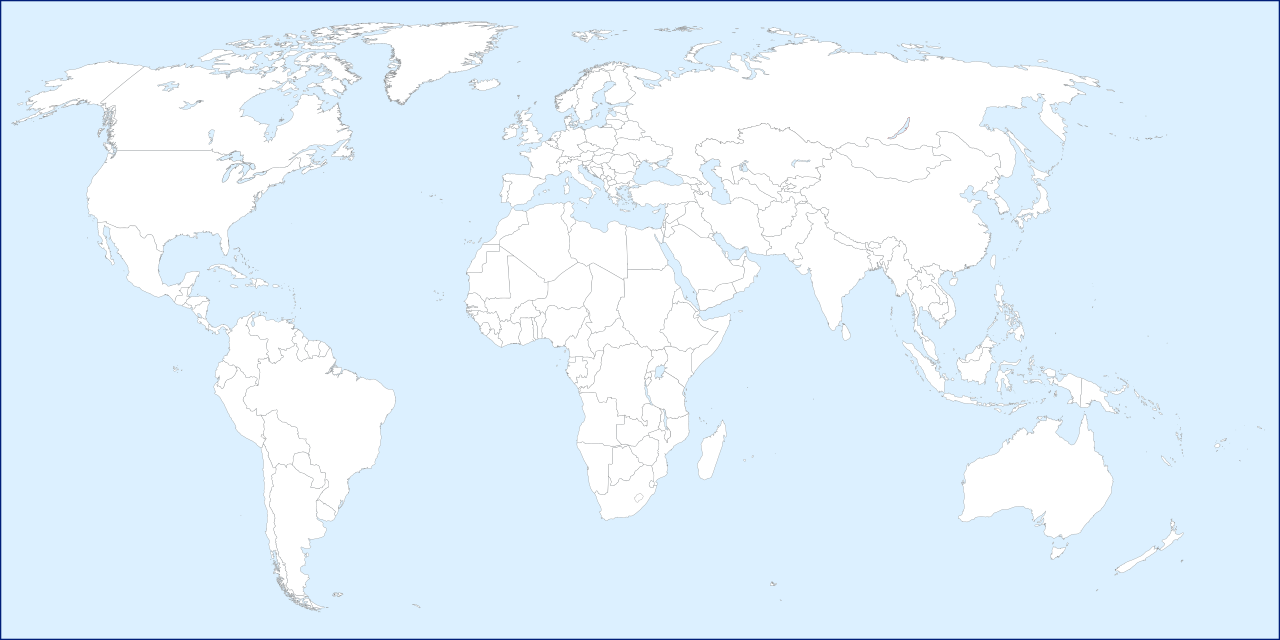
Location in the world
Namibia

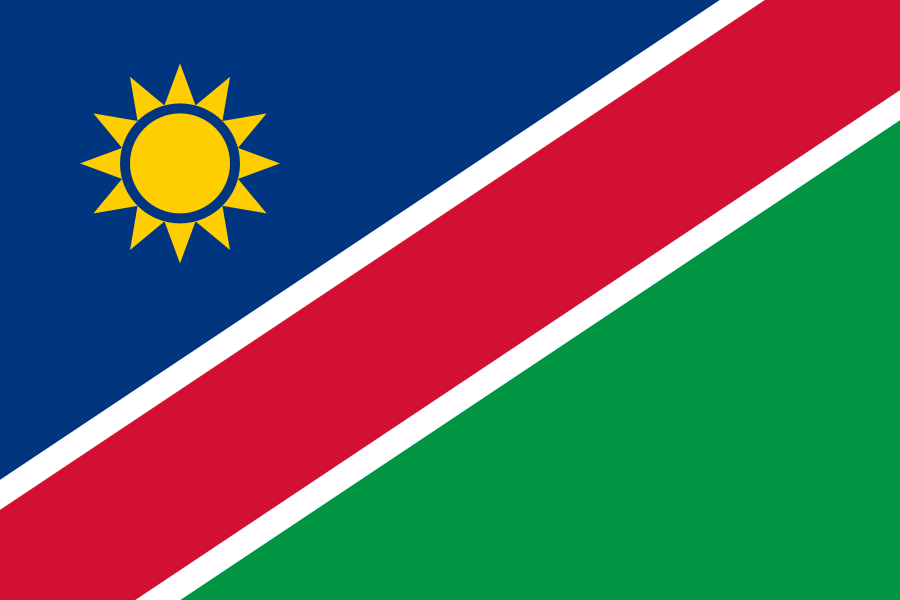
Flag of Namibia

Africa

World map showing the location of NamibiaNamibia
🇳🇦
Population (2024)
3,030,131
Total area
825,615 km²
Area in square miles
318,771.6 mi²
Coastline
1,572 km
Base map adapted from Wikimedia Commons. Population: World Bank (2024); geography: CIA World Factbook.

National digital inclusion context

A portfolio-based view of access, capability, and outcomes.

This profile organizes the initiatives directly connected to Namibia in the global research inventory. It follows the study's country-profile framework: national context, broadband infrastructure, inclusion practices, education and workforce connections, implementation actors, and intended contribution.

The documented portfolio emphasizes Mobile / Wireless Infrastructure, Infrastructure Planning / Mapping / Funding, Last-Mile / Access Infrastructure, 2G/GSM, 3G. The profile treats infrastructure, affordability, capability, institutions, support, and outcomes as an interconnected system.

Portfolio pattern

What the documented response contains.

Counts reflect source-workbook tags. One initiative may appear in multiple infrastructure or technology categories.

Infrastructure and access

  1. Mobile / Wireless Infrastructure7
  2. Infrastructure Planning / Mapping / Funding6
  3. Last-Mile / Access Infrastructure3
  4. Institutional / School Connectivity Infrastructure2
  5. Broadband Networks1

Specific technologies

  1. 2G/GSM1
  2. 3G1
  3. AI1
  4. Broadband internet1
  5. cloud1

Intervention classification

  1. Infrastructure only10
  2. Infrastructure and Specific Technology3
  3. Neither explicitly identified3
  4. LEO Satellite + Rural/Remote Connectivity + Backhaul1
  5. National Strategy + Universal Access + Cyber Resilience + Innovation1

Education and workforce

Connectivity becomes consequential through participation.

6 initiatives explicitly connect to education, K–12, or college/university contexts, and 1 connect to workforce development. Other investments may enable these outcomes indirectly.

Access

Networks, service availability, devices, and connection quality.

Capability

Skills, confidence, accessibility, navigation, and support.

Participation

Education, work, health, government, and civic opportunity.

Sustainability

Governance, operations, maintenance, funding, and learning.

Project and initiative portfolio

21 documented records

Every directly tagged record is shown with details and supporting URLs preserved from the research workbook.

01

Regulatory strategy; digital inclusion; universal service; cybersecurity; emergency communications; innovation

CRAN Integrated Strategic Business Plan 2026–2030

Strategic roadmap launched in 2026 for 2026–2030 implementation · Namibia nationwide, with emphasis on unserved and underserved communities
View details
Status / periodStrategic roadmap launched in 2026 for 2026–2030 implementationLocationNamibia nationwide, with emphasis on unserved and underserved communitiesPopulationCitizens and communities lacking meaningful connectivity; communications-sector users; businesses and public institutionsOrganizationsCommunications Regulatory Authority of NamibiaFundingNational four-year regulatory strategy; project-specific funding varies

Provides an umbrella regulatory and investment framework for universal access, resilient communications and emerging-technology inclusion through 2030.

Activities and approach: Universal Service Fund interventions; NAM-CSIRT; National Emergency Telecommunications Plan; PKI; regulatory sandboxes; modernization of legacy networks; e-government and e-trade support

Universal ServiceBroadband NetworksCybersecurity InfrastructureEmergency Telecommunications
Windhoek Observer. (2026). CRAN unveils 2026–2030 strategic roadmap. https://observer24.com.na/cran-unveils-2026-2030-strategic-roadmap/Open supporting source ↗
02

Rural mobile broadband

Ehomba Universal Service Fund tower

Operational / January 2026 · Ehomba, Kunene
View details
Status / periodOperational / January 2026LocationEhomba, KunenePopulationLocal residents and institutionsOrganizationsCRAN; operator partners

Closes a documented access, affordability, skills, institutional-capacity, or meaningful-use gap.

Activities and approach: New USF telecommunications tower

Mobile / Wireless InfrastructureInfrastructure Planning / Mapping / Funding
03

Rural mobile broadband

Epinga Universal Service Fund tower

Operational / November 2025 · Epinga, Ohangwena
View details
Status / periodOperational / November 2025LocationEpinga, OhangwenaPopulationLocal residents and institutionsOrganizationsCRAN; operator partners

Closes a documented access, affordability, skills, institutional-capacity, or meaningful-use gap.

Activities and approach: New USF telecommunications tower

Mobile / Wireless InfrastructureTower / Site InfrastructureInfrastructure Planning / Mapping / Funding
04

School connectivity planning and implementation

Giga School Connectivity Support - Namibia

Active; Namibia added as Giga country in 2023 · National school system
View details
Status / periodActive; Namibia added as Giga country in 2023LocationNational school systemPopulationStudents and schools, especially underserved locationsOrganizationsUNICEF; ITU; Government of Namibia

Supports mapping, infrastructure planning, monitoring, financing and procurement for universal school internet connectivity.

Activities and approach: School mapping; GIS; connectivity monitoring; procurement planning.

Institutional / School Connectivity InfrastructureInfrastructure Planning / Mapping / FundingGIS / Geospatial Technology
05

Wireless broadband enabling environment

ITU Africa Spectrum Management and Broadband Enabling Project (beneficiary: Namibia)

Implemented 2018-2025 · National / regional
View details
Status / periodImplemented 2018-2025LocationNational / regionalPopulationMobile broadband users and operators, including underserved populationsOrganizationsInternational Telecommunication Union; African beneficiary governments

Improves spectrum licensing, pricing, refarming and cross-border coordination to lower barriers to wireless broadband deployment.

Activities and approach: Spectrum reform; licensing; pricing; refarming; cross-border coordination.

Mobile / Wireless InfrastructureLast-Mile / Access Infrastructure
06

National rural mobile broadband expansion

MTC 081Every1 Project

Implemented in phases from 2018 · Remote settlements and rural areas
View details
Status / periodImplemented in phases from 2018LocationRemote settlements and rural areasPopulationRural mobile users and previously 2G-only communitiesOrganizationsMobile Telecommunications Limited (MTC)

Targets near-universal population network coverage and upgrades remote areas from 2G to 3G connectivity.

Activities and approach: New mobile sites; transmission upgrades; 3G expansion.

Mobile / Wireless InfrastructureLast-Mile / Access Infrastructure3G2G/GSM
07

Broadband and telecommunications deployment

Namibia N$145 Million Communications Infrastructure Expansion

Documented at source date · Namibia
View details
Status / periodDocumented at source dateLocationNamibiaPopulationRural, remote, underserved, or unserved communitiesFundingN$145 million

Expands or enables connectivity for rural, remote, underserved, or unserved communities, addressing availability and service-quality barriers.

Activities and approach: Network deployment or expansion; connectivity delivery

Windhoek Observer. (March 20, 2025). GRN invest N$145 million to expand communications infrastructure - Windhoek Observer. https://www.observer24.com.na/grn-invest-n145-million-to-expand-communications-infrastructure/Open supporting source ↗
08

Digital inclusion initiative

Namibia Universal Service Fund

Documented at source date · Namibia
View details
Status / periodDocumented at source dateLocationNamibiaPopulationPeople and communities affected by digital exclusion

Builds digital capability and adoption support for people and communities affected by digital exclusion, addressing skills and participation barriers.

Activities and approach: Targeted digital inclusion activities described in the cited source

Telecompaper. (March 21, 2025). CRAN launches universal service fund to bridge digital divide in Namibia - Telecompaper. https://www.telecompaper.com/news/cran-launches-universal-service-fund-to-bridge-digital-divide-in-namibia--1531358Open supporting source ↗
09

Digital public infrastructure

National Digital Strategy – government-system interoperability

Implementation / 2025-2030 · Whole of government
View details
Status / periodImplementation / 2025-2030LocationWhole of governmentPopulationPublic agencies and service usersOrganizationsMICT; government agencies

Closes a documented access, affordability, skills, institutional-capacity, or meaningful-use gap.

Activities and approach: Interoperability; reduced duplication; data-driven service delivery

Digital Public Infrastructure
10

Digital public services

National Digital Strategy – one-stop government service portal

Implementation / 2025-2030 · Nationwide
View details
Status / periodImplementation / 2025-2030LocationNationwidePopulationCitizens and businessesOrganizationsMICT; Office of Prime Minister

Closes a documented access, affordability, skills, institutional-capacity, or meaningful-use gap.

Activities and approach: One-stop portal; integrated e-services

11

Digital skills

National Digital Strategy 2025–2028 – digital literacy and skills pillar

Implementation · Nationwide
View details
Status / periodImplementationLocationNationwidePopulationYouth, workers and citizensOrganizationsMICT; national partners

Closes a documented access, affordability, skills, institutional-capacity, or meaningful-use gap.

Activities and approach: Digital literacy, skills and workforce development

12

School broadband and digital learning

Paratus Namibia–Eduvision Rural School Connectivity

Active / reported 2025 · Remote schools across Namibia
View details
Status / periodActive / reported 2025LocationRemote schools across NamibiaPopulationMore than 12,000 students in remote and underserved schoolsOrganizationsParatus Namibia; EduvisionFundingNot stated in source

Provides dedicated reliable internet for interactive learning and free access to quality online education.

Activities and approach: Dedicated school internet; digital boards; interactive online learning

Institutional / school broadband infrastructureBroadband internetdigital boardse-learning
ITWeb Africa. (2025). More than 12k Namibian students connected: Paratus Namibia expands digital education .... https://itweb.africa/content/VgZeyqJlwDZ7djX9Open supporting source ↗
13

Broadband and telecommunications deployment

Telecom Namibia Completes Major Fiber Expansion, Bridging the Digital Divide Across the Nation

Announced, active, or documented at source date · Namibia
View details
Status / periodAnnounced, active, or documented at source dateLocationNamibiaPopulationPeople and communities affected by digital exclusion

Expands or enables connectivity for people and communities affected by digital exclusion, addressing availability and service-quality barriers.

Activities and approach: Network deployment or expansion; connectivity delivery

TechAfrica News. (November 16, 2024). Telecom Namibia Completes Major Fiber Expansion, Bridging the Digital Divide Across the Nation. https://techafricanews.com/2024/11/15/telecom-namibia-completes-major-fiber-expansion-bridging-the-digital-divide-across-the-nation/Open supporting source ↗
14

LEO satellite broadband; business connectivity; mobile backhaul; community Wi-Fi

Twoobii–OneWeb LEO Satellite Connectivity Rollout – Namibia

Commercially launched July 2026 · Namibia nationwide, with emphasis on underserved and hard-to-reach areas
View details
Status / periodCommercially launched July 2026LocationNamibia nationwide, with emphasis on underserved and hard-to-reach areasPopulationBusinesses, tourism operators, schools, communities and mobile/Wi-Fi users outside robust terrestrial coverageOrganizationsQ-KON / Twoobii; Eutelsat OneWeb; Echo Namibia; OCN; Communications Regulatory Authority of NamibiaFundingCommercial multi-year partnership; amount not stated

Introduces high-speed, low-latency satellite connectivity that can serve enterprises directly and backhaul mobile networks and community Wi-Fi into areas underserved by terrestrial infrastructure.

Activities and approach: Commercial LEO service; enterprise broadband; mobile-network backhaul; community Wi-Fi hotspot backhaul

LEO Satellite BroadbandMobile BackhaulCommunity Wi-Fi BackhaulEutelsat OneWeb LEO
Rihab Ben Moussa. (2026-07-01). Namibia Goes Live with LEO Satellite Connectivity as Twoobii-OneWeb Rolls Out. Space in Africa. https://spaceinafrica.com/2026/07/01/namibia-goes-live-with-leo-satellite-connectivity-as-twoobii-oneweb-rolls-out/Open supporting source ↗
15

Rural mobile broadband / universal service

Universal Service Fund Phase 2 - MTC Rural RAN Rollout

Ongoing in 2026 · //Karas, Kavango West, Kunene, Ohangwena and Oshikoto
View details
Status / periodOngoing in 2026Location//Karas, Kavango West, Kunene, Ohangwena and OshikotoPopulationRural communities; schools; clinics; underserved public institutionsOrganizationsCommunications Regulatory Authority of Namibia (CRAN); MTC

Uses universal-service subsidy to build RAN towers in high-cost areas and extend connectivity to rural communities and public institutions.

Activities and approach: Nine strategic RAN sites; mobile broadband; schools/clinics connectivity.

Mobile / Wireless InfrastructureInfrastructure Planning / Mapping / Funding
CRAN. (2026). CRAN Advances NDP6 Connectivity Targets Through Universal Service Fund Infrastructure Rollout.Open supporting source ↗
16

Rural telecommunications infrastructure / universal service

Universal Service Fund Phase 2 - Telecom Namibia Rural Connectivity Package

Launched April 2026 · Underserved rural sites
View details
Status / periodLaunched April 2026LocationUnderserved rural sitesPopulationRemote communities and public institutionsOrganizationsCRAN; Telecom Namibia

Deploys telecommunications infrastructure in underserved rural areas through a regulator-funded subsidy.

Activities and approach: Rural telecom infrastructure; network extension; universal-service subsidy.

Telecommunications / Broadband InfrastructureInfrastructure Planning / Mapping / Funding
Telecom Namibia. (2026). Telecom Namibia and CRAN Formally Sign Universal Service Fund Agreement to Enhance Rural Connectivity.Open supporting source ↗
17

Public-institution connectivity

USF Phase 2 – 15 public institutions connected by MTC package

Implementation / 2026 · Five target regions
View details
Status / periodImplementation / 2026LocationFive target regionsPopulationSchools, clinics, staff and communitiesOrganizationsCRAN; MTC

Closes a documented access, affordability, skills, institutional-capacity, or meaningful-use gap.

Activities and approach: RAN connectivity extended to 15 public institutions

Mobile / Wireless InfrastructureInstitutional / School Connectivity Infrastructure
18

Rural mobile broadband

USF Phase 2 – MTC nine-site RAN tower package

Implementation / 2026 · //Karas, Kavango West, Kunene, Ohangwena, Oshikoto
View details
Status / periodImplementation / 2026Location//Karas, Kavango West, Kunene, Ohangwena, OshikotoPopulationRural and underserved communitiesOrganizationsCRAN; MTC

Closes a documented access, affordability, skills, institutional-capacity, or meaningful-use gap.

Activities and approach: Nine strategic RAN sites; one site with two towers

Mobile / Wireless Infrastructure
19

Rural fixed/mobile connectivity

USF Phase 2 – Telecom Namibia N$9.8m rural package

Implementation / 2026 · Underserved regions
View details
Status / periodImplementation / 2026LocationUnderserved regionsPopulationRural households and institutionsOrganizationsCRAN; Telecom Namibia

Closes a documented access, affordability, skills, institutional-capacity, or meaningful-use gap.

Activities and approach: USF-subsidised network deployment

Last-Mile / Access Infrastructure
20

Public-institution gap mapping

USF Phase 2 site-verification – 23 schools and two clinics

Completed 2025 · Nine regions
View details
Status / periodCompleted 2025LocationNine regionsPopulation23 schools and two clinicsOrganizationsCRAN

Closes a documented access, affordability, skills, institutional-capacity, or meaningful-use gap.

Activities and approach: Connectivity-gap assessment at 25 institutions

21

Connectivity planning

USF Phase 2 site-verification program – 16 candidate sites

Completed 2025 / feeds rollout · Nine regions
View details
Status / periodCompleted 2025 / feeds rolloutLocationNine regionsPopulationUnderserved communitiesOrganizationsCRAN

Closes a documented access, affordability, skills, institutional-capacity, or meaningful-use gap.

Activities and approach: Technical verification of 16 proposed sites

Infrastructure Planning / Mapping / Funding

Evidence boundary

Read the portfolio as a starting point, not a final verdict.

Project records document interventions and intended contributions; they do not alone prove nationwide coverage, causal impact, or durable closure.

Profiles will deepen as national statistics, policy documents, evaluations, and implementation evidence are incorporated. Source links allow inspection of underlying evidence.

Evidence and contextProfile Sources

These sources support the country-level demographic, geographic, and connectivity context. Sources tied to individual projects remain with their project records and are not repeated here.

  1. Central Intelligence Agency. (n.d.). Namibia. The World Factbook. Retrieved September 26, 2026, from https://www.cia.gov/the-world-factbook/countries/namibia/
  2. International Telecommunication Union. (n.d.). ITU DataHub: Country ICT data. Retrieved September 26, 2026, from https://datahub.itu.int/
  3. World Bank. (n.d.). Individuals using the Internet (% of population): Namibia. World Development Indicators. Retrieved September 26, 2026, from https://data.worldbank.org/indicator/IT.NET.USER.ZS?locations=NA
  4. World Bank. (n.d.). Population, total: Namibia. World Development Indicators. Retrieved September 26, 2026, from https://data.worldbank.org/indicator/SP.POP.TOTL?locations=NA

Compare another country.

All country profiles →