Digital Divide Country Profile · Africa

MZ

Mozambique

Closing the digital divide, expanding meaningful connectivity, and advancing digital education and workforce participation.

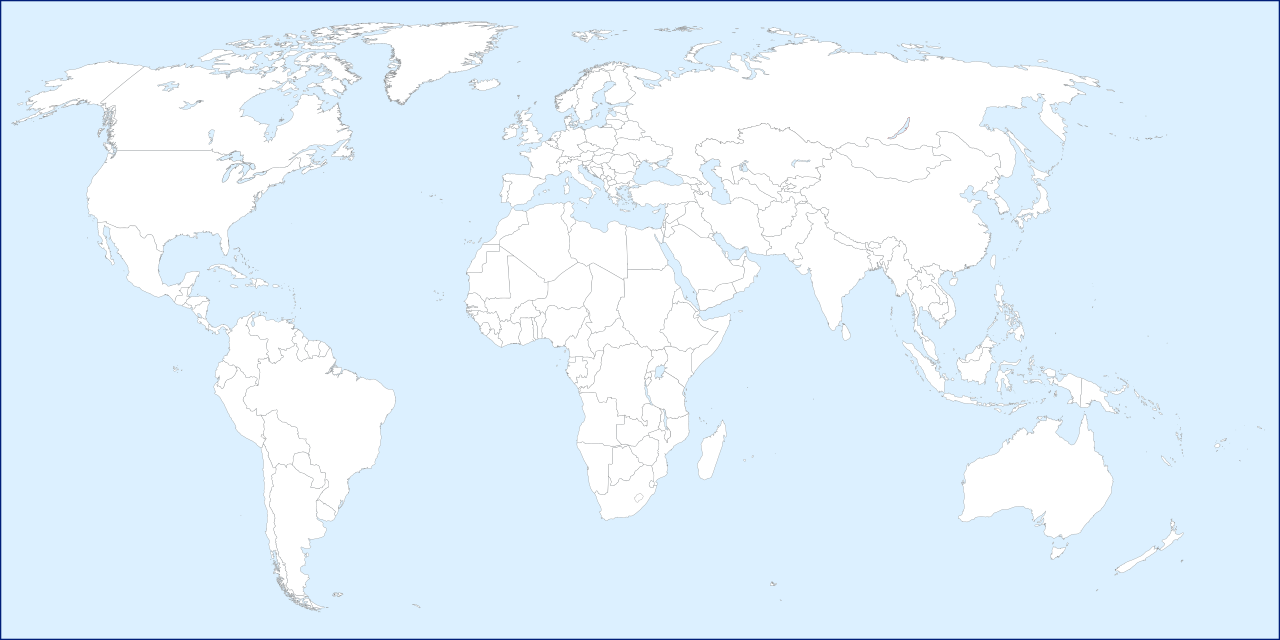
Location in the world
Mozambique

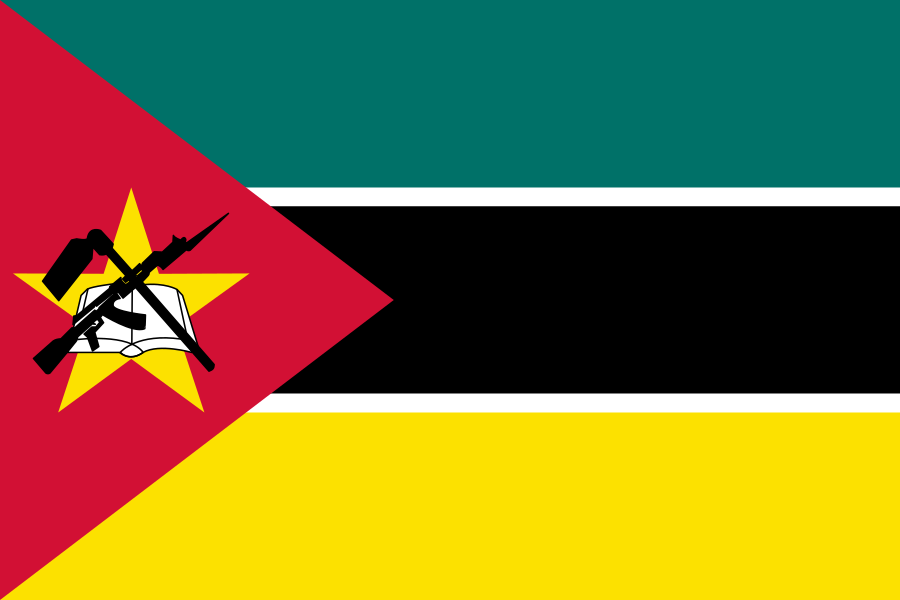
Flag of Mozambique

Africa

World map showing the location of MozambiqueMozambique
🇲🇿
Population (2024)
34,631,766
Total area
799,380 km²
Area in square miles
308,642.22 mi²
Coastline
2,470 km
Base map adapted from Wikimedia Commons. Population: World Bank (2024); geography: CIA World Factbook.

National digital inclusion context

A portfolio-based view of access, capability, and outcomes.

This profile organizes the initiatives directly connected to Mozambique in the global research inventory. It follows the study's country-profile framework: national context, broadband infrastructure, inclusion practices, education and workforce connections, implementation actors, and intended contribution.

The documented portfolio emphasizes Telecommunications / Broadband Infrastructure, Digital Public Infrastructure, Infrastructure Planning / Mapping / Funding, Programming and digital-learning tools, Smartphone. The profile treats infrastructure, affordability, capability, institutions, support, and outcomes as an interconnected system.

Portfolio pattern

What the documented response contains.

Counts reflect source-workbook tags. One initiative may appear in multiple infrastructure or technology categories.

Infrastructure and access

  1. Telecommunications / Broadband Infrastructure4
  2. Digital Public Infrastructure1
  3. Infrastructure Planning / Mapping / Funding1
  4. Institutional / School Connectivity Infrastructure1
  5. Last-Mile / Access Infrastructure1

Specific technologies

  1. Programming and digital-learning tools1
  2. Smartphone1
  3. Spectrum1
  4. Telecommunications Networks1

Intervention classification

  1. Neither explicitly identified9
  2. Infrastructure only5
  3. Girls’ coding and digital-skills camp1
  4. Infrastructure and Specific Technology1
  5. Specific Technology only1

Education and workforce

Connectivity becomes consequential through participation.

4 initiatives explicitly connect to education, K–12, or college/university contexts, and 2 connect to workforce development. Other investments may enable these outcomes indirectly.

Access

Networks, service availability, devices, and connection quality.

Capability

Skills, confidence, accessibility, navigation, and support.

Participation

Education, work, health, government, and civic opportunity.

Sustainability

Governance, operations, maintenance, funding, and learning.

Project and initiative portfolio

17 documented records

Every directly tagged record is shown with details and supporting URLs preserved from the research workbook.

01

Digital project delivery

MDAP – 2026 implementation support and procurement acceleration

Implementation / April 2026 · Nationwide
View details
Status / periodImplementation / April 2026LocationNationwidePopulationProject beneficiaries and implementing agenciesOrganizationsGovernment of Mozambique; World Bank

Closes a documented access, affordability, skills, institutional-capacity, or meaningful-use gap.

Activities and approach: Implementation troubleshooting; procurement and delivery acceleration

02

Affordability/device access

MDAP – Affordable Devices and Digital Inclusion

2022–ongoing · Low-income communities
View details
Status / period2022–ongoingLocationLow-income communitiesPopulationPeople priced out of Internet-enabled devicesOrganizationsGovernment of Mozambique; World Bank

Addresses device and affordability barriers alongside network rollout.

Activities and approach: Device/access support

Telecommunications / Broadband Infrastructure
03

Basic digital skills

MDAP – basic digital literacy for new users

Implementation · Nationwide targeted communities
View details
Status / periodImplementationLocationNationwide targeted communitiesPopulationFirst-time and low-skill internet usersOrganizationsGovernment; World Bank

Closes a documented access, affordability, skills, institutional-capacity, or meaningful-use gap.

Activities and approach: Foundational internet, smartphone and online-safety skills

Smartphone
04

Digital civic participation

MDAP – citizen engagement and feedback mechanisms

Implementation · Nationwide
View details
Status / periodImplementationLocationNationwidePopulationCitizens and project beneficiariesOrganizationsGovernment; World Bank

Closes a documented access, affordability, skills, institutional-capacity, or meaningful-use gap.

Activities and approach: Citizen feedback and project-engagement channels

05

Device affordability

MDAP – device affordability support

Implementation · Nationwide targeted low-income users
View details
Status / periodImplementationLocationNationwide targeted low-income usersPopulationLow-income households and new internet usersOrganizationsGovernment; World Bank

Closes a documented access, affordability, skills, institutional-capacity, or meaningful-use gap.

Activities and approach: Affordable smart devices and device-access mechanisms

06

Digital economy enabling environment

MDAP – digital economy strategy implementation support

Implementation · Nationwide
View details
Status / periodImplementationLocationNationwidePopulationGovernment, businesses and investorsOrganizationsGovernment; World Bank

Closes a documented access, affordability, skills, institutional-capacity, or meaningful-use gap.

Activities and approach: Policy reform and coordination for digital-economy growth

07

Digital financial services

MDAP – digital finance enabling reforms

Implementation · Nationwide
View details
Status / periodImplementationLocationNationwidePopulationConsumers, MSMEs and financial-service usersOrganizationsGovernment; financial institutions; World Bank

Closes a documented access, affordability, skills, institutional-capacity, or meaningful-use gap.

Activities and approach: Digital finance policy and market development

08

Digital public infrastructure

MDAP – Digital Public Platforms and Services

2022–ongoing · Nationwide
View details
Status / period2022–ongoingLocationNationwidePopulationCitizens and businessesOrganizationsGovernment of Mozambique; World Bank

Builds digital foundations that increase the value of being connected.

Activities and approach: Digital platforms/services

Digital Public Infrastructure
09

Digital skills

MDAP – Digital Skills for New Users

2022–ongoing · Nationwide targeted communities
View details
Status / period2022–ongoingLocationNationwide targeted communitiesPopulationPeople lacking Internet skillsOrganizationsGovernment of Mozambique; World Bank

Builds confidence and skills for safe and productive use.

Activities and approach: Digital-skills training

10

Broadband market reform

MDAP – Enabling Environment for Digital Investment

2022–ongoing · Nationwide
View details
Status / period2022–ongoingLocationNationwidePopulationConsumers and operatorsOrganizationsGovernment of Mozambique; World Bank

Improves investment conditions and resilience for expanded connectivity.

Activities and approach: Regulatory and investment reform

11

Public-institution connectivity

MDAP – public institution connectivity

Implementation · Underserved areas
View details
Status / periodImplementationLocationUnderserved areasPopulationSchools, health facilities and government institutionsOrganizationsGovernment; World Bank

Closes a documented access, affordability, skills, institutional-capacity, or meaningful-use gap.

Activities and approach: Connectivity for public institutions in underserved areas

Institutional / School Connectivity Infrastructure
12

Broadband investment enabling

MDAP – public-private partnership framework for digital infrastructure

Implementation · Nationwide
View details
Status / periodImplementationLocationNationwidePopulationOperators and underserved communitiesOrganizationsGovernment; World Bank; private sector

Closes a documented access, affordability, skills, institutional-capacity, or meaningful-use gap.

Activities and approach: PPP models; private capital mobilization

Telecommunications / Broadband Infrastructure
13

Rural broadband

MDAP – Rural Digital Connectivity and Access

2022–ongoing · Rural areas
View details
Status / period2022–ongoingLocationRural areasPopulationResidents lacking mobile broadband signalOrganizationsGovernment of Mozambique; World Bank

Expands rural network coverage where a large share of population remains offline.

Activities and approach: Rural broadband

14

Rural broadband infrastructure

MDAP – shared rural broadband infrastructure financing

Implementation / 2023-2028 · Underserved rural areas
View details
Status / periodImplementation / 2023-2028LocationUnderserved rural areasPopulationRural households and businessesOrganizationsGovernment of Mozambique; World Bank; operators

Closes a documented access, affordability, skills, institutional-capacity, or meaningful-use gap.

Activities and approach: Shared infrastructure; public-private financing; last-mile expansion

Last-Mile / Access InfrastructureTelecommunications / Broadband Infrastructure
15

Gender digital inclusion

MDAP – women-focused digital inclusion

Implementation · Nationwide targeted communities
View details
Status / periodImplementationLocationNationwide targeted communitiesPopulationWomen and vulnerable groupsOrganizationsGovernment; World Bank

Closes a documented access, affordability, skills, institutional-capacity, or meaningful-use gap.

Activities and approach: Connectivity, devices and skills with gender-intentional targeting

16

Girls’ coding and digital-skills camp

Mozambique African Girls Can Code Programming Camp 2026

Active June 15–28, 2026 · Mozambique College of Economics and Management, Beira City; participants from Beira and nine surrounding districts
View details
Status / periodActive June 15–28, 2026LocationMozambique College of Economics and Management, Beira City; participants from Beira and nine surrounding districtsPopulation100 girls and young women ages 17–25OrganizationsGovernment of Mozambique; UN Women; African Union; International Telecommunication Union; national ministries; Catholic University of MozambiqueFunding100 participants

providing hands-on technology, innovation, entrepreneurship, and leadership training to reduce the gender digital divide

Activities and approach: Programming; digital skills; innovation; entrepreneurship; technological leadership

Programming and digital-learning tools
TechAfrica News. (2026). Mozambique Launches AGCCI Programming Camp to Close Gender Digital Divide. https://techafricanews.com/2026/06/18/mozambique-launches-agcci-programming-camp-to-close-gender-digital-divideOpen supporting source ↗
17

Universal-service regulation and connectivity financing mechanism

Telecommunications Fine-to-Universalization Digital Inclusion Mechanism – Decree 36/2026

Regulation in force in 2026 · Mozambique, with benefits intended for underserved communications areas
View details
Status / periodRegulation in force in 2026LocationMozambique, with benefits intended for underserved communications areasPopulationCommunities lacking adequate communications access; telecommunications users nationwideOrganizationsInstituto Nacional de Comunicações de Moçambique (INCM); Government of MozambiqueFundingVariable; value of eligible regulatory fines may be converted into universal-service obligations

Creates a regulatory mechanism that can redirect monetary penalties into concrete universal-service obligations, turning enforcement into additional resources for coverage expansion.

Activities and approach: Conversion of regulatory fines into universalization obligations; telecom licensing reform; spectrum sharing and leasing provisions

Infrastructure Planning / Mapping / FundingTelecommunications / Broadband InfrastructureSpectrumTelecommunications Networks
Instituto Nacional de Comunicações de Moçambique. (2026, August 21). Novo Regulamento de Licenciamento de Telecomunicações e de Recursos Escassos reforça eficiência e flexibilidade do sector. https://www.incm.gov.mz/2026/08/21/licenciamento_telecomunicacoes_recursos_escassos/Open supporting source ↗

Evidence boundary

Read the portfolio as a starting point, not a final verdict.

Project records document interventions and intended contributions; they do not alone prove nationwide coverage, causal impact, or durable closure.

Profiles will deepen as national statistics, policy documents, evaluations, and implementation evidence are incorporated. Source links allow inspection of underlying evidence.

Evidence and contextProfile Sources

These sources support the country-level demographic, geographic, and connectivity context. Sources tied to individual projects remain with their project records and are not repeated here.

  1. Central Intelligence Agency. (n.d.). Mozambique. The World Factbook. Retrieved September 26, 2026, from https://www.cia.gov/the-world-factbook/countries/mozambique/
  2. International Telecommunication Union. (n.d.). ITU DataHub: Country ICT data. Retrieved September 26, 2026, from https://datahub.itu.int/
  3. World Bank. (n.d.). Individuals using the Internet (% of population): Mozambique. World Development Indicators. Retrieved September 26, 2026, from https://data.worldbank.org/indicator/IT.NET.USER.ZS?locations=MZ
  4. World Bank. (n.d.). Population, total: Mozambique. World Development Indicators. Retrieved September 26, 2026, from https://data.worldbank.org/indicator/SP.POP.TOTL?locations=MZ

Compare another country.

All country profiles →