Infrastructure and access
- Telecommunications / Broadband Infrastructure4
- Digital Public Infrastructure3
- Last-Mile / Access Infrastructure2
- Backbone / Backhaul / Middle-Mile Infrastructure1
- Community Computing Infrastructure1
Digital Divide Country Profile · Africa
Closing the digital divide, expanding meaningful connectivity, and advancing digital education and workforce participation.
Location in the world

Africa
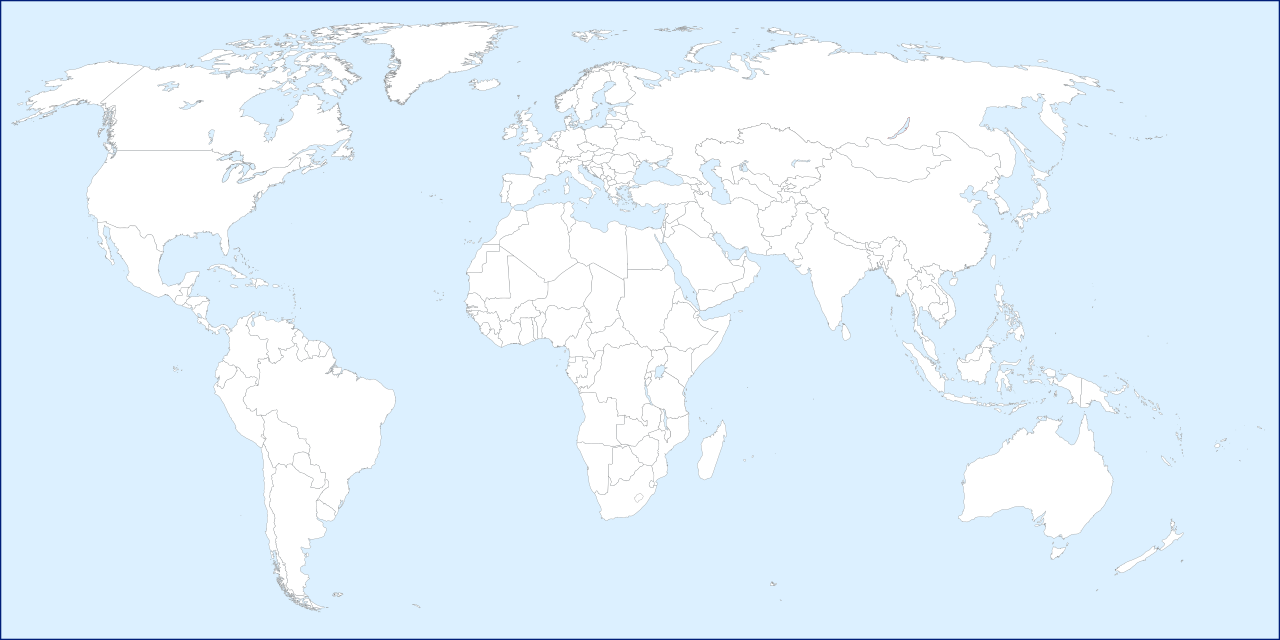 Zambia
National digital inclusion context
This profile organizes the initiatives directly connected to Zambia in the global research inventory. It follows the study's country-profile framework: national context, broadband infrastructure, inclusion practices, education and workforce connections, implementation actors, and intended contribution.
The documented portfolio emphasizes Telecommunications / Broadband Infrastructure, Digital Public Infrastructure, Last-Mile / Access Infrastructure, 5G, Computer / ICT Equipment. The profile treats infrastructure, affordability, capability, institutions, support, and outcomes as an interconnected system.
Portfolio pattern
Counts reflect source-workbook tags. One initiative may appear in multiple infrastructure or technology categories.
Education and workforce
6 initiatives explicitly connect to education, K–12, or college/university contexts, and 5 connect to workforce development. Other investments may enable these outcomes indirectly.
Networks, service availability, devices, and connection quality.
Skills, confidence, accessibility, navigation, and support.
Education, work, health, government, and civic opportunity.
Governance, operations, maintenance, funding, and learning.
Project and initiative portfolio
Every directly tagged record is shown with details and supporting URLs preserved from the research workbook.
K–12 school connectivity and computer-lab project
reducing school-level device, connectivity and learning-environment barriers through a connected computer lab and upgraded facilities
Activities and approach: Construct/renovate school facilities; computer lab; internet connectivity; smart boards; classrooms; water and sanitation improvements
National broadband inclusion
Expands inclusive access to Internet under IDEA Phase 2.
Activities and approach: Broadband connectivity
Broadband backbone expansion
Extends high-speed backbone and regional connectivity into areas where infrastructure is insufficient.
Activities and approach: Backbone fiber; regional links; private-sector participation
Broadband policy / affordability / market development
Improves competition, affordability and investment incentives while reforming universal-service mechanisms.
Activities and approach: Policy/regulatory reform; UASF optimization; 5G incentives; QoS and market development
Broadband infrastructure
Finances broadband infrastructure and services to expand coverage.
Activities and approach: Broadband infrastructure
Digital agriculture / rural inclusion
Uses digital services to connect farmers to market information and smart-farming tools, improving the value of connectivity in rural areas.
Activities and approach: Market data; smart farming tools; sector digitalization
Digital health
Improves health-data systems and digitally enabled service delivery, including rural settings.
Activities and approach: Digital health records; data systems; technology-enabled care
Digital public infrastructure
Builds reusable public digital infrastructure that increases the value of connectivity.
Activities and approach: DPI; data infrastructure; digital services
Digital education
Improves access to e-learning and digital educational content so broadband contributes directly to human-capital development.
Activities and approach: E-learning platforms; digital content; education-sector digitalization
Digital public services
Reengineers public services and connects them to shared digital infrastructure for faster and more transparent delivery.
Activities and approach: E-service redesign; systems integration; government digital ecosystem
Digital skills and jobs
Builds employment-ready digital skills so expanded connectivity translates into jobs and inclusive economic participation.
Activities and approach: Digital literacy; intermediate/advanced skills; job-oriented training; inclusion measures
Digital identity / civil registration
Creates foundational identity and civil-registration modules needed for secure, reusable access to digital public services.
Activities and approach: Digital ID; CRVS core modules; data migration; enrollment kits; backend servers
Digital public infrastructure / interoperability
Builds shared secure platforms so data and services can interoperate across government.
Activities and approach: Data exchange; interoperability; secure platforms; cloud/data infrastructure
Institutional broadband / last mile
Connects key public institutions to broadband so network expansion translates into usable education, health and government services.
Activities and approach: Last-mile broadband; school, health-facility and administrative-centre links
Accessible digital inclusion
Builds inclusive access to Internet and digitally enabled public services.
Activities and approach: Accessible digital services
Targeted digital inclusion
Targets gender gaps in access and use of digitally enabled services.
Activities and approach: Targeted connectivity and skills
ICT Equipment; Youth Digital Skills; Community Access
Creates a community technology access point and strengthens digital competencies for youth who may lack equipment at home.
Activities and approach: Planned ICT equipment handover; youth digital-literacy training; technology-skills development.
National digital government and public-service infrastructure expansion
extending government digital infrastructure and services beyond urban centers so rural citizens can access public services and digital opportunities
Activities and approach: Government ICT infrastructure rollout; connectivity to institutions and local authorities; e-government systems; rural digital-service access
Public-institution satellite connectivity
Connects critical rural public facilities to reliable internet where terrestrial options are limited.
Activities and approach: Starlink installation at public sites; institutional broadband
Public-sector connectivity and digital government infrastructure
Extends reliable connectivity and modern ICT infrastructure to a local government outside major urban centers, improving residents’ access to digitally enabled public services.
Activities and approach: High-speed internet; advanced communication systems; ICT equipment; virtual meetings; digital document processing
Digital health; public digital services; health connectivity
Reduces a health-service digital divide by extending interoperable electronic records and digitally enabled care across urban and rural facilities.
Activities and approach: Electronic health records; patient data digitization; nationwide facility rollout; staff use and service-delivery integration
Digital skills and adoption support
Builds digital capability and adoption support for people and communities affected by digital exclusion, addressing skills and participation barriers.
Activities and approach: Digital-skills training; adoption support
Unified digital public services
Provides a single official entry point to government e-services and online payments, reducing queues and fragmented agency access.
Activities and approach: One-stop portal; authentication; online applications; electronic payments; assisted support
Evidence boundary
Project records document interventions and intended contributions; they do not alone prove nationwide coverage, causal impact, or durable closure.
Profiles will deepen as national statistics, policy documents, evaluations, and implementation evidence are incorporated. Source links allow inspection of underlying evidence.
These sources support the country-level demographic, geographic, and connectivity context. Sources tied to individual projects remain with their project records and are not repeated here.