Infrastructure and access
- Mobile / Wireless Infrastructure5
- Last-Mile / Access Infrastructure2
- Tower / Site Infrastructure2
- Telecommunications / Broadband Infrastructure1
Digital Divide Country Profile · Asia
Closing the digital divide, expanding meaningful connectivity, and advancing digital education and workforce participation.
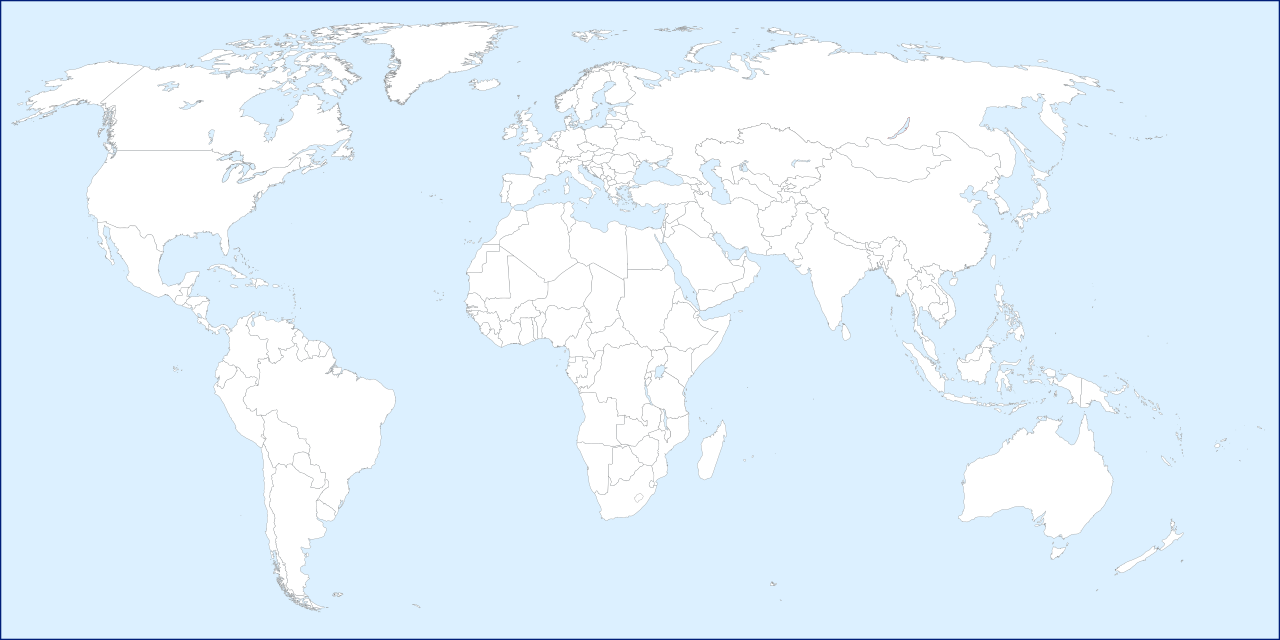
Location in the world

Asia
 Türkiye
National digital inclusion context
This profile organizes the initiatives directly connected to Türkiye in the global research inventory. It follows the study's country-profile framework: national context, broadband infrastructure, inclusion practices, education and workforce connections, implementation actors, and intended contribution.
The documented portfolio emphasizes Mobile / Wireless Infrastructure, Last-Mile / Access Infrastructure, Tower / Site Infrastructure, 5G, Artificial Intelligence (AI). The profile treats infrastructure, affordability, capability, institutions, support, and outcomes as an interconnected system.
Portfolio pattern
Counts reflect source-workbook tags. One initiative may appear in multiple infrastructure or technology categories.
Education and workforce
9 initiatives explicitly connect to education, K–12, or college/university contexts, and 11 connect to workforce development. Other investments may enable these outcomes indirectly.
Networks, service availability, devices, and connection quality.
Skills, confidence, accessibility, navigation, and support.
Education, work, health, government, and civic opportunity.
Governance, operations, maintenance, funding, and learning.
Project and initiative portfolio
Every directly tagged record is shown with details and supporting URLs preserved from the research workbook.
Accessible digital public-service support
Provides sign-language help for users unable to use standard telephone support.
Activities and approach: Live video; sign-language specialists
Accessible customer service and disability inclusion
Provides equal and accessible telecommunications service for customers with disabilities.
Activities and approach: Accessible retail/service design and disability-inclusive customer experience.
Digital employment / equal access
Centralizes public recruitment online, increasing transparency and remote access.
Activities and approach: Vacancies; applications; evaluation; placement; internship opportunities
Digital skills and workforce development platform
Provides large-scale technology training in data science, cybersecurity, programming, K-12, robotics, networking, and databases.
Activities and approach: 100+ asynchronous training contents; bootcamp preparation; online learning.
Digital credentials / trusted documents
Enables remote verification of official documents without paper or in-person checks.
Activities and approach: Barcode/QR verification; mobile scanning
Unified digital public services
Single online access point reduces travel, paperwork and geographic barriers.
Activities and approach: Web/mobile services; secure login; multi-agency integration
Gender equity and technology employment
Supports women employment in technology and more equitable participation.
Activities and approach: Gender-equity employment initiative.
Advanced digital skills / youth employment
Builds advanced tech skills and pathways into digital jobs.
Activities and approach: AI; IoT; coding; programming; responsible AI
Women digital inclusion / entrepreneurship
Builds practical digital-business skills and supports online business growth.
Activities and approach: Digital marketing; e-commerce; social media; mentorship; grants
Applied digital skills / inclusive local innovation
Turns digital skills into inclusive local solutions and civic innovation.
Activities and approach: Mobile apps; AI; MVPs; accessibility technologies; mentoring
5G/mobile broadband expansion
Plans to expand 5G nationwide within two years of the April 2026 launch, extending high-capacity mobile connectivity geographically.
Activities and approach: 5G spectrum; nationwide radio rollout
Women cybersecurity training and workforce development
Expands women participation and skills in cybersecurity and technology careers.
Activities and approach: Cybersecurity learning and development.
Community digital skills / youth employment
Local centers reduce regional skills gaps and improve employability.
Activities and approach: AI/ML; software; digital marketing; design; e-commerce
Digital skills-to-employment transition
Links digital training to work experience and job transitions.
Activities and approach: Mentoring; internships; employment matching
Municipal workforce digital capacity
Builds sustainable municipal capacity for digital skills and transformation.
Activities and approach: Center of Excellence; recurrent staff training
Online digital-skills access
Extends DİGEM training beyond physical centers through blended learning.
Activities and approach: Online courses; certification; blended learning
Rural mobile broadband technology/deployment
Deploys domestically produced 4.5G base stations in universal-service rural sites, extending mobile broadband to remote communities.
Activities and approach: ULAK 4.5G base stations; rural universal-service sites
Rural mobile broadband
Upgrades existing rural GSM sites to 4.5G mobile broadband under the Universal Service Law.
Activities and approach: 4.5G upgrades; existing GSM sites
Rural mobile network build
Builds and operates mobile infrastructure where no mobile network existed, delivering 2G/4.5G service.
Activities and approach: New base stations; 4.5G; shared implementation
Rural fixed wireless broadband
Provides fixed telephone and Internet service in settlements lacking telecom infrastructure.
Activities and approach: WiMAX/fixed wireless access
Women in technology entrepreneurship and skills
Supports women entrepreneurship and participation in technology.
Activities and approach: Entrepreneurship support; technology skills; social-impact programming.
Evidence boundary
Project records document interventions and intended contributions; they do not alone prove nationwide coverage, causal impact, or durable closure.
Profiles will deepen as national statistics, policy documents, evaluations, and implementation evidence are incorporated. Source links allow inspection of underlying evidence.
These sources support the country-level demographic, geographic, and connectivity context. Sources tied to individual projects remain with their project records and are not repeated here.