Infrastructure and access
- Fiber / Fixed Broadband Infrastructure4
- Mobile / Wireless Infrastructure3
- None3
- Digital Public Infrastructure2
- Accessible training network1
Digital Divide Country Profile · Europe
Closing the digital divide, expanding meaningful connectivity, and advancing digital education and workforce participation.
Location in the world

Europe
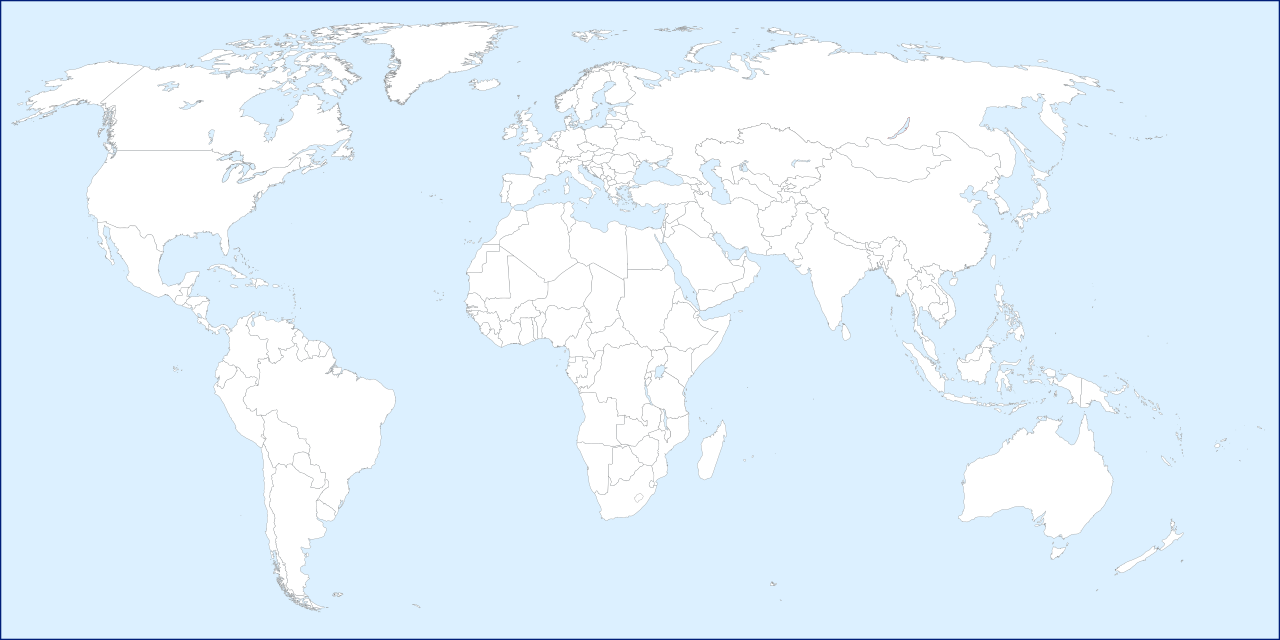 Spain
National digital inclusion context
This profile organizes the initiatives directly connected to Spain in the global research inventory. It follows the study's country-profile framework: national context, broadband infrastructure, inclusion practices, education and workforce connections, implementation actors, and intended contribution.
The documented portfolio emphasizes Fiber / Fixed Broadband Infrastructure, Mobile / Wireless Infrastructure, None, Fiber/Fiber Optic, 5G. The profile treats infrastructure, affordability, capability, institutions, support, and outcomes as an interconnected system.
Portfolio pattern
Counts reflect source-workbook tags. One initiative may appear in multiple infrastructure or technology categories.
Education and workforce
12 initiatives explicitly connect to education, K–12, or college/university contexts, and 9 connect to workforce development. Other investments may enable these outcomes indirectly.
Networks, service availability, devices, and connection quality.
Skills, confidence, accessibility, navigation, and support.
Education, work, health, government, and civic opportunity.
Governance, operations, maintenance, funding, and learning.
Project and initiative portfolio
Every directly tagged record is shown with details and supporting URLs preserved from the research workbook.
Very-rural 5G coverage
Targets the final mobile-coverage gaps by financing 5G in areas where no operator currently provides 4G/5G and no commercial rollout is expected.
Activities and approach: New 5G coverage in eligible very-rural zones; targeted infrastructure deployment.
SME assisted digital adoption
Adds local advisory capacity to complement grants, helping smaller firms choose and implement digital solutions.
Activities and approach: Local digitalization offices; advisory services; demonstrations; awareness; digital-transformation guidance.
Research and parliamentary policy advice
Examined the relationship between ageing and the digital divide to inform Catalan public policy.
Activities and approach: Commissioned research; report to Parliament.
Digital-divide measurement and policy evaluation
Creates a multidimensional index to monitor the divide over time, identify non-take-up, evaluate interventions, and guide public policy.
Activities and approach: Public/private data integration; indicators; stakeholder work sessions; monitoring.
Older-adult digital literacy programme
reducing age-related digital-skills barriers and increasing autonomy in online healthcare, communication and public-service tasks
Activities and approach: Workshops on online procedures, email, smartphone use, medical appointments, communication and everyday digital tasks
Basic digital skills / vulnerable-population inclusion
Provides in-person foundational digital-skills training to groups at high risk of exclusion from everyday online services and employment.
Activities and approach: Eight-hour small-group courses; practical digital skills; safe use; employability-oriented digital competence.
Older-adult digital inclusion research
Diagnoses intersectional barriers and provides twelve recommendations to promote digital inclusion among older people.
Activities and approach: Research; analysis; parliamentary recommendations.
National broadband gap-closing plan
Coordinates public investment to close the urban-rural gap and provide >100 Mbps coverage to the whole population.
Activities and approach: Fiber/VHCN; rural intervention; gigabit links for industry/research
National digital inclusion and transformation strategy
National initiative referenced as part of public efforts to reduce digital exclusion.
Activities and approach: Digital transformation and inclusion strategy.
Accessible Digital Skills; Disability Inclusion; Workforce Development
Reduces disability-related digital-skills barriers through accessible training, individualized tutoring and national-scale course delivery.
Activities and approach: Twelve workshop modules; face-to-face training; individualized tutoring; mobile-device use; Windows; navigation; digital security; digital identity; intellectual property; AI; employment-oriented digital skills.
Advanced digital skills / AI talent
Addresses the advanced-skills side of the digital divide by expanding access to structured, publicly financed AI research and training pathways.
Activities and approach: 374 funded research contracts; AI and digital-transformation research; complementary 240-ECTS training pathway.
Digital inclusion initiative
Builds digital capability and adoption support for rural, remote, underserved, or unserved communities, addressing skills and participation barriers.
Activities and approach: Targeted digital inclusion activities described in the cited source
SME digital inclusion / adoption
Subsidizes adoption of digital tools by smaller firms that otherwise face cost and capability barriers to digital transformation.
Activities and approach: Digital solution vouchers; websites; e-commerce; cybersecurity; digital workplace and other approved solutions.
Digital skills and adoption support
Builds digital capability and adoption support for rural, remote, underserved, or unserved communities, addressing skills and participation barriers.
Activities and approach: Digital-skills training; adoption support
Mobile digital public services
Simplifies access to public services through a single mobile/web interface, reducing administrative, navigation and distance barriers.
Activities and approach: Mobile app and web portal; personal data and records; benefits and grants; alerts; administrative submissions; integrated local/regional services.
National digital-skills strategy
Coordinates school-to-university digital education, workforce reskilling, gender-gap interventions and training in demographically declining areas.
Activities and approach: Basic and advanced digital skills; education digitalization; reskilling; gender and rural inclusion; workforce training.
Digital inclusion strategy
Government initiative referenced as part of efforts to reduce the digital divide and expand inclusion.
Activities and approach: Digital-society policy and inclusion actions.
National digital-skills ecosystem
Coordinates public, private and third-sector training opportunities to raise digital competence and close skills gaps across the population.
Activities and approach: Digital-skills initiative registry; self-assessment; public-private commitments; training discovery.
Provincial responsible-AI and digital-inclusion strategy
preventing a new AI divide by giving small municipalities shared governance, infrastructure, literacy and service capabilities
Activities and approach: Common AI governance framework; provincial AI ecosystem mapping; infrastructure planning; literacy; shared pilots; monitoring and evaluation
AI accessibility and public-information pilot
reducing informational and literacy barriers by translating legal and bureaucratic language into clearer public-facing content
Activities and approach: AI system reformulates legal, administrative and bureaucratic text using interdisciplinary clear-language guidance
AI literacy and community capacity-building programme
building the skills required to benefit from AI-enabled public services without widening territorial or social digital divides
Activities and approach: 22 planned literacy and awareness initiatives over three years supporting AI readiness and inclusive participation
AI-enabled public-service access pilot
reducing service-access barriers through 24/7 web and voice assistance for administrative procedures
Activities and approach: Web chatbot and voice-based virtual call center designed to resolve procedures, requests and tax-related questions
Rural digital skills / inclusion
Targets the rural skills divide with practical basic digital training tailored to populations in small and dispersed communities.
Activities and approach: Basic digital-skills courses; safe online communication and transactions; local and online training delivery.
Rural 5G backhaul
Funds fiber backhaul to mobile network sites so operators can extend 5G into low-density areas.
Activities and approach: Fiber backhaul; active/passive mobile-site infrastructure
Rural 5G radio-access deployment
Finances active 5G standalone infrastructure where adequate mobile coverage is absent and not expected commercially.
Activities and approach: 5G SA; new/densified antennas; edge/network slicing capable equipment
SME connectivity affordability
Reduces the cost of connectivity and associated services for smaller firms, complementing the Kit Digital adoption programme.
Activities and approach: Connectivity vouchers; internet-access services; associated business-connectivity solutions.
Universal rural satellite broadband / affordability
Provides an interim nationwide ultrafast broadband option via satellite while fiber deployment reaches remaining gaps.
Activities and approach: Satellite broadband; subsidized service; Conectate35 platform
Rural ultrafast fixed broadband
Funds deployment of symmetric ≥300 Mbps networks scalable to 1 Gbps to reach populations left outside commercial fiber plans.
Activities and approach: FTTH/VHCN; operator grants
Indigenous-language digital-inclusion and AI-resource project
adding an underserved language to an open multilingual dataset used by translation and AI systems
Activities and approach: Native-speaker translation and review, dataset preparation, quality assurance, and open publication
Evidence boundary
Project records document interventions and intended contributions; they do not alone prove nationwide coverage, causal impact, or durable closure.
Profiles will deepen as national statistics, policy documents, evaluations, and implementation evidence are incorporated. Source links allow inspection of underlying evidence.
These sources support the country-level demographic, geographic, and connectivity context. Sources tied to individual projects remain with their project records and are not repeated here.