Infrastructure and access
- Public Wi-Fi / Community Network Infrastructure5
- Last-Mile / Access Infrastructure4
- Institutional / School Connectivity Infrastructure3
- Digital Public Infrastructure2
- Infrastructure Planning / Mapping / Funding2
Digital Divide Country Profile · Africa
Closing the digital divide, expanding meaningful connectivity, and advancing digital education and workforce participation.
Location in the world

Africa
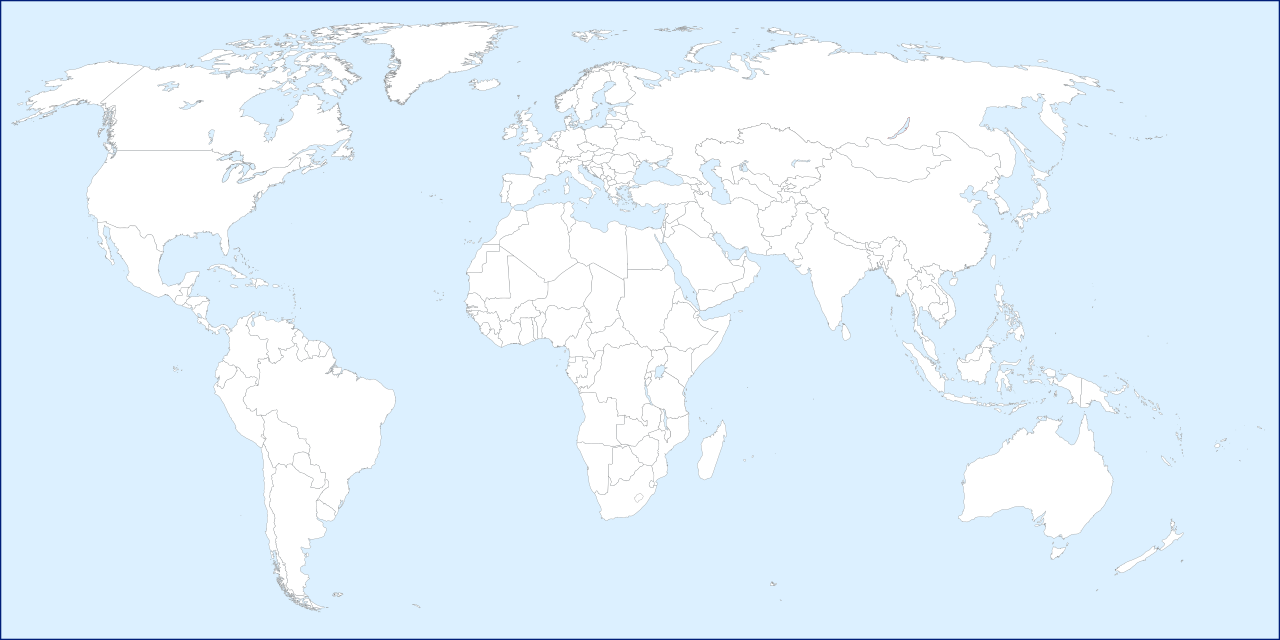 South Africa
National digital inclusion context
This profile organizes the initiatives directly connected to South Africa in the global research inventory. It follows the study's country-profile framework: national context, broadband infrastructure, inclusion practices, education and workforce connections, implementation actors, and intended contribution.
The documented portfolio emphasizes Public Wi-Fi / Community Network Infrastructure, Last-Mile / Access Infrastructure, Institutional / School Connectivity Infrastructure, Wi-Fi, Artificial intelligence. The profile treats infrastructure, affordability, capability, institutions, support, and outcomes as an interconnected system.
Portfolio pattern
Counts reflect source-workbook tags. One initiative may appear in multiple infrastructure or technology categories.
Education and workforce
27 initiatives explicitly connect to education, K–12, or college/university contexts, and 21 connect to workforce development. Other investments may enable these outcomes indirectly.
Networks, service availability, devices, and connection quality.
Skills, confidence, accessibility, navigation, and support.
Education, work, health, government, and civic opportunity.
Governance, operations, maintenance, funding, and learning.
Project and initiative portfolio
Every directly tagged record is shown with details and supporting URLs preserved from the research workbook.
Community-led broadband infrastructure, public Wi-Fi and local ISP capacity building
Builds locally managed last-mile networks while strengthening the technical, business and regulatory capacity of community providers that serve locations larger ISPs often do not reach.
Activities and approach: Selection, training and licensing of 25 LCNOs; public Wi-Fi deployment; public-facility connectivity; household broadband; MikroTik and Ubiquiti training; regulatory support; community-owned network development
LEO satellite broadband partnership
combining low-Earth-orbit satellite broadband with an established South African ISP footprint to widen connectivity options.
Activities and approach: Partner Amazon Leo satellite broadband with Herotel service/network capabilities
Digital Skills; Community Transformation; Smart City; Workforce Development
Creates a long-term, locally anchored technology and skilling partnership focused on digital education and community capacity.
Activities and approach: Digital education and skilling; AI literacy; cybersecurity skills; connected safety; smart mobility; entrepreneurship; community activation.
Large-scale digital literacy and networking-skills initiative
providing digital literacy, cybersecurity, CCNA, and networking instruction at population scale
Activities and approach: Digital literacy; cybersecurity training; CCNA and networking courses; TVET delivery
Community broadband; local ISP consortium; affordable internet; rural and township connectivity
Seeks to aggregate community-level providers into a scalable delivery model capable of extending affordable broadband into areas underserved by larger commercial networks.
Activities and approach: Form consortium of community internet providers; coordinate open-source/open-access broadband expansion; scale community networks across seven provinces; align local-provider deployment with national connectivity efforts
Broadband infrastructure; 5G-Advanced; fixed wireless access; wholesale open-access connectivity
Adds a large-scale alternative to fiber by using standards-based 5G-Advanced fixed wireless infrastructure to reach more households quickly, expand provider choice and improve broadband availability.
Activities and approach: Build standalone 5G-Advanced wholesale network; deploy approximately 2,000 base stations; provide C-band FWA capacity to service providers; expand from Gauteng to additional provinces and regional centres
AI skills / workforce development
Provides free national-scale AI training to improve workforce participation in an increasingly AI-enabled economy.
Activities and approach: Six online AI courses; free learning; certificates
Rural community digital-access and skills centre
creating a local access point where rural residents can build digital skills, use online services, access markets and pursue education and employment
Activities and approach: Community computer centre; digital-skills support; education resources; employment access; agriculture information and market access
Youth digital skills; AI; robotics; career exposure; mentorship
Provides no-cost hands-on exposure to advanced technologies and sustained mentorship for learners who often have little or no prior computer access.
Activities and approach: Six-day bootcamp; AI; robotics; automation; cybersecurity; VR; entrepreneurship; industry visits; mentoring
Digital skills / workforce inclusion
Builds digital capabilities required to benefit from expanding connectivity and digitally delivered services, with a particular focus on youth employability.
Activities and approach: Digital training; workforce upskilling; future-skills development.
Provincial broadband / public Wi-Fi
Extends government-network capacity and community Wi-Fi into areas with persistent affordability and household-connectivity gaps.
Activities and approach: WAN/LAN expansion; public Wi-Fi hotspots; VoIP; connectivity to public institutions and TISH communities.
School connectivity planning and procurement
Supports school mapping, infrastructure planning, monitoring, finance and procurement to advance universal school connectivity.
Activities and approach: GIS mapping; school connectivity monitoring; planning; procurement.
AI skills; startup support; entrepreneurship
Broadens access to advanced AI training, mentorship and non-dilutive support for local founders, strengthening participation in the AI economy.
Activities and approach: AI-focused curriculum; hands-on mentorship; technical support; equity-free funding
Women’s digital skills; AI literacy; entrepreneurship; gender inclusion
Reduces the digital gender divide by building practical AI, cloud and advanced-connectivity knowledge among women and supporting digital-first entrepreneurship.
Activities and approach: AI training; cloud computing; 5G-A introduction; digital-business tools; leadership and enterprise-growth sessions
Higher-education ICT skills / certification
Strengthens university-based ICT training and certification capacity for digital-economy careers.
Activities and approach: ICT Academy support center; instructor support; certification pathways; training resources
School digital-skills and device-access programme
providing devices, coding education, and sustained digital-learning support to schools with weak connectivity and limited trained staff
Activities and approach: Coding instruction; digital education; device access; innovation and problem-solving activities
Community learning hub / K-12 digital access
Provides free digital learning content and onsite education support in an accessible community location.
Activities and approach: Free Vodacom e-School content; onsite educational support; learner access space
Higher education access / device access / digital skills / financial literacy
Reduces higher-education exclusion by addressing the combined barriers of registration cost, device access, digital skills, online learning resources, and financial capability.
Activities and approach: Registration support; laptop provision; digital training; online learning resources; financial literacy workshops; partnership with Africa Tikkun
Smart village microgrid / energy access / digital-enabling infrastructure
Provides reliable off-grid power that enables connected services and digital participation in communities beyond practical grid reach.
Activities and approach: Standalone microgrid; solar generation; battery storage; smart metering; distributed energy control; remote-community electrification
College computer labs and digital skills
Adds substantial computer capacity for higher education and technology-skills development in an inner-city learning ecosystem.
Activities and approach: Three fully equipped computer laboratories
Municipal fiber backbone rehabilitation
strengthening the resilient fiber backbone that supports public Wi-Fi, municipal buildings, digital communications and smart-city services
Activities and approach: Rehabilitation and upgrade of strategic fiber sections, wayleave coordination, trenching and restoration of core network links
AI literacy / workforce skilling
Expands free and partner-delivered AI learning so that access to AI capabilities does not become a new skills-based digital divide.
Activities and approach: AI fundamentals; role-based learning paths; AI Skills Navigator; industry-recognized certification pathways; partner-delivered training
Accessible digital public services
Creates a single digital entry point for government services and is designed as a zero-rated channel, directly reducing navigation and data-cost barriers.
Activities and approach: Gov.za platform; MyMzansi app; zero-rated access; digital wallet; unified government-service discovery.
Digital identity / digital public infrastructure
Creates a reusable digital identity and verified-document wallet so residents can authenticate remotely and access services without repeated in-person verification.
Activities and approach: Functional Digital ID; verified document sharing; digital wallet; remote authentication.
Digital payments / financial inclusion
Aims to enable secure, low-cost, real-time transactions between government and citizens, improving inclusion for people facing high payment and transaction costs.
Activities and approach: Real-time payments; interoperable government payment services; social-protection integration.
Government data exchange / DPI
Reduces repetitive paperwork and fragmented service delivery by allowing agencies to securely reuse verified information already held elsewhere in government.
Activities and approach: Real-time government data exchange; interoperable administrative databases; verified data access.
Community skills hub / employment access
Provides local computer access, free Wi-Fi and employment services to address youth unemployment and digital exclusion together.
Activities and approach: Computer lab; free Wi-Fi; municipal e-Recruitment portal; career and skills support
School broadband
Aims to connect all public schools and overcome geographic and socioeconomic disparities in educational internet access.
Activities and approach: School broadband; universal-service obligations; fiber/wireless connectivity.
Satellite broadband / resilient remote connectivity
Establishes a satellite-based complement to terrestrial networks to improve resilience and reach underserved remote areas.
Activities and approach: South African-owned satellite system; satellite broadband; resilient communications; remote-service delivery.
Broadband and telecommunications deployment
Expands or enables connectivity for rural, remote, underserved, or unserved communities, addressing availability and service-quality barriers.
Activities and approach: Network deployment or expansion; connectivity delivery
School device access / digital literacy
Combines connected devices with structured digital-literacy instruction for learners from communities facing access and skills disparities.
Activities and approach: 40 laptops; broadband connectivity; cyber lab; digital-literacy curriculum for teachers and students.
Rural and township digital-skills and connectivity lab
bringing connected learning and emerging-technology exposure to an underserved community
Activities and approach: Mobile digital-lab deployment, connectivity, skills instruction, and emerging-technology demonstrations
Government workforce digital skills
Strengthens the human capability needed to operate inclusive digital government services rather than leaving new systems inaccessible or underused.
Activities and approach: Digital literacy; cybersecurity awareness; AI fluency; partnership-based workforce training.
School digital lab / skills
Expands access to computing and digital learning in a township school.
Activities and approach: Donation and installation of digital lab; computer access; technology-supported teaching
Public Wi-Fi / last-mile broadband
Extends free/affordable local broadband access from backbone/government sites into communities through tens of thousands of Wi-Fi hotspots.
Activities and approach: 32,000+ planned community Wi-Fi hotspots; household coverage.
Public-sector broadband / national broadband policy
Uses public institutions as anchor demand to extend broadband into underserved districts and stimulate network investment.
Activities and approach: Broadband to government facilities; anchor-tenant model; network build stimulation.
Universal household and community broadband
Targets universal broadband access, including household coverage and public-sector connectivity.
Activities and approach: National broadband rollout; last-mile providers; public/private infrastructure.
Health-facility broadband
Extends broadband to health facilities as a social-obligation component.
Activities and approach: Broadband connections
Community/public-service broadband
Connects shared public facilities that serve residents without home broadband.
Activities and approach: Broadband connections
Government/public-safety broadband
Connects police facilities to reliable broadband and digital systems.
Activities and approach: Broadband connections
Inclusive broadband delivery
Uses smaller local ISPs to deliver community connectivity and broaden participation in the telecom economy.
Activities and approach: ISP contracting; community Wi-Fi
Rural public-institution broadband
Extends broadband into local traditional-authority sites that can anchor rural access.
Activities and approach: Broadband connections
Early-learning technology-access initiative
providing educators and children with technology tools from an early age
Activities and approach: ICT equipment handover and early digital-learning support
Affordability and regulatory digital-access mechanism
Reduces mobile-data cost as a barrier to socially valuable online information by making eligible PBO content accessible without consuming users’ data allowances.
Activities and approach: PBO eligibility review; operator implementation; mobile data zero-rating; Social Innovation Register; license-condition enforcement
AI literacy; advanced digital skills; workforce development; innovation
Addresses the emerging divide between people who are connected and those who possess the AI and digital skills needed to participate productively in the economy.
Activities and approach: AI education and training; digital skills; local innovation; inclusive participation; workforce preparation
Rural public Wi-Fi infrastructure
Creates a free community access point in a rural municipality where household connectivity may be limited or unaffordable.
Activities and approach: Public Wi-Fi network tower; free community internet access
Satellite broadband; rural connectivity; humanitarian and community access; affordability
Uses commercially sustainable satellite services to reach locations where terrestrial broadband deployment is difficult or uneconomic.
Activities and approach: Impact Marketplace project matching; managed satellite deployments; Twoobii GEO and LEO connectivity; local partner implementation
Advanced digital skills / innovation inclusion
Provides hands-on access to equipment and practical digital-production skills that can translate connectivity into employment and entrepreneurship.
Activities and approach: Digital printing; laser cutting; 3D printing; maker technologies; applied digital-skills training.
Broadband and telecommunications deployment
Expands or enables connectivity for rural, remote, underserved, or unserved communities, addressing availability and service-quality barriers.
Activities and approach: Network deployment or expansion; connectivity delivery
Evidence boundary
Project records document interventions and intended contributions; they do not alone prove nationwide coverage, causal impact, or durable closure.
Profiles will deepen as national statistics, policy documents, evaluations, and implementation evidence are incorporated. Source links allow inspection of underlying evidence.
These sources support the country-level demographic, geographic, and connectivity context. Sources tied to individual projects remain with their project records and are not repeated here.