Digital Divide Country Profile · Europe

RS

Serbia

Closing the digital divide, expanding meaningful connectivity, and advancing digital education and workforce participation.

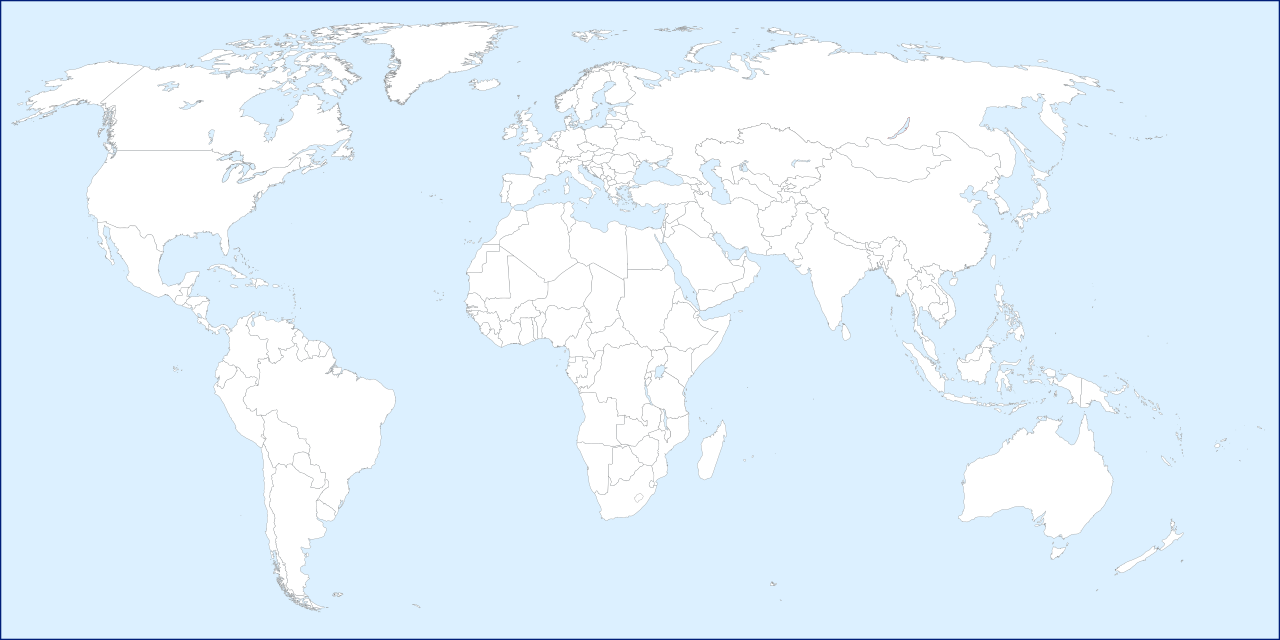
Location in the world
Serbia

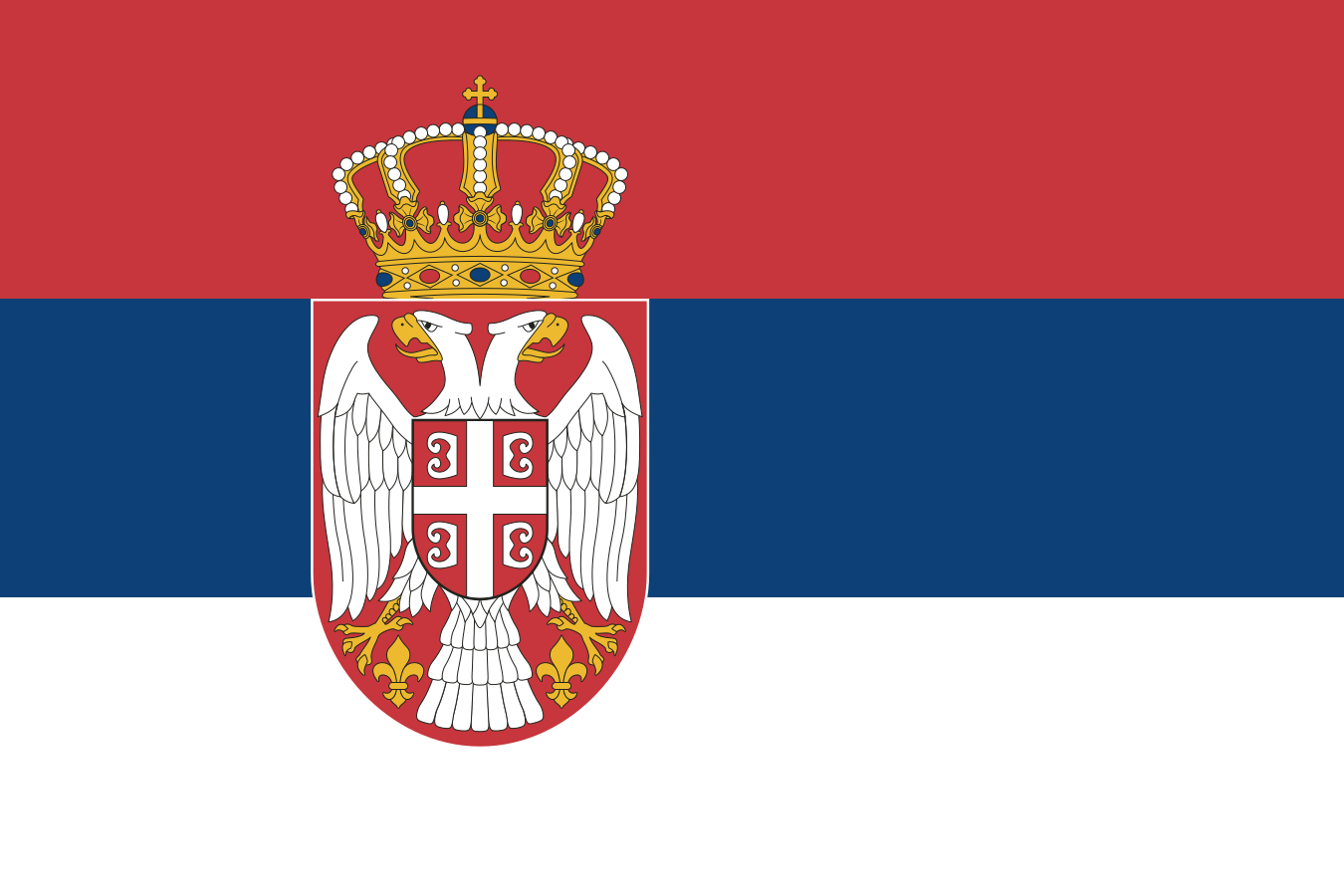
Flag of Serbia

Europe

World map showing the location of SerbiaSerbia
🇷🇸
Population (2024)
6,586,476
Total area
77,474 km²
Area in square miles
29,912.87 mi²
Coastline
Landlocked · 0 km
Base map adapted from Wikimedia Commons. Population: World Bank (2024); geography: CIA World Factbook.

National digital inclusion context

A portfolio-based view of access, capability, and outcomes.

This profile organizes the initiatives directly connected to Serbia in the global research inventory. It follows the study's country-profile framework: national context, broadband infrastructure, inclusion practices, education and workforce connections, implementation actors, and intended contribution.

The documented portfolio emphasizes Fiber / Fixed Broadband Infrastructure, Infrastructure Planning / Mapping / Funding, Institutional / School Connectivity Infrastructure, Fiber/Fiber Optic, 5G. The profile treats infrastructure, affordability, capability, institutions, support, and outcomes as an interconnected system.

Portfolio pattern

What the documented response contains.

Counts reflect source-workbook tags. One initiative may appear in multiple infrastructure or technology categories.

Infrastructure and access

  1. Fiber / Fixed Broadband Infrastructure7
  2. Infrastructure Planning / Mapping / Funding4
  3. Institutional / School Connectivity Infrastructure4
  4. Last-Mile / Access Infrastructure3
  5. Backbone / Backhaul / Middle-Mile Infrastructure2

Specific technologies

  1. Fiber/Fiber Optic7
  2. 5G2
  3. Wi-Fi2
  4. Digital learning and online-safety tools1
  5. online learning1

Intervention classification

  1. Infrastructure and Specific Technology11
  2. Infrastructure only3
  3. Child digital-skills and online-safety education project1
  4. Digital literacy / education1
  5. Neither explicitly identified1

Education and workforce

Connectivity becomes consequential through participation.

10 initiatives explicitly connect to education, K–12, or college/university contexts, and 1 connect to workforce development. Other investments may enable these outcomes indirectly.

Access

Networks, service availability, devices, and connection quality.

Capability

Skills, confidence, accessibility, navigation, and support.

Participation

Education, work, health, government, and civic opportunity.

Sustainability

Governance, operations, maintenance, funding, and learning.

Project and initiative portfolio

18 documented records

Every directly tagged record is shown with details and supporting URLs preserved from the research workbook.

01

Broadband planning / market failure identification

2024–2026 Rural Broadband Market-Gap Mapping – 201 Settlements

2024–2027 market-testing stage · 201 listed settlements
View details
Status / period2024–2027 market-testing stageLocation201 listed settlementsPopulationResidents of settlements lacking planned commercial investmentOrganizationsMinistry of Information and Telecommunications; telecom operators

Identifies settlements where public intervention is needed because operators have no near-term build plans.

Activities and approach: Coverage mapping; market consultation

Infrastructure Planning / Mapping / Funding
02

Rural broadband contracts

2025 Rural Broadband Co-Build Contracts – 419 Settlements

Contracts signed Dec 2025; build 2026–27 · 419 settlements
View details
Status / periodContracts signed Dec 2025; build 2026–27Location419 settlementsPopulationAbout 60,000 householdsOrganizationsMinistry of Information and Telecommunications; Telekom; Orion; CETIN; A1

Creates new high-speed access through four separately contracted operator partnerships.

Activities and approach: 100+ Mbps fixed ultrafast or IMT mobile access

03

5G innovation connectivity

5G Coverage of Science and Technology Parks

Operational / strategy implementation · Science and technology parks
View details
Status / periodOperational / strategy implementationLocationScience and technology parksPopulationResearchers, startups and technology firmsOrganizationsGovernment of Serbia; mobile operators

Provides advanced mobile connectivity at innovation hubs ahead of wider national rollout.

Activities and approach: 5G mobile network

Mobile / Wireless InfrastructureInfrastructure Planning / Mapping / Funding5G
04

Rural broadband infrastructure

Broadband Infrastructure Development Programme for Rural and Underdeveloped Areas 2024–2026

2024–2026 · Rural and underdeveloped areas
View details
Status / period2024–2026LocationRural and underdeveloped areasPopulation~152,000 households plus ~880 schools/public institutionsOrganizationsGovernment of Serbia; Ministry of Information and Telecommunications

Uses state incentives to extend broadband to households and public institutions in areas not adequately served by the market.

Activities and approach: Fiber/high-speed broadband; public subsidies; institutional connections

Fiber / Fixed Broadband InfrastructureTelecommunications / Broadband InfrastructureFiber/Fiber Optic
05

School broadband and LAN/Wi-Fi

Connected Schools Project

2018–2023; support ongoing · More than 3,800 primary and secondary school facilities
View details
Status / period2018–2023; support ongoingLocationMore than 3,800 primary and secondary school facilitiesPopulationStudents, teachers and school staffOrganizationsMinistry of Information and Telecommunications; schools

Provides fast reliable Internet plus Wi-Fi/LAN networks across schools, reducing education-related access disparities.

Activities and approach: School Internet; Wi-Fi; LAN; switching; maintenance and IT support

Institutional / School Connectivity InfrastructureWi-Fi
06

Parent digital literacy / child online safety

Digital Compass for Parents – UNICEF and Yettel

Launched June 27, 2025 · Serbia nationwide
View details
Status / periodLaunched June 27, 2025LocationSerbia nationwidePopulationParents, caregivers, teachers and childrenOrganizationsUNICEF Serbia; YettelFundingNot stated in source

Helps adults guide children safely and confidently online, reducing skills gaps that can limit family participation in digital education and services.

Activities and approach: Three guidance brochures; digital parenting education; online safety and digital-literacy resources

Not applicable
Unicef. (2025). UNICEF and Yettel Launch " Digital Compass for Parents". https://www.unicef.org/serbia/en/press-releases/unicef-and-yettel-launch-digital-compass-parentsOpen supporting source ↗
07

5G event/urban infrastructure

EXPO 2027 5G Coverage Programme

Planned through 2027 · EXPO 2027 complex
View details
Status / periodPlanned through 2027LocationEXPO 2027 complexPopulationVisitors, exhibitors, businesses and public servicesOrganizationsGovernment of Serbia; regulator; mobile operators

Creates high-capacity next-generation connectivity for a nationally significant site and associated digital services.

Activities and approach: 5G mobile network

Mobile / Wireless InfrastructureInfrastructure Planning / Mapping / Funding5G
08

Public/community Internet access

Free Internet in 117 Municipalities

2026 rollout · 117 municipalities
View details
Status / period2026 rolloutLocation117 municipalitiesPopulationResidents and communities needing public Internet accessOrganizationsGovernment of Serbia; GIZ / German Development Cooperation

Creates free Internet access points across municipalities, supporting people who lack adequate private connectivity.

Activities and approach: Public Wi-Fi/free Internet; municipal access

Public Wi-Fi / Community Network InfrastructureWi-Fi
09

School connectivity mapping and improvement

Giga School Connectivity Initiative – Serbia

Joined 2025; implementation ongoing · Educational institutions, especially rural/remote schools
View details
Status / periodJoined 2025; implementation ongoingLocationEducational institutions, especially rural/remote schoolsPopulationStudents and school communitiesOrganizationsMinistry of Education; UNICEF; ITU Giga

Uses the UNICEF–ITU Giga framework to improve school Internet connectivity, with emphasis on rural and remote areas.

Activities and approach: School connectivity mapping; broadband improvement; international technical support

Institutional / School Connectivity InfrastructureInfrastructure Planning / Mapping / Funding
10

Last-mile broadband

Operator-Funded Rural Broadband Last-Mile Network

2020–2027 · Broadband white zones
View details
Status / period2020–2027LocationBroadband white zonesPopulationHouseholds, schools, SMEs and farmsOrganizationsSelected telecom operators

Extends service from the publicly funded transport network directly to end users.

Activities and approach: Technology-neutral last mile

Backbone / Backhaul / Middle-Mile InfrastructureLast-Mile / Access Infrastructure
11

Rural fiber deployment

Rural Broadband Joint Construction Project – Phase 2

2025–ongoing · Rural municipalities including Lučani and others
View details
Status / period2025–ongoingLocationRural municipalities including Lučani and othersPopulationHouseholds in remote villagesOrganizationsMinistry of Information and Telecommunications; local governments; operators

Extends optical high-speed Internet to villages through a second phase of jointly built rural broadband infrastructure.

Activities and approach: Optical fiber; joint public/private construction

Fiber / Fixed Broadband InfrastructureTelecommunications / Broadband InfrastructureFiber/Fiber Optic
12

Rural fiber deployment

Rural Broadband Phase 1 – 370 Settlements / 64,300 Households

2022–2024; substantially completed · 370 settlements in 83 municipalities
View details
Status / period2022–2024; substantially completedLocation370 settlements in 83 municipalitiesPopulation64,300 households in broadband white zonesOrganizationsMinistry of Information and Telecommunications; operators

Extends high-speed fixed broadband into rural white areas through a defined first-phase deployment package.

Activities and approach: 1,508 km optical fiber; public/private co-build

Fiber / Fixed Broadband InfrastructureFiber/Fiber Optic
13

School broadband

Rural Broadband Phase 1 – 379 School Connections

2022–2024 · 379 schools in Phase 1 municipalities
View details
Status / period2022–2024Location379 schools in Phase 1 municipalitiesPopulationStudents and teachers in rural schoolsOrganizationsMinistry of Information and Telecommunications; schools; operators

Connects rural schools alongside household broadband deployment, strengthening educational access.

Activities and approach: School fiber/high-speed Internet

Fiber / Fixed Broadband InfrastructureLast-Mile / Access InfrastructureInstitutional / School Connectivity InfrastructureFiber/Fiber Optic
14

Rural fiber deployment

Rural Broadband Phase 2 – 580 Settlements / ~4,000 km Fiber

2024–2027 · 580 dispersed rural settlements
View details
Status / period2024–2027Location580 dispersed rural settlementsPopulationRemote households and local businessesOrganizationsMinistry of Information and Telecommunications; operators

Extends broadband deeper into more dispersed rural areas than Phase 1.

Activities and approach: ~4,000 km optical fiber

Fiber / Fixed Broadband InfrastructureFiber/Fiber Optic
15

School broadband

Rural Broadband Second-Phase School Programme – ~700 Primary Schools and Satellite Units

2025–2027 · Rural primary schools and satellite units
View details
Status / period2025–2027LocationRural primary schools and satellite unitsPopulationStudents and teachersOrganizationsMinistry of Information and Telecommunications; education institutions

Extends Internet access to hundreds of rural school facilities as part of the second phase.

Activities and approach: Fiber/high-speed Internet

Fiber / Fixed Broadband InfrastructureInstitutional / School Connectivity InfrastructureFiber/Fiber Optic
16

Student coding and programming education

Serbia Online Programming Programme for Students

Active / reported 2025 · Serbia nationwide
View details
Status / periodActive / reported 2025LocationSerbia nationwidePopulationSecondary-school and young learnersOrganizationsUnited Nations Development Programme and Serbian partnersFundingNot stated in source

Builds programming capability and digital confidence among students across Serbia.

Activities and approach: Online programming instruction and completion programme

Not applicableProgrammingonline learning
United Nations Development Programme. (2025). Over 300 Students from Across Serbia Complete Online Programming Programme. https://www.undp.org/serbia/news/over-300-students-across-serbia-complete-online-programming-programmeOpen supporting source ↗
17

Middle-mile fiber

State-Funded Rural Broadband Middle-Mile Network

2020–2027 · Broadband white zones
View details
Status / period2020–2027LocationBroadband white zonesPopulationRural settlements, ISPs and public institutionsOrganizationsGovernment of Serbia; Ministry of Information and Telecommunications

Publicly finances transport infrastructure linking local access networks to major Internet providers.

Activities and approach: Middle-mile fiber transport

Fiber / Fixed Broadband InfrastructureBackbone / Backhaul / Middle-Mile InfrastructureLast-Mile / Access InfrastructureFiber/Fiber Optic
18

Child digital-skills and online-safety education project

UNICEF Serbia Bridging the Digital Divide and Improving Digital Skills Project

Project activities reported June 2026 · Participating schools and communities in Serbia
View details
Status / periodProject activities reported June 2026LocationParticipating schools and communities in SerbiaPopulationChildren learning to use digital technologies safely and effectivelyOrganizationsUNICEF Serbia and participating education partners

combining access-oriented digital skills with practical online-safety learning

Activities and approach: Digital-skills education, online-safety instruction, classroom activities, and everyday-life application

Digital learning and online-safety tools
UNICEF Serbia. (2026). Digital Safety – Learning to Grow Up Safe Online. https://www.unicef.org/serbia/en/stories/digital-safety-learning-grow-safe-onlineOpen supporting source ↗

Evidence boundary

Read the portfolio as a starting point, not a final verdict.

Project records document interventions and intended contributions; they do not alone prove nationwide coverage, causal impact, or durable closure.

Profiles will deepen as national statistics, policy documents, evaluations, and implementation evidence are incorporated. Source links allow inspection of underlying evidence.

Evidence and contextProfile Sources

These sources support the country-level demographic, geographic, and connectivity context. Sources tied to individual projects remain with their project records and are not repeated here.

  1. Central Intelligence Agency. (n.d.). Serbia. The World Factbook. Retrieved September 26, 2026, from https://www.cia.gov/the-world-factbook/countries/serbia/
  2. International Telecommunication Union. (n.d.). ITU DataHub: Country ICT data. Retrieved September 26, 2026, from https://datahub.itu.int/
  3. World Bank. (n.d.). Individuals using the Internet (% of population): Serbia. World Development Indicators. Retrieved September 26, 2026, from https://data.worldbank.org/indicator/IT.NET.USER.ZS?locations=RS
  4. World Bank. (n.d.). Population, total: Serbia. World Development Indicators. Retrieved September 26, 2026, from https://data.worldbank.org/indicator/SP.POP.TOTL?locations=RS

Compare another country.

All country profiles →