Infrastructure and access
- Fiber / Fixed Broadband Infrastructure8
- Submarine / International Cable Infrastructure4
- Satellite Infrastructure3
- Backbone / Backhaul / Middle-Mile Infrastructure1
Digital Divide Country Profile · Oceania
Closing the digital divide, expanding meaningful connectivity, and advancing digital education and workforce participation.
Location in the world

Oceania
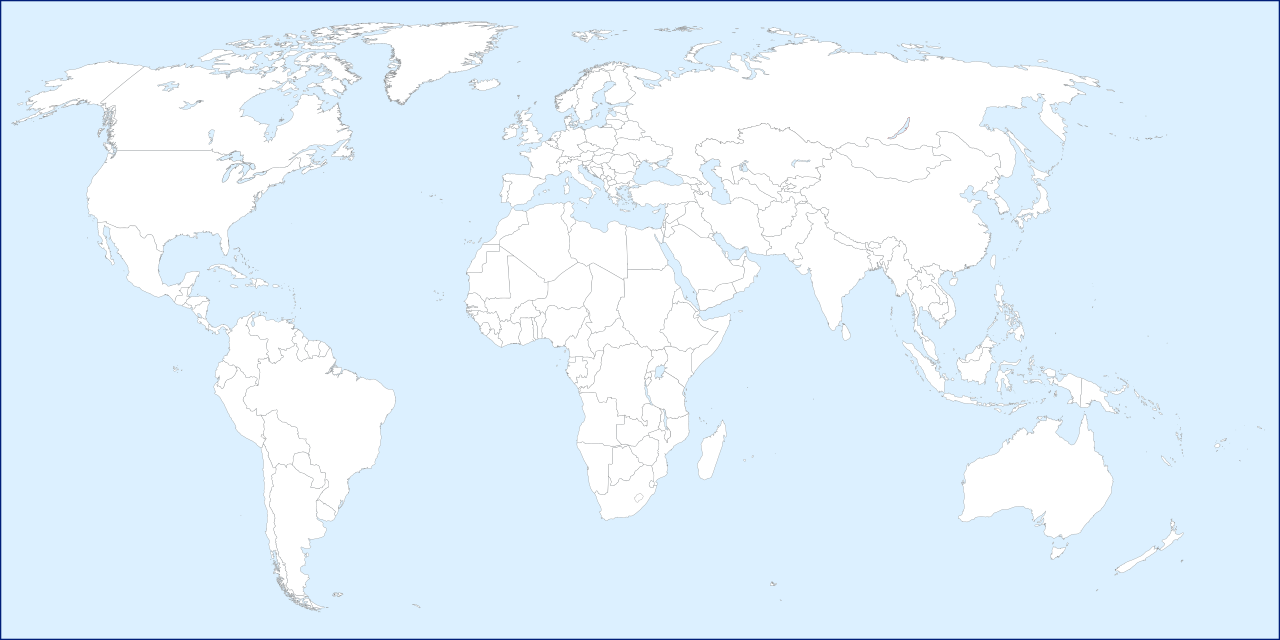 Micronesia
National digital inclusion context
This profile organizes the initiatives directly connected to Micronesia in the global research inventory. It follows the study's country-profile framework: national context, broadband infrastructure, inclusion practices, education and workforce connections, implementation actors, and intended contribution.
The documented portfolio emphasizes Fiber / Fixed Broadband Infrastructure, Submarine / International Cable Infrastructure, Satellite Infrastructure, Fiber/Fiber Optic, Submarine Fiber-Optic Cable. The profile treats infrastructure, affordability, capability, institutions, support, and outcomes as an interconnected system.
Portfolio pattern
Counts reflect source-workbook tags. One initiative may appear in multiple infrastructure or technology categories.
Education and workforce
0 initiatives explicitly connect to education, K–12, or college/university contexts, and 0 connect to workforce development. Other investments may enable these outcomes indirectly.
Networks, service availability, devices, and connection quality.
Skills, confidence, accessibility, navigation, and support.
Education, work, health, government, and civic opportunity.
Governance, operations, maintenance, funding, and learning.
Project and initiative portfolio
Every directly tagged record is shown with details and supporting URLs preserved from the research workbook.
Inter-island submarine fiber
Provides high-capacity fiber connectivity between Chuuk and Pohnpei and removes dependence on slower satellite links.
Activities and approach: Approximately 1,200 km submarine fiber.
Community/public Internet access
Provides broadband at service points in communities where household fiber is not feasible.
Activities and approach: Satellite/fixed community access
National digital connectivity and services
Expands terrestrial fiber, outer-island broadband and digital-government foundations while improving sector regulation.
Activities and approach: Terrestrial fiber; outer-island broadband; digital government; legal/regulatory reform.
Submarine fiber / island connectivity
Extends high-capacity international connectivity to Kosrae as part of the regional cable system, addressing island isolation.
Activities and approach: Submarine cable; regional interconnection; fiber backhaul.
Network resilience
Combines submarine cable systems with satellite backup/outer-island access to reduce disruption risk.
Activities and approach: Submarine fiber + satellite resilience
Satellite broadband
Provides high-capacity satellite connectivity where submarine/fiber solutions are constrained, improving national coverage and resilience.
Activities and approach: Next-generation satellite broadband; resilient backup/primary access.
Open-access broadband governance
Separates infrastructure from retail service to enable new providers and competition.
Activities and approach: Open-access wholesale fiber governance
Remote-island broadband
Uses satellite technology to connect outer islands and community service points.
Activities and approach: Satellite broadband
Telecom market reform
Creates independent regulation supporting new entrants and more affordable service.
Activities and approach: Independent regulator
Submarine fiber
Replaced dependence on expensive, capacity-constrained satellite connectivity with fiber-based international access.
Activities and approach: 316 km submarine fiber spur; SEA-US interconnection.
Evidence boundary
Project records document interventions and intended contributions; they do not alone prove nationwide coverage, causal impact, or durable closure.
Profiles will deepen as national statistics, policy documents, evaluations, and implementation evidence are incorporated. Source links allow inspection of underlying evidence.
These sources support the country-level demographic, geographic, and connectivity context. Sources tied to individual projects remain with their project records and are not repeated here.