Infrastructure and access
- Digital Public Infrastructure2
- Institutional / School Connectivity Infrastructure2
- Public Wi-Fi / Community Network Infrastructure2
- Backbone / Backhaul / Middle-Mile Infrastructure1
- Fiber / Fixed Broadband Infrastructure1
Digital Divide Country Profile · Africa
Closing the digital divide, expanding meaningful connectivity, and advancing digital education and workforce participation.
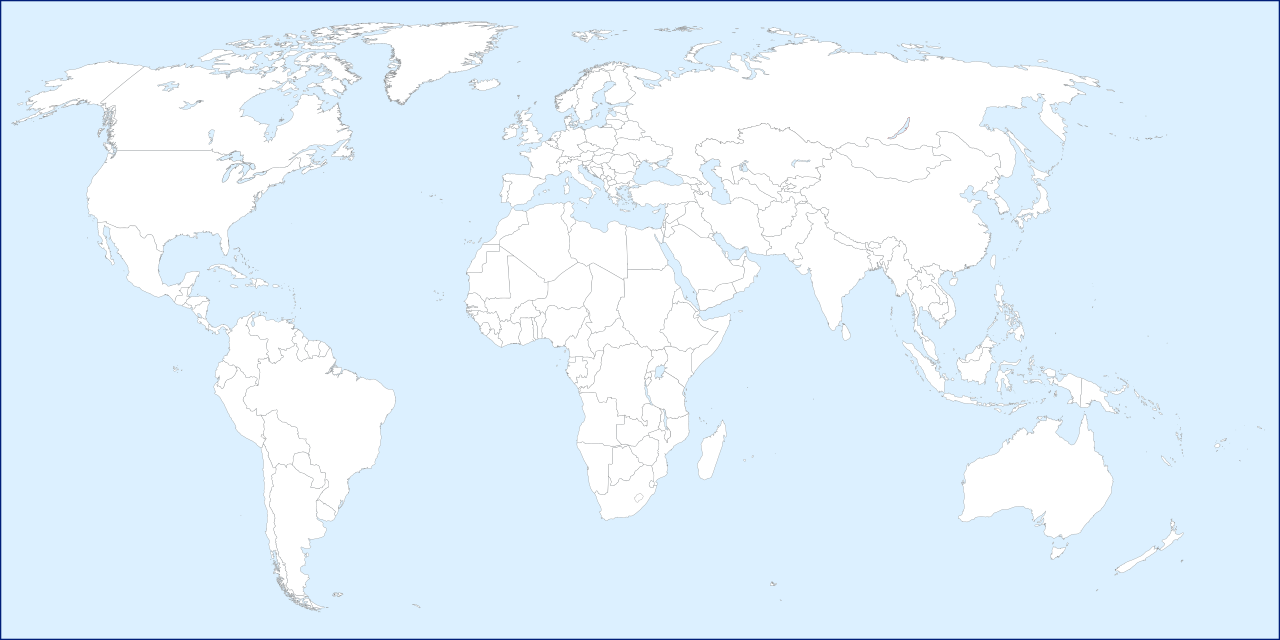
Location in the world

Africa
 Mauritius
National digital inclusion context
This profile organizes the initiatives directly connected to Mauritius in the global research inventory. It follows the study's country-profile framework: national context, broadband infrastructure, inclusion practices, education and workforce connections, implementation actors, and intended contribution.
The documented portfolio emphasizes Digital Public Infrastructure, Institutional / School Connectivity Infrastructure, Public Wi-Fi / Community Network Infrastructure, Wi-Fi, Artificial Intelligence (AI). The profile treats infrastructure, affordability, capability, institutions, support, and outcomes as an interconnected system.
Portfolio pattern
Counts reflect source-workbook tags. One initiative may appear in multiple infrastructure or technology categories.
Education and workforce
5 initiatives explicitly connect to education, K–12, or college/university contexts, and 2 connect to workforce development. Other investments may enable these outcomes indirectly.
Networks, service availability, devices, and connection quality.
Skills, confidence, accessibility, navigation, and support.
Education, work, health, government, and civic opportunity.
Governance, operations, maintenance, funding, and learning.
Project and initiative portfolio
Every directly tagged record is shown with details and supporting URLs preserved from the research workbook.
Education connectivity measurement
Closes a documented access, affordability, skills, institutional-capacity, or meaningful-use gap.
Activities and approach: Monitoring school internet access and computer availability
AI literacy
Closes a documented access, affordability, skills, institutional-capacity, or meaningful-use gap.
Activities and approach: Plain-language national AI learning resources
Accessible digital-service standards
Closes a documented access, affordability, skills, institutional-capacity, or meaningful-use gap.
Activities and approach: Accessibility, interoperability, UX, cybersecurity and lifecycle standards
Cybersecurity and trust
Closes a documented access, affordability, skills, institutional-capacity, or meaningful-use gap.
Activities and approach: National digital safety mechanism; cyber resilience
Data governance and AI
Closes a documented access, affordability, skills, institutional-capacity, or meaningful-use gap.
Activities and approach: National data governance; responsible AI; data-driven government
Digital skills
Closes a documented access, affordability, skills, institutional-capacity, or meaningful-use gap.
Activities and approach: National literacy campaigns; targeted upskilling; universal access
Digital identity and credentials
Closes a documented access, affordability, skills, institutional-capacity, or meaningful-use gap.
Activities and approach: Mobile ID; digital documents; trusted authentication
Digital public services
Closes a documented access, affordability, skills, institutional-capacity, or meaningful-use gap.
Activities and approach: Unified portal; super app; life-event services; proactive communication
Digital public infrastructure
Closes a documented access, affordability, skills, institutional-capacity, or meaningful-use gap.
Activities and approach: Unified identity, data, payments and digital-service infrastructure
Public Wi-Fi / universal service
Provides free public internet access at health centres, village halls and other public locations to lower access-cost barriers.
Activities and approach: Public Wi-Fi hotspots; USF-supported connectivity.
Submarine fiber connectivity
Provides resilient high-capacity fiber connectivity between the main island and Rodrigues, reducing outer-island connectivity constraints.
Activities and approach: Submarine fiber optic cable; international/national backhaul.
Primary-school broadband
Provides school-wide high-speed network and Wi-Fi access to support digital learning and administration.
Activities and approach: WAN optimization; Wi-Fi hotspots; networking equipment.
Regional digital inclusion
Closes a documented access, affordability, skills, institutional-capacity, or meaningful-use gap.
Activities and approach: Smart public services; digital-skills programs; local innovation and entrepreneurship
Secondary-school broadband
Designed to provide high-speed internet and wireless connectivity across secondary institutions.
Activities and approach: High-speed internet; Wi-Fi/LAN; school network infrastructure.
Outer-island satellite broadband
Extends internet connectivity to a remote outer island where conventional networks are difficult to deploy.
Activities and approach: LEO satellite connectivity; dedicated internet for public-service sites.
Evidence boundary
Project records document interventions and intended contributions; they do not alone prove nationwide coverage, causal impact, or durable closure.
Profiles will deepen as national statistics, policy documents, evaluations, and implementation evidence are incorporated. Source links allow inspection of underlying evidence.
These sources support the country-level demographic, geographic, and connectivity context. Sources tied to individual projects remain with their project records and are not repeated here.