Infrastructure and access
- Last-Mile / Access Infrastructure2
- Power / Resilience Infrastructure2
- Telecommunications / Broadband Infrastructure2
- Community Access / Computing Infrastructure1
- Public Wi-Fi / Community Network Infrastructure1
Digital Divide Country Profile · Africa
Closing the digital divide, expanding meaningful connectivity, and advancing digital education and workforce participation.
Location in the world

Africa
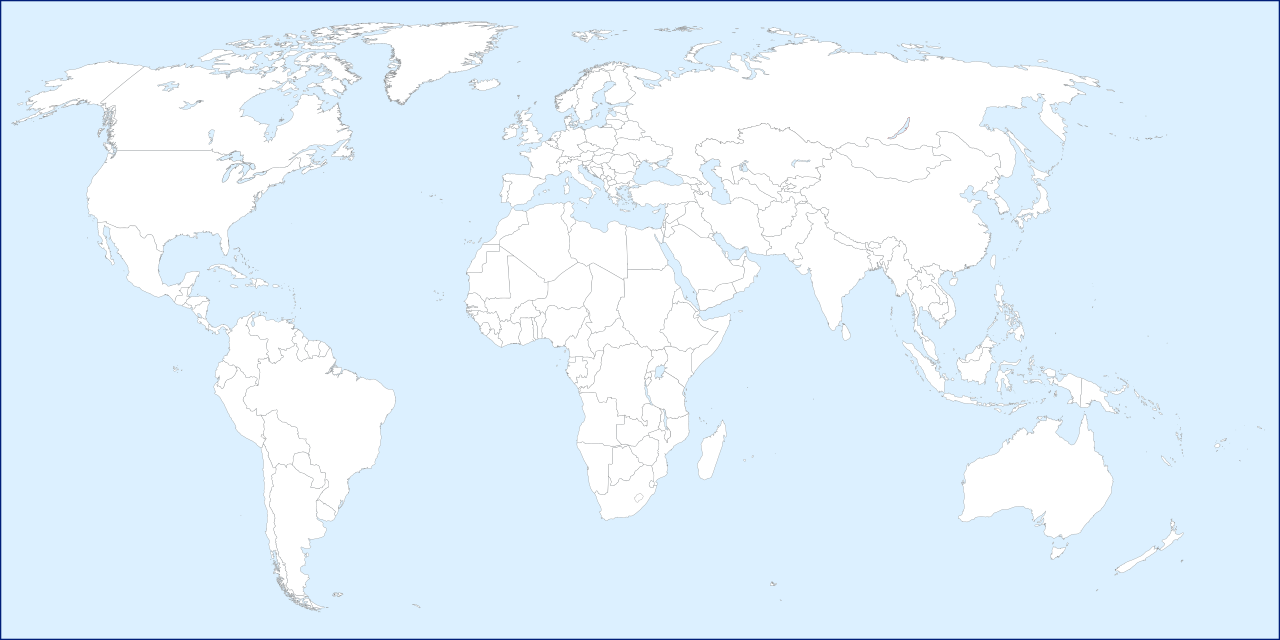 Mali
National digital inclusion context
This profile organizes the initiatives directly connected to Mali in the global research inventory. It follows the study's country-profile framework: national context, broadband infrastructure, inclusion practices, education and workforce connections, implementation actors, and intended contribution.
The documented portfolio emphasizes Last-Mile / Access Infrastructure, Power / Resilience Infrastructure, Telecommunications / Broadband Infrastructure, Computer / Desktop PC, Wi-Fi. The profile treats infrastructure, affordability, capability, institutions, support, and outcomes as an interconnected system.
Portfolio pattern
Counts reflect source-workbook tags. One initiative may appear in multiple infrastructure or technology categories.
Education and workforce
3 initiatives explicitly connect to education, K–12, or college/university contexts, and 1 connect to workforce development. Other investments may enable these outcomes indirectly.
Networks, service availability, devices, and connection quality.
Skills, confidence, accessibility, navigation, and support.
Education, work, health, government, and civic opportunity.
Governance, operations, maintenance, funding, and learning.
Project and initiative portfolio
Every directly tagged record is shown with details and supporting URLs preserved from the research workbook.
Community Wi-Fi / universal access
Extends local internet access through Wi-Fi facilities in schools and community locations, particularly outside well-served areas.
Activities and approach: Containerized and building-based Wi-Fi sites; internet access; solar support.
Community public-access connectivity
Provides equipped community access points with internet and accessible ICT to people who may lack private access.
Activities and approach: Internet-connected access centres; computers; assistive equipment; training.
Education broadband and digital inclusion
Aims to connect public secondary, technical and vocational institutions while adding computer rooms, access centres and Wi-Fi.
Activities and approach: School/TVET connectivity; computer labs; access centres; Wi-Fi; devices; solar power.
Rural/mobile coverage universal service
Targets geographic coverage gaps by financing telecommunications and internet network coverage in underserved areas.
Activities and approach: Mobile/telecom network coverage; internet extension; universal-service financing.
Broadband affordability/adoption
Addresses high costs and low adoption alongside infrastructure deployment.
Activities and approach: Affordability/adoption measures
Broadband enabling environment
Addresses weak competition and infrastructure-sharing barriers that keep broadband costly.
Activities and approach: Regulatory reform; infrastructure sharing
Digital public services
Brings public services online so connectivity provides practical service access.
Activities and approach: Digital public-service platforms
Digital identity
Improves legal identification so underserved groups can access digital and public services.
Activities and approach: Legal ID systems
Rural broadband
Improves broadband access in areas outside Bamako and commercially weak markets.
Activities and approach: Broadband infrastructure
National digital transformation and broadband adoption
Targets low broadband adoption and urban-rural and gender digital divides by increasing access and uptake.
Activities and approach: Broadband expansion; enabling environment; digital adoption; government services.
Evidence boundary
Project records document interventions and intended contributions; they do not alone prove nationwide coverage, causal impact, or durable closure.
Profiles will deepen as national statistics, policy documents, evaluations, and implementation evidence are incorporated. Source links allow inspection of underlying evidence.
These sources support the country-level demographic, geographic, and connectivity context. Sources tied to individual projects remain with their project records and are not repeated here.