Infrastructure and access
- Infrastructure Planning / Mapping / Funding2
- Last-Mile / Access Infrastructure2
- Telecommunications / Broadband Infrastructure2
- Backbone / Backhaul / Middle-Mile Infrastructure1
- Data Center / Cloud Infrastructure1
Digital Divide Country Profile · Africa
Closing the digital divide, expanding meaningful connectivity, and advancing digital education and workforce participation.
Location in the world

Africa
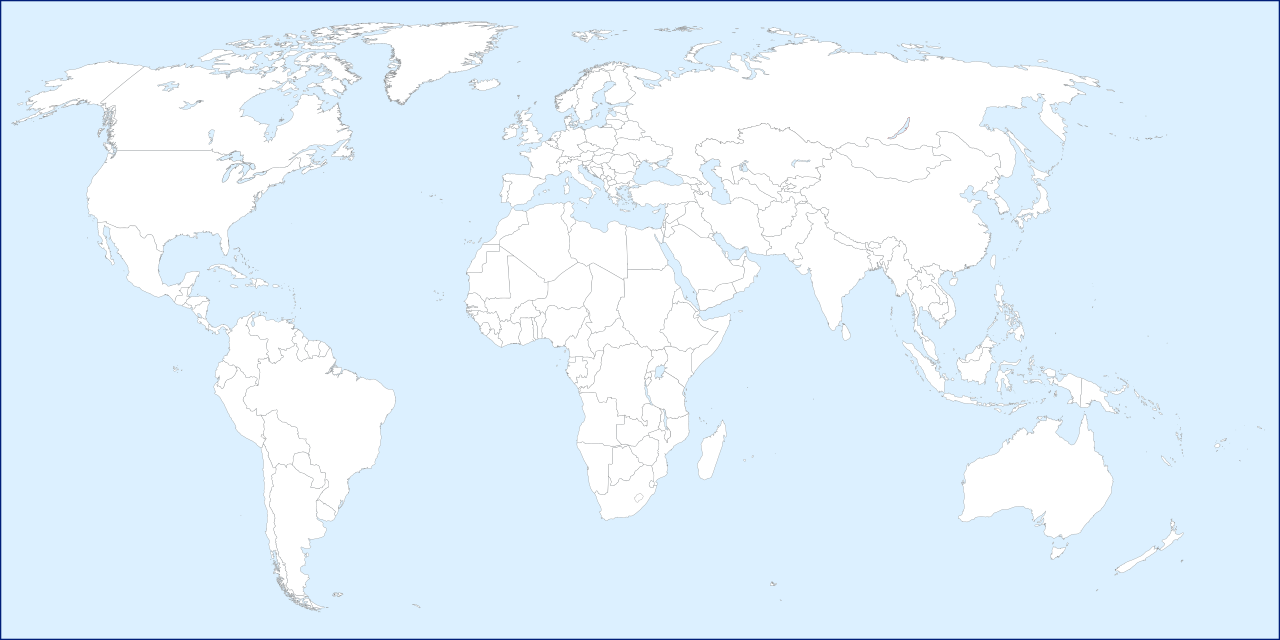 Lesotho
National digital inclusion context
This profile organizes the initiatives directly connected to Lesotho in the global research inventory. It follows the study's country-profile framework: national context, broadband infrastructure, inclusion practices, education and workforce connections, implementation actors, and intended contribution.
The documented portfolio emphasizes Infrastructure Planning / Mapping / Funding, Last-Mile / Access Infrastructure, Telecommunications / Broadband Infrastructure, Digital Identity / e-ID, Data Center/Centre. The profile treats infrastructure, affordability, capability, institutions, support, and outcomes as an interconnected system.
Portfolio pattern
Counts reflect source-workbook tags. One initiative may appear in multiple infrastructure or technology categories.
Education and workforce
2 initiatives explicitly connect to education, K–12, or college/university contexts, and 2 connect to workforce development. Other investments may enable these outcomes indirectly.
Networks, service availability, devices, and connection quality.
Skills, confidence, accessibility, navigation, and support.
Education, work, health, government, and civic opportunity.
Governance, operations, maintenance, funding, and learning.
Project and initiative portfolio
Every directly tagged record is shown with details and supporting URLs preserved from the research workbook.
Digital civil registration
Closes a documented access, affordability, skills, institutional-capacity, or meaningful-use gap.
Activities and approach: Digitize civil registration and integrate identity services
National broadband
Expands affordable broadband access and improves competition.
Activities and approach: Broadband infrastructure
Government ICT infrastructure
Closes a documented access, affordability, skills, institutional-capacity, or meaningful-use gap.
Activities and approach: Strengthen data centres, portals and secure broadband infrastructure
Digital public services
Closes a documented access, affordability, skills, institutional-capacity, or meaningful-use gap.
Activities and approach: Online civil registration; e-payroll; e-health; e-procurement; e-customs; revenue services
Government broadband
Established foundational digital government connectivity.
Activities and approach: Government network
Government broadband scale-up
Scaled earlier government connectivity and digital services.
Activities and approach: Government network expansion
Education broadband
Provides free institutional Internet and network equipment for learning.
Activities and approach: Campus Internet; network equipment
Digital inclusion initiative
Builds digital capability and adoption support for people and communities affected by digital exclusion, addressing skills and participation barriers.
Activities and approach: Targeted digital inclusion activities described in the cited source
Digital credentials
Closes a documented access, affordability, skills, institutional-capacity, or meaningful-use gap.
Activities and approach: Digital certificates for identity and service transactions
Connectivity policy
Closes a documented access, affordability, skills, institutional-capacity, or meaningful-use gap.
Activities and approach: Policy measures to improve internet access and affordability
Digital skills / entrepreneurship
Closes a documented access, affordability, skills, institutional-capacity, or meaningful-use gap.
Activities and approach: Digital tools, skills and innovation support
National digital transformation
Closes a documented access, affordability, skills, institutional-capacity, or meaningful-use gap.
Activities and approach: Five-year implementation framework for connectivity, services, jobs and inclusion
Digital identity
Closes a documented access, affordability, skills, institutional-capacity, or meaningful-use gap.
Activities and approach: Pilot digital identity cards for service access and business use
Digital identity and civil registration
Closes a documented access, affordability, skills, institutional-capacity, or meaningful-use gap.
Activities and approach: Modernization framework for civil registration, passports, immigration and identity
Rural fiber backbone
Uses OPGW fiber to expand broadband into rural areas at lower cost.
Activities and approach: OPGW fiber
Digital public services
Closes a documented access, affordability, skills, institutional-capacity, or meaningful-use gap.
Activities and approach: Digitization of passport and immigration service workflows
LEO satellite broadband market entry
Introduces a nationwide LEO satellite option that can reach remote areas without waiting for fiber or mobile network expansion.
Activities and approach: Commercial Starlink service; satellite user terminals; nationwide LEO broadband availability
Evidence boundary
Project records document interventions and intended contributions; they do not alone prove nationwide coverage, causal impact, or durable closure.
Profiles will deepen as national statistics, policy documents, evaluations, and implementation evidence are incorporated. Source links allow inspection of underlying evidence.
These sources support the country-level demographic, geographic, and connectivity context. Sources tied to individual projects remain with their project records and are not repeated here.