Digital Divide Country Profile · Asia

JP

Japan

Closing the digital divide, expanding meaningful connectivity, and advancing digital education and workforce participation.

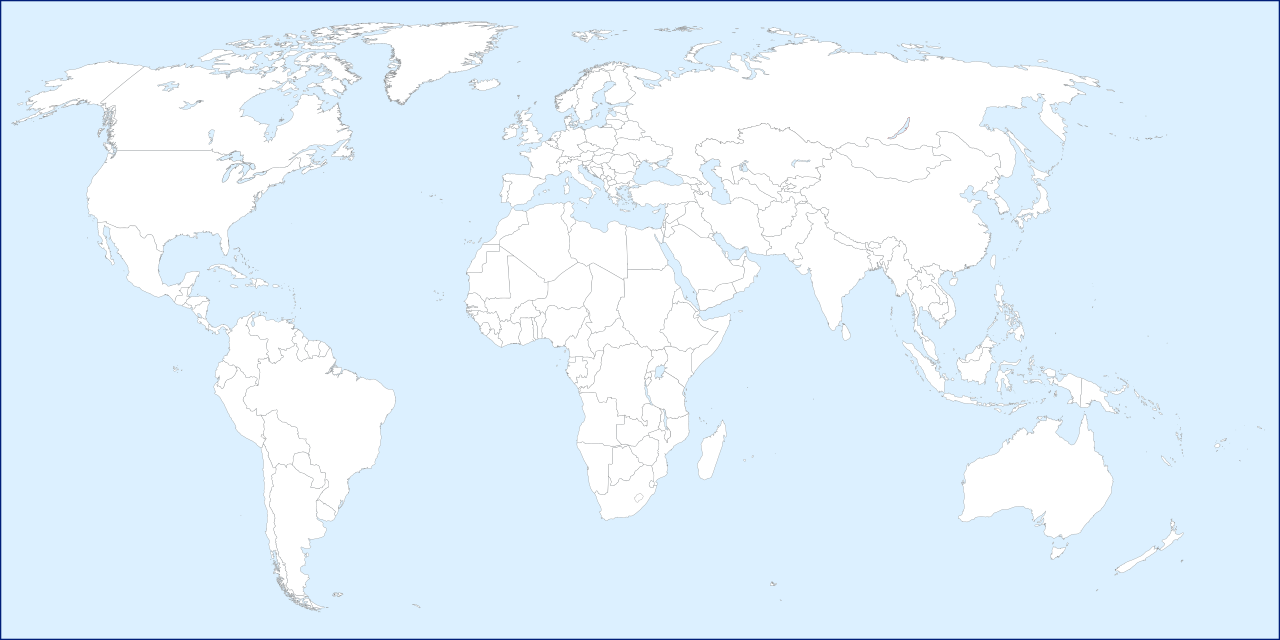
Location in the world

Japan

Flag of Japan

Asia

World map showing the location of JapanJapan
🇯🇵
Population (2024)
123,975,371
Total area
377,915 km²
Area in square miles
145,913.74 mi²
Coastline
29,751 km
Base map adapted from Wikimedia Commons. Population: World Bank (2024); geography: CIA World Factbook.

National digital inclusion context

A portfolio-based view of access, capability, and outcomes.

This profile organizes the initiatives directly connected to Japan in the global research inventory. It follows the study's country-profile framework: national context, broadband infrastructure, inclusion practices, education and workforce connections, implementation actors, and intended contribution.

The documented portfolio emphasizes Institutional / School Connectivity Infrastructure, Backbone / Backhaul / Middle-Mile Infrastructure, Fiber / Fixed Broadband Infrastructure, Digital Identity / e-ID, Smartphone. The profile treats infrastructure, affordability, capability, institutions, support, and outcomes as an interconnected system.

Portfolio pattern

What the documented response contains.

Counts reflect source-workbook tags. One initiative may appear in multiple infrastructure or technology categories.

Infrastructure and access

  1. Institutional / School Connectivity Infrastructure2
  2. Backbone / Backhaul / Middle-Mile Infrastructure1
  3. Fiber / Fixed Broadband Infrastructure1
  4. Infrastructure Planning / Mapping / Funding1
  5. Last-Mile / Access Infrastructure1

Specific technologies

  1. Digital Identity / e-ID2
  2. Smartphone2
  3. 5G1
  4. Biometrics1
  5. Fiber/Fiber Optic1

Intervention classification

  1. Neither explicitly identified5
  2. Infrastructure and Specific Technology4
  3. Infrastructure only4
  4. Specific Technology only3

Education and workforce

Connectivity becomes consequential through participation.

5 initiatives explicitly connect to education, K–12, or college/university contexts, and 1 connect to workforce development. Other investments may enable these outcomes indirectly.

Access

Networks, service availability, devices, and connection quality.

Capability

Skills, confidence, accessibility, navigation, and support.

Participation

Education, work, health, government, and civic opportunity.

Sustainability

Governance, operations, maintenance, funding, and learning.

Project and initiative portfolio

16 documented records

Every directly tagged record is shown with details and supporting URLs preserved from the research workbook.

01

Online public-service access

Administrative procedures online expansion – priority childcare and care services

Implementation / 2025-2026 · Local governments nationwide
View details
Status / periodImplementation / 2025-2026LocationLocal governments nationwidePopulationResidents, caregivers and familiesOrganizationsDigital Agency; municipalities; ministries

Closes a documented access, affordability, skills, institutional-capacity, or meaningful-use gap.

Activities and approach: Expansion of smartphone-completable local-government procedures

Smartphone
02

5G mobile broadband

Digital Garden City Nation – 5G population coverage expansion

Implementation through 2030 · Nationwide
View details
Status / periodImplementation through 2030LocationNationwidePopulationMobile users, rural communities and enterprisesOrganizationsCabinet Secretariat; MIC; mobile operators

Closes a documented access, affordability, skills, institutional-capacity, or meaningful-use gap.

Activities and approach: 5G rollout toward 97% population coverage by FY2025 and 99% by FY2030

Mobile / Wireless InfrastructureLast-Mile / Access Infrastructure5G
03

Universal fiber infrastructure

Digital Garden City Nation – nationwide optical-fiber completion target

Implementation through FY2027 · Nationwide incl. unprofitable/disadvantaged areas
View details
Status / periodImplementation through FY2027LocationNationwide incl. unprofitable/disadvantaged areasPopulationHouseholds and rural communitiesOrganizationsCabinet Secretariat; MIC; operators

Closes a documented access, affordability, skills, institutional-capacity, or meaningful-use gap.

Activities and approach: Optical-fiber deployment toward 99.9% household coverage

Fiber / Fixed Broadband InfrastructureFiber/Fiber Optic
04

Data infrastructure

Digital Garden City Nation – regional data-centre hubs

Implementation · Regional Japan
View details
Status / periodImplementationLocationRegional JapanPopulationRegional governments, businesses and usersOrganizationsCabinet Secretariat; relevant ministries; private sector

Closes a documented access, affordability, skills, institutional-capacity, or meaningful-use gap.

Activities and approach: Development of roughly a dozen regional data-centre hubs

05

Submarine backbone resilience

Digital Garden City Nation Superhighway – Japan-loop submarine cable

Implementation / target FY2025 completion · National coastal loop
View details
Status / periodImplementation / target FY2025 completionLocationNational coastal loopPopulationNational users, data centres and regional networksOrganizationsCabinet Secretariat; telecom infrastructure stakeholders

Closes a documented access, affordability, skills, institutional-capacity, or meaningful-use gap.

Activities and approach: Submarine cable loop; distributed landing stations

Submarine / International Cable InfrastructureBackbone / Backhaul / Middle-Mile InfrastructureSubmarine Fiber-Optic Cable
06

School broadband and one-device-per-student access

GIGA School Concept

Ongoing; Phase I and Phase II · Schools nationwide
View details
Status / periodOngoing; Phase I and Phase IILocationSchools nationwidePopulationElementary, junior-high and high-school students and educatorsOrganizationsMinistry of Education, Culture, Sports, Science and Technology (MEXT); local governments

Addresses inequalities in school ICT environments by pairing one device per learner with high-speed, large-capacity school networks.

Activities and approach: 1:1 devices; high-speed school networks; digital learning environment.

Institutional / School Connectivity Infrastructure
07

Education device-access renewal

GIGA School Phase II Device Renewal Fund

FY2024–FY2028 · Local governments and schools nationwide
View details
Status / periodFY2024–FY2028LocationLocal governments and schools nationwidePopulationStudents using one-device-per-person learning environmentsOrganizationsMEXT; Digital Agency; prefectural/municipal governments

Prevents renewed device-access inequality by funding replacement/renewal of student terminals established under GIGA School.

Activities and approach: Device renewal; local government subsidy fund; ongoing 1:1 access.

08

Assisted inclusive digital government

Municipal DX 'One-stop, no writing' service counters

Implementation / 2025-2026 · Municipalities nationwide
View details
Status / periodImplementation / 2025-2026LocationMunicipalities nationwidePopulationResidents needing in-person or assisted service accessOrganizationsDigital Agency; municipalities

Closes a documented access, affordability, skills, institutional-capacity, or meaningful-use gap.

Activities and approach: One-stop counters; SaaS; BPR advisors; reduced paperwork

09

Digital identity

My Number Card on Smartphone – iPhone and Android digital identity

Operational / expanded 2025-2026 · Nationwide
View details
Status / periodOperational / expanded 2025-2026LocationNationwidePopulationMy Number Card holders with smartphonesOrganizationsDigital Agency

Closes a documented access, affordability, skills, institutional-capacity, or meaningful-use gap.

Activities and approach: Smartphone-based identity; biometrics; electronic certificates

Digital Identity / e-IDBiometricsSmartphone
10

Inclusive digital health access

My Number health-insurance transition with qualification-certificate fallback

Operational / 2025-2026 · Nationwide
View details
Status / periodOperational / 2025-2026LocationNationwidePopulationInsured residents incl. people without My Number digital useOrganizationsDigital Agency; MHLW; insurers

Closes a documented access, affordability, skills, institutional-capacity, or meaningful-use gap.

Activities and approach: My Number insurance use plus free alternative qualification certificates

Digital Identity / e-ID
11

Digital public services

Mynaportal – integrated online administrative-service window

Operational / expanding · Nationwide
View details
Status / periodOperational / expandingLocationNationwidePopulationResidents using public servicesOrganizationsDigital Agency; ministries; municipalities

Closes a documented access, affordability, skills, institutional-capacity, or meaningful-use gap.

Activities and approach: Online moving, passport, health and personal-data services; APIs

12

Digital health infrastructure

Public Medical Hub (PMH) local-government/medical data linkage

Implementation / 2026 · Municipalities and medical institutions
View details
Status / periodImplementation / 2026LocationMunicipalities and medical institutionsPopulationPatients, families and providersOrganizationsDigital Agency; health ministries; local governments

Closes a documented access, affordability, skills, institutional-capacity, or meaningful-use gap.

Activities and approach: Data coordination for subsidies, vaccination and maternal/child health

13

Education ICT infrastructure subsidy

Public School Information Equipment Maintenance Project

Phase II / FY2024 onward · Public schools nationwide
View details
Status / periodPhase II / FY2024 onwardLocationPublic schools nationwidePopulationStudents and schools needing refreshed digital learning infrastructureOrganizationsMEXT; Digital Agency; local governments

Provides subsidy-supported information equipment and related packages needed to sustain universal digital learning access.

Activities and approach: Device/equipment subsidy; approved packages; local government implementation.

Telecommunications / Broadband Infrastructure
14

School broadband capacity improvement

School Network Improvement Initiative

Ongoing · Schools nationwide
View details
Status / periodOngoingLocationSchools nationwidePopulationStudents and teachers in schools with inadequate network performanceOrganizationsMEXT; Ministry of Internal Affairs and Communications; Digital Agency; local governments; telecom carriers

Measures and improves school bandwidth so devices can be used effectively, addressing connectivity bottlenecks within the GIGA environment.

Activities and approach: Bandwidth benchmarks; speed measurement; network improvement guidebook; carrier collaboration.

Institutional / School Connectivity Infrastructure
15

Broadband procurement support for schools

School Network Local Government Pitch / Educational DX Service Map – Communications Field

2024–2025 initiative · Local governments and boards of education nationwide
View details
Status / period2024–2025 initiativeLocationLocal governments and boards of education nationwidePopulationSchools seeking high-speed, large-capacity connectivityOrganizationsDigital Agency; MEXT; telecommunications carriers

Helps local governments identify and compare broadband services capable of meeting school-network needs, supporting equitable access to adequate capacity.

Activities and approach: Carrier presentations; broadband service mapping; procurement information; school network planning.

Infrastructure Planning / Mapping / Funding
16

High-altitude platform broadband trial

SoftBank Japan HAPS Flight and Connectivity Test

Planned 2026 trial / pre-commercial development · Japan
View details
Status / periodPlanned 2026 trial / pre-commercial developmentLocationJapanPopulationRemote communities, disaster-affected areas, mobile users and aerial/IoT applicationsOrganizationsSoftBank Corp.FundingCorporate R&D / investment; project-specific amount not stated

testing a non-terrestrial coverage layer that can extend communications into areas difficult to serve with conventional towers

Activities and approach: First Japan HAPS flight/connectivity test; future multi-layer network planning; disaster and remote-connectivity use cases

Non-Terrestrial / HAPS InfrastructureHigh Altitude Platform Stationmobile broadband
SoftBank Corp.. (2026-07-31). Stratospheric Ambition: SoftBank Corp. Prepares for its First HAPS Flight and Connectivity Test over Japan. https://www.softbank.jp/en/sbnews/entry/20260731_01Open supporting source ↗

Evidence boundary

Read the portfolio as a starting point, not a final verdict.

Project records document interventions and intended contributions; they do not alone prove nationwide coverage, causal impact, or durable closure.

Profiles will deepen as national statistics, policy documents, evaluations, and implementation evidence are incorporated. Source links allow inspection of underlying evidence.

Evidence and contextProfile Sources

These sources support the country-level demographic, geographic, and connectivity context. Sources tied to individual projects remain with their project records and are not repeated here.

  1. Central Intelligence Agency. (n.d.). Japan. The World Factbook. Retrieved September 26, 2026, from https://www.cia.gov/the-world-factbook/countries/japan/
  2. International Telecommunication Union. (n.d.). ITU DataHub: Country ICT data. Retrieved September 26, 2026, from https://datahub.itu.int/
  3. World Bank. (n.d.). Individuals using the Internet (% of population): Japan. World Development Indicators. Retrieved September 26, 2026, from https://data.worldbank.org/indicator/IT.NET.USER.ZS?locations=JP
  4. World Bank. (n.d.). Population, total: Japan. World Development Indicators. Retrieved September 26, 2026, from https://data.worldbank.org/indicator/SP.POP.TOTL?locations=JP

Compare another country.

All country profiles →