Digital Divide Country Profile · South America

GY

Guyana

Closing the digital divide, expanding meaningful connectivity, and advancing digital education and workforce participation.

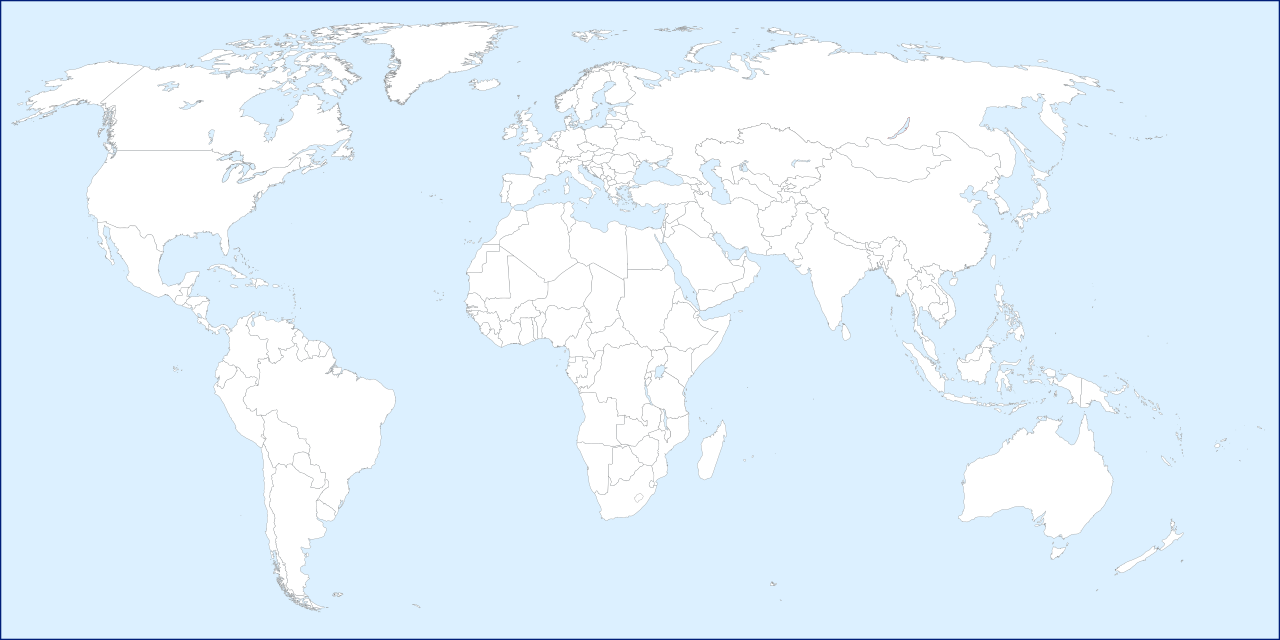
Location in the world
Guyana

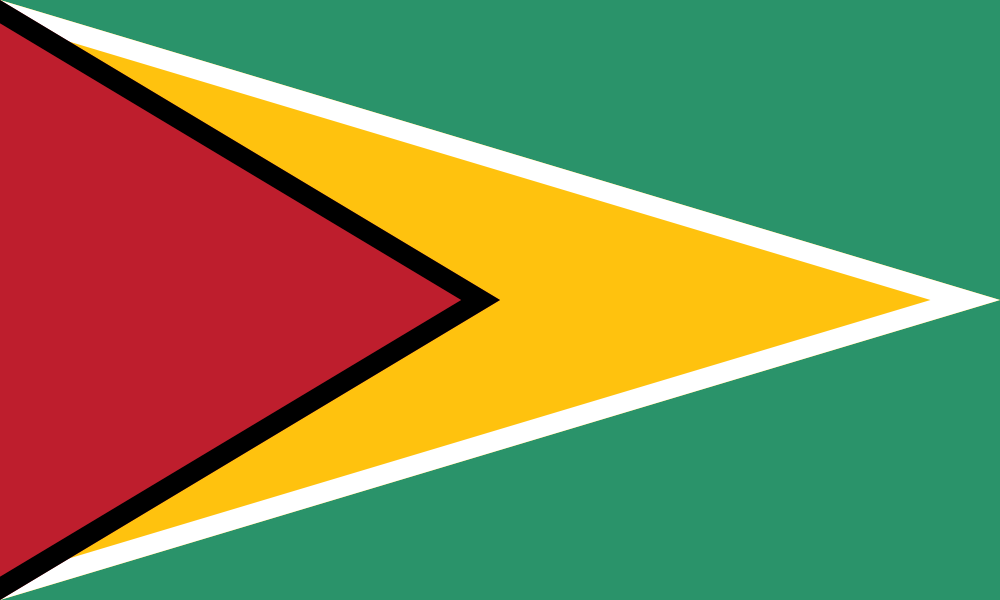
Flag of Guyana

South America

World map showing the location of GuyanaGuyana
🇬🇾
Population (2024)
831,087
Total area
214,969 km²
Area in square miles
82,999.96 mi²
Coastline
459 km
Base map adapted from Wikimedia Commons. Population: World Bank (2024); geography: CIA World Factbook.

National digital inclusion context

A portfolio-based view of access, capability, and outcomes.

This profile organizes the initiatives directly connected to Guyana in the global research inventory. It follows the study's country-profile framework: national context, broadband infrastructure, inclusion practices, education and workforce connections, implementation actors, and intended contribution.

The documented portfolio emphasizes Institutional / School Connectivity Infrastructure, Satellite Infrastructure, Backbone / Backhaul / Middle-Mile Infrastructure, Computer / Desktop PC, E-Learning / Virtual Learning. The profile treats infrastructure, affordability, capability, institutions, support, and outcomes as an interconnected system.

Portfolio pattern

What the documented response contains.

Counts reflect source-workbook tags. One initiative may appear in multiple infrastructure or technology categories.

Infrastructure and access

  1. Institutional / School Connectivity Infrastructure3
  2. Satellite Infrastructure2
  3. Backbone / Backhaul / Middle-Mile Infrastructure1
  4. Fiber / Fixed Broadband Infrastructure1
  5. Power / Resilience Infrastructure1

Specific technologies

  1. Computer / Desktop PC1
  2. E-Learning / Virtual Learning1
  3. Fiber/Fiber Optic1
  4. LEO Satellite1
  5. Satellite Broadband1

Intervention classification

  1. Infrastructure and Specific Technology3
  2. Infrastructure only3
  3. Neither explicitly identified2
  4. Specific Technology only2

Education and workforce

Connectivity becomes consequential through participation.

4 initiatives explicitly connect to education, K–12, or college/university contexts, and 1 connect to workforce development. Other investments may enable these outcomes indirectly.

Access

Networks, service availability, devices, and connection quality.

Capability

Skills, confidence, accessibility, navigation, and support.

Participation

Education, work, health, government, and civic opportunity.

Sustainability

Governance, operations, maintenance, funding, and learning.

Project and initiative portfolio

10 documented records

Every directly tagged record is shown with details and supporting URLs preserved from the research workbook.

01

Regional fiber backbone

Bartica Direct Submarine Fiber-Optic Cable

Commissioned 2025 · Bartica
View details
Status / periodCommissioned 2025LocationBarticaPopulationHomes, businesses and institutionsOrganizationsE-Networks; Government of Guyana

Creates Bartica’s first direct fiber link and closes a long-standing coast/hinterland connectivity gap.

Activities and approach: Submarine fiber

Fiber / Fixed Broadband InfrastructureBackbone / Backhaul / Middle-Mile InfrastructureFiber/Fiber OpticSubmarine Fiber-Optic Cable
02

Health broadband

Hinterland Health-Facility Connectivity

2024–ongoing · Remote health centres
View details
Status / period2024–ongoingLocationRemote health centresPopulationPatients and health workersOrganizationsNDMA; health authorities

Connects remote health facilities to support online services and telemedicine opportunities.

Activities and approach: High-speed Internet

Telehealth/Telemedicine
03

Community Internet access

Hinterland ICT Access and e-Services – ICT Hub Construction

2020–ongoing · Hinterland, poor and remote communities
View details
Status / period2020–ongoingLocationHinterland, poor and remote communitiesPopulationIndigenous and remote residentsOrganizationsOffice of the Prime Minister; NDMA

Builds community ICT hubs that provide Internet, e-learning and online government access.

Activities and approach: ICT hubs; computers; connectivity

E-Learning / Virtual LearningComputer / Desktop PC
04

Digital skills

Hinterland ICT Hub Digital Literacy Training

2023–ongoing · Hinterland communities
View details
Status / period2023–ongoingLocationHinterland communitiesPopulationHub managers, technicians and residentsOrganizationsOffice of the Prime Minister; NDMA

Trains local managers, technicians and residents so community connectivity can be sustained and used productively.

Activities and approach: Basic ICT literacy; technical training

05

School broadband

Hinterland School Connectivity – 158 Schools

2024–2025 · Hinterland schools
View details
Status / period2024–2025LocationHinterland schoolsPopulationAmerindian students and teachersOrganizationsNDMA; Ministry of Education

Connects remote schools with high-speed Internet to equalize educational access.

Activities and approach: High-speed Internet / satellite

Institutional / School Connectivity Infrastructure
06

Public safety broadband

National Public-Sector Connectivity – Police and Fire Stations

2025–2026 · Police/fire facilities nationwide
View details
Status / period2025–2026LocationPolice/fire facilities nationwidePopulationPublic safety agencies and citizensOrganizationsNDMA

Extends high-speed connectivity to police and fire stations for resilient public services.

Activities and approach: High-speed institutional Internet

07

Public institution broadband

National Public-Sector High-Speed Connectivity – Health Facilities

2025–2026 · Hospitals and health centres nationwide
View details
Status / period2025–2026LocationHospitals and health centres nationwidePopulationPatients and staffOrganizationsNDMA

Connects health sites with >200 Mbps service; 92% coverage reported.

Activities and approach: High-speed institutional Internet

Institutional / School Connectivity Infrastructure
08

Public institution broadband

National Public-Sector High-Speed Connectivity – Schools

2025–2026 · Schools nationwide
View details
Status / period2025–2026LocationSchools nationwidePopulationStudents and staffOrganizationsNDMA

NDMA connects schools to >200 Mbps public-sector service; 97% coverage reported in 2026.

Activities and approach: High-speed institutional Internet

Institutional / School Connectivity Infrastructure
09

Community connectivity grants

Solar + Satellite Community Hub Grants

2025 · Remote communities
View details
Status / period2025LocationRemote communitiesPopulationRemote residentsOrganizationsGovernment of Guyana

Provides grants for solar power and high-speed satellite equipment so remote hubs can operate reliably.

Activities and approach: Solar power; satellite Internet

Satellite InfrastructurePower / Resilience InfrastructureSatellite BroadbandSolar Power
10

Remote public broadband

WiFiGY LEO Connectivity – 253 Indigenous/Remote Villages

Completed 2025 · 253 hinterland, remote and riverain villages
View details
Status / periodCompleted 2025Location253 hinterland, remote and riverain villagesPopulation135,000+ residentsOrganizationsNDMA; Government of Guyana

Provides free high-speed public Internet in every targeted remote/Indigenous community.

Activities and approach: LEO satellite; public Wi-Fi

Satellite InfrastructurePublic Wi-Fi / Community Network InfrastructureWi-FiLEO Satellite

Evidence boundary

Read the portfolio as a starting point, not a final verdict.

Project records document interventions and intended contributions; they do not alone prove nationwide coverage, causal impact, or durable closure.

Profiles will deepen as national statistics, policy documents, evaluations, and implementation evidence are incorporated. Source links allow inspection of underlying evidence.

Evidence and contextProfile Sources

These sources support the country-level demographic, geographic, and connectivity context. Sources tied to individual projects remain with their project records and are not repeated here.

  1. Central Intelligence Agency. (n.d.). Guyana. The World Factbook. Retrieved September 26, 2026, from https://www.cia.gov/the-world-factbook/countries/guyana/
  2. International Telecommunication Union. (n.d.). ITU DataHub: Country ICT data. Retrieved September 26, 2026, from https://datahub.itu.int/
  3. World Bank. (n.d.). Individuals using the Internet (% of population): Guyana. World Development Indicators. Retrieved September 26, 2026, from https://data.worldbank.org/indicator/IT.NET.USER.ZS?locations=GY
  4. World Bank. (n.d.). Population, total: Guyana. World Development Indicators. Retrieved September 26, 2026, from https://data.worldbank.org/indicator/SP.POP.TOTL?locations=GY

Compare another country.

All country profiles →