Infrastructure and access
- Submarine / International Cable Infrastructure4
- Backbone / Backhaul / Middle-Mile Infrastructure3
- Fiber / Fixed Broadband Infrastructure3
- Mobile / Wireless Infrastructure2
- Digital Public Infrastructure1
Digital Divide Country Profile · Oceania
Closing the digital divide, expanding meaningful connectivity, and advancing digital education and workforce participation.
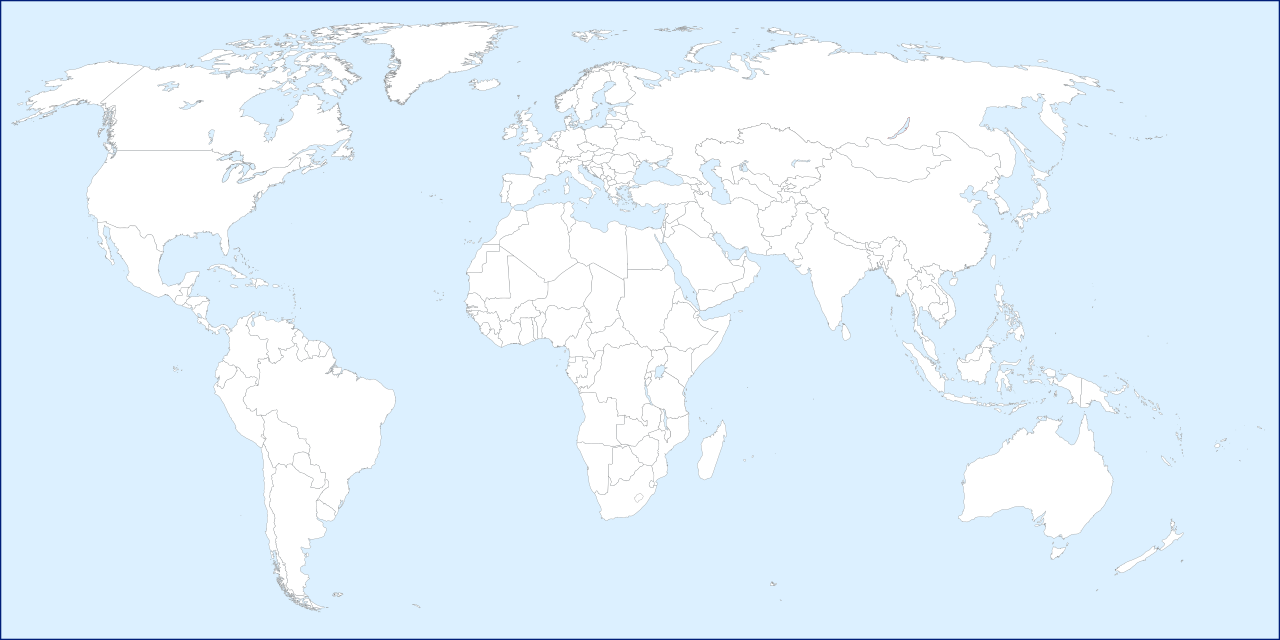
Location in the world

Oceania
 Fiji
National digital inclusion context
This profile organizes the initiatives directly connected to Fiji in the global research inventory. It follows the study's country-profile framework: national context, broadband infrastructure, inclusion practices, education and workforce connections, implementation actors, and intended contribution.
The documented portfolio emphasizes Submarine / International Cable Infrastructure, Backbone / Backhaul / Middle-Mile Infrastructure, Fiber / Fixed Broadband Infrastructure, Fiber/Fiber Optic, 5G. The profile treats infrastructure, affordability, capability, institutions, support, and outcomes as an interconnected system.
Portfolio pattern
Counts reflect source-workbook tags. One initiative may appear in multiple infrastructure or technology categories.
Education and workforce
1 initiative explicitly connect to education, K–12, or college/university contexts, and 1 connect to workforce development. Other investments may enable these outcomes indirectly.
Networks, service availability, devices, and connection quality.
Skills, confidence, accessibility, navigation, and support.
Education, work, health, government, and civic opportunity.
Governance, operations, maintenance, funding, and learning.
Project and initiative portfolio
Every directly tagged record is shown with details and supporting URLs preserved from the research workbook.
Secure mobile infrastructure
Closes a documented access, affordability, skills, institutional-capacity, or meaningful-use gap.
Activities and approach: Security requirements for 5G deployment
International submarine connectivity
Closes a documented access, affordability, skills, institutional-capacity, or meaningful-use gap.
Activities and approach: Four subsea cable connections
Digital public infrastructure
Closes a documented access, affordability, skills, institutional-capacity, or meaningful-use gap.
Activities and approach: Inter-agency data exchange
Free public Wi-Fi
Provides free daily internet sessions in public places, directly lowering affordability and access barriers.
Activities and approach: Public Wi-Fi; 60 free minutes daily; town markets, bus stands and parks.
School Device Access; Digital Learning; Digital Skills
Expands reliable access to computers and digital learning content in schools, giving thousands of students hands-on opportunities to build digital capability.
Activities and approach: School digital learning hubs; more than 50 devices; laptops; online education resources; DP World Global Education Platform; teacher and student support.
Intergovernmental digital-policy assessment workshop
Builds institutional capacity and reveals coordination gaps that impede inclusive national digital transformation.
Activities and approach: Pilot workshop; multi-ministry consultation; awareness building; governance-gap identification
Remote-island satellite broadband
Closes a documented access, affordability, skills, institutional-capacity, or meaningful-use gap.
Activities and approach: Starlink kits; community access
International connectivity hub
Closes a documented access, affordability, skills, institutional-capacity, or meaningful-use gap.
Activities and approach: Cable landing station; ICT hub
5G mobile broadband
Closes a documented access, affordability, skills, institutional-capacity, or meaningful-use gap.
Activities and approach: Spectrum assignment; pricing; operator incentives
National digital transformation
Closes a documented access, affordability, skills, institutional-capacity, or meaningful-use gap.
Activities and approach: UNCDF implementation support
Universal-service planning
Creates a documented pipeline for identifying and bringing additional underserved communities into future universal-service expansion.
Activities and approach: Coverage assessment; community prioritization; future infrastructure planning.
Universal service / rural mobile and broadband access
Extends telecommunications service to communities where geography and commercial economics have limited access.
Activities and approach: Universal-service infrastructure; rural/mobile connectivity; government-supported rollout.
Universal service expansion
Extends the universal-service rollout to a further 104 unserved sites, increasing geographic coverage beyond Phase I.
Activities and approach: New service sites; rural/maritime connectivity; staged expansion.
Regional fiber backbone
Builds high-capacity backbone connectivity across Vanua Levu to support improved community and business broadband access.
Activities and approach: Fiber backbone; coherent routing; submarine cable landing integration; regional distribution.
National fiber backbone / international-connectivity support
Adds resilient domestic fiber transport supporting new international connectivity and digital services.
Activities and approach: Terrestrial fiber construction linking submarine-cable landing infrastructure to Google facility
Regional fiber backbone
Closes a documented access, affordability, skills, institutional-capacity, or meaningful-use gap.
Activities and approach: Fiber backbone extension
Regional fiber backbone
Closes a documented access, affordability, skills, institutional-capacity, or meaningful-use gap.
Activities and approach: Fiber extension to cable landing station
Government network modernization
Closes a documented access, affordability, skills, institutional-capacity, or meaningful-use gap.
Activities and approach: Architecture; cloud; security; resilience review
Evidence boundary
Project records document interventions and intended contributions; they do not alone prove nationwide coverage, causal impact, or durable closure.
Profiles will deepen as national statistics, policy documents, evaluations, and implementation evidence are incorporated. Source links allow inspection of underlying evidence.
These sources support the country-level demographic, geographic, and connectivity context. Sources tied to individual projects remain with their project records and are not repeated here.