Infrastructure and access
- Mobile / Wireless Infrastructure5
- Tower / Site Infrastructure3
- Fiber / Fixed Broadband Infrastructure2
- Submarine / International Cable Infrastructure2
- Infrastructure Planning / Mapping / Funding1
Digital Divide Country Profile · Africa
Closing the digital divide, expanding meaningful connectivity, and advancing digital education and workforce participation.
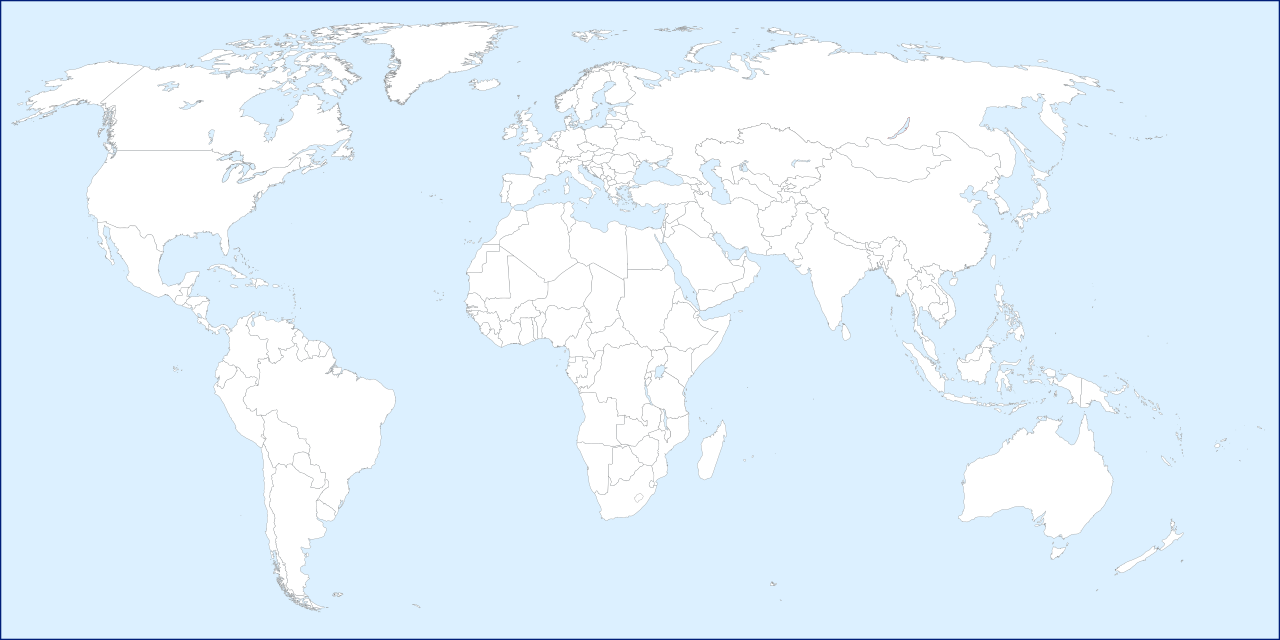
Location in the world
Africa
 Egypt
National digital inclusion context
This profile organizes the initiatives directly connected to Egypt in the global research inventory. It follows the study's country-profile framework: national context, broadband infrastructure, inclusion practices, education and workforce connections, implementation actors, and intended contribution.
The documented portfolio emphasizes Mobile / Wireless Infrastructure, Tower / Site Infrastructure, Fiber / Fixed Broadband Infrastructure, 5G, Fiber/Fiber Optic. The profile treats infrastructure, affordability, capability, institutions, support, and outcomes as an interconnected system.
Portfolio pattern
Counts reflect source-workbook tags. One initiative may appear in multiple infrastructure or technology categories.
Education and workforce
0 initiatives explicitly connect to education, K–12, or college/university contexts, and 0 connect to workforce development. Other investments may enable these outcomes indirectly.
Networks, service availability, devices, and connection quality.
Skills, confidence, accessibility, navigation, and support.
Education, work, health, government, and civic opportunity.
Governance, operations, maintenance, funding, and learning.
Project and initiative portfolio
Every directly tagged record is shown with details and supporting URLs preserved from the research workbook.
International submarine broadband
Adds high-capacity Mediterranean bandwidth and increases international traffic capacity.
Activities and approach: 2Africa submarine cable; coherent optical transmission
Mobile broadband capacity
Doubles available operator spectrum capacity relative to prior allocations, supporting 5G and future broadband demand.
Activities and approach: 410 MHz additional spectrum
International submarine broadband
Creates a short high-fiber-count route across the Gulf of Aqaba and a new Taba landing point.
Activities and approach: Submarine fiber
Public-sector fiber broadband
Connects tens of thousands of government buildings with fiber to enable reliable digital public services.
Activities and approach: Fiber-optic network
Rural mobile broadband
Expanded and modernized mobile infrastructure to bridge the urban-rural digital divide and extend 4G voice/data service.
Activities and approach: 1,096 new mobile stations; 594 USF-funded; 576 upgraded sites
5G mobile broadband
Launches 5G across all four mobile operators, increasing mobile capacity and speed.
Activities and approach: 5G spectrum and RAN
Border-area mobile broadband
Adds mobile and Internet coverage to remote southern border areas and roads where service was weak or absent.
Activities and approach: 13 cell sites; USF financing
Remote-area mobile broadband
USF-financed mobile infrastructure improves voice and Internet coverage across economically difficult and remote locations.
Activities and approach: 90 cell sites; mobile Internet; road coverage
Road and rural mobile connectivity
Extends mobile service to strategic road corridors, including emergency access and broadband connectivity.
Activities and approach: Cell sites; USF financing
Universal-service telecom access
Finances telecom infrastructure and compensates providers so basic Internet and telecom services reach areas the market would not serve economically.
Activities and approach: Universal-service financing; fixed/mobile infrastructure
Evidence boundary
Project records document interventions and intended contributions; they do not alone prove nationwide coverage, causal impact, or durable closure.
Profiles will deepen as national statistics, policy documents, evaluations, and implementation evidence are incorporated. Source links allow inspection of underlying evidence.
These sources support the country-level demographic, geographic, and connectivity context. Sources tied to individual projects remain with their project records and are not repeated here.