Infrastructure and access
- Mobile / Wireless Infrastructure13
- Fiber / Fixed Broadband Infrastructure7
- Last-Mile / Access Infrastructure3
- Tower / Site Infrastructure2
- AI / compute infrastructure1
Digital Divide Country Profile · Asia
Closing the digital divide, expanding meaningful connectivity, and advancing digital education and workforce participation.
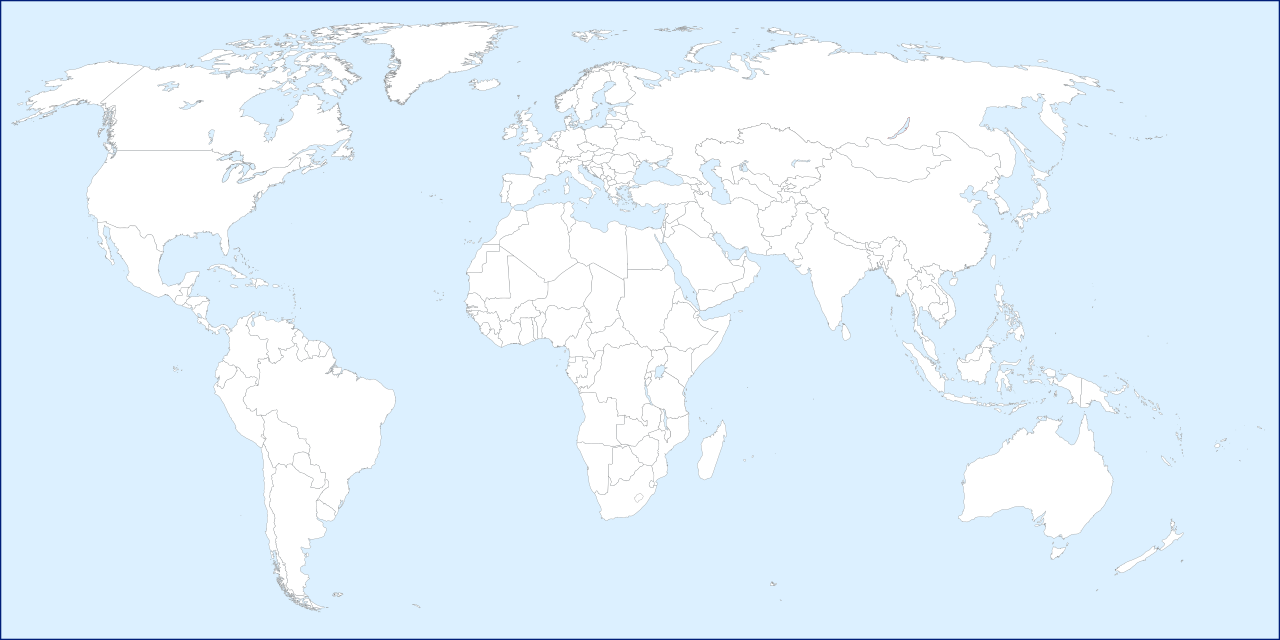
Location in the world
Asia
 China
National digital inclusion context
This profile organizes the initiatives directly connected to China in the global research inventory. It follows the study's country-profile framework: national context, broadband infrastructure, inclusion practices, education and workforce connections, implementation actors, and intended contribution.
The documented portfolio emphasizes Mobile / Wireless Infrastructure, Fiber / Fixed Broadband Infrastructure, Last-Mile / Access Infrastructure, 5G, 4G/LTE. The profile treats infrastructure, affordability, capability, institutions, support, and outcomes as an interconnected system.
Portfolio pattern
Counts reflect source-workbook tags. One initiative may appear in multiple infrastructure or technology categories.
Education and workforce
11 initiatives explicitly connect to education, K–12, or college/university contexts, and 7 connect to workforce development. Other investments may enable these outcomes indirectly.
Networks, service availability, devices, and connection quality.
Skills, confidence, accessibility, navigation, and support.
Education, work, health, government, and civic opportunity.
Governance, operations, maintenance, funding, and learning.
Project and initiative portfolio
Every directly tagged record is shown with details and supporting URLs preserved from the research workbook.
Accessible products/services
Closes a documented access, affordability, skills, institutional-capacity, or meaningful-use gap.
Activities and approach: Selection and promotion of accessible solutions
Older-adult digital literacy
Closes a documented access, affordability, skills, institutional-capacity, or meaningful-use gap.
Activities and approach: Digital-skills classes
Accessible digital services
Closes a documented access, affordability, skills, institutional-capacity, or meaningful-use gap.
Activities and approach: Website/app accessibility redesign
Digital/public-welfare content and inclusion grants
Funds public-welfare projects that raise awareness and improve representation around disability and social issues.
Activities and approach: Ten funded projects including Accessible Museum and ADHD Science Education.
Island 5G
Closes a documented access, affordability, skills, institutional-capacity, or meaningful-use gap.
Activities and approach: 5G deployment
Island broadband
Closes a documented access, affordability, skills, institutional-capacity, or meaningful-use gap.
Activities and approach: Fiber/4G/5G access
Remote rural broadband
Extends broadband to small population clusters often uneconomic for commercial rollout.
Activities and approach: Fiber, 4G or 5G
Rural 5G
Closes a documented access, affordability, skills, institutional-capacity, or meaningful-use gap.
Activities and approach: 5G rollout
Transport corridor mobile broadband
Closes mobile coverage gaps along strategic roads.
Activities and approach: 4G/5G roadside coverage
Border institutional connectivity
Closes a documented access, affordability, skills, institutional-capacity, or meaningful-use gap.
Activities and approach: Fiber/4G/5G coverage
Digital infrastructure
Moves cloud, content and edge-computing resources closer to remote users.
Activities and approach: Cloud resource pools; CDN; edge computing
Border-region broadband
Upgrades county and township networks to 5G and gigabit optical access.
Activities and approach: Gigabit fiber; 5G; dual-route fiber
Island connectivity
Targets 100% broadband and later full 5G coverage for inhabited islands.
Activities and approach: Fiber, 4G, 5G
Agricultural connectivity
Extends mobile networks into working agricultural areas and logistics/market nodes.
Activities and approach: 4G/5G; dual-gigabit
National digital literacy / skills strategy
Coordinates national initiatives to raise digital literacy and reduce participation gaps as services and work become more digital.
Activities and approach: Digital literacy campaigns; skills development; education and community implementation targets
Rural–urban device appropriateness, learning environment, self-efficacy, and engagement research
Extends digital-divide measurement beyond simple access by testing whether devices and learning environments are appropriate for the task and how those inequalities affect educational outcomes.
Activities and approach: Pretest survey; collect 571 valid questionnaires; apply chi-square tests, independent-sample t-tests, structural equation modeling, bootstrapping, and PROCESS moderation analysis; publish practical recommendations
International AI cooperation and capacity-building framework
creating an international cooperation framework intended to widen access to AI capabilities and reduce the emerging global AI divide.
Activities and approach: International AI cooperation; capacity building; development cooperation; broader access to AI capabilities
International AI capacity building and inclusive digital transformation
Aims to reduce unequal access to AI capabilities by sharing technical resources, localized AI solutions, training, and affordable AI infrastructure with partner countries that may otherwise lack comparable capacity.
Activities and approach: AI application cooperation; resource sharing; affordable AI infrastructure; multilingual model localization; smart education; industrial digital transformation; research cooperation; capacity building
Rural digital economy and inclusive development
Uses digital-economy development to support rural revitalization, narrow the digital divide, and promote inclusive development.
Activities and approach: Research visit; enterprise collaboration; digital-economy support.
Digital inclusion initiative
Builds digital capability and adoption support for people and communities affected by digital exclusion, addressing skills and participation barriers.
Activities and approach: Targeted digital inclusion activities described in the cited source
Rural school AI-literacy and device-access initiative
providing offline-capable AI learning tools and training where advanced technology access is limited
Activities and approach: Teacher and student AI training, school visits, and use of robotic dogs, drones, tablets, and AI glasses
Accessible digital public services
Closes a documented access, affordability, skills, institutional-capacity, or meaningful-use gap.
Activities and approach: Age-friendly design; authorized access; offline coordination
Rural entrepreneurship and market access
Supports rural livelihoods and sales of agricultural products as part of rural revitalization.
Activities and approach: Charity product promotion and farmer support.
Rural broadband adoption
Closes a documented access, affordability, skills, institutional-capacity, or meaningful-use gap.
Activities and approach: Fixed broadband expansion and uptake
Public-institution mobile broadband
Prioritizes 5G coverage at rural education and health facilities.
Activities and approach: 5G mobile coverage
International AI education and professional capacity building
Addresses the AI skills and knowledge divide by providing structured international training to students from countries with unequal access to advanced AI education and industry exposure.
Activities and approach: Summer-school training; AI development; industrial AI applications; international AI governance; professional skills development
Rural fiber broadband
Extends fiber networks into villages through the national universal-service compensation mechanism.
Activities and approach: Fiber network construction
Rural 5G
Pushes 5G beyond cities into rural production and public-service locations.
Activities and approach: 5G base stations
Rural mobile broadband
Builds mobile coverage where commercial investment is insufficient.
Activities and approach: Rural mobile base stations
Universal service
Closes a documented access, affordability, skills, institutional-capacity, or meaningful-use gap.
Activities and approach: Universal-service funding; rural broadband/5G
Older-adult digital inclusion and accessible service
Reduces the gray digital divide through age-friendly interface design, human support, and fraud protection.
Activities and approach: Age-friendly accessibility module; Care page; elderly service hotline; fraud-reporting section; font-size adaptation.
Disability accessibility and inclusive knowledge access
Improves barrier-free access to digital knowledge and participation.
Activities and approach: Accessibility standards; technical iterations; resource allocation; Barrier-Free Column with accessibility organizations and individuals.
Digital vocational education and workforce skills
Expands access to workplace skills, languages, certifications, and AI-enabled vocational learning.
Activities and approach: Digital vocational training; AI-enabled teaching; integrated educational resources.
Evidence boundary
Project records document interventions and intended contributions; they do not alone prove nationwide coverage, causal impact, or durable closure.
Profiles will deepen as national statistics, policy documents, evaluations, and implementation evidence are incorporated. Source links allow inspection of underlying evidence.
These sources support the country-level demographic, geographic, and connectivity context. Sources tied to individual projects remain with their project records and are not repeated here.