Infrastructure and access
- Telecommunications / Broadband Infrastructure4
- Backbone / Backhaul / Middle-Mile Infrastructure3
- Fiber / Fixed Broadband Infrastructure3
- Submarine / International Cable Infrastructure3
- Last-Mile / Access Infrastructure2
Digital Divide Country Profile · Africa
Closing the digital divide, expanding meaningful connectivity, and advancing digital education and workforce participation.
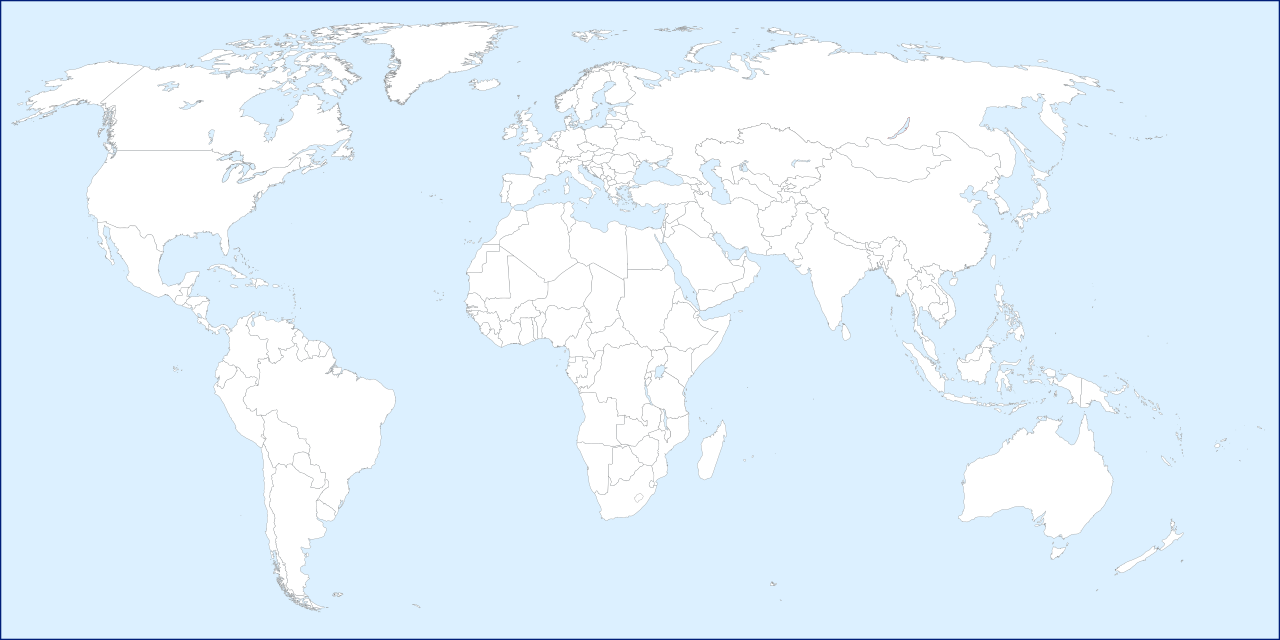
Location in the world
Africa
 Burkina Faso
National digital inclusion context
This profile organizes the initiatives directly connected to Burkina Faso in the global research inventory. It follows the study's country-profile framework: national context, broadband infrastructure, inclusion practices, education and workforce connections, implementation actors, and intended contribution.
The documented portfolio emphasizes Telecommunications / Broadband Infrastructure, Backbone / Backhaul / Middle-Mile Infrastructure, Fiber / Fixed Broadband Infrastructure, Fiber/Fiber Optic, Cellular mobile broadband sites. The profile treats infrastructure, affordability, capability, institutions, support, and outcomes as an interconnected system.
Portfolio pattern
Counts reflect source-workbook tags. One initiative may appear in multiple infrastructure or technology categories.
Education and workforce
3 initiatives explicitly connect to education, K–12, or college/university contexts, and 2 connect to workforce development. Other investments may enable these outcomes indirectly.
Networks, service availability, devices, and connection quality.
Skills, confidence, accessibility, navigation, and support.
Education, work, health, government, and civic opportunity.
Governance, operations, maintenance, funding, and learning.
Project and initiative portfolio
Every directly tagged record is shown with details and supporting URLs preserved from the research workbook.
Wireless broadband infrastructure
ITU broadband wireless network project expanded practical broadband access and infrastructure capacity.
Activities and approach: Broadband wireless network deployment
Rural mobile broadband / universal service
Extends mobile voice and data infrastructure into coverage gaps at national scale.
Activities and approach: Deployment of approximately 800 telecommunications sites in white zones
Cross-border fiber connectivity
Adds cross-border fiber capacity and integrates the national network with regional broadband infrastructure.
Activities and approach: 160 km fiber-optic link; cross-border backbone
Broadband, digital public services and skills
Expands affordable broadband, digitally enabled public services and digital skills, explicitly targeting excluded populations.
Activities and approach: Broadband connectivity; public service digitization; digital skills
Digital education services
Digitizes education services so improved connectivity supports learning and service delivery.
Activities and approach: Digital education platforms
Digital health
Uses broadband and digital systems to expand access to health services.
Activities and approach: Digital health platforms
Rural/fragile-area broadband
Expands broadband into vulnerable communities excluded from essential services.
Activities and approach: Broadband infrastructure
Digital skills and jobs
Builds digital skills and employment pathways so connectivity leads to economic opportunity.
Activities and approach: Digital-skills training
Digital government and ICT access
Built digital foundations and public-service capabilities later leveraged by the Digital Acceleration Project.
Activities and approach: Digital government platforms; ICT systems; enabling environment
Cross-border fiber backbone
Adds a second regional fiber route to improve redundancy, capacity and affordability.
Activities and approach: Cross-border fiber
Regional broadband infrastructure
Expanded geographical reach of broadband networks, lowered costs and improved regional and international connectivity.
Activities and approach: Fiber backbone; international connectivity; regulatory reform
Evidence boundary
Project records document interventions and intended contributions; they do not alone prove nationwide coverage, causal impact, or durable closure.
Profiles will deepen as national statistics, policy documents, evaluations, and implementation evidence are incorporated. Source links allow inspection of underlying evidence.
These sources support the country-level demographic, geographic, and connectivity context. Sources tied to individual projects remain with their project records and are not repeated here.