Infrastructure and access
- Data Center / Cloud Infrastructure2
- Telecommunications / Broadband Infrastructure2
- Backbone / Backhaul / Middle-Mile Infrastructure1
- Community Access Infrastructure1
- Digital Governance Ecosystem1
Digital Divide Country Profile · Asia
Closing the digital divide, expanding meaningful connectivity, and advancing digital education and workforce participation.
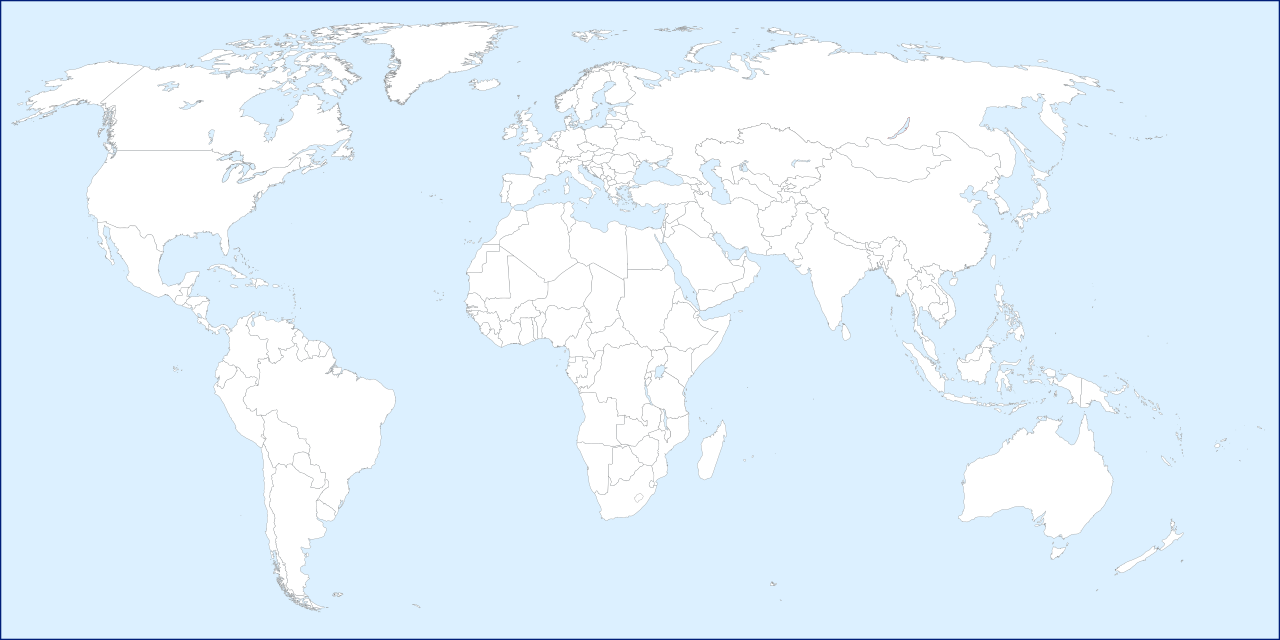
Location in the world

Asia
 Bangladesh
National digital inclusion context
This profile organizes the initiatives directly connected to Bangladesh in the global research inventory. It follows the study's country-profile framework: national context, broadband infrastructure, inclusion practices, education and workforce connections, implementation actors, and intended contribution.
The documented portfolio emphasizes Data Center / Cloud Infrastructure, Telecommunications / Broadband Infrastructure, Backbone / Backhaul / Middle-Mile Infrastructure, Cloud Computing, E-Learning / Virtual Learning. The profile treats infrastructure, affordability, capability, institutions, support, and outcomes as an interconnected system.
Portfolio pattern
Counts reflect source-workbook tags. One initiative may appear in multiple infrastructure or technology categories.
Education and workforce
12 initiatives explicitly connect to education, K–12, or college/university contexts, and 9 connect to workforce development. Other investments may enable these outcomes indirectly.
Networks, service availability, devices, and connection quality.
Skills, confidence, accessibility, navigation, and support.
Education, work, health, government, and civic opportunity.
Governance, operations, maintenance, funding, and learning.
Project and initiative portfolio
Every directly tagged record is shown with details and supporting URLs preserved from the research workbook.
Integrated rural-development and digital-service pilot
addressing multidimensional rural exclusion by combining digital-service expansion with education, health, livelihoods, energy and infrastructure
Activities and approach: Three-village pilot integrating digital services and technology with poverty reduction, education, healthcare, water, sanitation, women’s empowerment, renewable energy and livelihoods
Digital governance; AI governance; capacity development; training; policy dialogue; public participation
Broadens participation in digital-policy and AI-governance processes and builds knowledge and skills among groups that can be underrepresented in technology decision-making.
Activities and approach: Research; policy dialogue; awareness programmes; training initiatives; stakeholder consultations; Internet governance and AI-governance participation
Inclusive ICT skills and employment program
Builds market-relevant digital and vocational competencies, accessibility, entrepreneurship, and employment opportunities.
Activities and approach: Technical, vocational, entrepreneurial, and ICT training across 15 centers.
Youth vocational skills development
Develops employability skills in ICT, ready-made garments, and agro-processing, with explicit disability-inclusion work.
Activities and approach: Vocational training; ICT training; inclusive curriculum; partnerships.
Inclusive ICT training
Tests inclusive ICT skills training and curriculum changes for people with disabilities, while identifying device and lab-capacity barriers.
Activities and approach: Pilot training; CRP lab; inclusive curriculum refinement with ICT Industry Skills Council under NSDA.
Disability and gender-inclusive vocational training
Provides training capacity for women with disabilities who face mobility, social, and employment barriers.
Activities and approach: Vocational skills training; dedicated center capacity.
Disability-inclusive training capacity expansion
Expands residential and training capacity so more women with disabilities can participate in skills programs.
Activities and approach: Additional floor planned; residential capacity expansion; digital marketing training for wheelchair users.
Disability-focused digital-skills and employability training
Builds office productivity and digital marketing skills to support employment and freelancing.
Activities and approach: Five-month training; Microsoft Office; SEO; social media marketing; SMS and email marketing; residential support.
Digital entrepreneurship / access to innovation infrastructure
Creates an accessible digital entrepreneurship hub and ecosystem to expand participation in the digital economy and technology-enabled jobs.
Activities and approach: Innovation hub; green facility; startup support; private investment attraction; IT/ITES ecosystem.
Shared digital infrastructure
Creates shared cloud and secure digital infrastructure that enables reliable online public services at national scale.
Activities and approach: Integrated cloud platform; cybersecurity; shared government digital infrastructure; virtual service delivery.
Digital infrastructure, government platforms and skills
Strengthens digital-government infrastructure and service delivery while developing digital skills and digitally enabled employment.
Activities and approach: Government cloud; cybersecurity; digital platforms; skills training; digital economy support.
Education accessibility and teacher training policy
Uses budget-support indicators to encourage accessible infrastructure and teacher capacity for disability inclusion.
Activities and approach: Two disability-inclusion sub-indicators; accessibility improvements; physical infrastructure upgrades; teacher training.
Nationwide low-band mobile-connectivity deployment
using low-band spectrum to expand coverage more quickly and cost-effectively while strengthening 4G and future 5G readiness
Activities and approach: Nationwide 700 MHz rollout; rural and indoor coverage improvement; 4G enhancement; 5G preparation
Device affordability / financial inclusion
Reduces the smartphone affordability barrier through cardless installment financing.
Activities and approach: Cardless EMI; smartphone retail distribution; flexible payments
National fiber and government network expansion
Extends internet connectivity into rural unions and expands backbone infrastructure, directly addressing geographic broadband gaps.
Activities and approach: Optical fiber; union connectivity; district/upazila backbone; PPP operations and maintenance.
Accessible e-learning platform
Provides a dedicated e-learning pathway supporting digital inclusion, digital literacy, and accessibility for persons with disabilities.
Activities and approach: Blended learning; e-learning; accessibility training; digital literacy.
Affordable online ICT training
Offers lower-cost e-learning pathways that can reduce mobility barriers and expand access to ICT skills.
Activities and approach: Affordable online programs; e-learning.
Localized digital health / maternal and child health / AI-enabled family support
Uses locally designed, Bangla-language, low-bandwidth digital health delivery to reach families who are poorly served by imported smartphone-centric platforms, linking information, consultations and public-health programs to users under real connectivity and literacy constraints.
Activities and approach: Pregnancy tracking; localized health and parenting content; AI personalization; doctor consultations; messaging-channel delivery; 2G-compatible access; early-childhood learning; national reproductive-health integration
Disability policy and awareness project
Identified policy gaps, low awareness, and intersectional barriers affecting women with disabilities.
Activities and approach: Policy-gap identification; awareness; collaboration with organizations of persons with disabilities.
Public digital access / assisted connectivity
Provides local access points and assisted digital services close to rural communities, reducing distance, skills and access barriers.
Activities and approach: Community digital centers; assisted e-services; entrepreneurship; internet-enabled public services.
Evidence boundary
Project records document interventions and intended contributions; they do not alone prove nationwide coverage, causal impact, or durable closure.
Profiles will deepen as national statistics, policy documents, evaluations, and implementation evidence are incorporated. Source links allow inspection of underlying evidence.
These sources support the country-level demographic, geographic, and connectivity context. Sources tied to individual projects remain with their project records and are not repeated here.