Infrastructure and access
- Mobile / Wireless Infrastructure6
- Infrastructure Planning / Mapping / Funding4
- Institutional / School Connectivity Infrastructure4
- Last-Mile / Access Infrastructure2
- Satellite Infrastructure2
Digital Divide Country Profile · North America
Closing the digital divide, expanding meaningful connectivity, and advancing digital education and workforce participation.
Location in the world

North America
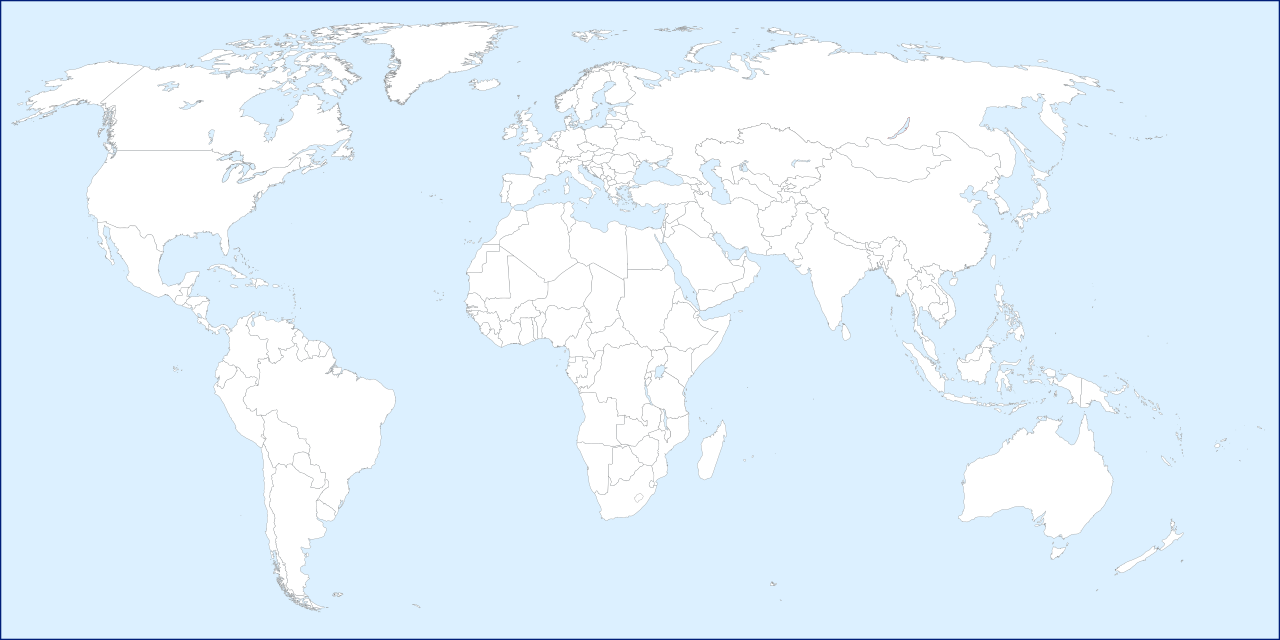 Bahamas
National digital inclusion context
This profile organizes the initiatives directly connected to Bahamas in the global research inventory. It follows the study's country-profile framework: national context, broadband infrastructure, inclusion practices, education and workforce connections, implementation actors, and intended contribution.
The documented portfolio emphasizes Mobile / Wireless Infrastructure, Infrastructure Planning / Mapping / Funding, Institutional / School Connectivity Infrastructure, 5G, LEO Satellite. The profile treats infrastructure, affordability, capability, institutions, support, and outcomes as an interconnected system.
Portfolio pattern
Counts reflect source-workbook tags. One initiative may appear in multiple infrastructure or technology categories.
Education and workforce
7 initiatives explicitly connect to education, K–12, or college/university contexts, and 4 connect to workforce development. Other investments may enable these outcomes indirectly.
Networks, service availability, devices, and connection quality.
Skills, confidence, accessibility, navigation, and support.
Education, work, health, government, and civic opportunity.
Governance, operations, maintenance, funding, and learning.
Project and initiative portfolio
Every directly tagged record is shown with details and supporting URLs preserved from the research workbook.
5G universal coverage mechanism
Uses licence conditions to require geographic rollout and coverage performance.
Activities and approach: 5G licence rollout obligations
5G readiness/demand analysis
Assesses demand for enhanced connectivity and identifies priority 5G use cases before deployment.
Activities and approach: 5G demand analysis
5G rural/island expansion
Addresses weak commercial economics for 5G on smaller islands through incentives and potential universal-service support.
Activities and approach: 5G; investment incentives; USF
5G spectrum implementation
Defines spectrum bands, assignment and pricing for the first 5G release.
Activities and approach: 5G spectrum assignment
Network resilience
Improves continuity of mobile broadband during outages and severe weather.
Activities and approach: Backup power; resilience requirements
5G regulatory framework
Addresses supply-side and policy barriers needed to enable market-driven 5G deployment.
Activities and approach: Spectrum/policy/market design
Digital Government; Policy Cooperation; Capacity Building; Digital Infrastructure
Uses Estonia’s e-government experience to accelerate accessible digital public services and national digital capability in The Bahamas.
Activities and approach: Knowledge exchange; technical expertise; study visits; workshops; digital identity; interoperability; AI; cybersecurity; digital infrastructure; citizen-centered digital services.
Broadband investment incentive
Reduces licence fees for qualifying operator investments that extend network coverage into underserved areas.
Activities and approach: Investment incentive / fee reduction
Broadband investment incentive
Reduces communications licence fees when operators invest in underserved geographic areas.
Activities and approach: Fee-reduction investment incentive
Digital literacy and workforce skills
Provides basic computing, Microsoft Office and e-commerce training to improve meaningful digital participation.
Activities and approach: Digital-skills courses
Digital inclusion enabling infrastructure
Strengthens identification and data-policy foundations needed for inclusive and secure use of national digital services.
Activities and approach: Digital identity; data governance; implementation capacity
Island broadband expansion
Extends connectivity across the Family Islands to reduce inter-island geographic access disparities.
Activities and approach: Broadband network expansion; island connectivity
Digital infrastructure planning
Identifies connectivity, equipment and capacity gaps before health-system digital investments.
Activities and approach: Connectivity/equipment readiness assessment
Health-facility broadband
Upgrades connectivity where health facilities face island-specific digital infrastructure gaps.
Activities and approach: Broadband upgrades
Public-institution connectivity
Requires Internet service free of charge to designated institutions, creating community anchor access.
Activities and approach: Institutional Internet
Public/community Internet access
Provides free public Internet access at community locations, directly addressing affordability and access gaps.
Activities and approach: Public Wi-Fi hotspots
Digital access / e-government infrastructure
Expands access to public services by moving government procedures online and increasing public-sector ICT capability.
Activities and approach: Digital services; ICT modernization; identity and data systems
Device and broadband affordability
Combines connectivity and laptops to reduce simultaneous service and device barriers.
Activities and approach: Broadband service; laptops
Satellite broadband enabling framework
Creates a regulatory path for LEO broadband that can serve locations with weak terrestrial economics.
Activities and approach: LEO satellite services
Digital public-service access
Provides a single portal for government services, reducing geographic barriers for residents across an archipelagic country.
Activities and approach: Online service portal; digital payments; identity integration
School broadband
Brings reliable high-speed Internet to remote schools so pupils can access the same digital courses as urban peers.
Activities and approach: High-speed school Internet
Satellite school broadband
Uses LEO satellite terminals to improve high-speed connectivity at selected schools.
Activities and approach: Starlink LEO terminals; 100 Mbps+ service
Universal-service broadband
Creates a dedicated funding framework for areas and institutions where market economics do not deliver adequate service.
Activities and approach: Universal-service funding
Universal-service planning
Measures service gaps and redesigns universal-service obligations around broadband and essential institutions.
Activities and approach: Coverage assessment; USO design
Universal service
Requires minimum communications services at affordable and uniform prices independent of location.
Activities and approach: Universal-service obligations
Digital skills inclusion
Removes cost and geographic barriers to online professional and digital-skills training.
Activities and approach: Free online courses/certifications
Global ICT policy coordination / digital inclusion / infrastructure policy
WTPF-26 created a multistakeholder policy venue for developing shared international priorities on closing digital divides, strengthening infrastructure resilience, expanding space-based connectivity, supporting sustainable digital transformation, and fostering inclusive innovation.
Activities and approach: Three-day international policy forum; adoption of non-binding Opinions; policy dialogue on digital divides, infrastructure resilience, space connectivity, sustainability, and innovation
Evidence boundary
Project records document interventions and intended contributions; they do not alone prove nationwide coverage, causal impact, or durable closure.
Profiles will deepen as national statistics, policy documents, evaluations, and implementation evidence are incorporated. Source links allow inspection of underlying evidence.
These sources support the country-level demographic, geographic, and connectivity context. Sources tied to individual projects remain with their project records and are not repeated here.