Infrastructure and access
- Fiber / Fixed Broadband Infrastructure11
- Backbone / Backhaul / Middle-Mile Infrastructure9
- Mobile / Wireless Infrastructure6
- Last-Mile / Access Infrastructure3
- Telecommunications / Broadband Infrastructure2
Digital Divide Country Profile · Africa
Closing the digital divide, expanding meaningful connectivity, and advancing digital education and workforce participation.
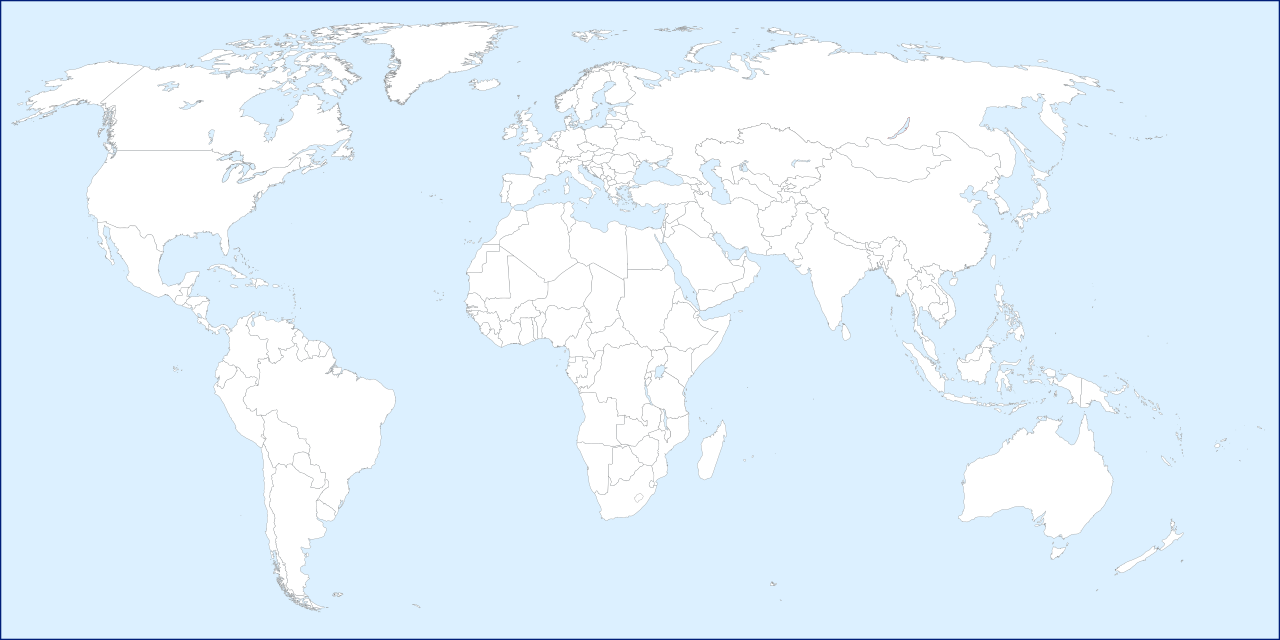
Location in the world
Africa
 Algeria
National digital inclusion context
This profile organizes the initiatives directly connected to Algeria in the global research inventory. It follows the study's country-profile framework: national context, broadband infrastructure, inclusion practices, education and workforce connections, implementation actors, and intended contribution.
The documented portfolio emphasizes Fiber / Fixed Broadband Infrastructure, Backbone / Backhaul / Middle-Mile Infrastructure, Mobile / Wireless Infrastructure, Fiber/Fiber Optic, 5G. The profile treats infrastructure, affordability, capability, institutions, support, and outcomes as an interconnected system.
Portfolio pattern
Counts reflect source-workbook tags. One initiative may appear in multiple infrastructure or technology categories.
Education and workforce
0 initiatives explicitly connect to education, K–12, or college/university contexts, and 0 connect to workforce development. Other investments may enable these outcomes indirectly.
Networks, service availability, devices, and connection quality.
Skills, confidence, accessibility, navigation, and support.
Education, work, health, government, and civic opportunity.
Governance, operations, maintenance, funding, and learning.
Project and initiative portfolio
Every directly tagged record is shown with details and supporting URLs preserved from the research workbook.
Digital public infrastructure / inclusion
Develops interoperable digital identity, payments and data-exchange foundations intended to broaden equitable access to public services and financial inclusion.
Activities and approach: Digital ID; digital payments; data exchange / interoperability
Universal-service telecommunications rollout
extending telecommunications coverage under a time-bound universal-access rollout
Activities and approach: Universal-service rollout; operator deployment; expansion to access areas
International broadband backbone
Adds diverse international capacity and resilience, strengthening Algeria's access to global broadband networks.
Activities and approach: Submarine fiber; international bandwidth
5G mobile broadband
Adds a third national 5G network, increasing capacity, competition and geographic coverage over the rollout period.
Activities and approach: 5G radio access and core network
5G mobile broadband
Introduces higher-capacity mobile broadband with mandatory geographic coverage milestones that ultimately extend across all wilayas.
Activities and approach: 5G radio access and core network
Fixed fiber broadband
Modernizes the access network and expands very-high-speed fixed Internet nationwide, including migration from copper to fiber.
Activities and approach: FTTH; copper-to-fiber migration
Mobile coverage / transport corridors
Targets persistent mobile gaps on national roads so travelers and nearby areas maintain continuous connectivity.
Activities and approach: Mobile coverage expansion; network optimization
5G mobile broadband
Adds a second nationwide 5G network with binding rollout and quality obligations.
Activities and approach: 5G radio access and core network
Rural 4G deployment
Implements a major operator-specific portion of Algeria's universal-service programme in underserved localities.
Activities and approach: 4G base stations and mobile broadband
Digital infrastructure / cloud and AI
Adds national computing and cloud capacity that can support scalable digital services and local digital-economy development.
Activities and approach: Data centre; cloud computing; AI computing; energy-efficient technologies
Provincial fiber broadband
Completes fiber coverage in a major population centre and accelerates migration to very-high-speed access.
Activities and approach: FTTH / fiber access network
Access-network modernization
Improves reliability, speed and service quality by replacing obsolete copper access infrastructure with fiber.
Activities and approach: Seven copper-network modernization operations using fiber
Provincial FTTH broadband
Expands very-high-speed fiber access beyond the 76 sites already connected in the province.
Activities and approach: 58 FTTH deployment projects
Mobile-network backhaul
Strengthens the fiber backhaul supporting mobile coverage and capacity across the province.
Activities and approach: Three fiber links reinforcing the mobile network
Public-institution broadband
Connects administrative branches to fiber so civil-status and other public services can be delivered faster and more reliably.
Activities and approach: Fiber connections to public administrations
Regional fiber backbone
Provides a high-capacity north-south fiber route and regional gateway intended to reduce development and connectivity disparities.
Activities and approach: 2,548–2,600 km terrestrial fiber; regional interconnection
Rural 4G universal service
Extends mobile telephony and 4G Internet to low-density areas specifically to improve inclusive coverage.
Activities and approach: 4G mobile network; universal-service obligations
Rural fixed broadband
Extends fixed telecommunications access to hundreds of localities that would otherwise face geographic isolation.
Activities and approach: Fixed telecommunications network
Remote-region fiber backbone
Adds fiber capacity and redundancy in sparsely populated southern regions.
Activities and approach: Three fiber-optic links: two in Illizi and one Illizi–Tamanrasset
National fiber backbone resilience
Strengthens national backbone reach and resilience across long-distance interior and southern routes.
Activities and approach: Eight backbone links totaling about 1,334.16 km
Satellite broadband backbone
Provides satellite gateway capacity that can support connectivity where terrestrial networks are unavailable or uneconomic.
Activities and approach: Satellite hub / gateway
Evidence boundary
Project records document interventions and intended contributions; they do not alone prove nationwide coverage, causal impact, or durable closure.
Profiles will deepen as national statistics, policy documents, evaluations, and implementation evidence are incorporated. Source links allow inspection of underlying evidence.
These sources support the country-level demographic, geographic, and connectivity context. Sources tied to individual projects remain with their project records and are not repeated here.