Digital Divide Country Profile ยท Asia

AF

Afghanistan

Closing the digital divide, expanding meaningful connectivity, and advancing digital education and workforce participation.

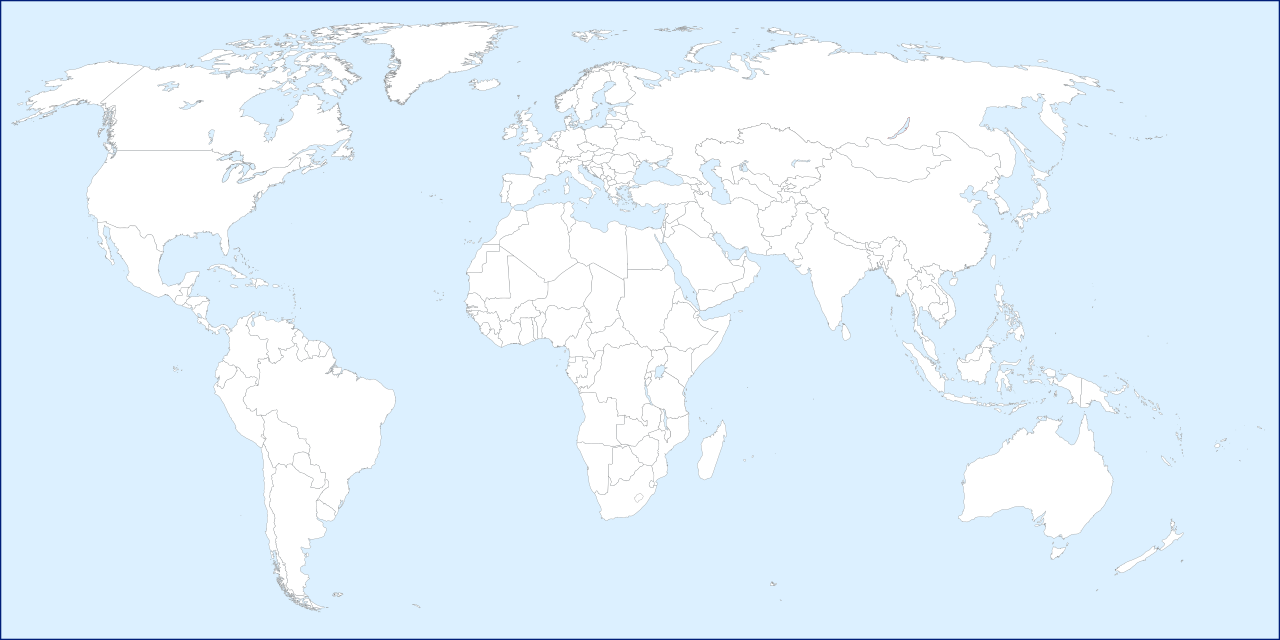
Location in the world
Afghanistan

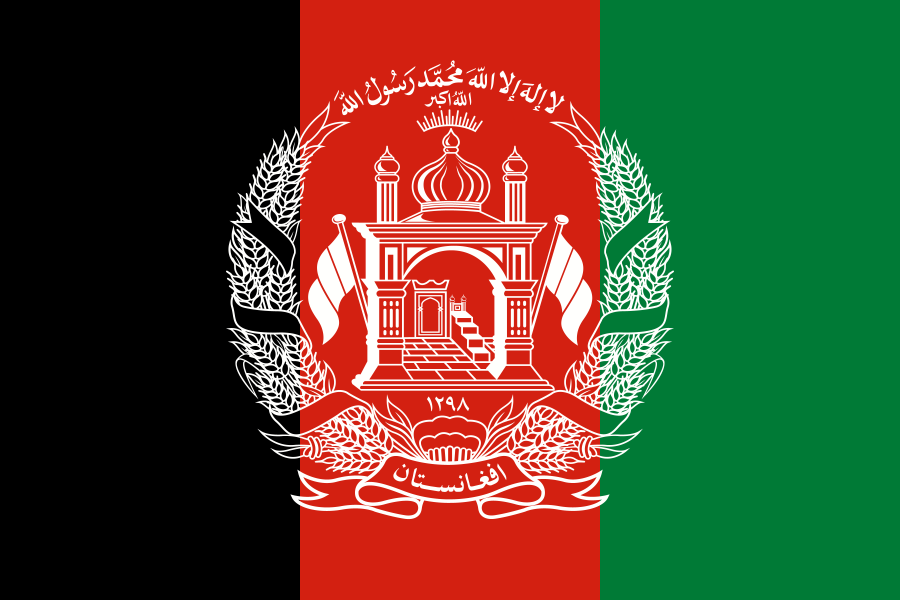
Flag of Afghanistan

Asia

World map showing the location of AfghanistanAfghanistan
๐Ÿ‡ฆ๐Ÿ‡ซ
Population (2024)
42,647,492
Total area
652,230 kmยฒ
Area in square miles
251,827.31 miยฒ
Coastline
Landlocked ยท 0 km
Base map adapted from Wikimedia Commons. Population: World Bank (2024); geography: CIA World Factbook.

National digital inclusion context

A portfolio-based view of access, capability, and outcomes.

This profile organizes the initiatives directly connected to Afghanistan in the global research inventory. It follows the study's country-profile framework: national context, broadband infrastructure, inclusion practices, education and workforce connections, implementation actors, and intended contribution.

The documented portfolio emphasizes Fiber / Fixed Broadband Infrastructure, Backbone / Backhaul / Middle-Mile Infrastructure, Mobile / Wireless Infrastructure, Fiber/Fiber Optic, CDMA/WLL. The profile treats infrastructure, affordability, capability, institutions, support, and outcomes as an interconnected system.

Portfolio pattern

What the documented response contains.

Counts reflect source-workbook tags. One initiative may appear in multiple infrastructure or technology categories.

Infrastructure and access

  1. Fiber / Fixed Broadband Infrastructure6
  2. Backbone / Backhaul / Middle-Mile Infrastructure3
  3. Mobile / Wireless Infrastructure3
  4. Institutional / School Connectivity Infrastructure2
  5. Infrastructure Planning / Mapping / Funding1

Specific technologies

  1. Fiber/Fiber Optic6
  2. CDMA/WLL1
  3. Internet Exchange Point (IXP)1
  4. Robotics1
  5. WiMAX1

Intervention classification

  1. Infrastructure and Specific Technology8
  2. Infrastructure only2
  3. Specific Technology only1

Education and workforce

Connectivity becomes consequential through participation.

3 initiatives explicitly connect to education, Kโ€“12, or college/university contexts, and 1 connect to workforce development. Other investments may enable these outcomes indirectly.

Access

Networks, service availability, devices, and connection quality.

Capability

Skills, confidence, accessibility, navigation, and support.

Participation

Education, work, health, government, and civic opportunity.

Sustainability

Governance, operations, maintenance, funding, and learning.

Project and initiative portfolio

11 documented records

Every directly tagged record is shown with details and supporting URLs preserved from the research workbook.

01

Girls STEM, robotics, and technology-skills program

Afghan Girls' Robotics Team STEM and Digital Skills Initiative

Active / international youth education initiative ยท Afghan girls participating in international robotics competitions
View details
Status / periodActive / international youth education initiativeLocationAfghan girls participating in international robotics competitionsPopulationGirls and young women affected by conflict, displacement, cultural barriers, and limited technology accessOrganizationsAfghan Girls' Robotics Team; Education Cannot WaitFundingInternational competition participation; funding and participant count not reported

Builds practical robotics, programming, engineering, leadership, and technology-career visibility for girls facing severe digital exclusion.

Activities and approach: Design, build, and program robots; compete internationally; develop engineering and digital skills; serve as ambassadors for girls in technology

Robotics
Sherif, Y. (2025, April 24). Girls' education bridges the digital divide. Education Cannot Wait. https://finance.yahoo.com/news/girls-education-bridges-digital-divide-041500910.htmlOpen supporting source โ†—
02

Government broadband

Digital CASA โ€“ Government Network and Public Institution Connectivity

2019โ€“2021 implementation / later closed ยท Government and public institutions
View details
Status / period2019โ€“2021 implementation / later closedLocationGovernment and public institutionsPopulationPublic-service usersOrganizationsMCIT; World Bank

Expanded government connectivity to support digital services and affordable institutional access.

Activities and approach: Government network; institutional broadband

Institutional / School Connectivity Infrastructure
03

Internet exchange / local traffic

Digital CASA โ€“ National Internet Exchange Point

2019โ€“2021 implementation / later closed ยท Kabul / national network ecosystem
View details
Status / period2019โ€“2021 implementation / later closedLocationKabul / national network ecosystemPopulationISPs and Internet usersOrganizationsMCIT; ATRA; World Bank

Planned/established local traffic exchange to reduce international transit dependence and improve performance.

Activities and approach: Internet exchange point

Internet Exchange / Interconnection InfrastructureInternet Exchange Point (IXP)
04

Regional and domestic fiber investment

Digital CASA โ€“ Regional and Domestic Connectivity

2019โ€“2021 implementation / later closed ยท National and cross-border corridors
View details
Status / period2019โ€“2021 implementation / later closedLocationNational and cross-border corridorsPopulationPublic institutions, priority groups and broadband usersOrganizationsMCIT; World Bank

Designed to crowd in private investment, expand fiber, connect public institutions and lower Internet costs.

Activities and approach: Regional/domestic OFC; institutional connectivity

Fiber / Fixed Broadband InfrastructureFiber/Fiber Optic
05

Provincial telecom restoration

Emergency Telecom Network Restoration โ€“ 11 Provinces

Legacy reconstruction ยท 11 provinces
View details
Status / periodLegacy reconstructionLocation11 provincesPopulationResidents and public institutionsOrganizationsGovernment of India; Afghanistan MCIT

Restored basic telecom networks after conflict damage and reconnected provincial services.

Activities and approach: Digital switches; CDMA WLL; 35,000 lines

Mobile / Wireless InfrastructureTelecommunications / Broadband InfrastructureCDMA/WLL
06

Regional fiber backbone

ICT Sector Development โ€“ Central Route OFC

2011โ€“2016 ยท Bamiyan, Daikundi, Ghor and 10 districts
View details
Status / period2011โ€“2016LocationBamiyan, Daikundi, Ghor and 10 districtsPopulationProvincial capitals, district centres and residentsOrganizationsMCIT; World Bank

Connected central provinces and districts to the national OFC ring with voice and broadband service.

Activities and approach: ~760 km fiber; 13 nodes

Fiber / Fixed Broadband InfrastructureBackbone / Backhaul / Middle-Mile InfrastructureFiber/Fiber Optic
07

Regional fiber backbone

ICT Sector Development โ€“ North-Eastern Route OFC

2011โ€“2016 ยท Takhar, Badakhshan, Khanabad, Kalafgan and Kishm
View details
Status / period2011โ€“2016LocationTakhar, Badakhshan, Khanabad, Kalafgan and KishmPopulationProvincial capitals, district centres and residentsOrganizationsMCIT; World Bank

Connected north-eastern provincial and district nodes to the national fiber ring.

Activities and approach: ~240 km fiber; five nodes

Fiber / Fixed Broadband InfrastructureBackbone / Backhaul / Middle-Mile InfrastructureFiber/Fiber Optic
08

National fiber backbone

National Optical Fiber Cable Ring

2006โ€“2016 / legacy backbone ยท Nationwide / border interconnections
View details
Status / period2006โ€“2016 / legacy backboneLocationNationwide / border interconnectionsPopulationOperators, government, businesses and householdsOrganizationsMCIT; Afghan Telecom

Built the national optical backbone and international fiber interconnections that underpin lower-cost broadband.

Activities and approach: 3,100 km initial ring plus extensions; international fiber interconnects

Submarine / International Cable InfrastructureFiber / Fixed Broadband InfrastructureBackbone / Backhaul / Middle-Mile InfrastructureFiber/Fiber Optic
09

School broadband

School Internet Project โ€“ 160 Fiber Schools

2020โ€“2021 implementation ยท 160 schools
View details
Status / period2020โ€“2021 implementationLocation160 schoolsPopulationStudents and teachersOrganizationsMCIT; Ministry of Education; Afghan Telecom

Connected schools via fiber to improve access to digital learning resources.

Activities and approach: Fiber Internet; school labs

Fiber / Fixed Broadband InfrastructureInstitutional / School Connectivity InfrastructureFiber/Fiber Optic
10

School wireless broadband

School Internet Project โ€“ 500 Point-to-Point/WiMAX Schools

2020โ€“2021 implementation ยท 500 schools
View details
Status / period2020โ€“2021 implementationLocation500 schoolsPopulationStudents and teachersOrganizationsMCIT; Ministry of Education; Afghan Telecom

Used wireless technologies where fiber was unavailable to expand school Internet access.

Activities and approach: Point-to-point wireless; WiMAX

Fiber / Fixed Broadband InfrastructureMobile / Wireless InfrastructureFiber/Fiber OpticWiMAX
11

Rural mobile broadband

Telecom Development Fund โ€“ Rural BTS Programme

2012 onward / legacy ยท Rural areas
View details
Status / period2012 onward / legacyLocationRural areasPopulationRural residentsOrganizationsATRA/MCIT; mobile operators

Financed base stations in rural locations where commercial deployment was insufficient.

Activities and approach: Rural BTS / mobile network

Mobile / Wireless InfrastructureTower / Site InfrastructureInfrastructure Planning / Mapping / Funding

Evidence boundary

Read the portfolio as a starting point, not a final verdict.

Project records document interventions and intended contributions; they do not alone prove nationwide coverage, causal impact, or durable closure.

Profiles will deepen as national statistics, policy documents, evaluations, and implementation evidence are incorporated. Source links allow inspection of underlying evidence.

Evidence and contextProfile Sources

These sources support the country-level demographic, geographic, and connectivity context. Sources tied to individual projects remain with their project records and are not repeated here.

  1. Central Intelligence Agency. (n.d.). Afghanistan. The World Factbook. Retrieved September 26, 2026, from https://www.cia.gov/the-world-factbook/countries/afghanistan/
  2. International Telecommunication Union. (n.d.). ITU DataHub: Country ICT data. Retrieved September 26, 2026, from https://datahub.itu.int/
  3. World Bank. (n.d.). Individuals using the Internet (% of population): Afghanistan. World Development Indicators. Retrieved September 26, 2026, from https://data.worldbank.org/indicator/IT.NET.USER.ZS?locations=AF
  4. World Bank. (n.d.). Population, total: Afghanistan. World Development Indicators. Retrieved September 26, 2026, from https://data.worldbank.org/indicator/SP.POP.TOTL?locations=AF

Compare another country.

All country profiles โ†’